The waterbuck
The Waterbuck (Kobus ellipsiprymnus) is a large, sturdy antelope native to sub‑Saharan Africa and particularly prevalent in East African savannahs and wetlands. Its name reflects its strong ecological association with water — these antelopes are rarely found far from rivers, lakes, swamps, or floodplains. They are a favorite sight for safari visitors due to their striking appearance, social behavior, and relative abundance in protected areas across Uganda, Kenya, Tanzania, and Rwanda.
Physical Characteristics
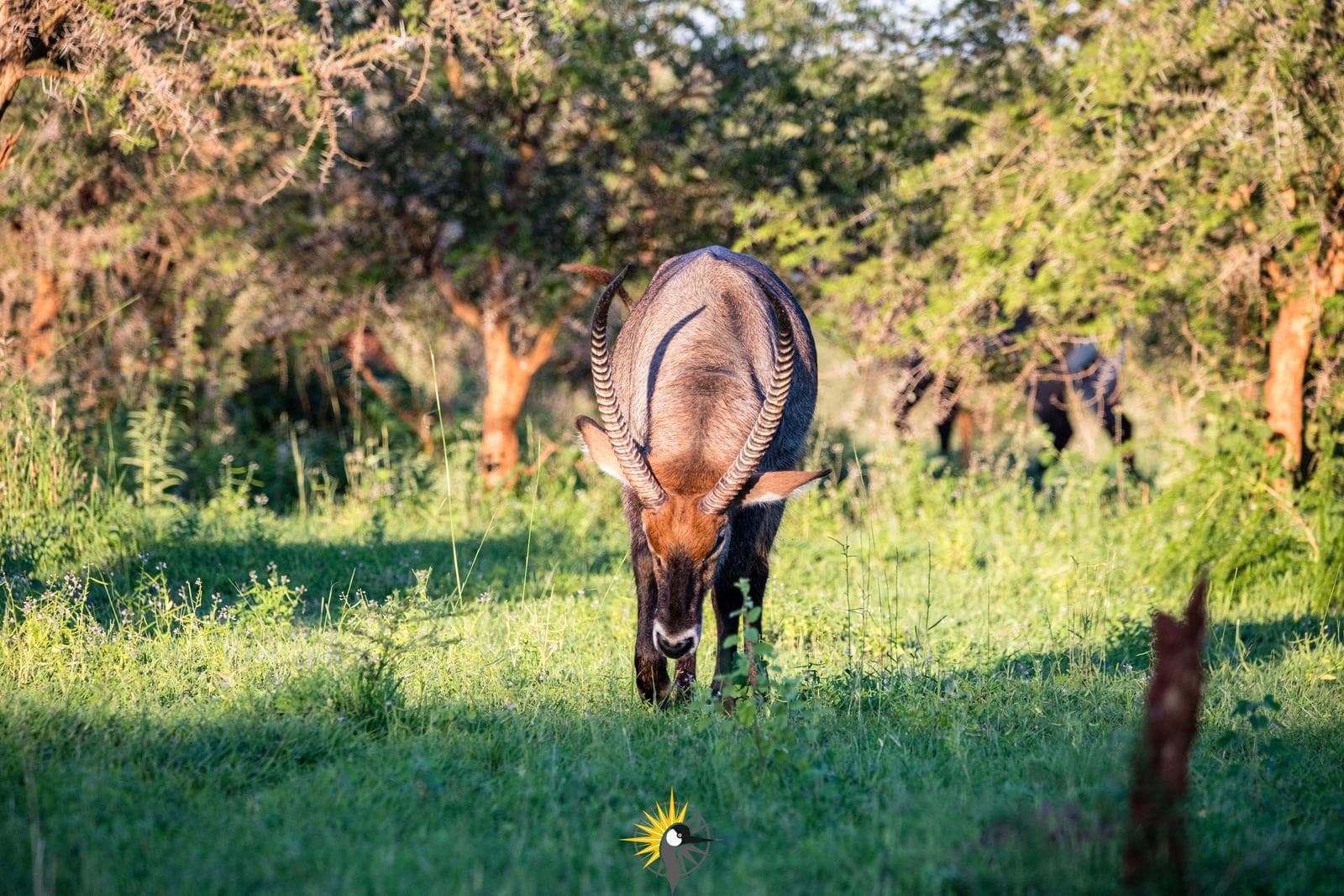
Waterbucks are among the larger antelope species, with adults typically standing 1.2–1.36 meters (4–4.5 feet) at the shoulder and weighing between 160–300 kilograms (350–660 pounds). Their coat is coarse and shaggy, ranging from brownish‑gray to darker shades, often with lighter markings on the face and throat. A distinct white ring around the rump is characteristic of the “common” (ellipsiprymnus) type and helps with species recognition in the field. Only males possess long, ridged horns that curve backward and slightly upward and can reach nearly one meter in length.
One unique adaptation is the oily secretion in their coat, believed to help repel water and keep the fur relatively dry despite frequent immersion. This waterproofing allows waterbucks to feed close to rivers and swamps without becoming waterlogged.
Habitat and Range in East Africa
Waterbucks are highly water‑dependent antelopes that thrive in habitats with ready access to water. They are typically found in savanna grasslands, riverine forests, wetlands, and floodplain edges. Because they cannot tolerate long periods away from water, their distribution closely follows permanent water sources.
In Uganda, Waterbucks occur in national parks and reserves such as Queen Elizabeth National Park, Murchison Falls National Park, and Lake Mburo National Park, where extensive wetlands and floodplains support healthy populations.
Across Kenya, Waterbucks are found in areas with reliable water, including Maasai Mara National Reserve, parts of Amboseli National Park, Tsavo East National Park and Tsavo West National Park, and along river corridors and wetlands throughout the country.
In Tanzania, Waterbucks are common in places such as Serengeti National Park, Tarangire National Park, and around the Ngorongoro Conservation Area, especially in habitats with year‑round water.
Rwanda’s Akagera National Park also supports waterbuck populations in its riverside grasslands and papyrus‑lined wetlands. Overall, Waterbucks are spread widely wherever suitable aquatic habitats exist within East Africa.
Behavior and Social Structure
Waterbucks are social animals that typically form loose herds. Their group sizes can vary from small family units to larger aggregations of 10–30 animals, though larger gatherings occur in productive wetland areas. Males are territorial, especially during the breeding season, and use their horns to defend territory and attract females.
These antelopes are most active during the early morning and late afternoon. They graze and browse lush grasses and other vegetation near water, often venturing into shallow water when threatened by predators such as lions, leopards, hyenas, and crocodiles. Female waterbucks and calves may use water as a refuge, taking advantage of their water‑adapted coats and strong swimming ability.
Diet and Feeding
Waterbucks are herbivores with a diet dominated by grasses, especially those found in moist grasslands adjacent to water sources. During the dry season or when grass is sparse, they will also browse on leaves, shoots, and other plant material. Their preference for coarse grasses that other grazers avoid allows them to exploit a niche within riverine and wetland ecosystems.
Reproduction
Waterbucks do not have a strictly defined breeding season in many parts of their range, but peaks often coincide with wetter months when food and water are abundant. After a gestation of about eight to nine months, females give birth to a single calf, which remains hidden in vegetation for the first few weeks to minimize predation risk. Young waterbucks grow rapidly and join the herd as they mature.
Conservation Status
The waterbuck is currently listed as Least Concern on the IUCN Red List due to its extensive distribution and relatively large population compared with other antelope species, though habitat loss and fragmentation are ongoing threats. Human encroachment and competition with livestock can reduce suitable habitats and disrupt traditional migratory or grazing patterns. Protected areas and wildlife corridors are essential for maintaining waterbuck populations across East Africa’s riverine and grassland ecosystems.
Observing Waterbucks on Safari
Waterbucks are a rewarding species to observe on safari because they are often seen in open riverine grasslands and near water bodies. In Uganda, Kenya, Tanzania, and Rwanda, they are most active and visible during cooler hours of the day. Their distinctive shaggy coats, prominent rump markings, and social behavior make them a favorite for wildlife observation and photography.
Conclusion
The waterbuck is a robust and water‑dependent antelope that embodies the ecological link between savannah grasslands and aquatic habitats in East Africa. Its widespread presence across protected areas highlights the importance of water‑rich environments for sustaining wildlife. Waterbucks not only contribute to the biodiversity of the region but also enhance the safari experience for visitors exploring Uganda, Kenya, Tanzania, and Rwanda.
Related Animals
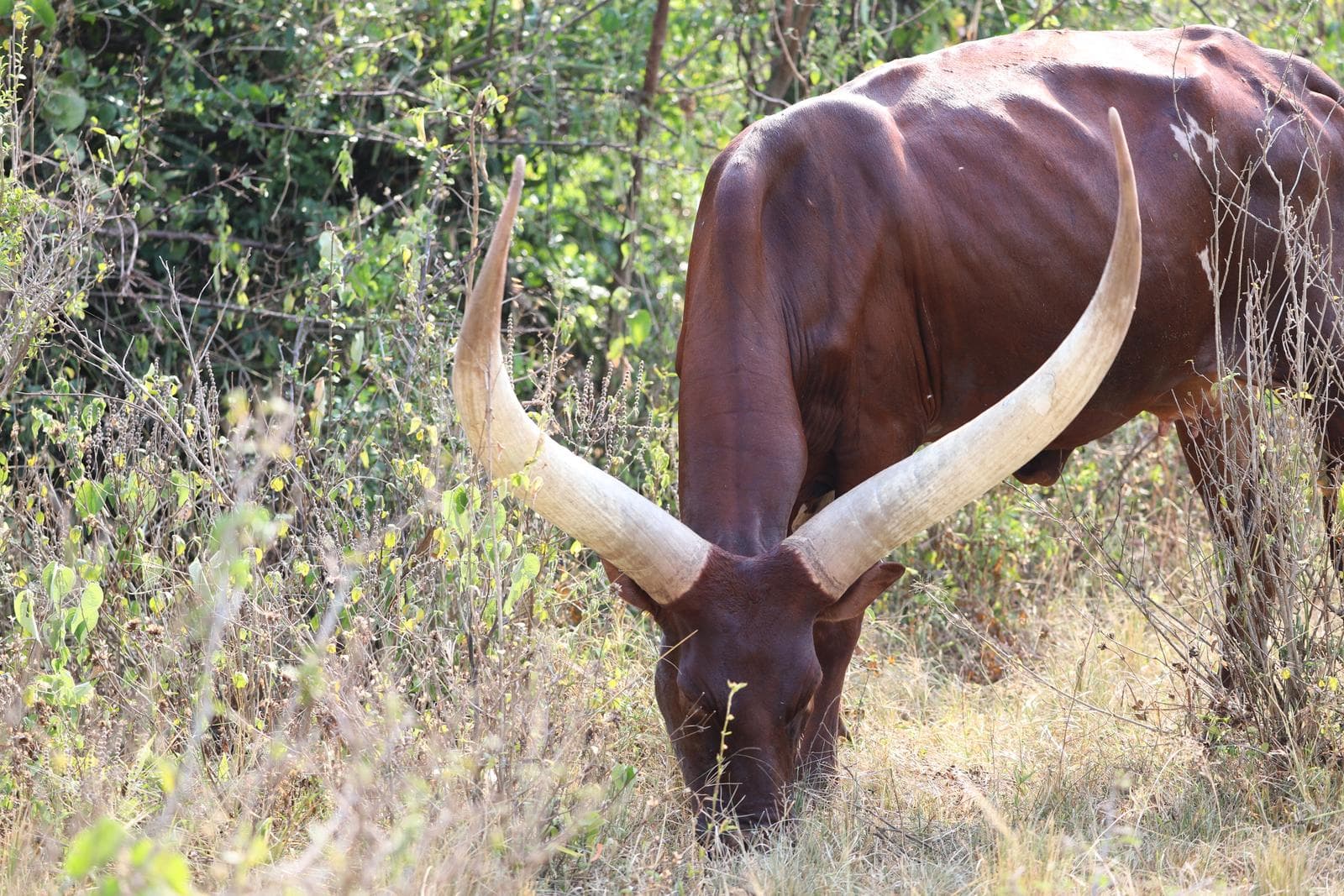
Ankole cow
Discover Ankole Long-Horned Cattle – iconic African livestock with majestic horns, rich cultural significance, and adaptability across East Africa.
View animal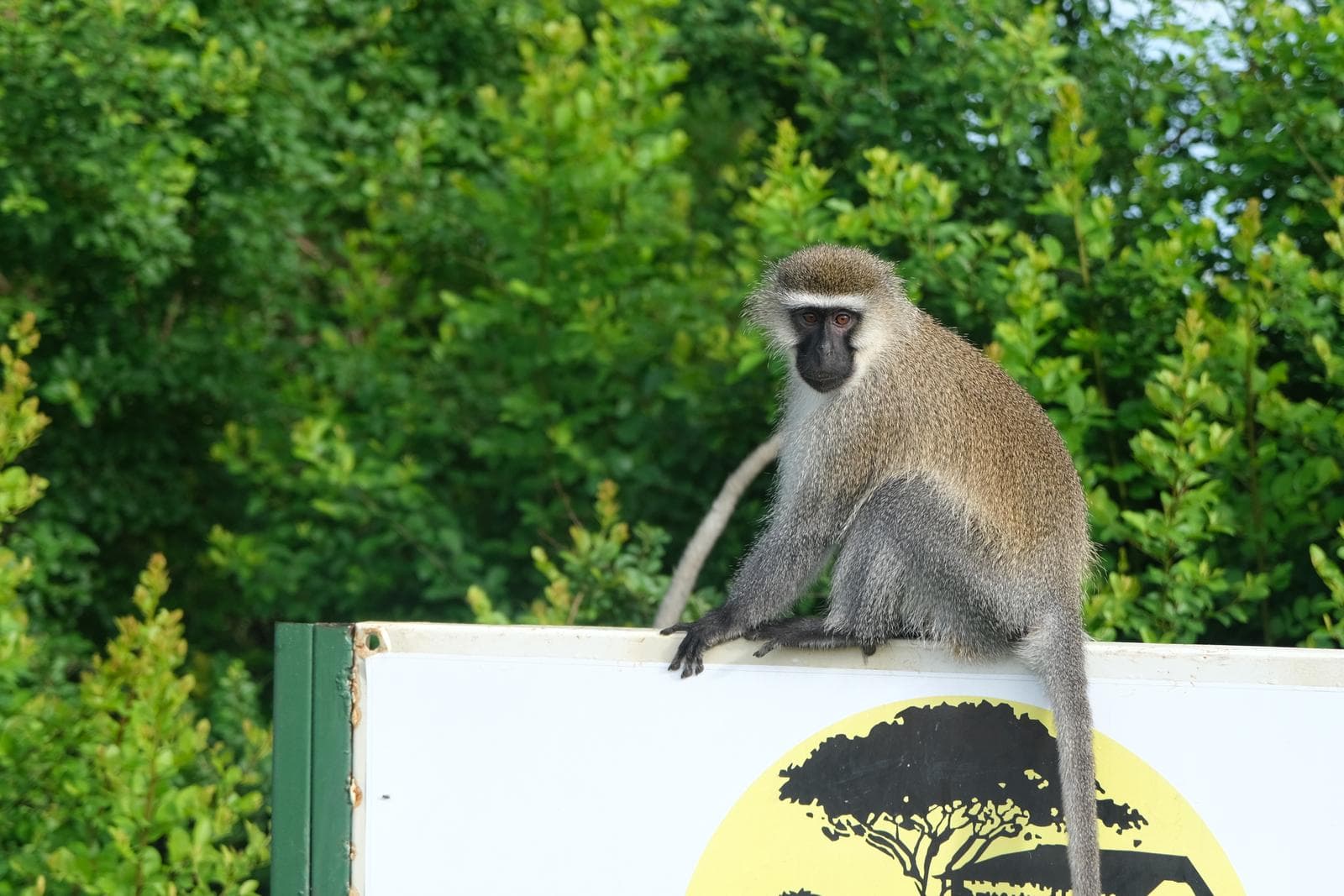
The Vavet Monkey
Learn about the vervet monkey, its behavior, habitat, and where to see it in East Africa on unforgettable wildlife safaris.
View animal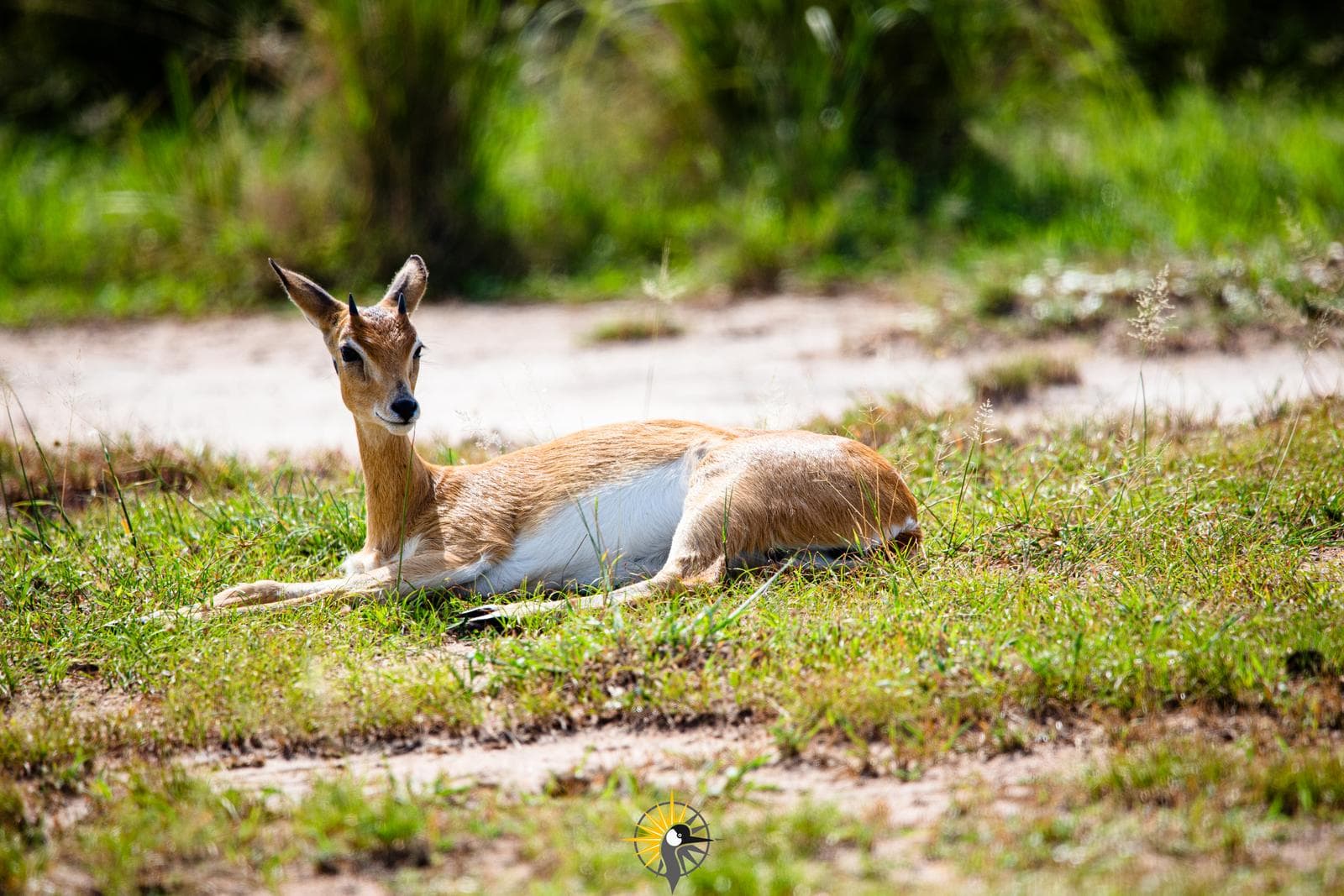
Oribi
Discover the Oribi, a small yet elegant antelope found in East Africa’s grasslands. Learn about its behavior, habitat, and where to spot this elusive species on safari in Uganda, Kenya, and Tanzania.
View animalTop safaris
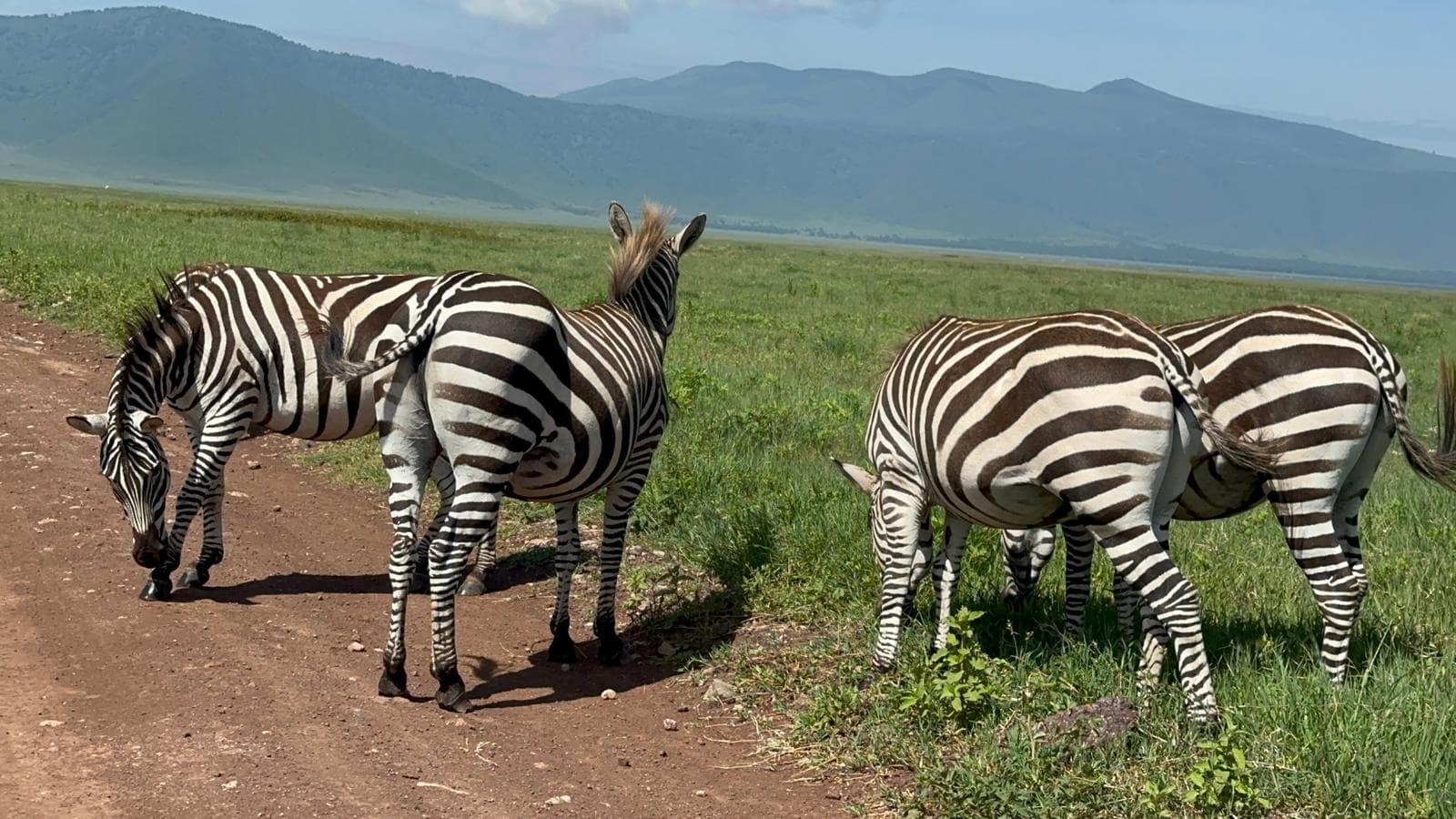
9 Days Gorilla tracking in Uganda, Tarangire, Ngorongoro, and Serengeti National Park in Tanzania
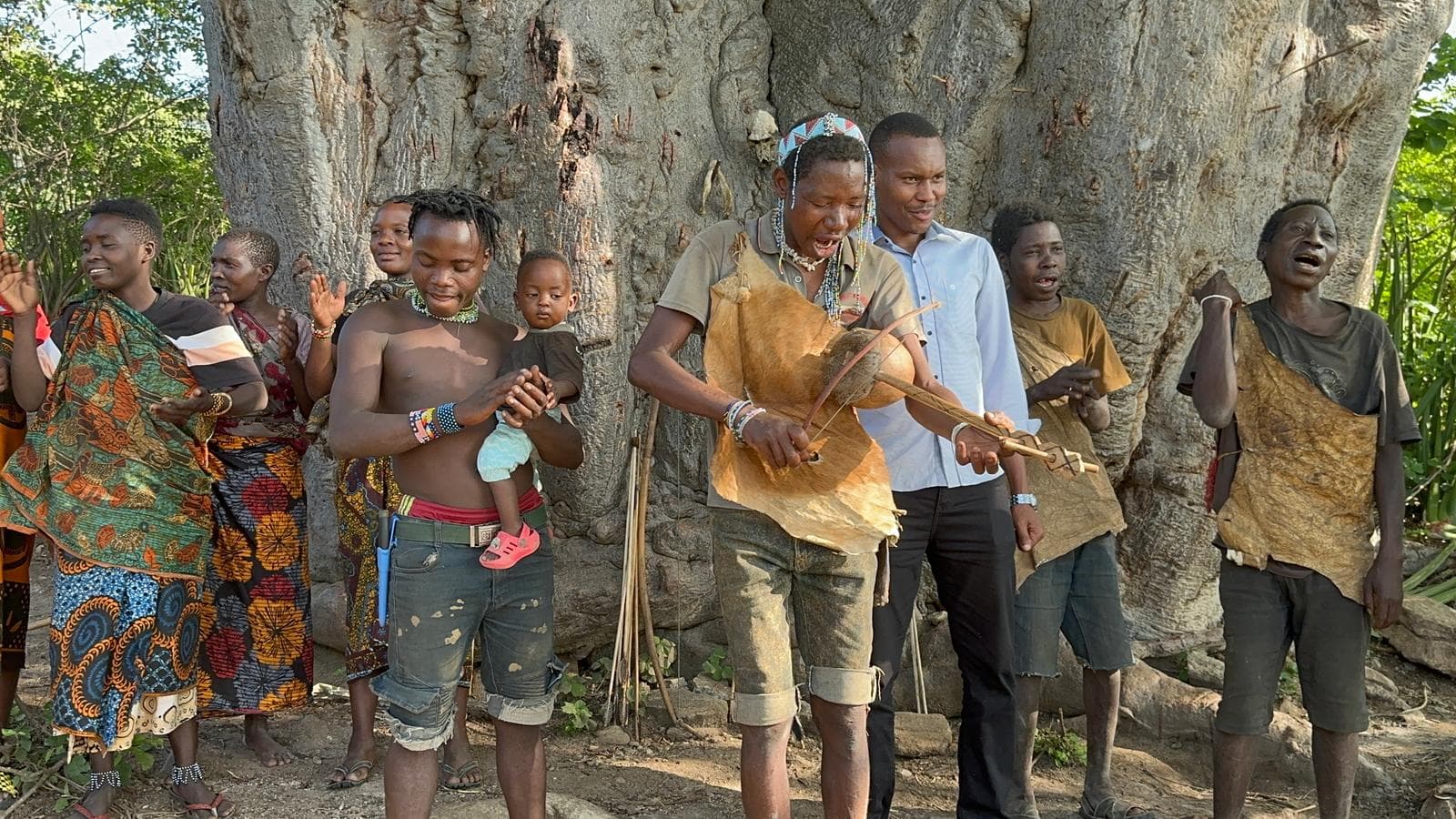
3 Days Hadzabe, Masai and Ngorongoro Crater Safari, Tanzania
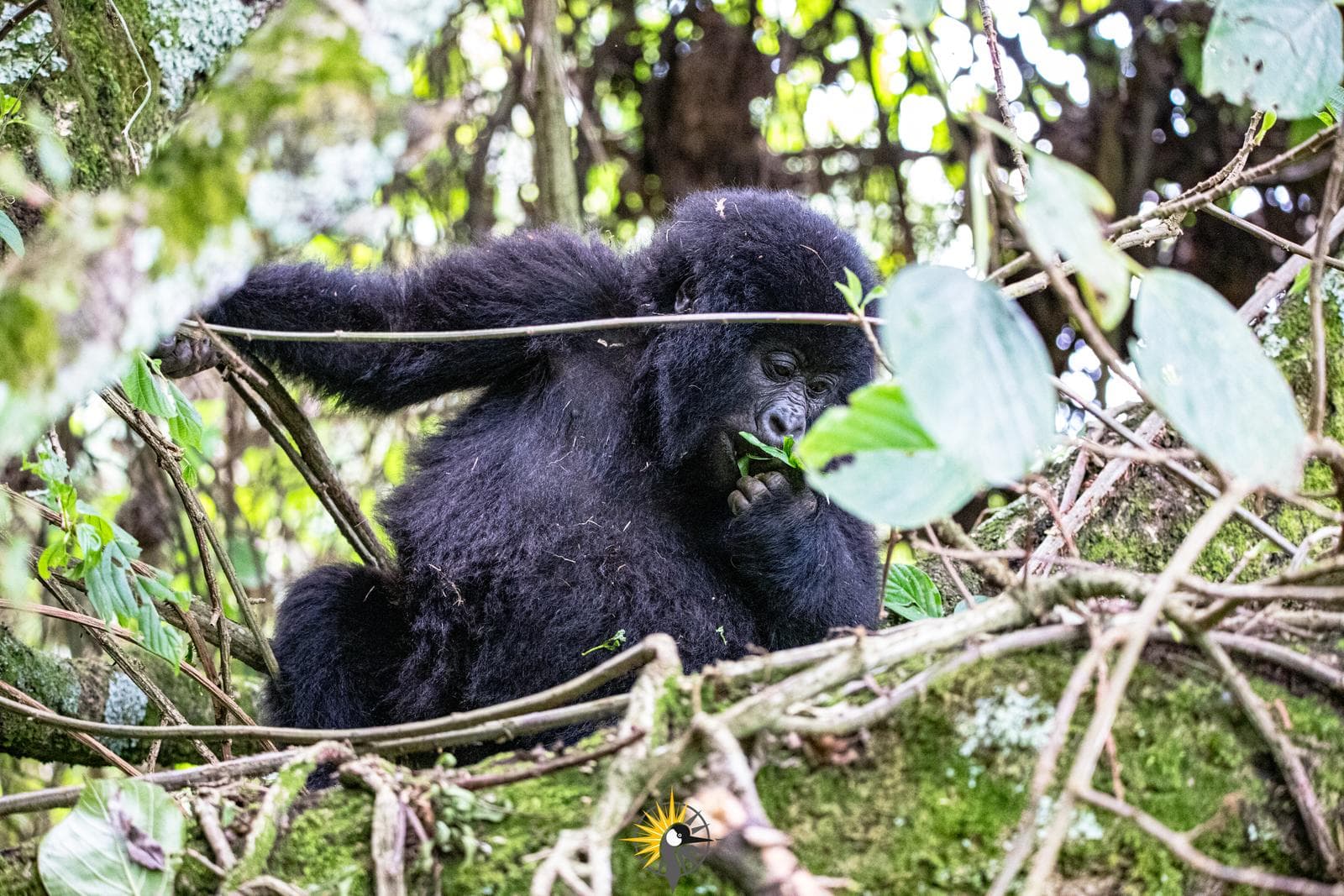
21 Days Epic East Africa safari, gorilla trekking in Bwindi, Big Five safaris and Zanzibar Beach escape
News and Updates
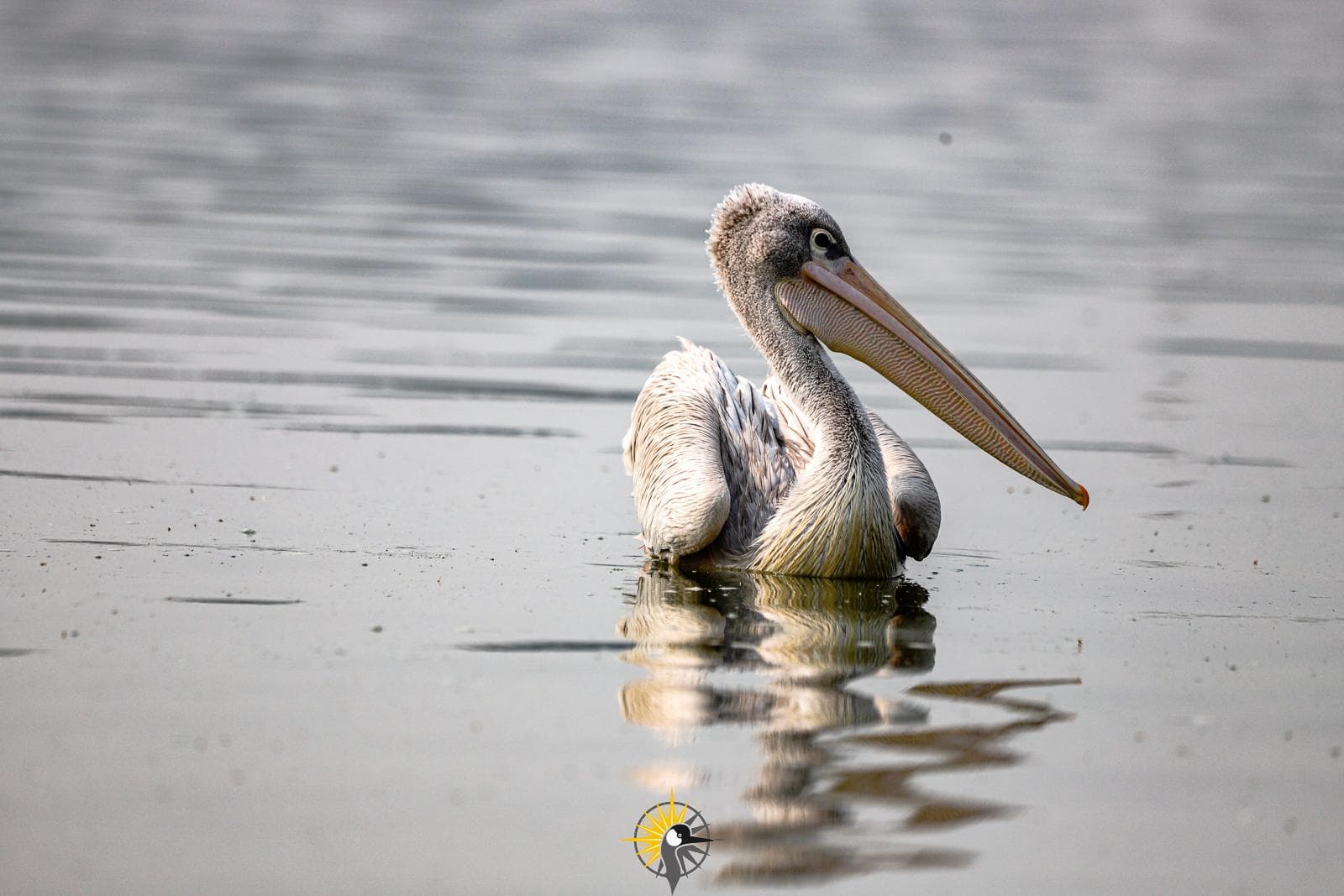
Birding in Queen Elizabeth National Park, A 7-Day Adventure with Musana Tours & Travel
Discover birding in Queen Elizabeth National Park on a 7-day guided safari. Spot shoebills, pelicans & raptors with Musana Tours & Travel.
Read more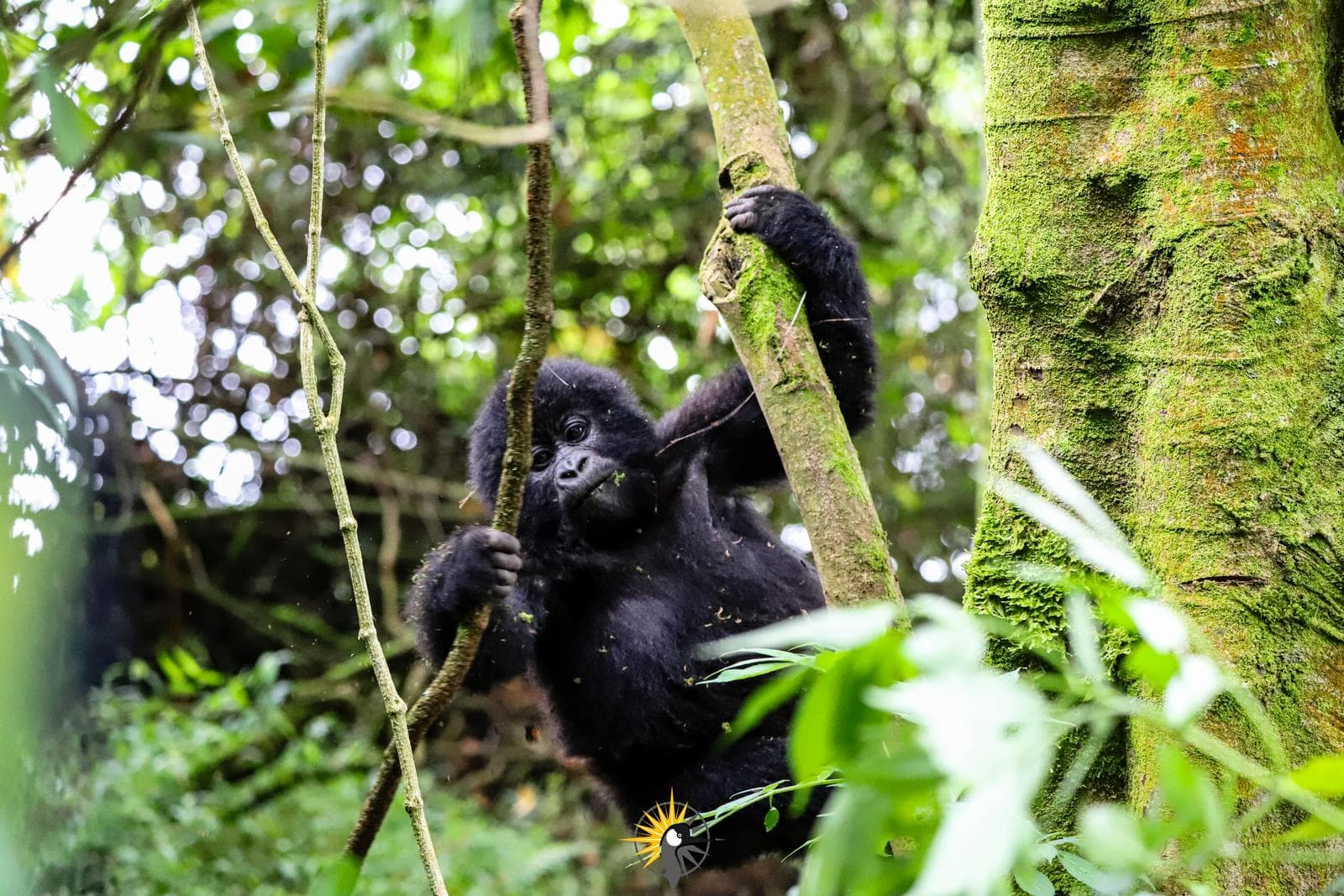
Gorilla trekking vs chimpanzee tracking, which should you choose?
Gorilla trekking vs chimpanzee tracking in Uganda—compare experiences, costs, and best parks to choose the perfect primate safari adventure.
Read more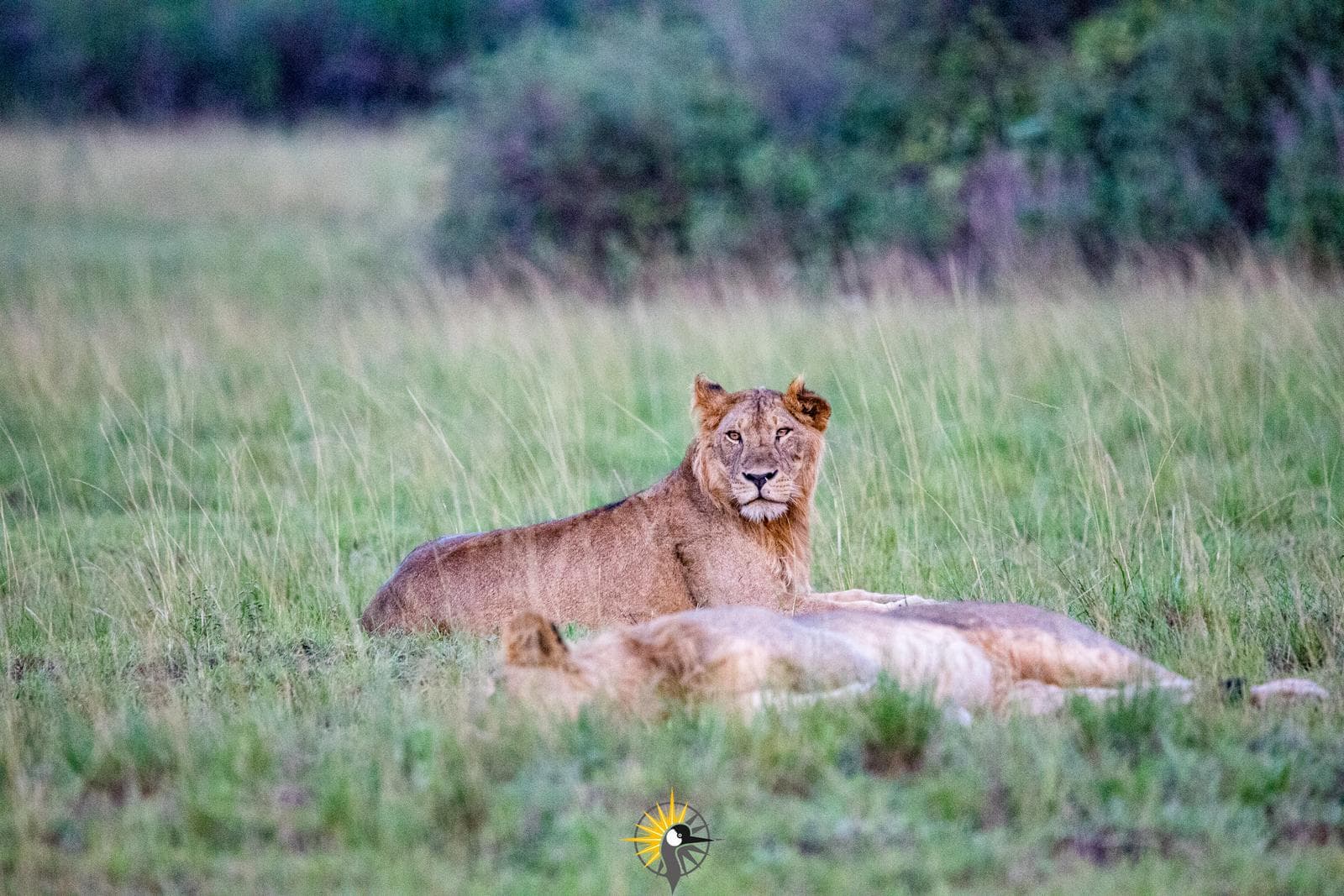
Best time to visit Uganda for wildlife
Discover the best time to visit Uganda for wildlife, from gorilla trekking to savannah safaris, with expert seasonal insights from Musana Tours & Travel.
Read more