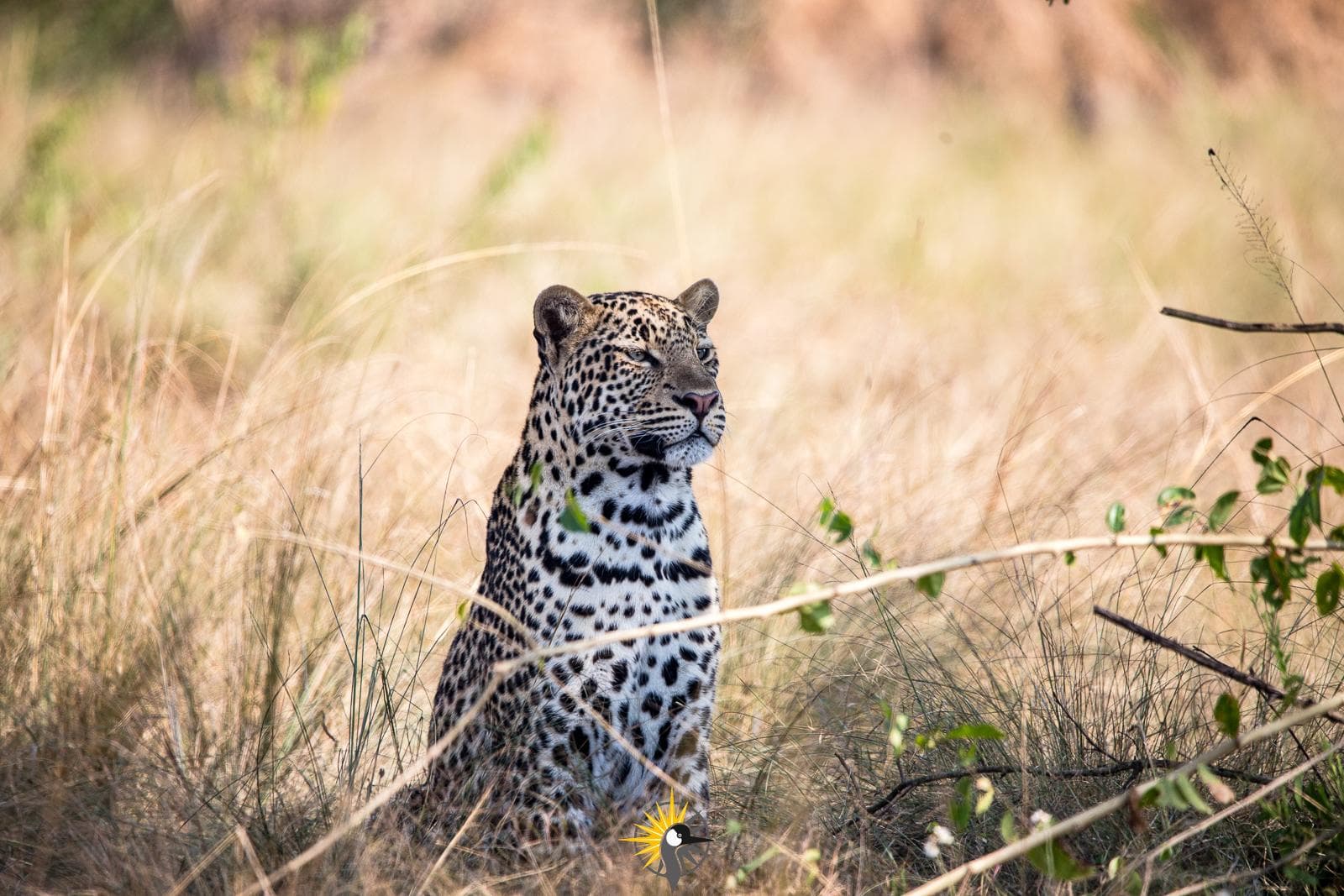
The Leopard
The Leopard (Panthera pardus) is one of Africa’s most adaptable and elusive big cats. Known for its stealth, strength, and beautiful rosette-patterned coat, the leopard is a master of camouflage and one of the most sought-after sightings on safari. Unlike lions, which live in prides, leopards are solitary hunters that thrive across a wide range of habitats in East Africa.
Physical Description
Leopards are medium-sized big cats with a muscular, agile build. Adults typically weigh between 30 and 90 kilograms, with males being larger than females. Their golden-yellow coat is covered in dark rosettes, which provide excellent camouflage in grasslands, forests, and rocky terrain.
They have powerful jaws and strong limbs, allowing them to drag prey sometimes heavier than themselves into trees. Their long tail helps with balance when climbing and maneuvering through branches. Leopards are also strong swimmers and highly adaptable to different environments.
Habitat and Distribution
Leopards are among the most widely distributed big cats in Africa due to their adaptability. They inhabit savannahs, forests, mountains, wetlands, and even semi-arid regions.
In Uganda, leopards can be found in Queen Elizabeth National Park, Murchison Falls National Park, Kidepo Valley National Park, and Lake Mburo National Park.
In Kenya, they are present in the Maasai Mara National Reserve, Amboseli National Park, Tsavo East National Park, and Samburu National Reserve.
In Tanzania, leopards are commonly seen in Serengeti National Park, Tarangire National Park, and the Ngorongoro Conservation Area.
In Rwanda, they occur in Akagera National Park and are occasionally recorded in forested areas like Nyungwe Forest National Park, though sightings there are rare.
Behavior and Social Structure
Leopards are solitary and territorial animals. Each individual occupies a defined territory, which they mark using scent, scratches on trees, and vocalizations. Males typically have larger territories that may overlap with those of several females.
They are primarily nocturnal, being most active at night, though they may also hunt in the early morning and late evening. During the day, leopards often rest in trees or dense vegetation to avoid heat and detection.
Hunting and Diet
Leopards are opportunistic carnivores with one of the most varied diets among big cats. They hunt a wide range of prey, including:
- Antelopes (such as impalas and gazelles)
- Monkeys and small mammals
- Birds and reptiles
Their hunting strategy relies on stealth and surprise. Leopards stalk their prey quietly before launching a powerful ambush. One of their most unique behaviors is dragging kills into trees, protecting them from scavengers like hyenas and lions.
Reproduction
Leopards breed throughout the year. After a gestation period of about 3 months, females give birth to 2–3 cubs, usually in a hidden den such as a thick bush or rocky crevices.
Cubs remain with their mother for up to 18–24 months, learning essential survival skills such as hunting and territory awareness. Mortality rates for cubs can be high due to predation and competition.
Conservation Status
The leopard is currently classified as Vulnerable, with populations declining in parts of Africa due to:
- Habitat loss and fragmentation
- Human-wildlife conflict
- Poaching for skins and body parts
Despite these threats, leopards remain relatively widespread among big cats, largely due to their adaptability. Conservation efforts focus on habitat protection and reducing conflict with humans.
Ecological Role
Leopards are important apex predators that help regulate prey populations and maintain ecological balance. By controlling herbivore numbers, they contribute to the health of vegetation and overall ecosystem stability.
Their presence indicates a healthy ecosystem with sufficient prey and habitat cover.
Observing Leopards on Safari
Leopards are notoriously elusive, making sightings a special highlight on safari. Some of the best places to see them include:
- Queen Elizabeth National Park (notably the Ishasha sector)
- Serengeti National Park (especially Seronera region)
- Maasai Mara National Reserve
- Lake Mburo National Park (night game drives)
Early morning, late evening, and night drives offer the best chances of spotting leopards, often resting in trees or moving silently through the grass.
Conclusion
The leopard is one of East Africa’s most fascinating predators, combining beauty, strength, and intelligence. From Uganda’s savannahs to the plains of Kenya and Tanzania and the wild landscapes of Rwanda, leopards embody the mystery of the African wilderness. Protecting their habitats ensures that future generations can continue to experience the thrill of encountering this elusive big cat.
Related Animals
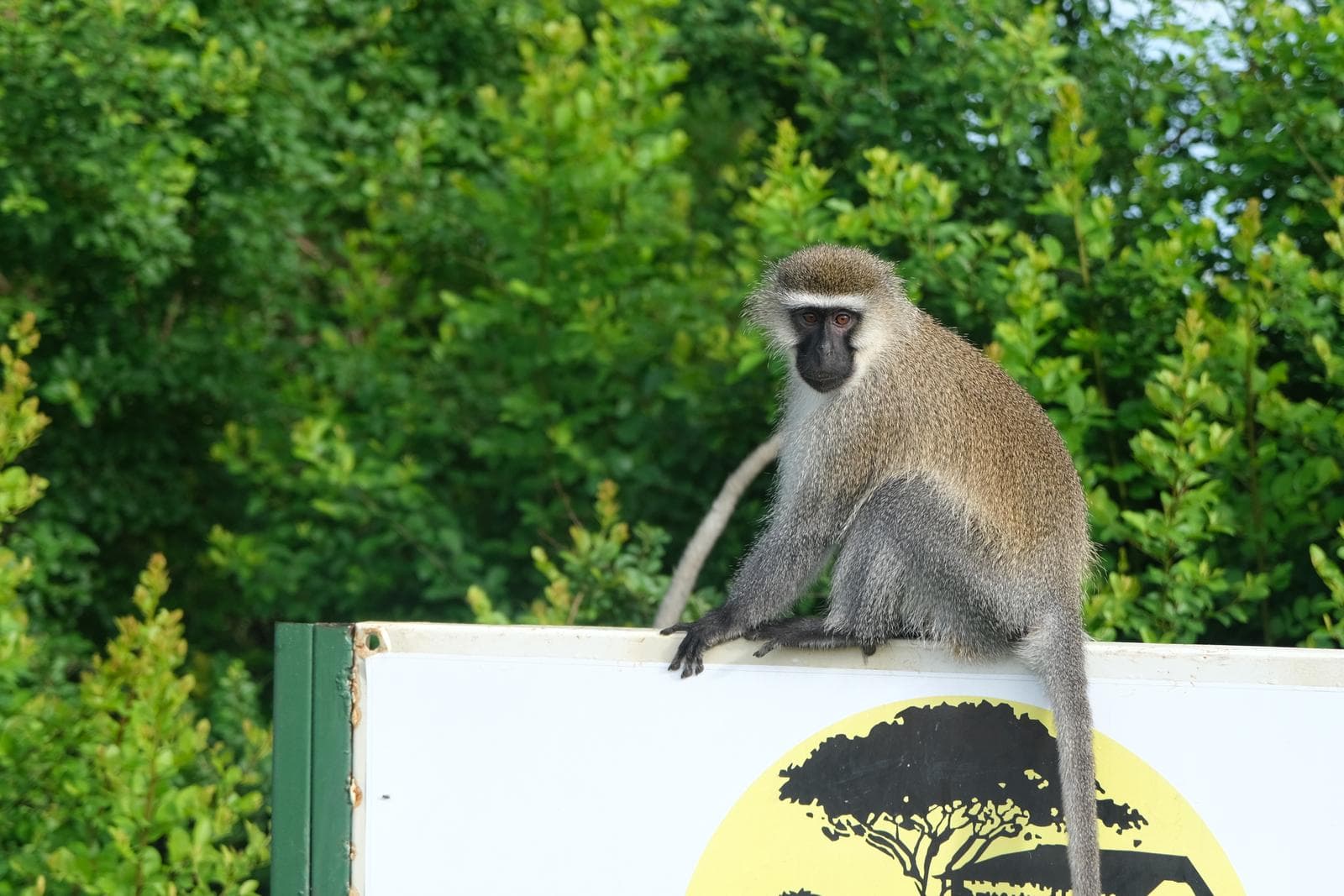
The Vavet Monkey
Learn about the vervet monkey, its behavior, habitat, and where to see it in East Africa on unforgettable wildlife safaris.
View animal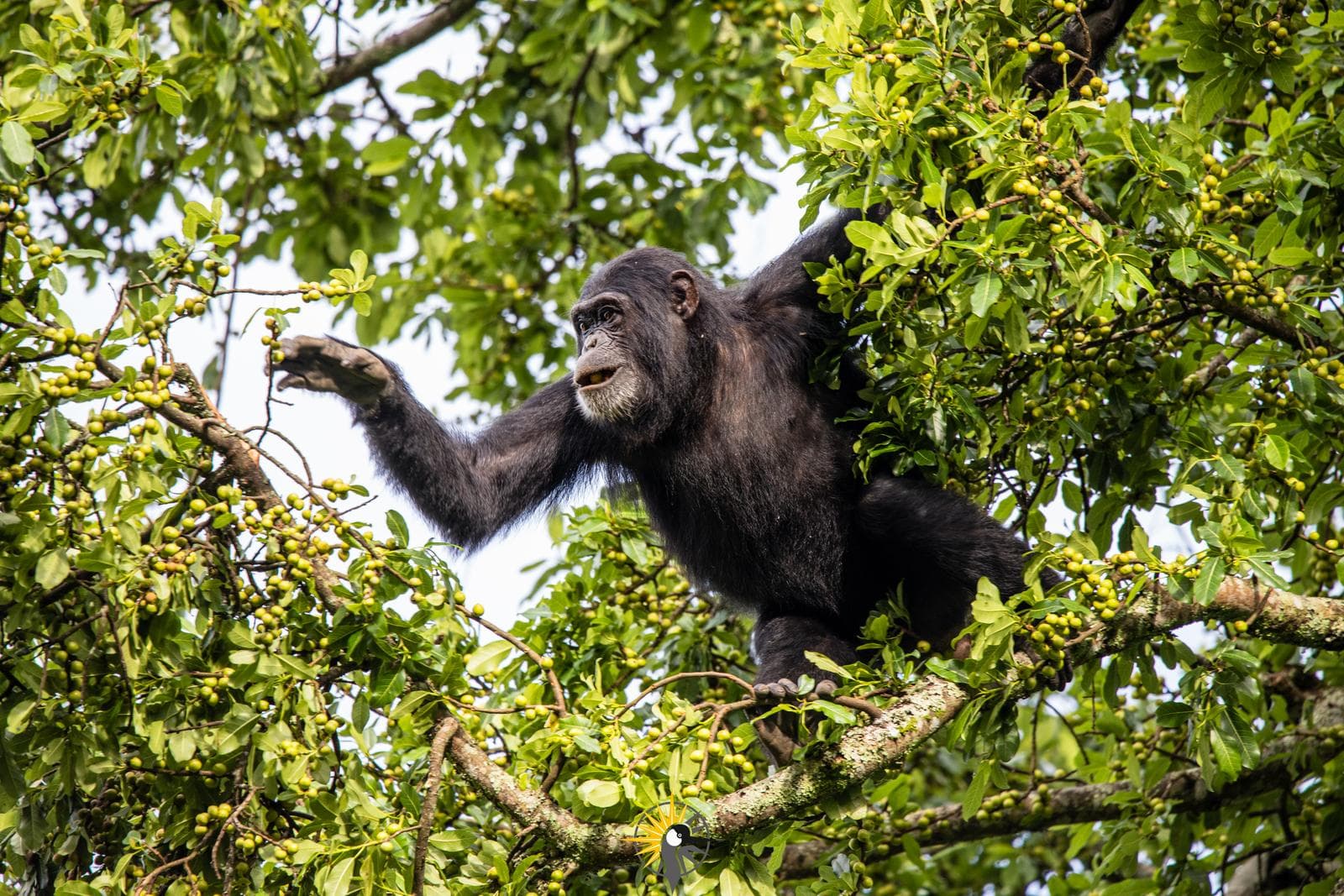
Chimpanzee
Discover chimpanzees in East Africa, from Kibale Forest to Nyungwe, and explore their intelligence, behavior, trekking experiences, and conservation.
View animal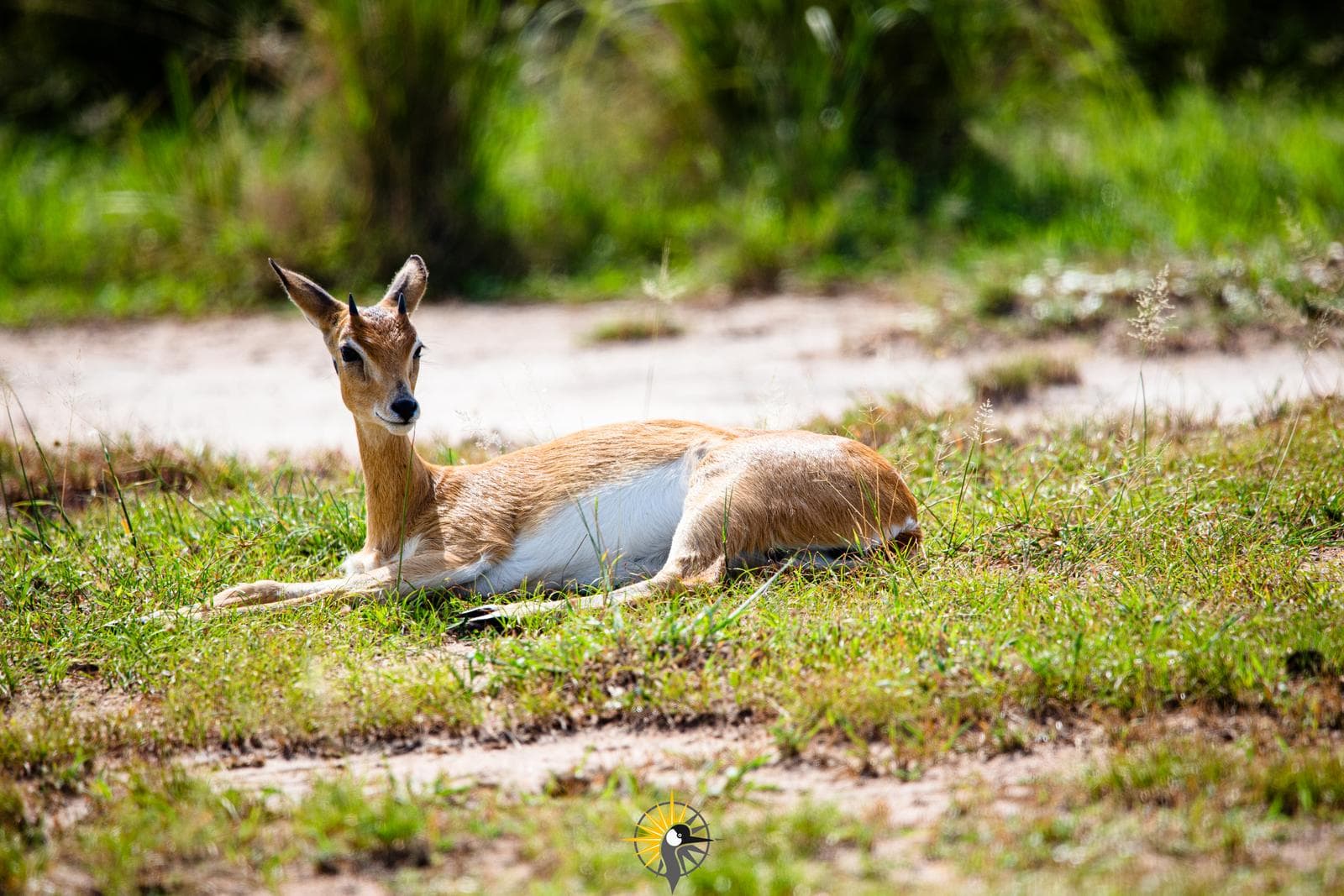
Oribi
Discover the Oribi, a small yet elegant antelope found in East Africa’s grasslands. Learn about its behavior, habitat, and where to spot this elusive species on safari in Uganda, Kenya, and Tanzania.
View animalTop safaris
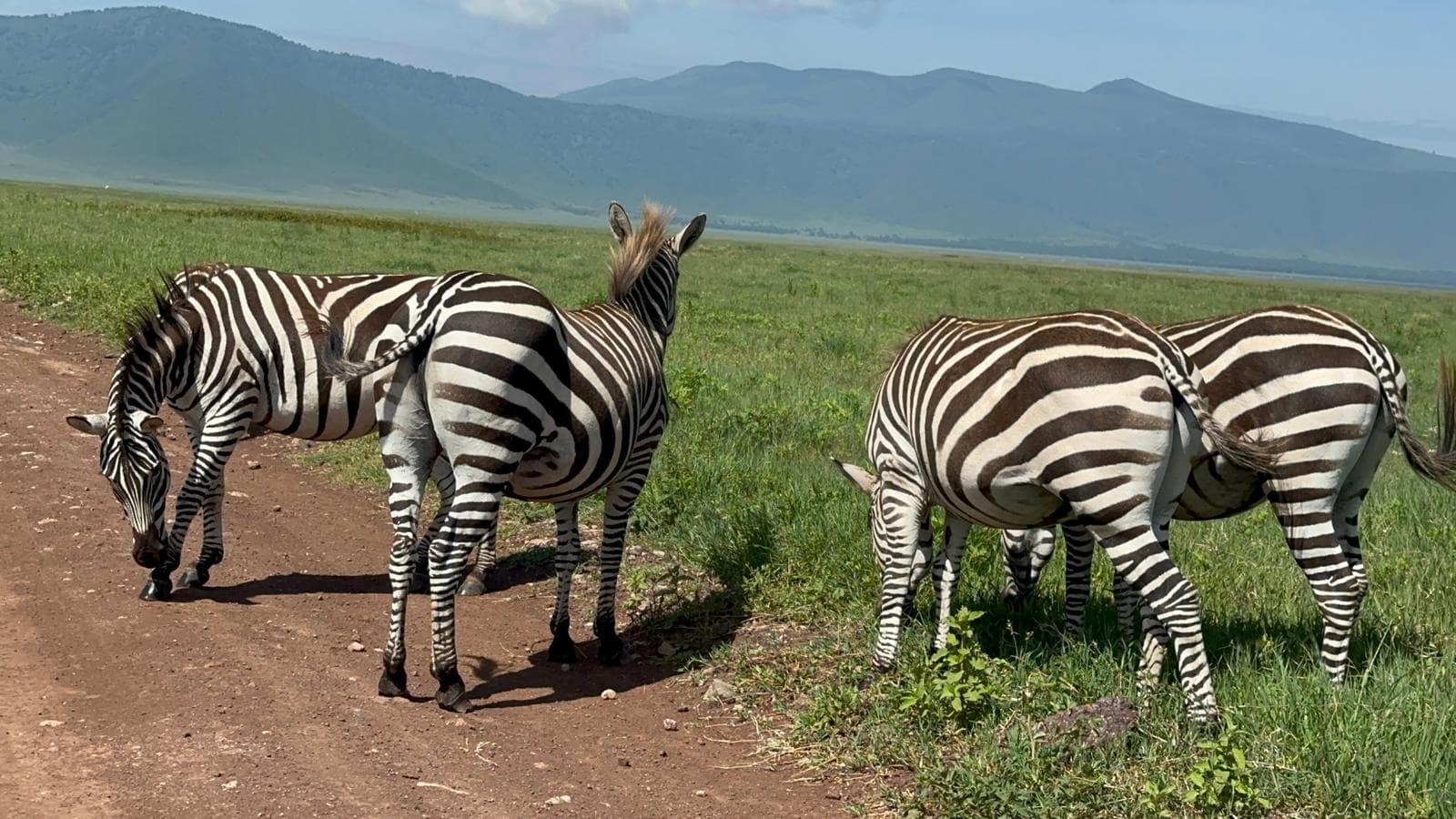
9 Days Gorilla tracking in Uganda, Tarangire, Ngorongoro, and Serengeti National Park in Tanzania
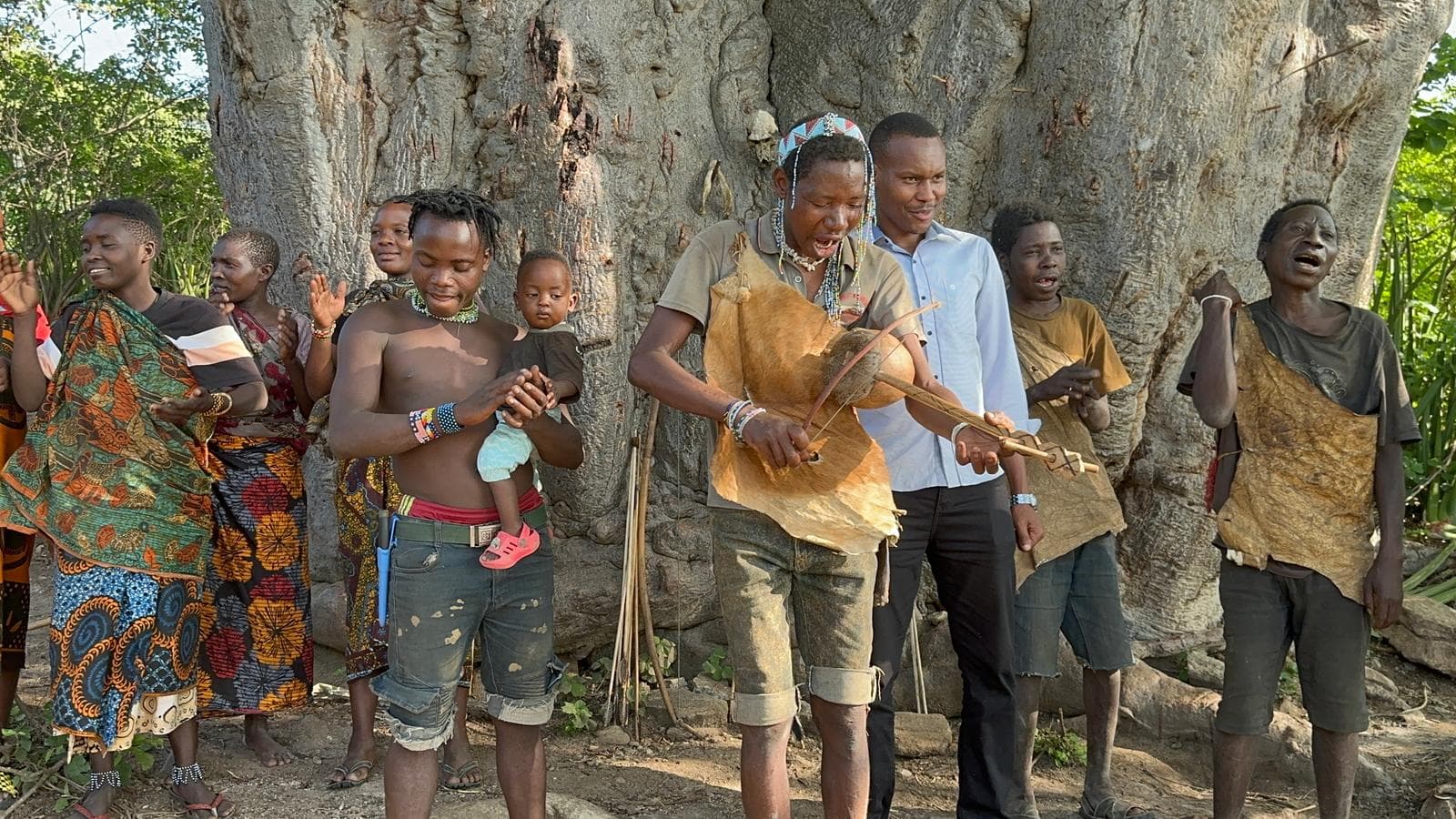
3 Days Hadzabe, Masai and Ngorongoro Crater Safari, Tanzania
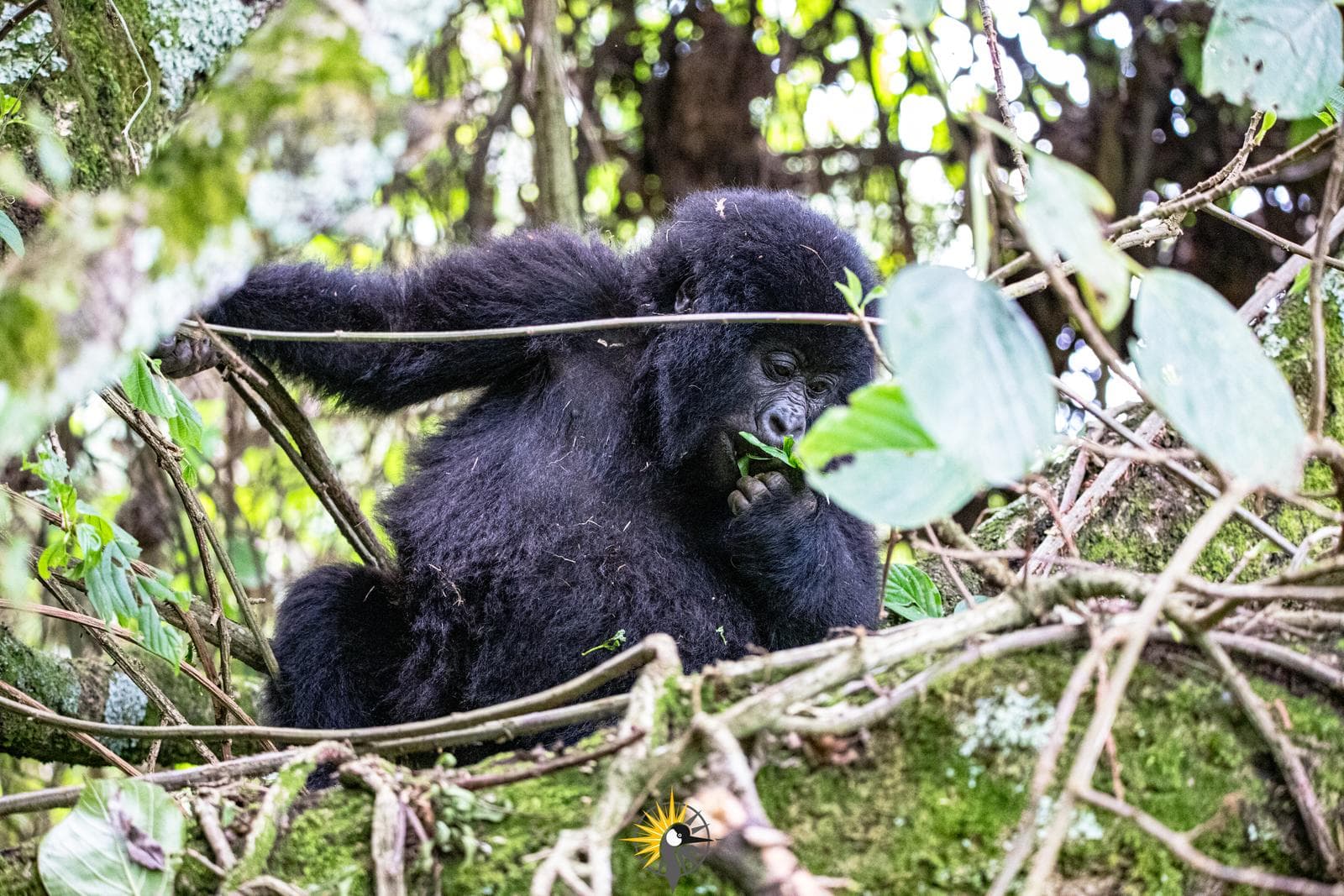
21 Days Epic East Africa safari, gorilla trekking in Bwindi, Big Five safaris and Zanzibar Beach escape
News and Updates
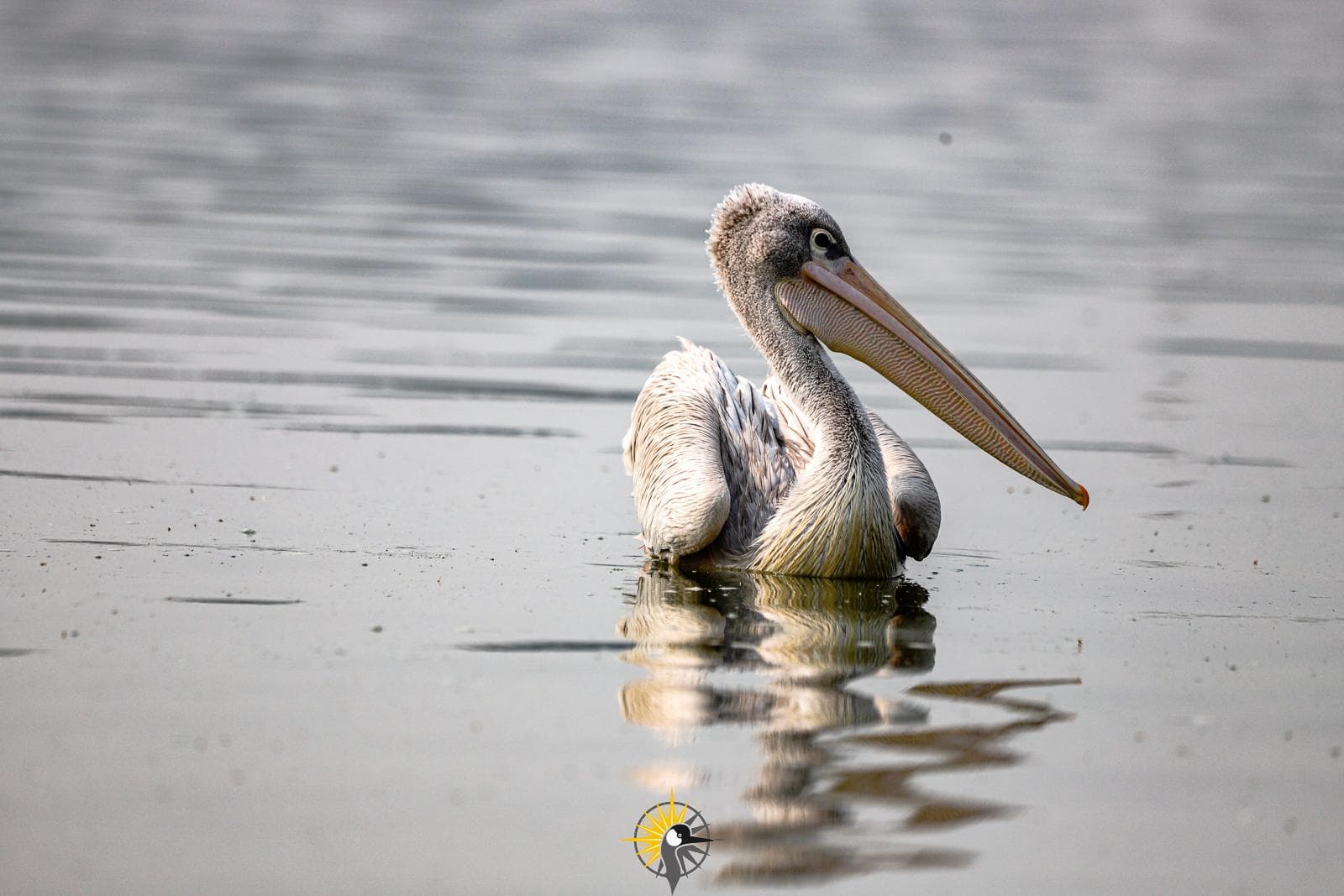
Birding in Queen Elizabeth National Park, A 7-Day Adventure with Musana Tours & Travel
Discover birding in Queen Elizabeth National Park on a 7-day guided safari. Spot shoebills, pelicans & raptors with Musana Tours & Travel.
Read more
Gorilla trekking vs chimpanzee tracking, which should you choose?
Gorilla trekking vs chimpanzee tracking in Uganda—compare experiences, costs, and best parks to choose the perfect primate safari adventure.
Read more
Best time to visit Uganda for wildlife
Discover the best time to visit Uganda for wildlife, from gorilla trekking to savannah safaris, with expert seasonal insights from Musana Tours & Travel.
Read more