Serengeti National Park
The Serengeti National Park is one of Africa’s most iconic safari destinations, renowned for its endless plains, rich wildlife, and the world-famous Great Migration. This in-depth guide explores every aspect of the Serengeti—from wildlife and travel planning to luxury experiences—so you can plan a safari that delivers both adventure and value.
Where is Serengeti National Park Located?
Serengeti National Park is situated in northern Tanzania, forming part of a vast transboundary ecosystem that extends into Kenya and connects directly with the Maasai Mara National Reserve. This ecosystem allows wildlife to move freely across borders, enabling large-scale natural phenomena like the Great Migration.
The park covers approximately 14,750 square kilometers and is characterized by diverse landscapes, including open grasslands, savannahs, riverine forests, and granite outcrops known as kopjes. These varied habitats support a wide range of wildlife and create ideal conditions for year-round safari experiences.
Why Serengeti National Park is Africa’s Top Safari Destination
UNESCO World Heritage Status
The Serengeti has been designated a UNESCO World Heritage Site for its ecological importance and its intact natural systems. It represents one of the last remaining ecosystems where large mammal migrations still occur on a massive scale, largely unchanged for thousands of years.
Unmatched Wildlife Density
Few places in the world can rival the Serengeti’s concentration of wildlife. Visitors often encounter animals within minutes of entering the park, making it one of the most rewarding safari destinations for sightings.
The Great Migration
The annual migration of millions of animals across the Serengeti ecosystem is a spectacle unmatched anywhere on Earth. This natural event alone draws thousands of visitors each year.
Diverse Safari Experiences
The Serengeti caters to all types of travelers, offering everything from budget camping safaris to ultra-luxury lodges with world-class amenities. This flexibility makes it accessible while still appealing to high-end travelers.
Serengeti Wildlife: What You Can Expect
The Big Five
The Serengeti is one of the best places in Africa to see the Big Five—lion, elephant, leopard, buffalo, and rhino. Lions are particularly abundant, often seen lounging in the shade or hunting in coordinated groups. Leopards, though elusive, can be spotted in trees along riverbanks, while elephants and buffalo roam in large herds. Rhinos are rare but present in protected zones.
Predators
Predator activity in the Serengeti is exceptionally high. Lions dominate the plains, while cheetahs thrive in open areas where they can use their speed to hunt. Hyenas are highly adaptable and often compete with lions for food. Leopards, being solitary, prefer wooded areas and are best spotted on early-morning or late-afternoon drives.
Herbivores
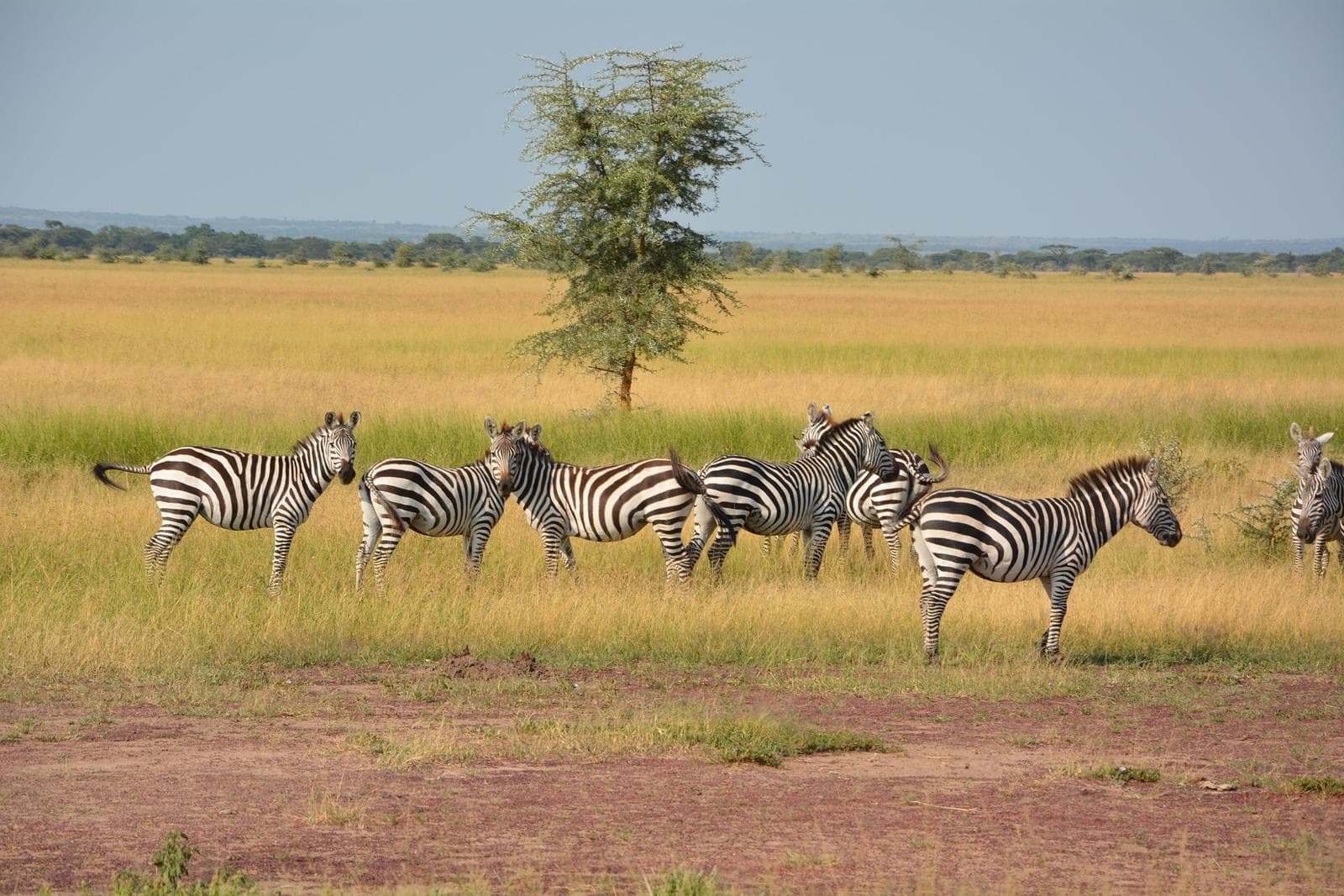
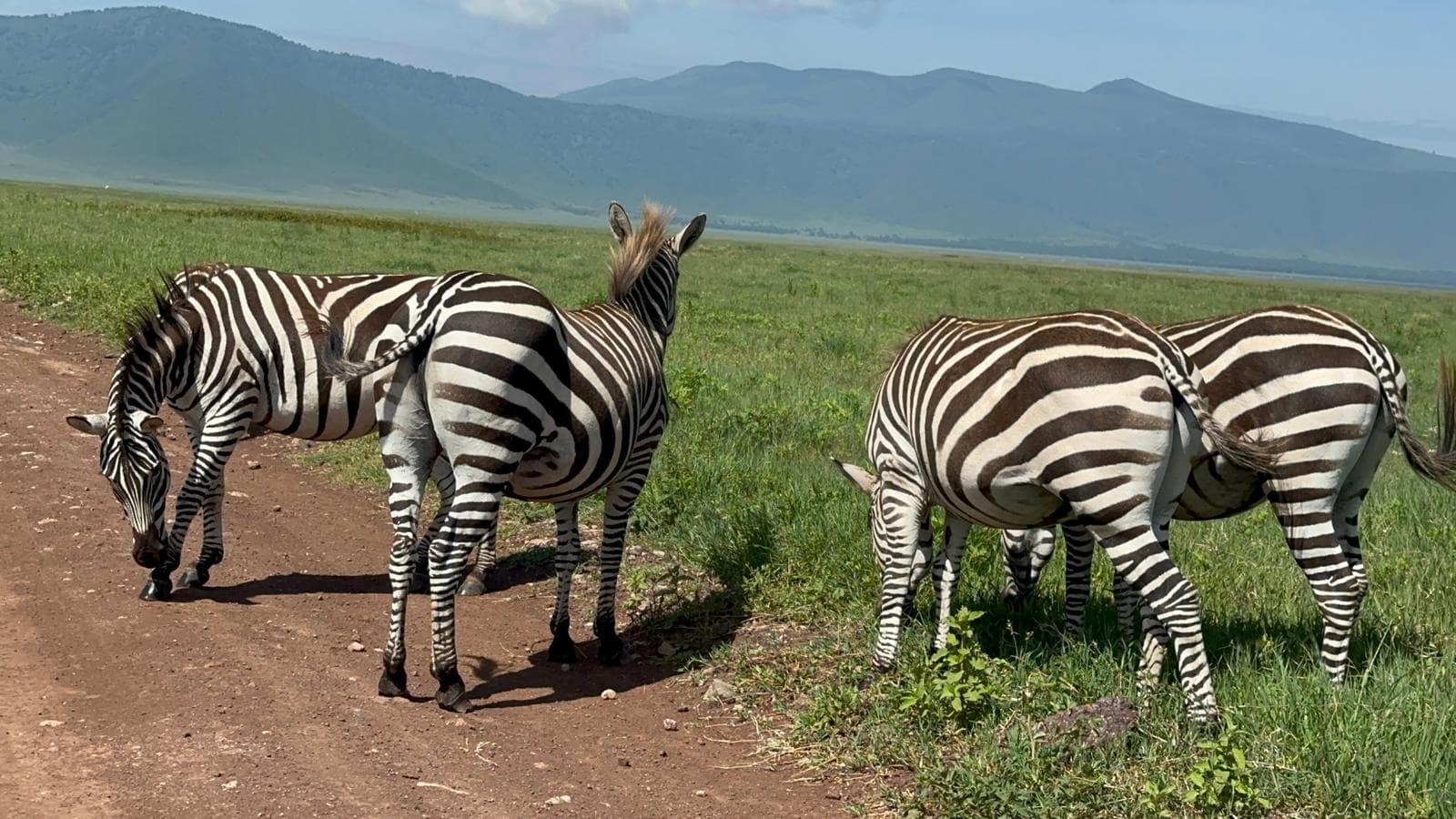
The Serengeti supports vast populations of grazing animals, including wildebeest, zebras, gazelles, and giraffes. These herbivores form the backbone of the ecosystem and play a crucial role in sustaining predator populations.
Birdlife
With over 500 bird species recorded, the Serengeti is also a prime destination for birdwatching. From large flightless ostriches to powerful birds of prey like eagles and vultures, the diversity is remarkable, especially during the wet season when migratory birds arrive.
The Great Migration Explained (Serengeti’s Biggest Attraction)
What is the Great Migration?
The Great Migration is a continuous, year-round movement of over 1.5 million wildebeest, accompanied by hundreds of thousands of zebras and gazelles. These animals travel in a circular route across the Serengeti and into the Maasai Mara in search of fresh grazing and water.
Why the Migration Happens
The migration is driven by rainfall patterns. As rain falls across different parts of the ecosystem, new grass grows, attracting herbivores. This constant search for food and water dictates the movement of the herds.
Serengeti Migration Timeline (Month-by-Month)
January to March: Calving Season
During this period, the southern Serengeti becomes the center of activity, with thousands of wildebeest calves born each day. This attracts predators, making it one of the most dramatic times to visit.
April to June: Movement North
As the rains end, the herds begin moving northward in long columns. This phase is characterized by large تجمعات of animals on the move, offering incredible viewing opportunities.
July to October: River Crossings
In northern Serengeti, herds face the challenge of crossing crocodile-infested rivers. These crossings are among the most iconic wildlife scenes in the world, filled with tension and unpredictability.
November to December: Return South
With the return of rains in the south, the herds begin their journey back, completing the migration cycle.
Best Places to See the Migration
Southern Serengeti
Best for witnessing calving season and predator-prey interactions.
Western Corridor
Known for dramatic crossings of the Grumeti River.
Northern Serengeti
The prime location for Mara River crossings during peak migration months.
Best Time to Visit Serengeti National Park
Dry Season (June to October)
This is the most popular time to visit, as wildlife is most visible. Vegetation is sparse, and animals gather around water sources, making them easier to spot.
Wet Season (November to May)
The landscape becomes lush and green, offering stunning scenery and fewer tourists. This is also the best time for birdwatching and calving season.
Best Time for the Great Migration
River crossings are best seen from July to October, while calving occurs between January and March.
Best Time for Luxury Travel
Traveling during shoulder seasons allows you to enjoy premium experiences at relatively lower costs, with fewer crowds.
Top Things to Do in Serengeti National Park
Game Drives
Game drives are the foundation of any Serengeti safari. Early morning drives offer the best chance to see predators, while afternoon drives provide excellent opportunities to observe general wildlife activity. Full-day drives maximize your chances of exploring different regions of the park.
Hot Air Balloon Safaris
This premium experience offers a unique perspective of the Serengeti. Floating above the plains at sunrise, you can observe wildlife from above, followed by a luxury breakfast in the bush.
Cultural Experiences
Visiting local Maasai communities provides insight into traditional lifestyles and cultural practices, adding depth to your safari experience.
Luxury Serengeti Safari Experience
What Defines a Luxury Safari
A luxury safari includes personalized services such as private guides, exclusive accommodations, and tailored itineraries. Attention to detail and comfort are prioritized at every stage.
Private Guides and Vehicles
Having a private guide allows for a customized experience, including flexible schedules and focused wildlife tracking.
Exclusive Lodges and Camps
Luxury lodges offer spacious suites, gourmet dining, and stunning wilderness views, often with wildlife visible right from your room.
Top Luxury Safari Experiences
Balloon Safari with Champagne Breakfast
This combines adventure with elegance, offering panoramic views followed by a high-end dining experience.
Private Bush Dinners
Dining under the stars in the middle of the Serengeti creates a memorable and intimate experience.
Guided Walking Safaris
Exploring the Serengeti on foot allows for a deeper understanding of the ecosystem, guided by experienced professionals.
Serengeti Safari Costs (Budget to Luxury)
Budget Safaris
Budget options typically include basic camping or simple lodges. While affordable, they still provide access to the same wildlife experiences.
Mid-range Safaris
These offer a balance between comfort and cost, with quality lodges and well-organized itineraries.
Luxury Safaris
Luxury safaris provide top-tier accommodations, private services, and exclusive experiences, often tailored to individual preferences.
What Affects Safari Costs
Factors such as season, accommodation type, transportation method, and group size all influence the overall cost of a safari.
Where to Stay in Serengeti National Park
Luxury Lodges and Camps
These offer high-end amenities, prime locations, and exceptional service, often situated in areas with high wildlife activity.
Mid-range Options
Comfortable, well-equipped lodges that offer good value while maintaining quality service.
Budget Campsites
Ideal for adventurous travelers, offering a more immersive experience in nature.
How to Get to Serengeti National Park
Flights from Arusha
Flying is the most convenient option, with several daily flights connecting Arusha to various airstrips within the Serengeti.
Road Transfers
Driving offers a scenic journey but requires more time, typically 6–8 hours.
Entry Gates
The park has multiple entry points, depending on your travel route and itinerary.
Serengeti Safari Travel Tips
Packing Essentials
Pack lightweight, neutral-colored clothing, along with essentials like sunscreen, hats, and binoculars for optimal comfort and viewing.
Health and Safety
Follow all safety guidelines, including staying inside vehicles during game drives and adhering to your guide’s instructions.
Booking Tips
Booking early, especially during peak season, ensures better availability and pricing. Choosing a reputable tour operator enhances your overall experience.
Why Book a Serengeti Safari with a Tour Operator
A professional tour operator simplifies the planning process, handling logistics, accommodations, and guiding services. They also provide valuable local expertise, ensuring you get the most out of your safari.
For travelers interested in multi-destination safaris, combining the Serengeti with other East African destinations can create a richer, more diverse travel experience.
Frequently Asked Questions About Serengeti National Park
Is Serengeti worth visiting?
Yes, it offers one of the most complete and immersive wildlife experiences available anywhere in the world.
How many days are enough?
A minimum of three days is recommended, though five to seven days allows for a more comprehensive experience.
Is it safe?
The Serengeti is safe when visited with licensed guides and proper precautions are followed.
What is the best safari package?
The best package depends on your interests, whether it’s the Great Migration, luxury travel, or a combination of destinations.
Final Thoughts
The Serengeti National Park remains one of the most extraordinary travel destinations on Earth. Its combination of vast landscapes, abundant wildlife, and unique experiences makes it ideal for both first-time visitors and seasoned travelers.
0 FAQs about Serengeti National Park
Have any inquiries?
Related safaris
9 Days Gorilla tracking in Uganda, Tarangire, Ngorongoro, and Serengeti National Park in Tanzania
3 Days Hadzabe, Masai and Ngorongoro Crater Safari, Tanzania
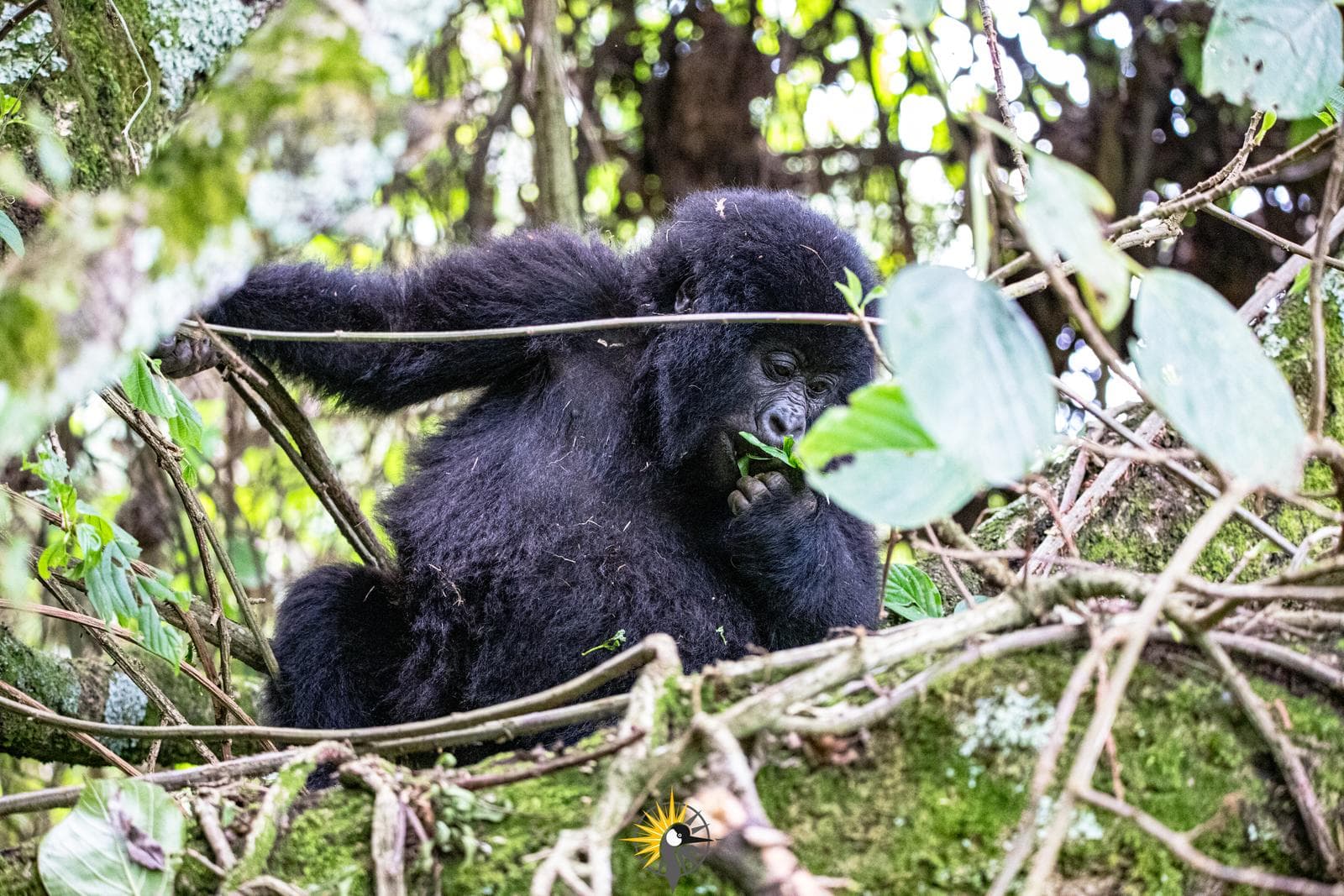
21 Days Epic East Africa safari, gorilla trekking in Bwindi, Big Five safaris and Zanzibar Beach escape
Related parks
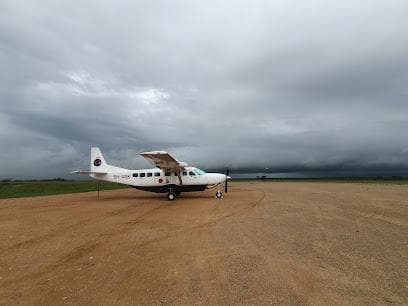
Seronera Airstrip
Seronera Airstrip offers fast access to central Serengeti, with year-round wildlife viewing and convenient fly-in safari connections in Tanzania.
View park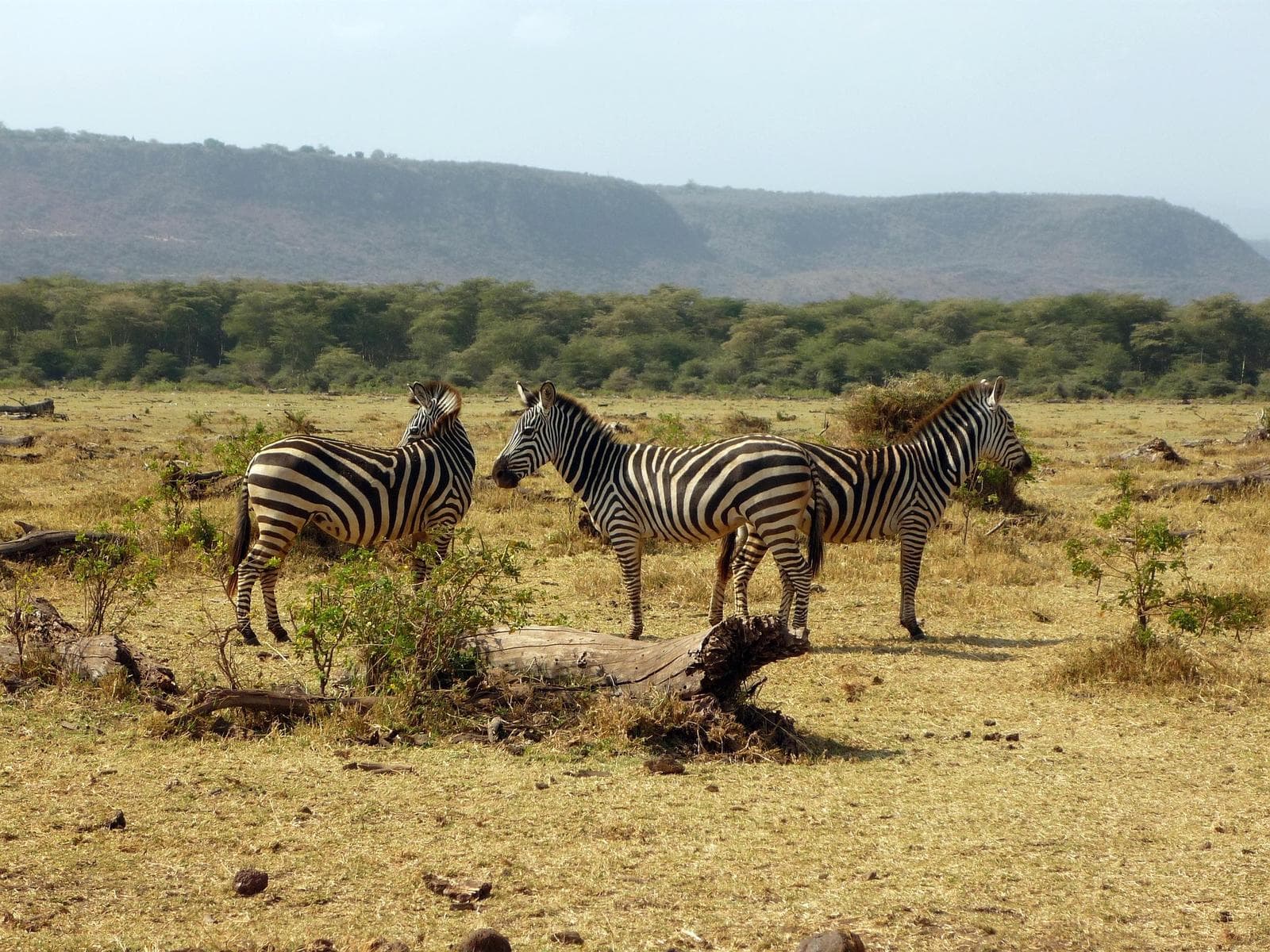
Lake Manyara National Park
Explore Lake Manyara National Park: tree-climbing lions, birdwatching, night safaris, and hot springs for an unforgettable Tanzania adventure.
View park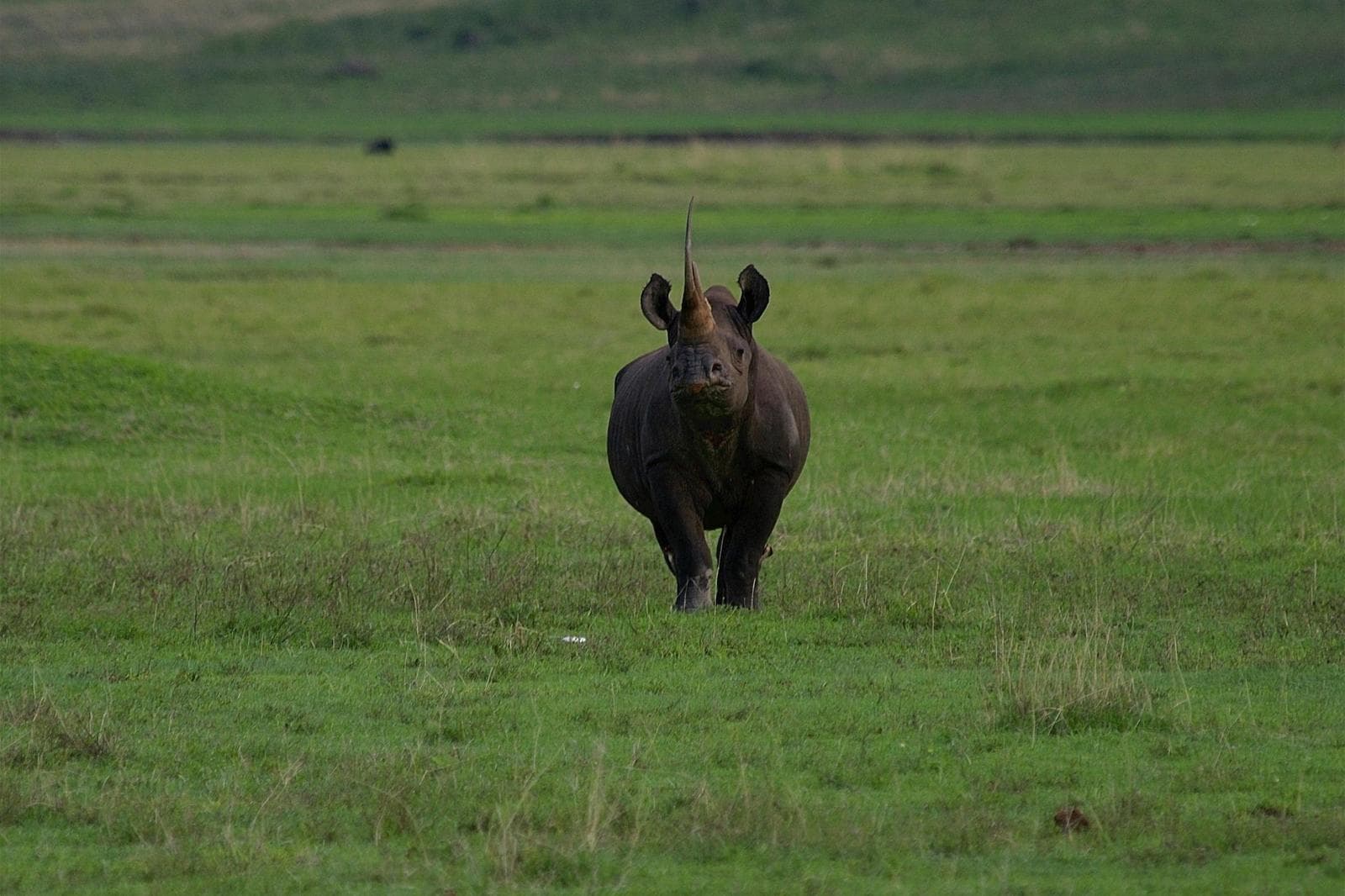
Ngorongoro Conservation Area
Discover Ngorongoro Conservation Area: safari wildlife, Maasai culture, Ol Duvai Gorge, and stunning lakes Ndutu & Masek with Musana Tours.
View parkNews and Updates
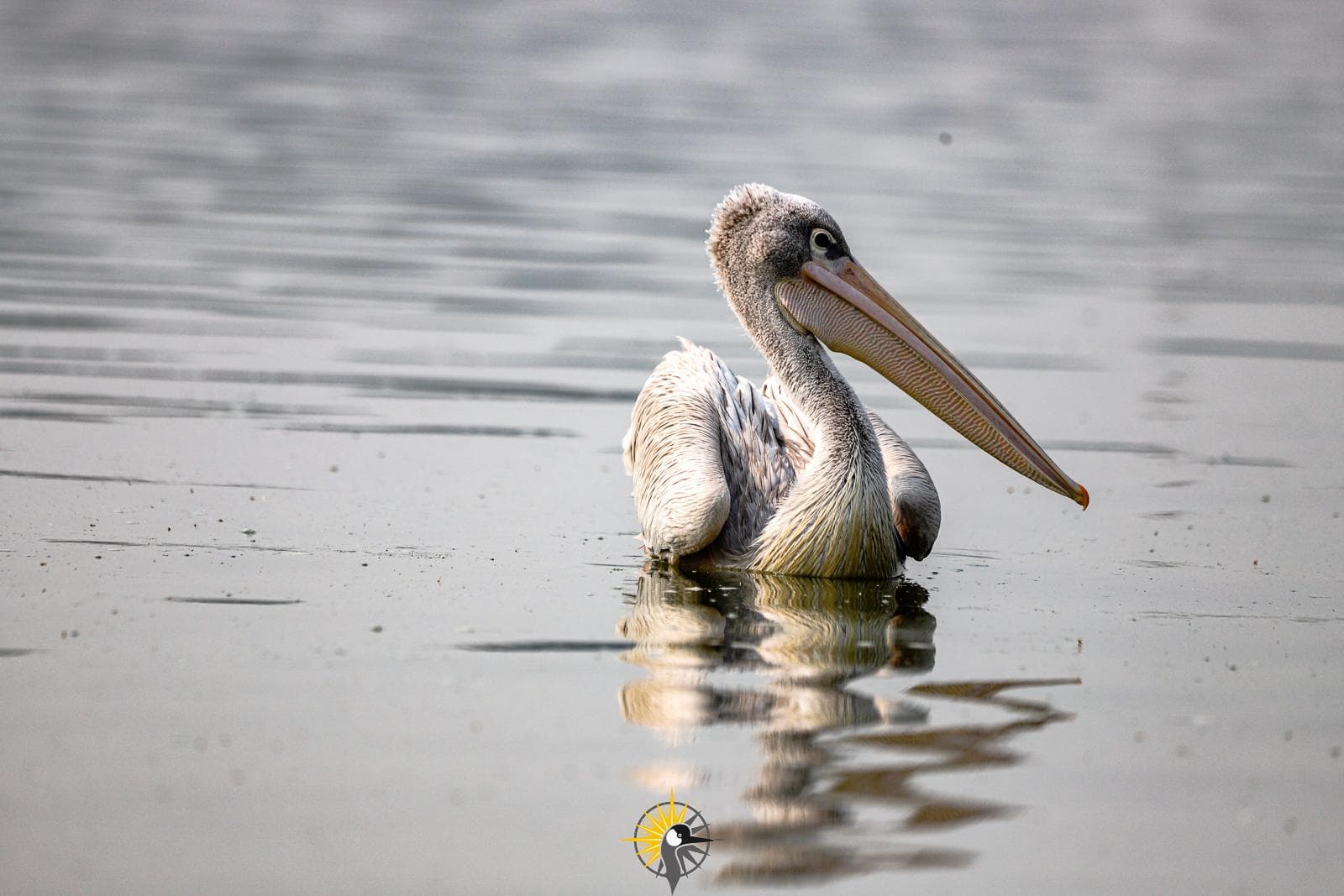
Birding in Queen Elizabeth National Park, A 7-Day Adventure with Musana Tours & Travel
Discover birding in Queen Elizabeth National Park on a 7-day guided safari. Spot shoebills, pelicans & raptors with Musana Tours & Travel.
Read more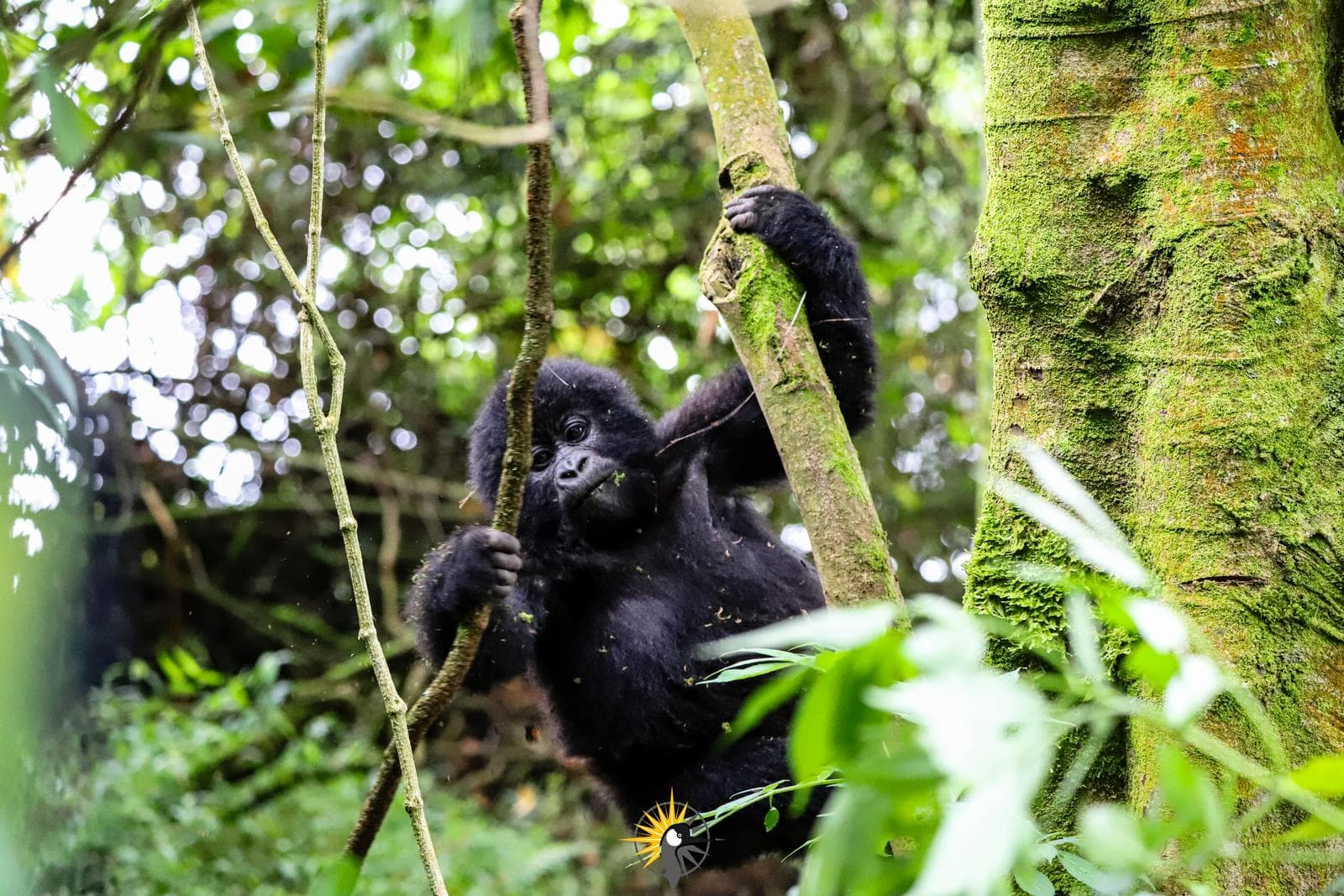
Gorilla trekking vs chimpanzee tracking, which should you choose?
Gorilla trekking vs chimpanzee tracking in Uganda—compare experiences, costs, and best parks to choose the perfect primate safari adventure.
Read more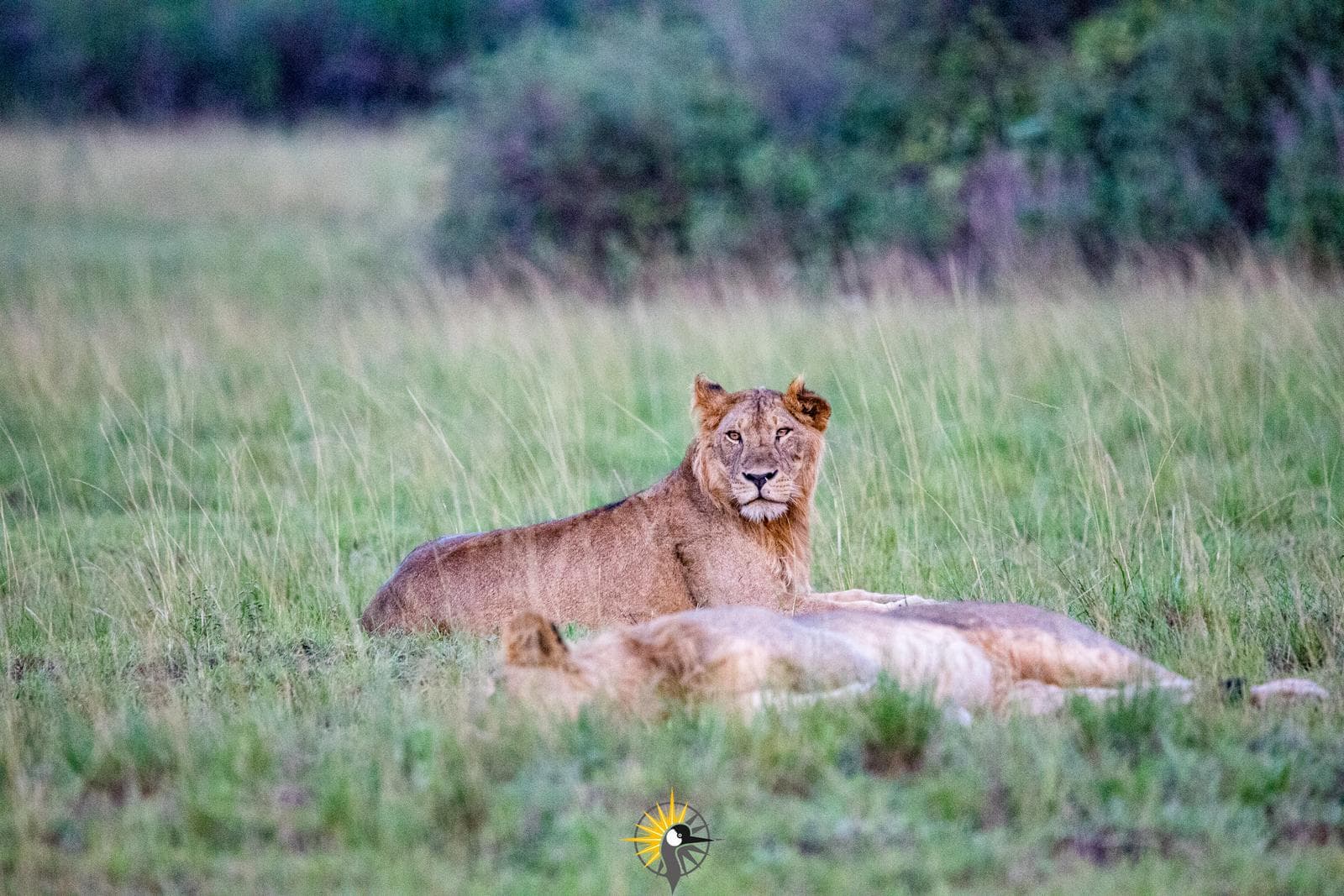
Best time to visit Uganda for wildlife
Discover the best time to visit Uganda for wildlife, from gorilla trekking to savannah safaris, with expert seasonal insights from Musana Tours & Travel.
Read more