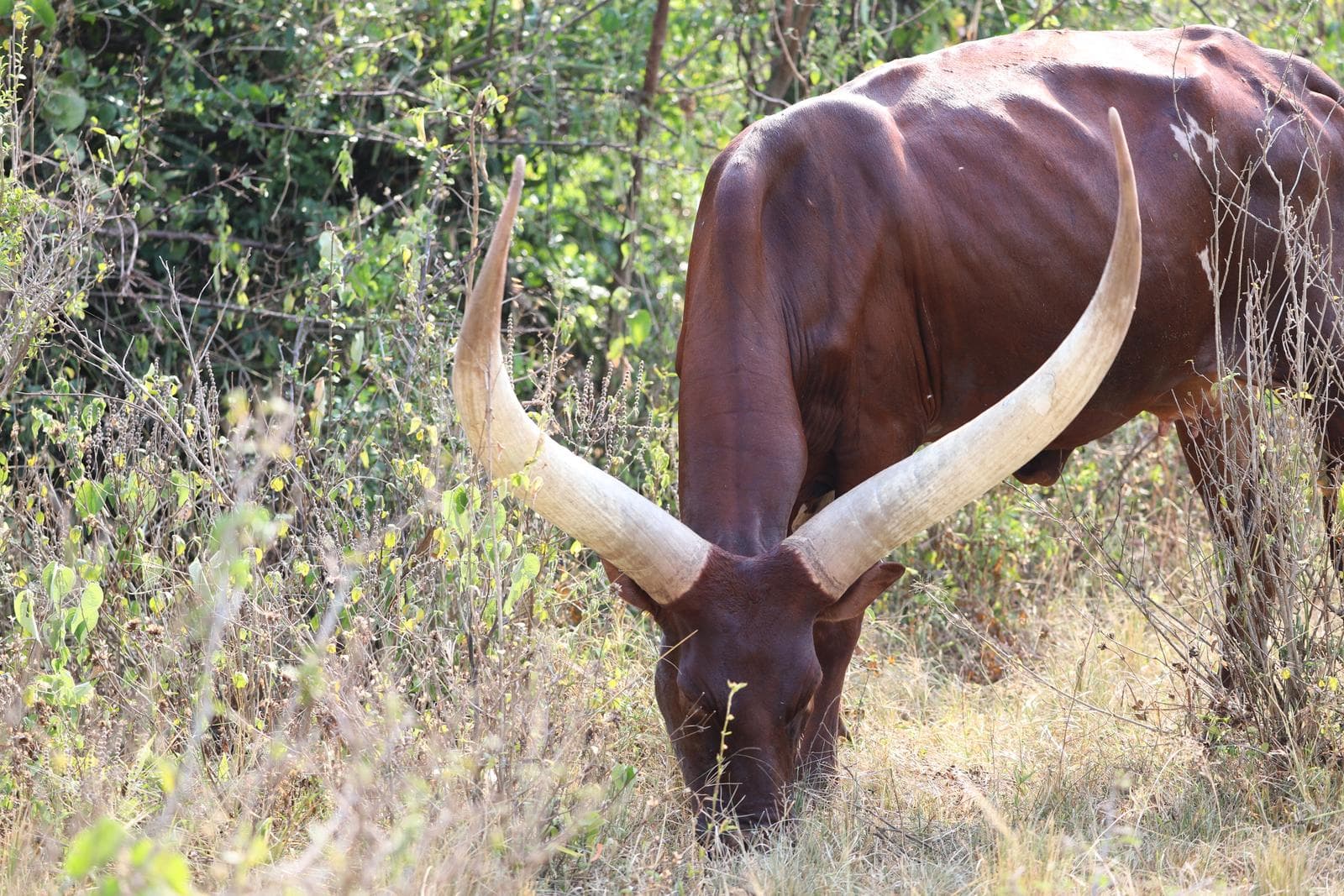
Ankole cow
The Ankole Longhorned Cow (Bos taurus ankolensis), also called the Ankole-Watusi, is one of Africa’s most striking and culturally significant cattle breeds. Renowned for its enormous, elegant horns and resilience, this breed has been an integral part of East African heritage for centuries. Ankole cattle are a symbol of wealth, tradition, and pastoral life, particularly in Uganda, Rwanda, and parts of Tanzania.
Physical Description
Ankole cows are medium to large-sized cattle, distinguished by their enormous, lyre-shaped horns, which can span up to 8 feet (2.4 meters) from tip to tip. Both males and females possess these impressive horns, though bulls generally have thicker, heavier horns.
Their bodies are sleek and muscular, often exhibiting a variety of coat colors, including red, fawn, black, white, and spotted patterns. They have a graceful appearance with a long, narrow head and slender neck, which, combined with their horns, gives them an iconic silhouette recognized worldwide.
Habitat and Distribution
Ankole Longhorned cows are primarily found in East African grasslands, savannahs, and pastoral regions, where they graze on natural vegetation.
- In Uganda, Ankole cattle are predominantly raised in the western regions, including the Ankole region, encompassing districts such as Mbarara, Ntungamo, and Kiruhura.
- In Rwanda, Ankole cattle are found in southern provinces, where they are part of traditional farming communities.
- In Tanzania, pastoral groups in the northwestern and southwestern regions also keep Ankole cattle, integrating them into local customs and livestock farming.
These cattle are well-adapted to harsh climates, capable of surviving droughts and poor grazing conditions due to their efficient metabolism and hardy nature.
Behavior and Social Structure
Ankole cattle are docile and social animals, often kept in herds ranging from a few individuals to over a hundred. They are highly valued for their calm temperament and loyalty, making them easy to manage in traditional pastoral systems.
Herds are often organized by age and sex, with dominant bulls leading the group. Cattle interact socially, establishing hierarchy through subtle body language and occasional sparring, especially among males.
Economic and Cultural Importance
Ankole Longhorned cows are central to livelihoods, culture, and social status in East Africa:
- Milk and Meat: Their milk is highly nutritious, and some communities also use them for meat, though meat production is secondary to milk and is valued for cultural reasons.
- Status Symbol: In Uganda and Rwanda, ownership of Ankole cattle is a traditional measure of wealth and prestige.
- Cultural Ceremonies: Ankole cattle feature prominently in weddings, festivals, and other community celebrations, often given as gifts or used in traditional rituals.
- Tourism Appeal: Their striking horns and historical significance attract tourists, particularly on cultural tours and agricultural safaris.
Adaptations and Resilience
Ankole cattle are remarkably resilient to:
- Drought conditions – they can survive on sparse forage.
- Diseases – they show relative resistance to tick-borne illnesses compared to other breeds.
- Harsh terrain – capable of grazing on steep hillsides and rugged savannahs.
These adaptations make them an essential livestock breed for smallholder farmers and pastoralists across East Africa.
Conservation Status
While not endangered, Ankole cattle face challenges due to crossbreeding with exotic breeds, which can dilute genetic purity. Efforts to preserve the breed include:
- Maintaining purebred herds in Uganda, Rwanda, and Tanzania
- Supporting cultural programs and tourism that emphasize traditional cattle-keeping
- Promoting livelihood projects that encourage young farmers to maintain the breed
Observing Ankole Cattle
Ankole Longhorned cows are visible throughout Uganda’s western regions, particularly around ranches and rural homesteads. Visitors to cultural heritage sites, cattle markets, and agro-tourism farms can witness these majestic animals and learn about their historical significance.
Conclusion
The Ankole Longhorned Cow is a living symbol of East Africa’s pastoral traditions, resilience, and cultural pride. With its impressive horns, hardy nature, and central role in community life, this breed continues to be celebrated and preserved across Uganda, Rwanda, and Tanzania. Observing them in their natural grazing lands offers a unique insight into the region’s agricultural heritage and enduring traditions.
Related Animals
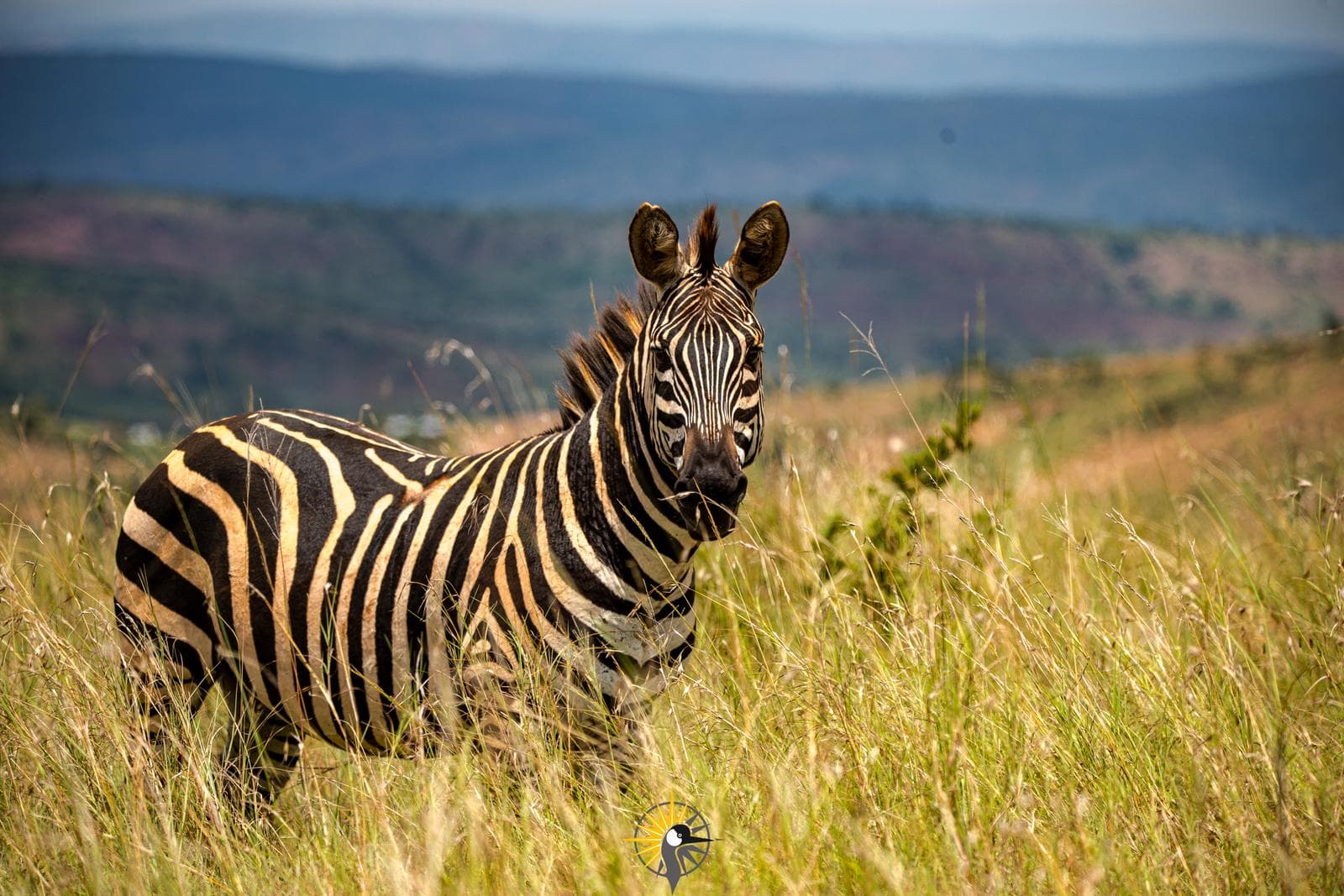
The Zebra
Discover zebras in East Africa, from Plains Zebras of the Serengeti to rare Grevy’s Zebras in Kenya, and learn how tourism supports conservation.
View animal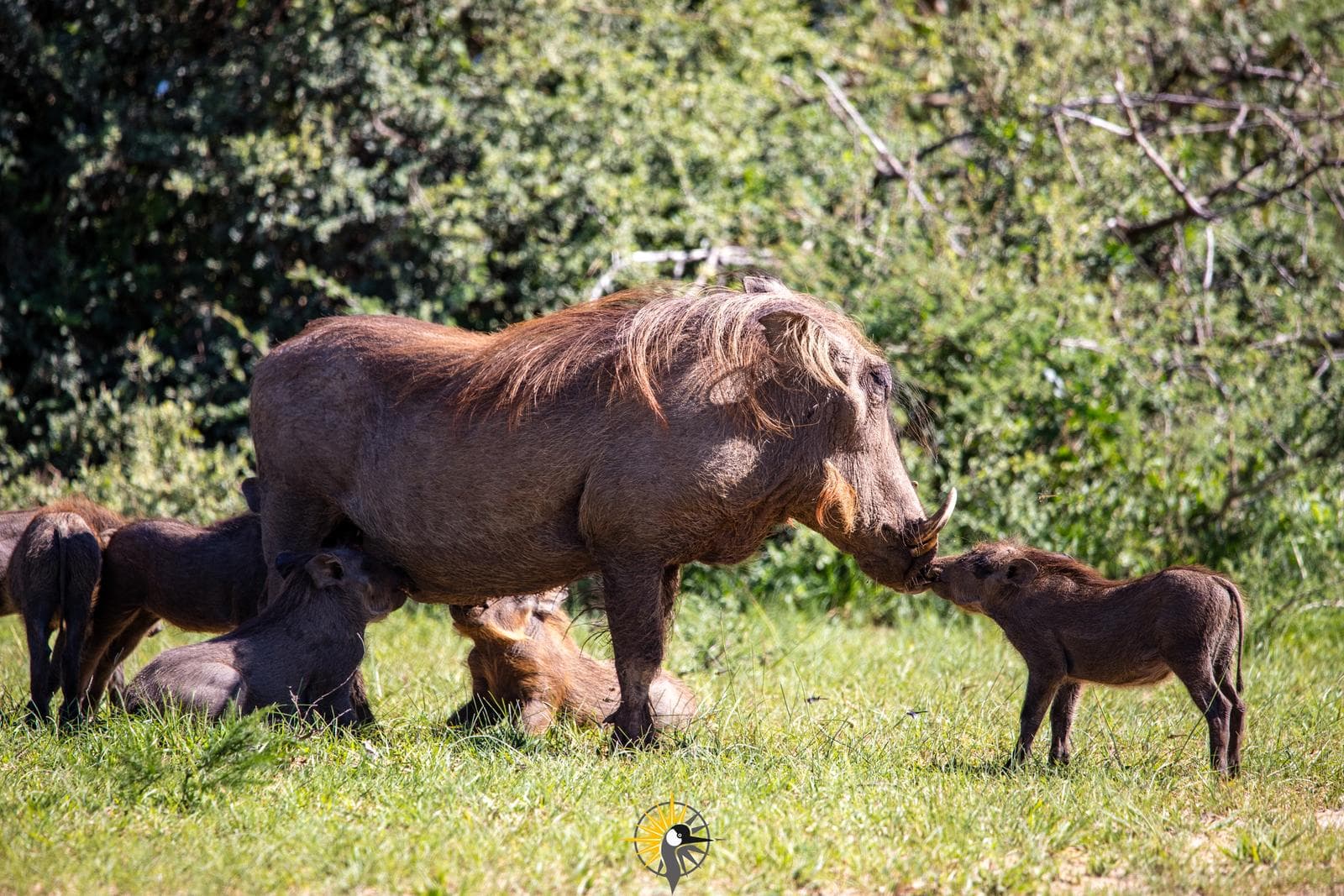
The common warthog
Discover the common warthog in East Africa—habitat, behavior, and best safari destinations to see this iconic African wildlife species in the wild.
View animal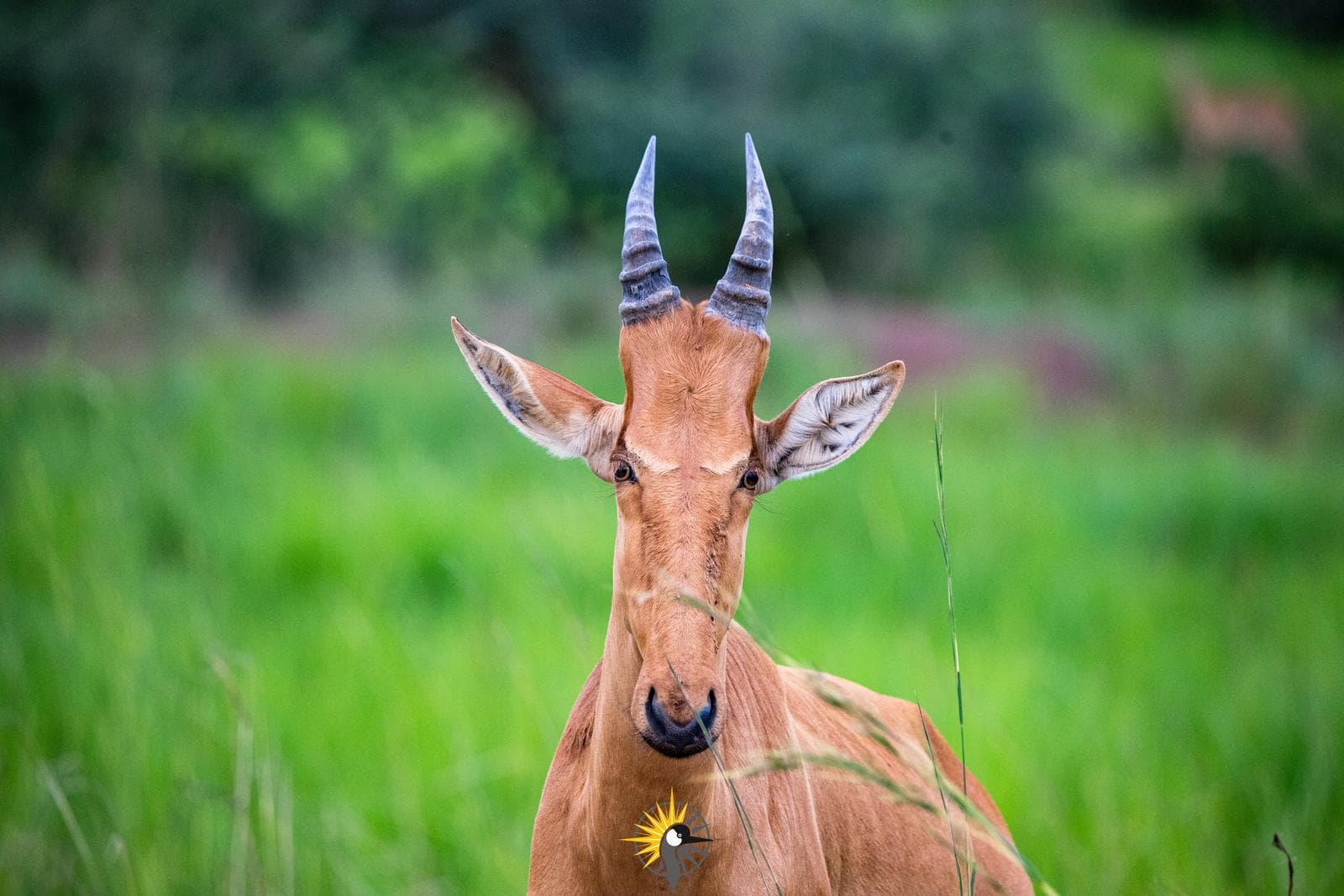
Jackson’s Hartebeest
Discover the Jackson’s Hartebeest on an East African safari with Musana Tours and Travel. Learn about its habitat, behavior, and the best places to see this rare antelope in Uganda.
View animalTop safaris
9 Days Gorilla tracking in Uganda, Tarangire, Ngorongoro, and Serengeti National Park in Tanzania
3 Days Hadzabe, Masai and Ngorongoro Crater Safari, Tanzania
21 Days Epic East Africa safari, gorilla trekking in Bwindi, Big Five safaris and Zanzibar Beach escape
News and Updates
Birding in Queen Elizabeth National Park, A 7-Day Adventure with Musana Tours & Travel
Discover birding in Queen Elizabeth National Park on a 7-day guided safari. Spot shoebills, pelicans & raptors with Musana Tours & Travel.
Read more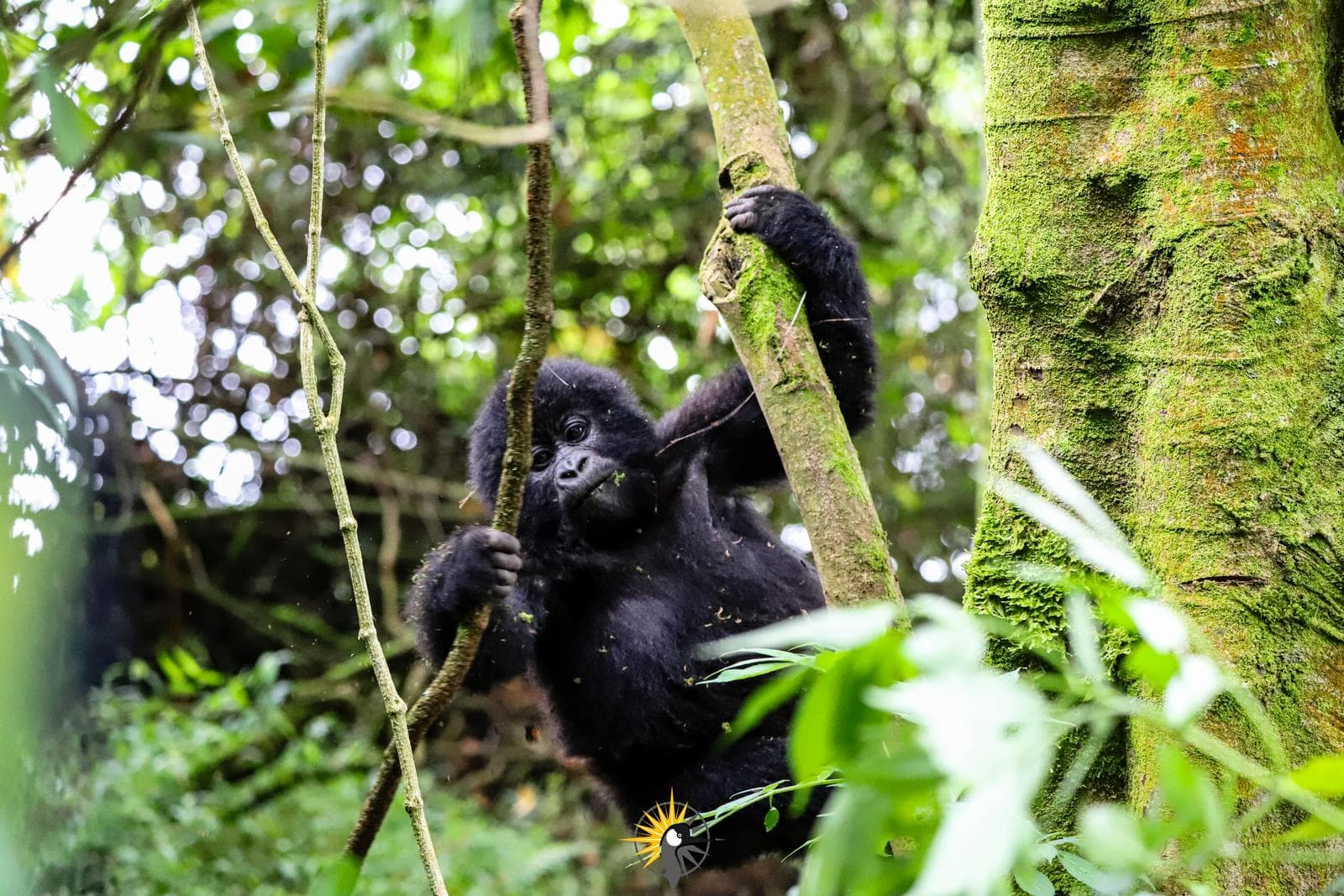
Gorilla trekking vs chimpanzee tracking, which should you choose?
Gorilla trekking vs chimpanzee tracking in Uganda—compare experiences, costs, and best parks to choose the perfect primate safari adventure.
Read more
Best time to visit Uganda for wildlife
Discover the best time to visit Uganda for wildlife, from gorilla trekking to savannah safaris, with expert seasonal insights from Musana Tours & Travel.
Read more