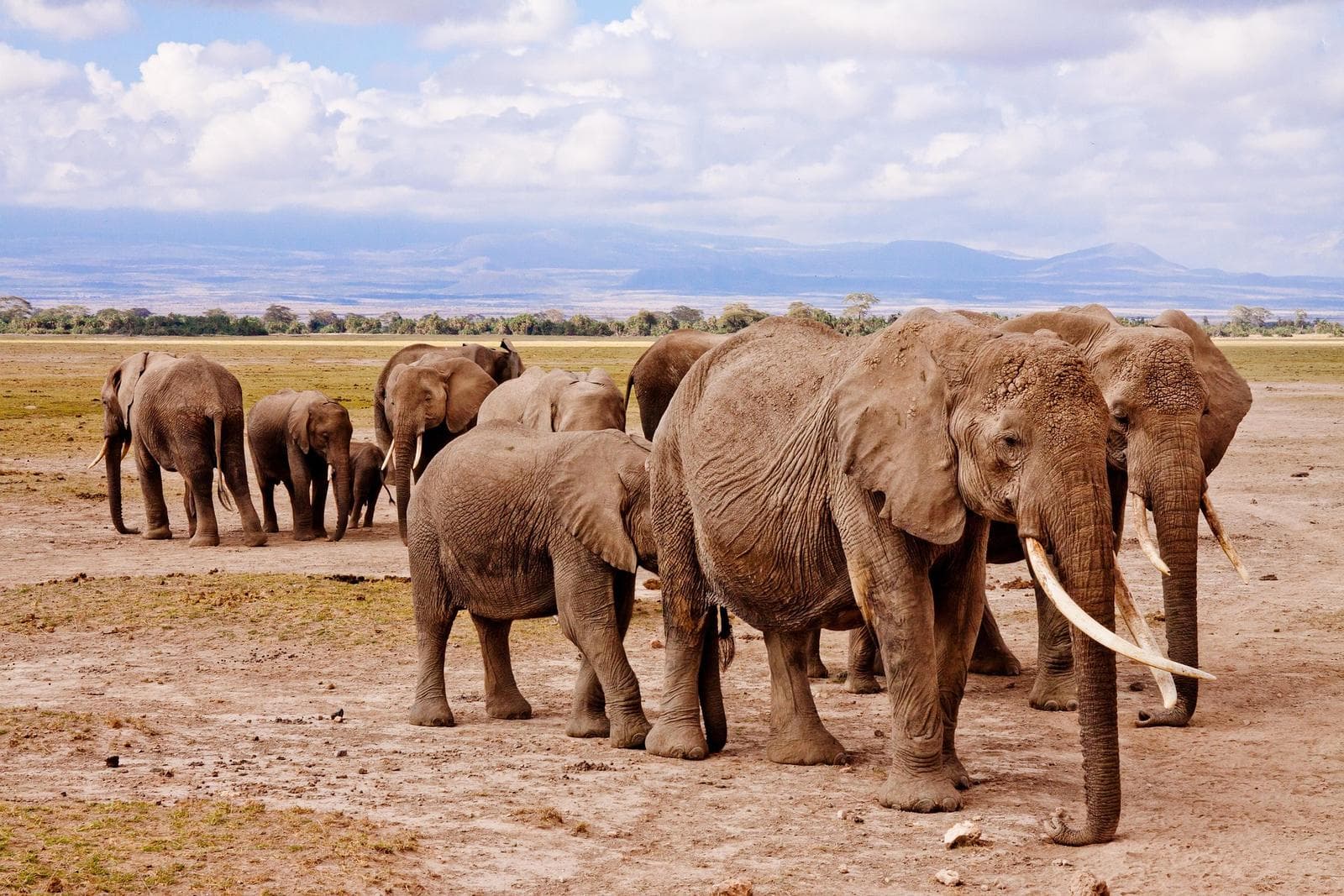
Amboseli National Park
Nestled in the southern region of Kenya, Amboseli National Park is a safari destination that combines breathtaking landscapes, abundant wildlife, and rich Maasai culture. Famous for its panoramic views of Mount Kilimanjaro, the park offers a perfect blend of adventure and serenity, making it a must-visit for every traveler to East Africa.
From close encounters with elephants to spectacular photographic opportunities against Kilimanjaro’s snow-capped peak, Amboseli provides an experience that is both thrilling and unforgettable.
Mount Kilimanjaro
Mount Kilimanjaro, though situated in Tanzania, dominates the Amboseli skyline, providing a breathtaking backdrop for safari-goers. Rising to 5,895 meters, its snow-capped peak contrasts starkly with the surrounding savannah, creating a picture-perfect setting that has inspired countless photographers and adventurers.
The best times to view Kilimanjaro are early mornings and late afternoons when the skies are clear, revealing the mountain in all its glory. At sunrise, the sun's golden hues bathe the peak, offering one of the most spectacular sights in Africa. For photographers, this is a once-in-a-lifetime opportunity to capture the interplay of light, shadow, and the grandeur of nature.
While climbing Kilimanjaro itself requires crossing into Tanzania, Amboseli offers a serene vantage point where visitors can admire its magnificence without the physical challenge of a trek.
Wildlife abundance
Amboseli is a microcosm of African wildlife, boasting a remarkable diversity of species. The open plains and lush swamps support an array of animals, including lions, cheetahs, leopards, zebras, giraffes, wildebeests, and buffaloes. It's one of the few places where you can witness predators and prey coexisting in the same space, offering dramatic and sometimes heart-stopping moments during game drives.
The park's wetlands, nourished by underground water streams from Kilimanjaro, are a magnet for hippos and aquatic birds. The swamps also provide a vital water source for herbivores during the dry season, making them hotspots for wildlife activity. Visitors can often spot large herds of wildebeests and zebras grazing peacefully, their movements attracting the attention of lurking predators.
Amboseli is also a birdwatcher's paradise, with over 400 recorded species. From the striking African fish eagle to the colorful lilac-breasted roller, the park offers endless opportunities for bird enthusiasts to spot and photograph rare and beautiful birds.
Unique Ecosystems
Amboseli's diverse ecosystems make it one of the most visually captivating parks in Kenya. The park features vast open plains, dense acacia woodlands, and marshy swamps, all set against the dramatic backdrop of Kilimanjaro. One of its most striking features is the dry lake bed of Lake Amboseli, which creates mirage-like illusions under the blazing sun.
During the dry season, the lake bed is a stark, cracked expanse of white dust, but it transforms into a shallow lake during the rainy season, attracting flocks of flamingos and other waterbirds. The seasonal transformation adds an element of surprise to every visit, ensuring that no two trips to Amboseli are the same.
The contrasting landscapes also mean varied experiences for visitors. A morning game drive might take you across the open plains, where cheetahs stealthily hunt their prey, while an afternoon excursion could lead you into the woodlands, where you might spot elusive leopards or shy antelopes.
Cultural immersion
Beyond its wildlife and landscapes, Amboseli is also a gateway to Kenya’s rich cultural heritage. The Maasai people, who have lived in harmony with the land for centuries, are an integral part of the Amboseli experience. Known for their vibrant red shukas (cloaks), intricate beadwork, and warrior traditions, the Maasai are among the most iconic indigenous groups in Africa.
Many tours and lodges offer visits to Maasai villages, where you can learn about their way of life, from their cattle-herding practices to their spiritual beliefs. Visitors are often treated to traditional dances, storytelling sessions, and even opportunities to participate in daily activities like milking cows or crafting jewelry. Purchasing handmade Maasai crafts is not only a way to take home a unique souvenir but also a way to support the local community.
The interaction with the Maasai adds a human dimension to the Amboseli experience, reminding visitors of the deep connection between people and nature in this region.
Accommodation options for every traveler
Amboseli caters to a wide range of travelers, from luxury seekers to budget adventurers. Some of the most popular accommodations include:
- Tortilis Camp: A luxury tented camp offering breathtaking views of Kilimanjaro, gourmet dining, and personalized safari experiences.
- Amboseli Serena Safari Lodge: Nestled in the heart of the park, this lodge combines modern comforts with a traditional African aesthetic.
- Kibo Safari Camp: A mid-range option with spacious tents and excellent service, located close to the park's main gate.
- AA Amboseli Lodge: An affordable choice that offers comfort and proximity to the park, ideal for budget-conscious travelers.
- Public Campsites: For those who want to immerse themselves in nature, the park has campsites that offer a more adventurous experience under the African stars.
Each accommodation option provides unique advantages, from guided game drives to cultural experiences, ensuring that every traveler’s needs are met.
Practical tips for visiting Amboseli
To make the most of your visit to Amboseli, consider the following tips:
- Timing: The dry seasons (June to October and January to February) are ideal for wildlife viewing, as animals gather around water sources. However, the wet seasons (March to May and November to December) offer lush landscapes and excellent birdwatching opportunities.
- Gear: Bring binoculars, a telephoto lens for a camera, sunscreen, a hat, and sturdy footwear. A good pair of sunglasses and breathable clothing are also essential for the hot days.
- Transportation: Most visitors reach Amboseli by road, but charter flights are also available from Nairobi for a quicker journey. Hiring a knowledgeable guide or joining a safari tour is highly recommended to enhance your experience.
- Park Rules: Respect the wildlife and adhere to park regulations. Avoid feeding animals, keep noise levels low, and always stay inside your vehicle during game drives.
Protecting Amboseli for future generations
Amboseli faces several challenges, including habitat loss, climate change, and human-wildlife conflict. However, collaborative efforts between the Kenya Wildlife Service (KWS), local communities, and conservation organizations are making a significant impact.
Initiatives such as the Amboseli Ecosystem Trust aim to address these challenges by promoting sustainable tourism, supporting community-led conservation projects, and mitigating human-wildlife conflicts. When you visit Amboseli, you contribute to these efforts, as park fees directly support conservation and local development.
Plan your Amboseli adventure today
Amboseli National Park is more than just a destination; it’s an experience that touches the soul. Whether you’re standing in awe of Mount Kilimanjaro, watching a herd of elephants cross the plains, or connecting with the Maasai people, every moment in Amboseli is a memory in the making.
Ready to embark on your journey? Book your safari with Musana Tours and Travel and discover why Amboseli is one of Africa’s most iconic wildlife havens.
0 FAQs about Amboseli National Park
Have any inquiries?
Related safaris
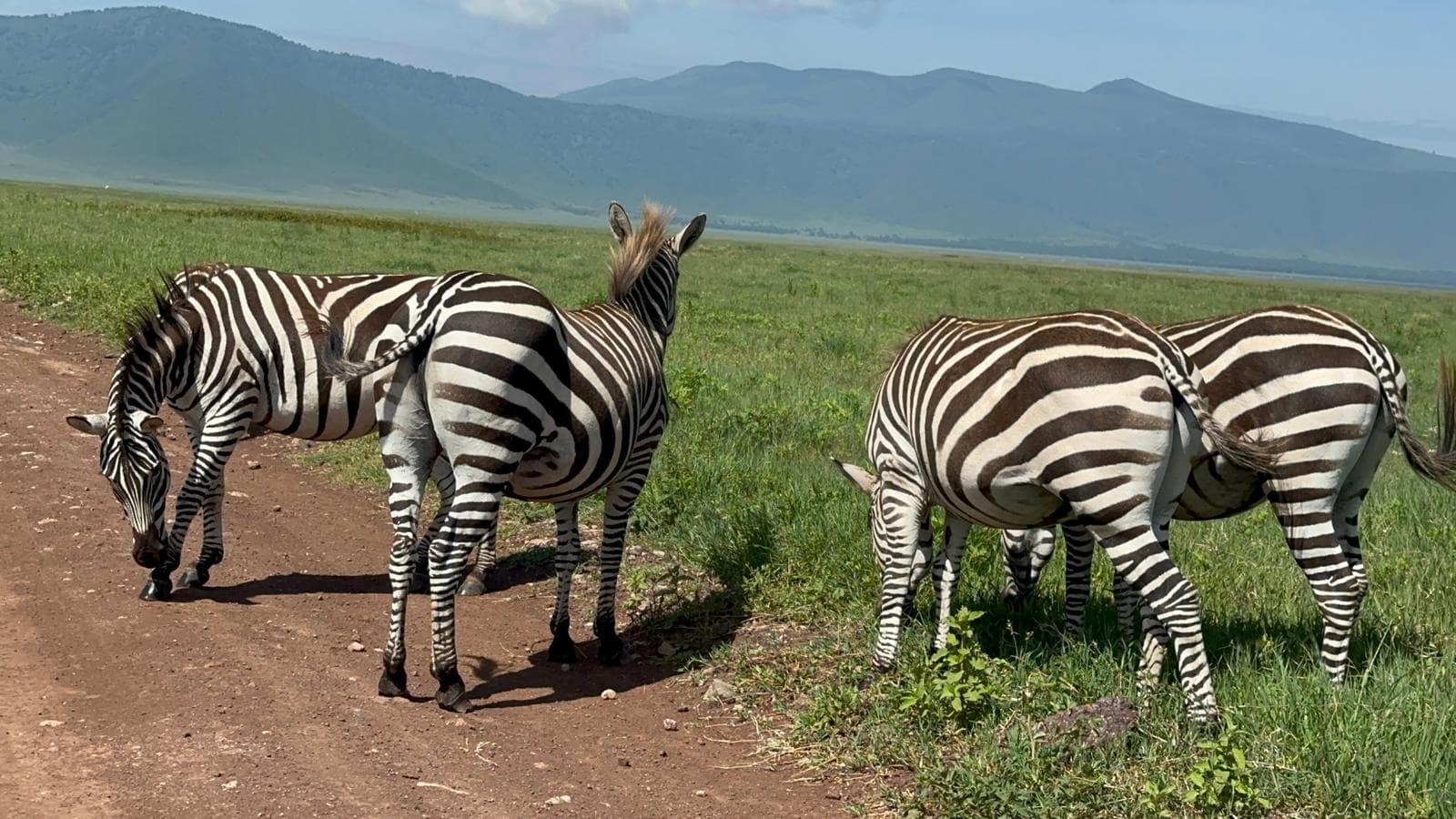
9 Days Gorilla tracking in Uganda, Tarangire, Ngorongoro, and Serengeti National Park in Tanzania
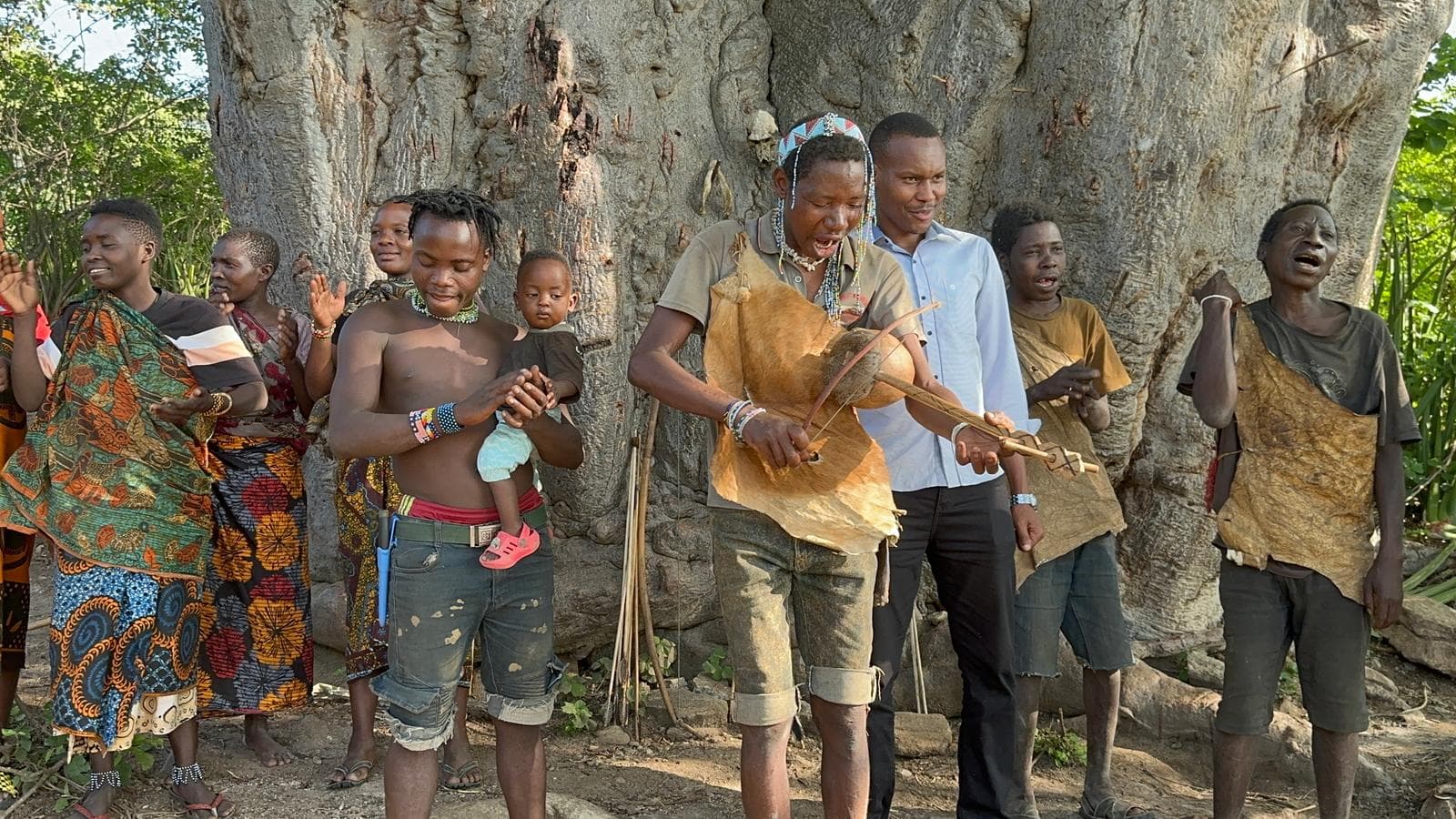
3 Days Hadzabe, Masai and Ngorongoro Crater Safari, Tanzania
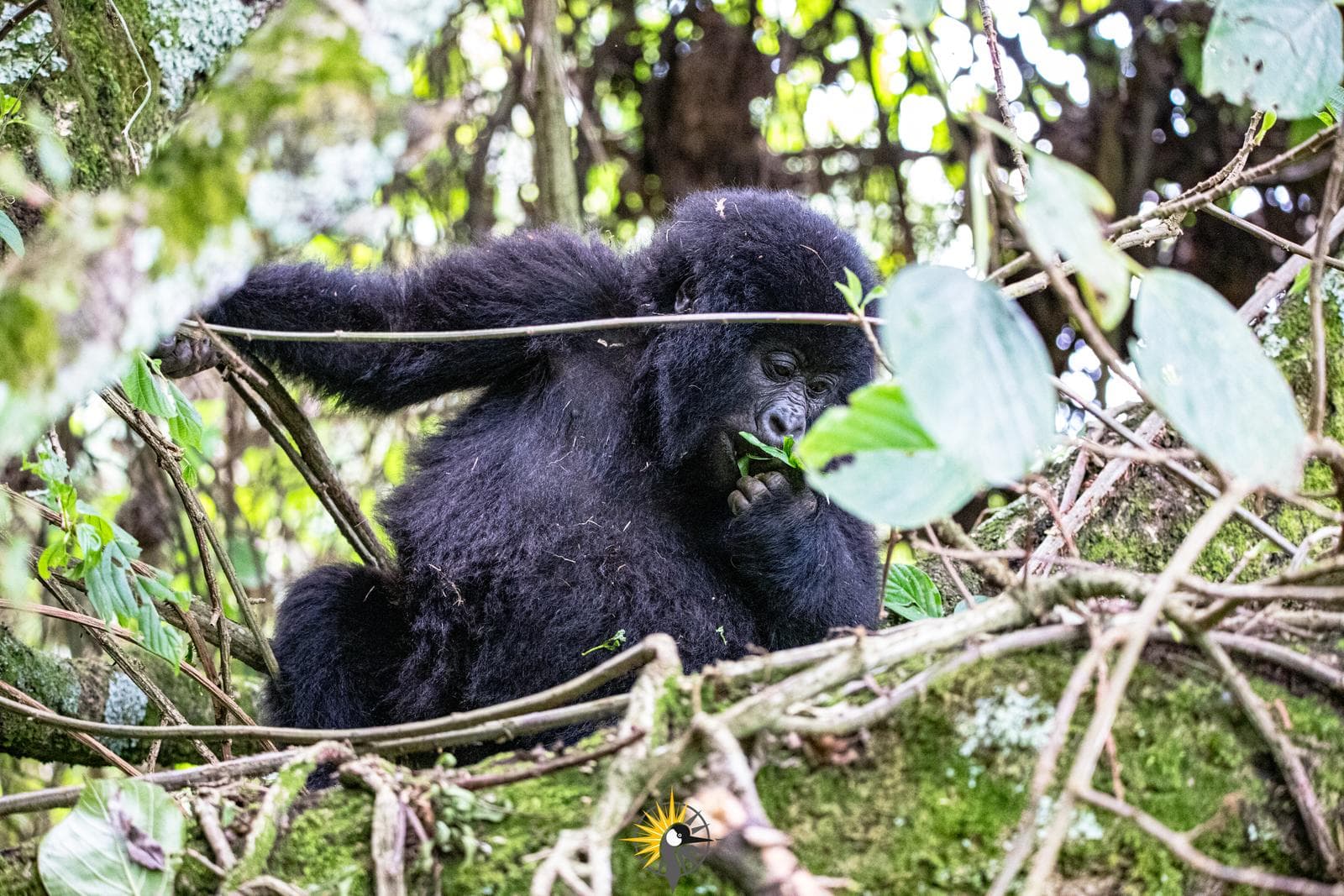
21 Days Epic East Africa safari, gorilla trekking in Bwindi, Big Five safaris and Zanzibar Beach escape
Related parks
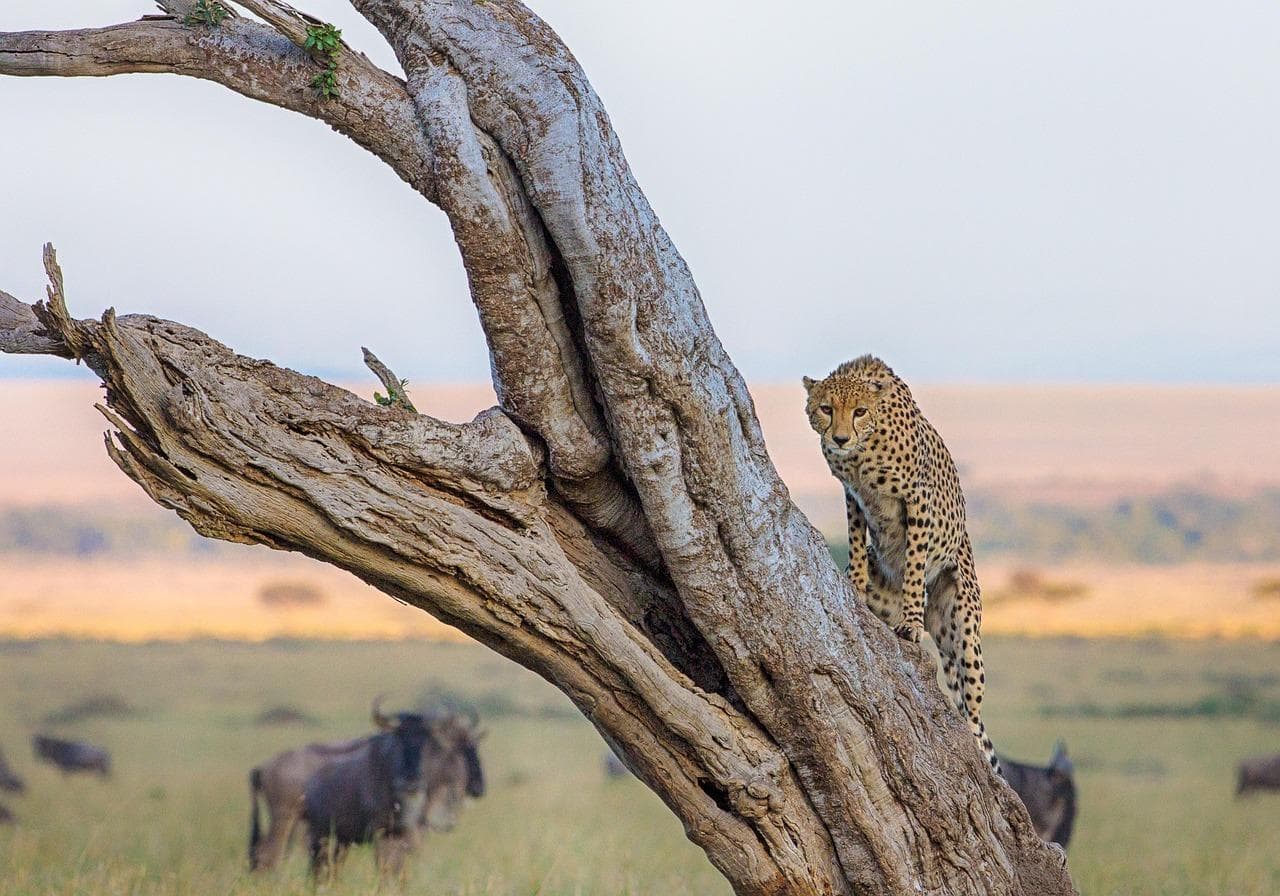
Masai Mara National Reserve
The Masai Mara National Reserve, located in southwestern Kenya, is one of the world’s most renowned wildlife reserves. This vast expanse of savannah and rolling hills offers tourists an incredible safari experience, thanks to its rich biodiversity, dramatic landscapes, and the famous Great Migration.
View park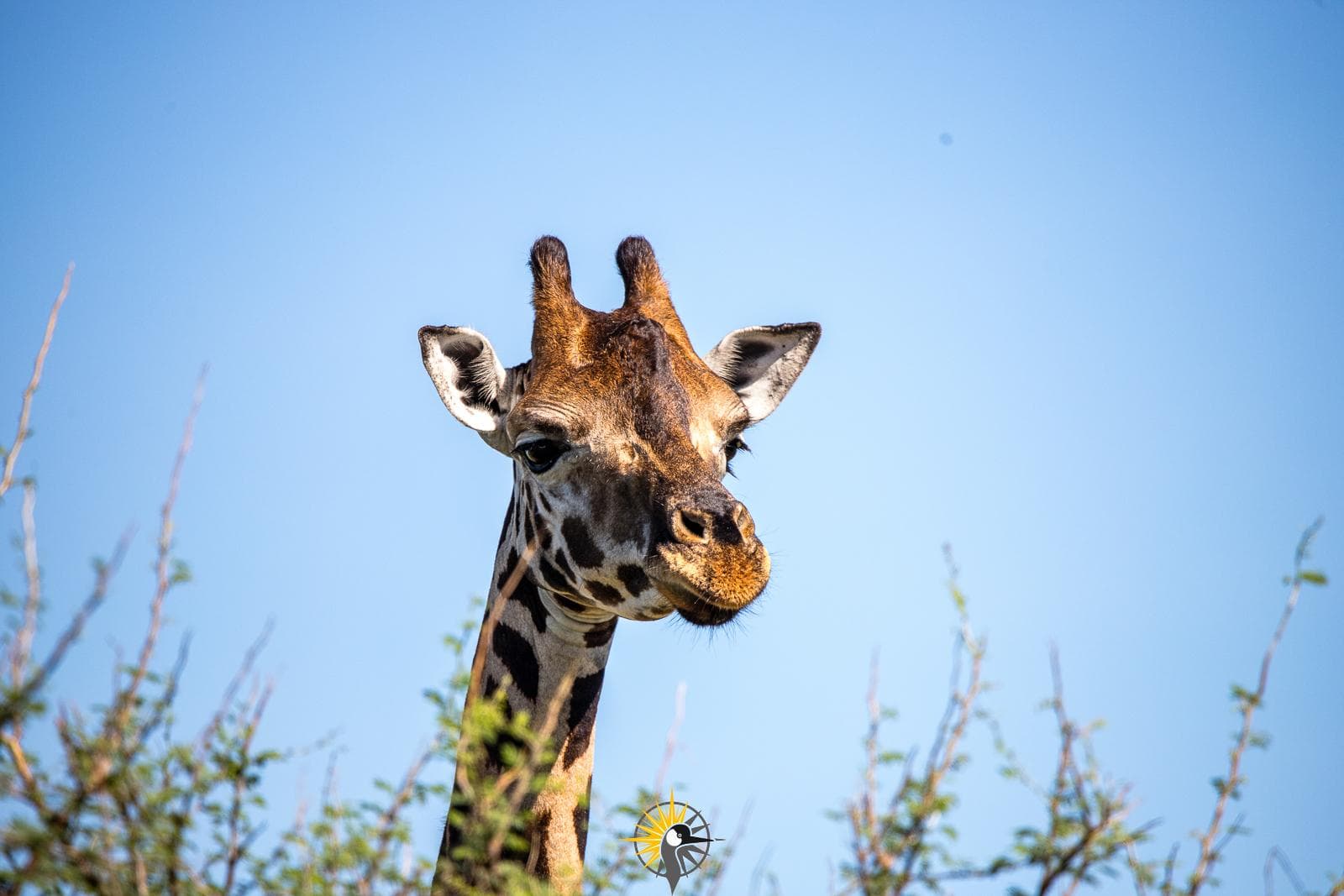
Meru National Park
Explore Kenya’s wild side at Meru National Park—home to rhinos, lions, rivers, and diverse ecosystems—a hidden gem for authentic African safaris.
View park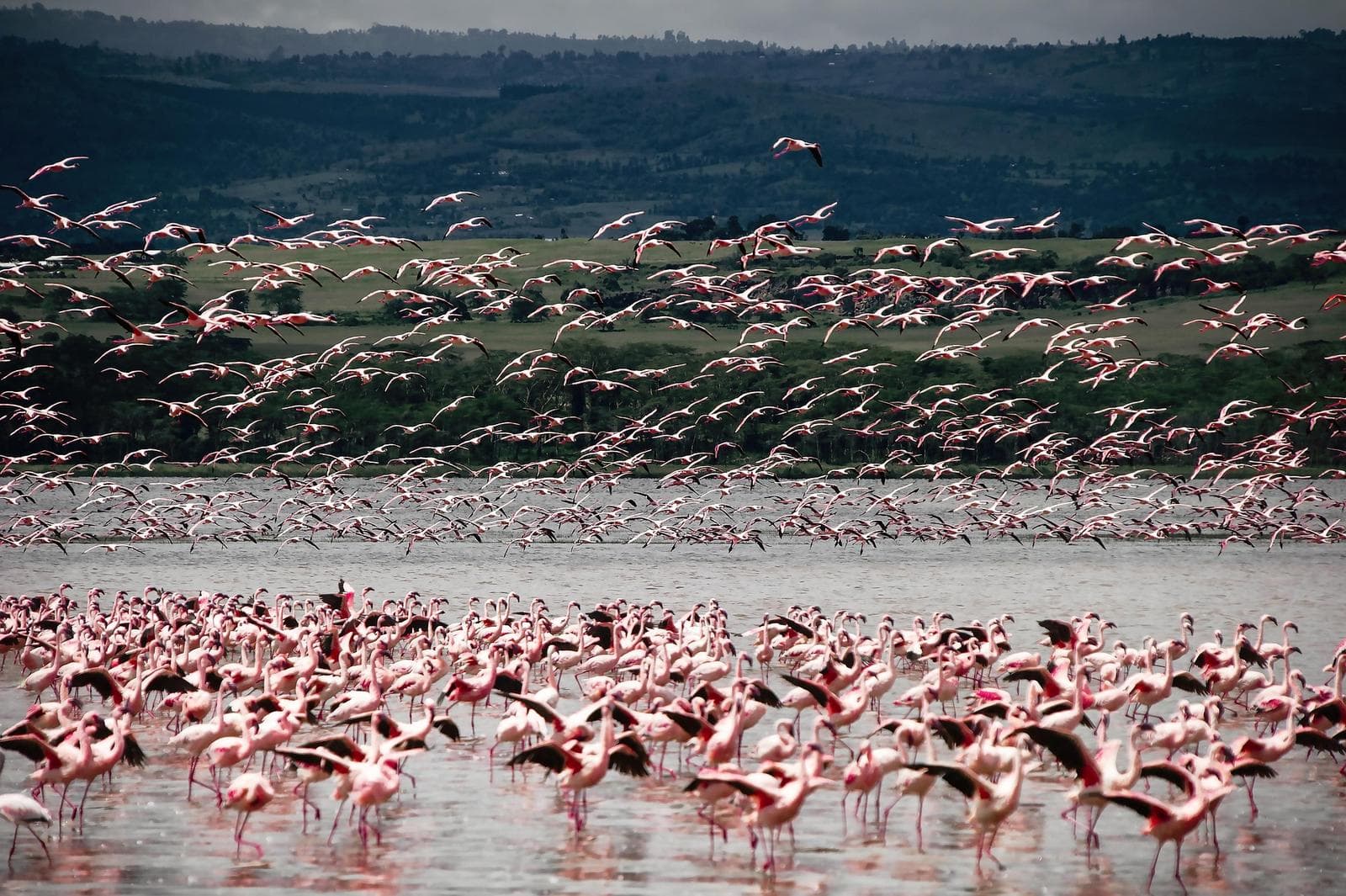
Lake Nakuru National Park
Lake Nakuru National Park is one of Kenya’s most remarkable wildlife destinations. Renowned for its breathtaking flamingo populations, diverse wildlife, and picturesque landscapes,
View parkNews and Updates
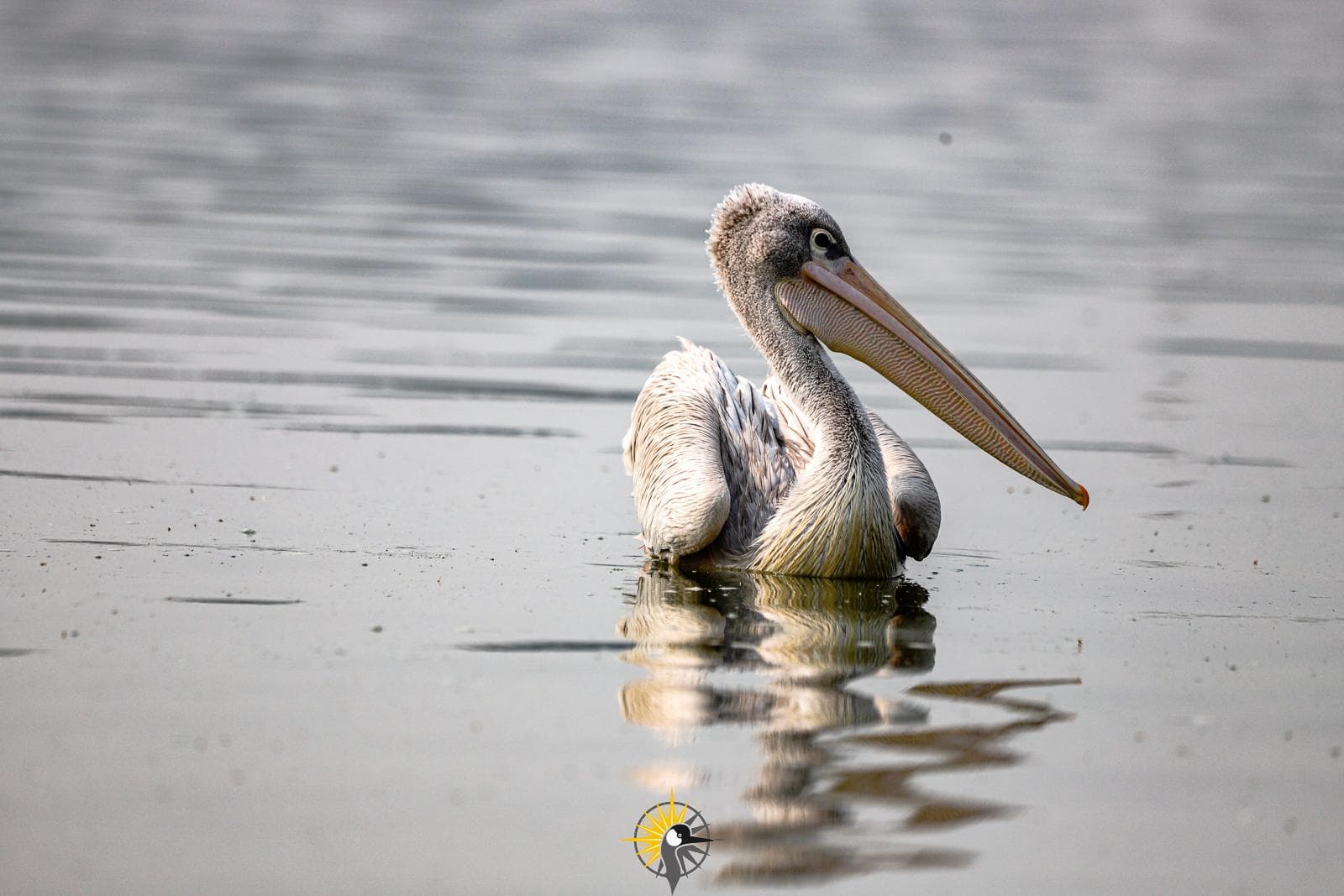
Birding in Queen Elizabeth National Park, A 7-Day Adventure with Musana Tours & Travel
Discover birding in Queen Elizabeth National Park on a 7-day guided safari. Spot shoebills, pelicans & raptors with Musana Tours & Travel.
Read more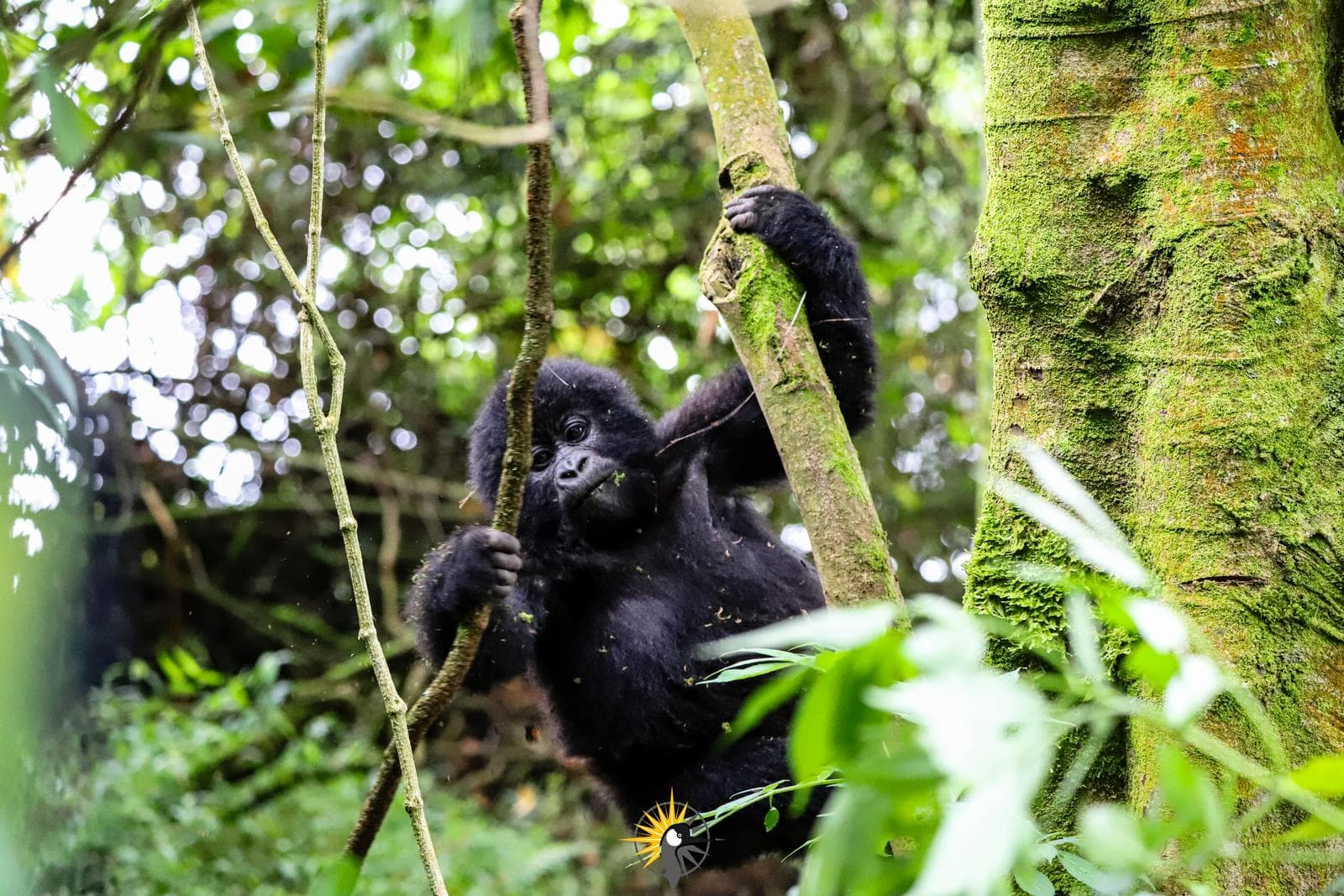
Gorilla trekking vs chimpanzee tracking, which should you choose?
Gorilla trekking vs chimpanzee tracking in Uganda—compare experiences, costs, and best parks to choose the perfect primate safari adventure.
Read more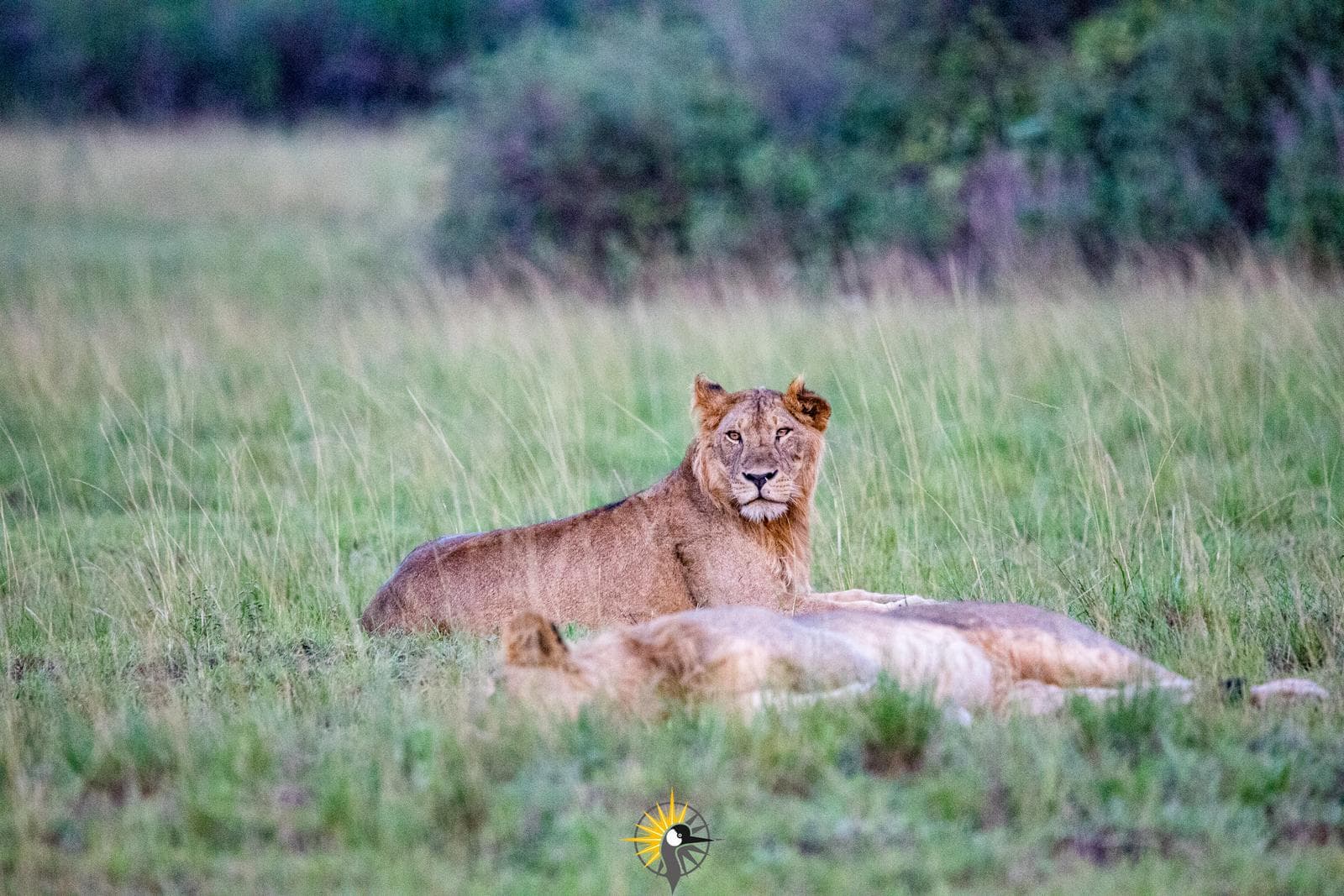
Best time to visit Uganda for wildlife
Discover the best time to visit Uganda for wildlife, from gorilla trekking to savannah safaris, with expert seasonal insights from Musana Tours & Travel.
Read more