Lake Mburo national park
Size: 370km2
Altitude: 1,220m - 1,828m above sea level
Wetland habitats comprise 20% of the park's surface. The parks' precarious past has seen wildlife virtually eliminated several times: firstly through various attempts to rid the region of tsetse flies, then to make way for ranches, and finally through subsistence poaching.
20% of the park's entrance fee is used to fund local community projects such as building clinics and schools. Lake Mburo National Park is a compact gem, conveniently located near the highway connecting Kampala to the parks of western Uganda.
It is the smallest of Uganda's savannah national parks and is underlain by ancient Precambrian metamorphic rocks that date back more than 500 million years.
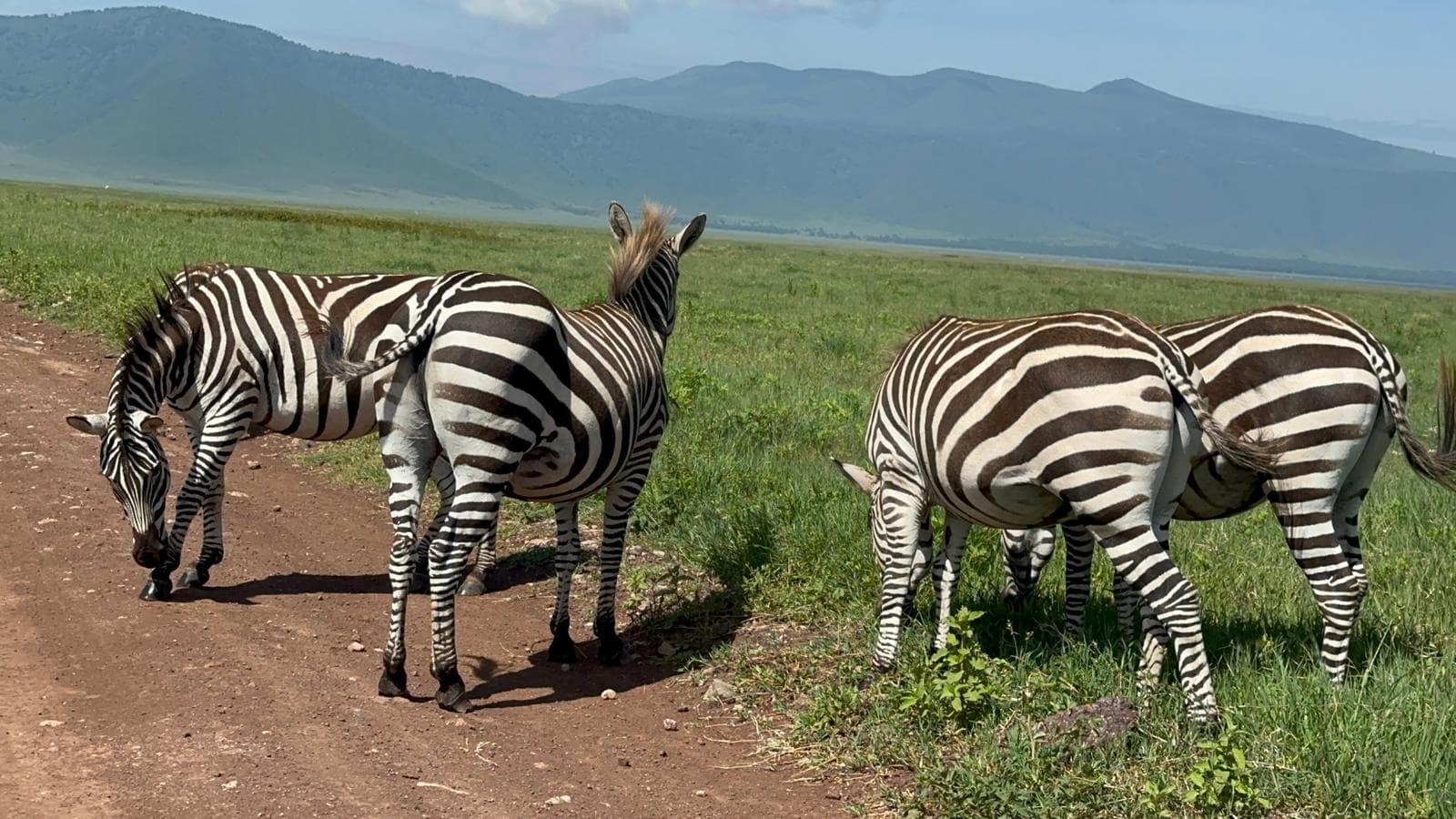
It is home to 350 bird species as well as zebra, impala, eland, buffalo, oribi, Defassa waterbuck, leopard, hippo, hyena, topi, and reedbuck. Together with 13 other lakes in the area, Lake Mburo forms part of a 50km-long wetland system linked by a swamp. Five of these lakes lie within the park's borders.
Once covered by open savanna, Lake Mburo National Park now contains much woodland as there are no elephants to tame the vegetation.
In the western part of the park, the savanna is interspersed with rocky ridges and forested gorges, while patches of papyrus swamp and narrow bands of lush riparian woodland line many lakes.
Lake Mburo National Park is a compact gem, conveniently located near the highway connecting Kampala to the southwestern part of Uganda. It is the smallest of Uganda's savannah parks and is home to more than 350 bird species, as well as zebras, impalas, elands, buffaloes, oribi, Defassa waterbuck, leopards, hippos, hyenas, topi, and reedbuck.
Together with 13 other lakes in the area, Lake Mburo (from which the park derives its name) forms part of a 50km-long wetland. Five of these lakes lie within the park's borders. Once covered by open savanna, this supports a healthy population of buffalo, Warthogs, bush pigs, and hippopotamuses.
Lake Mburo National Park contains much more woodland compared to other parks, as there are no elephants to tame the vegetation. In the western part of the park, the savanna is interspersed with rocky ridges and forested gorges, while patches of papyrus swamp and narrow bands of lush riparian woodland line many lakeshores.
Lake Mburo is home to over 350 bird species and is probably the best place to view acacia-associated birds. Rwonyo is a good zone to see the mosque swallow, black-bellied bustard, bare-faced go-away bird, and Rappel's starling. A handful of birds is recorded, essentially the southern ground hornbill, black-throated barbet, and the very rare African finfoot, around the Kigambira loop.
How to get there
By Road
Lake Mburo National Park is the closest of all Uganda's national parks to the capital city and Uganda's main Airport of Entebbe, located between Kampala and Mbarara City. The park is mainly accessed by road over a journey of approximately 228 kilometers (about 4 hours).
From Kampala, the park can be accessed through two gates. If you are traveling from Kampala, the first branch off on the left after Kageti leads you to the Nshara Gate, located about 5 kilometers off the main road.
The second branch-off is at Sanga Trading Center and connects to Sanga Gate, about 13 kilometers off the highway. Both gates are only about 2-3 kilometers from Rwonyo, where the park's headquarters are found
By Air
Whereas there aren't any direct flights into the park, tourists can charter flights from either Entebbe International Airport or Kajjansi Airstrip to Mbarara Airstrip through one of the domestic carriers (Eagle Air and Aero Link).
The flight takes approximately 1½ hours. You will then transfer by road to the park for a short distance of about 4o minutes. We recommend booking your trip to Lake Mburo through a local tour company, even if you are coming by air.
Origins of the park
The origin of this park began with a story of two brothers, Mburo and Kigarama, who lived in the low-lying Savannah plains, naming the area Kaaro Karungi (which translates to “good Village”).
One night, Kigarama dreamt they would experience heavy rain, which would cause flooding and destroy their property. When Kigarama told this dream to his brother Mburo, He took it for granted and called it a big Joke.
Because dreams were highly respected in African society, Kigarama decided to leave the low-lying area and settled in an area overlooking the valley, leaving his brother behind.
Finally, the dream came true. There were heavy rains that caused flooding, resulting in the drowning of Mburo and his property. Hence, the name Lake Mburo. Then, the hills were named after his brother, Kigarama Hill.
Activities at Lake Mburo National Park
Boat safaris: Boat safaris give the travellers a chance to spot different bird species and wildlife like crocodiles, hippos, among others
Game Drives Game Drives are another important activity that you will not miss on your trip. These game drives are categorized as day and night.
Night game drives: These are conducted for those who might have missed the day drives, or for people who want to spot the nocturnal and shyest animals, like leopards.
Sport Fishing and Fishing: Travelers who are fishers enjoy this activity, and they are also joined by locals to see how they do it. They get a chance to learn from the natives.
Cultural tours: Travelers can learn and engage with locals. Lake Mburo's natives are the Bahima, and they show tourists how they rear their famous Ankole cattle, how they process milk and yoghurt, how they live, and also tell stories about the national park. Travelers also visit the Igongo Cultural Centre, where they can learn more about Western Ugandan culture.
Hiking: You will surely not regret a hike to the Kazuma lookout about 4,481 ft above sea level. Where you can get the 360 degree view of the park and catch up with the major five lakes, another Hike happens at the kigarama hill and is more a cultural adventure, where you get to hear the story of the park and how it was formed.
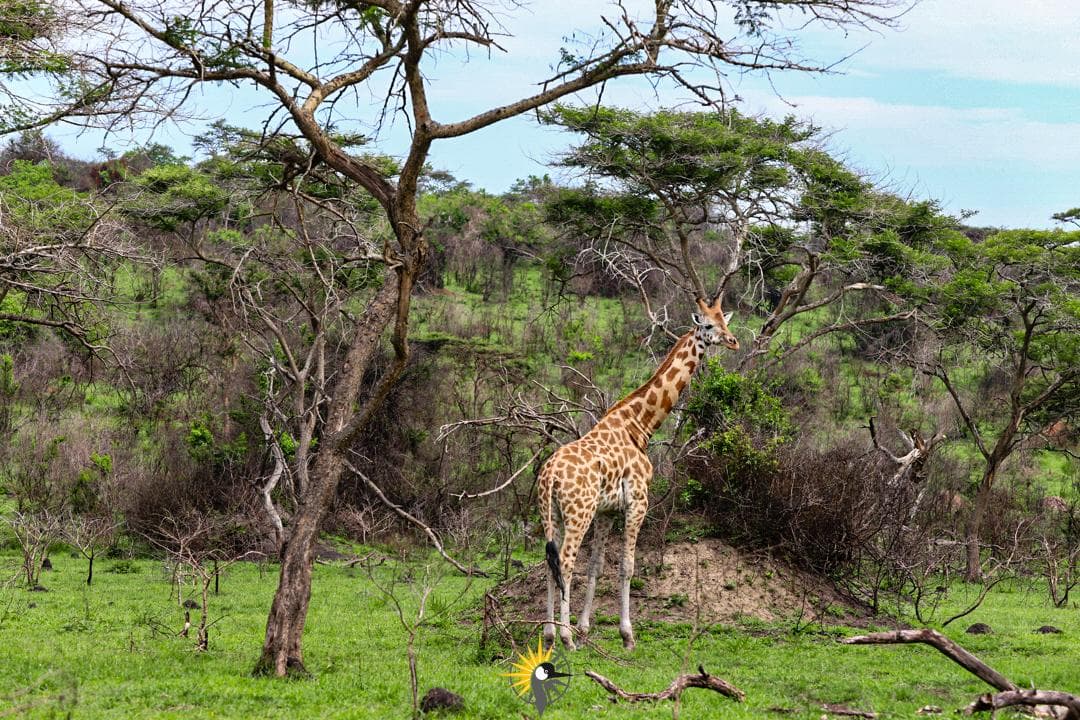
Nature walks: Lake Mburo national park is the only national park in Uganda, considered being safe for walking safaris, A walking safari allows a chance to get up close to Wildlife like Giraffes and take selfies, you also get a chance to get up close to nature, walking safaris are conducted with armed rangers and are considered very safe and offer maximum satisfaction to travellers.
Bird Watching: With over 350 bird species with an area of 370 sq. km, lake Mburo remains one of the rarest bird watching havens in the heart of Africa, the small area guarantees the tourist higher chances of sporting and identifying birds, this coupled with a unique ecosystem made of water, swamps, savannah and woodland, makes lake Mburo national park a special birding Haven.
Horseback riding: This is an exclusive activity offered by Mihingo Lodge; however, the horses are not reserved for residents of this luxury lodge. They are also available to other clients at Lake Mburo National Park.
0 FAQs about Lake Mburo national park
Have any inquiries?
Related safaris
9 Days Gorilla tracking in Uganda, Tarangire, Ngorongoro, and Serengeti National Park in Tanzania
3 Days Hadzabe, Masai and Ngorongoro Crater Safari, Tanzania
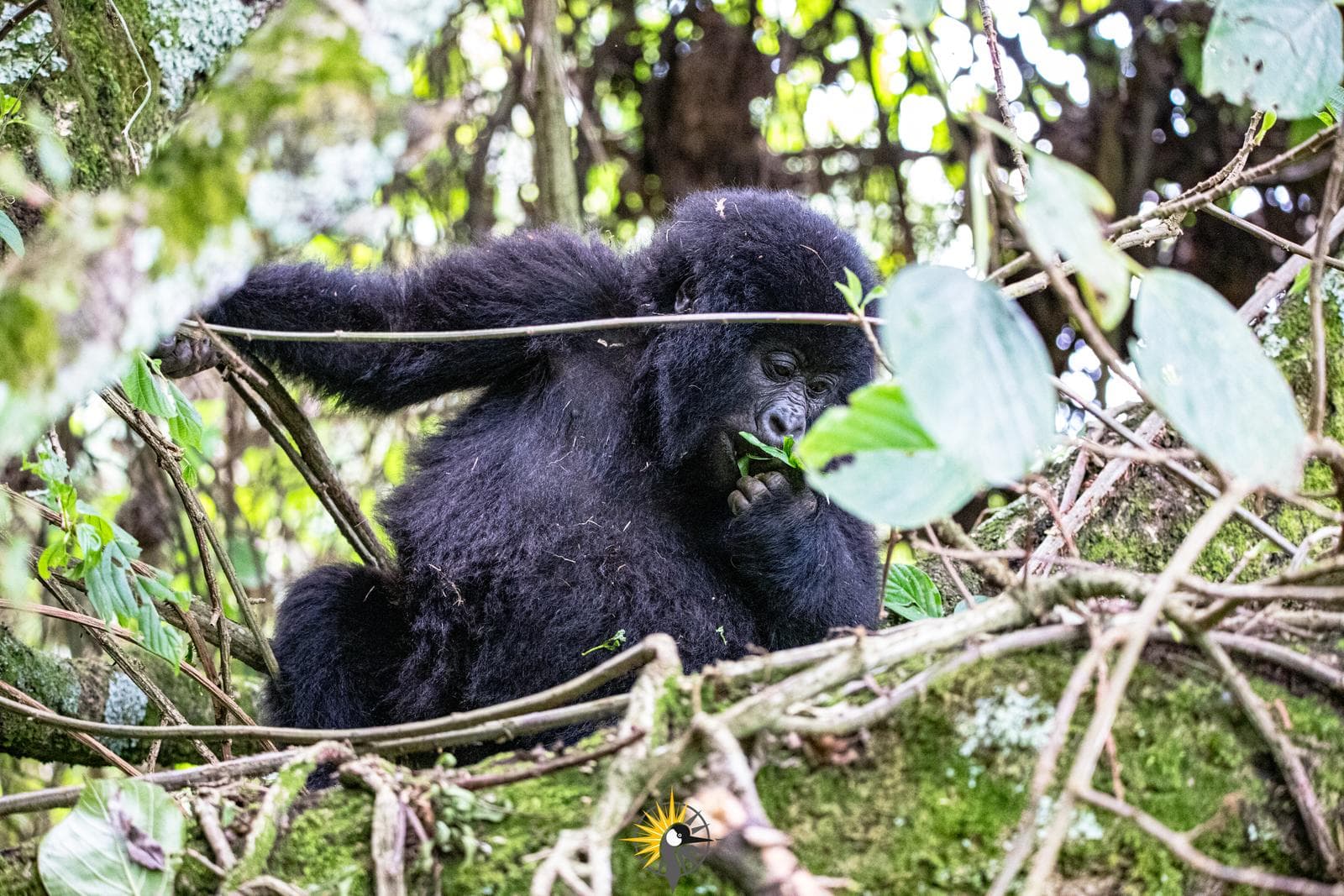
21 Days Epic East Africa safari, gorilla trekking in Bwindi, Big Five safaris and Zanzibar Beach escape
Related parks
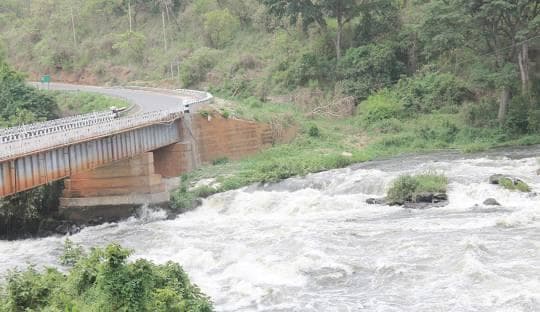
Karuma Falls
Karuma Falls is a stunning natural marvel renowned for its roaring rapids and awe-inspiring beauty. Located within the Karuma Wildlife Reserve, this site offers an immersive blend of scenic landscapes, adventure, and wildlife.
View park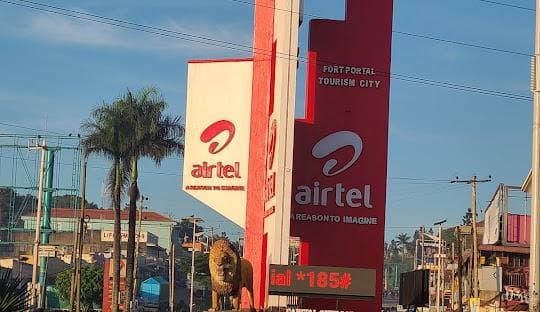
Fort portal
Explore Fort Portal, Uganda’s tourism capital, with Musana Tours, chimpanzee trekking, crater lakes, Rwenzori treks, cultural sites, and unforgettable adventures.
View park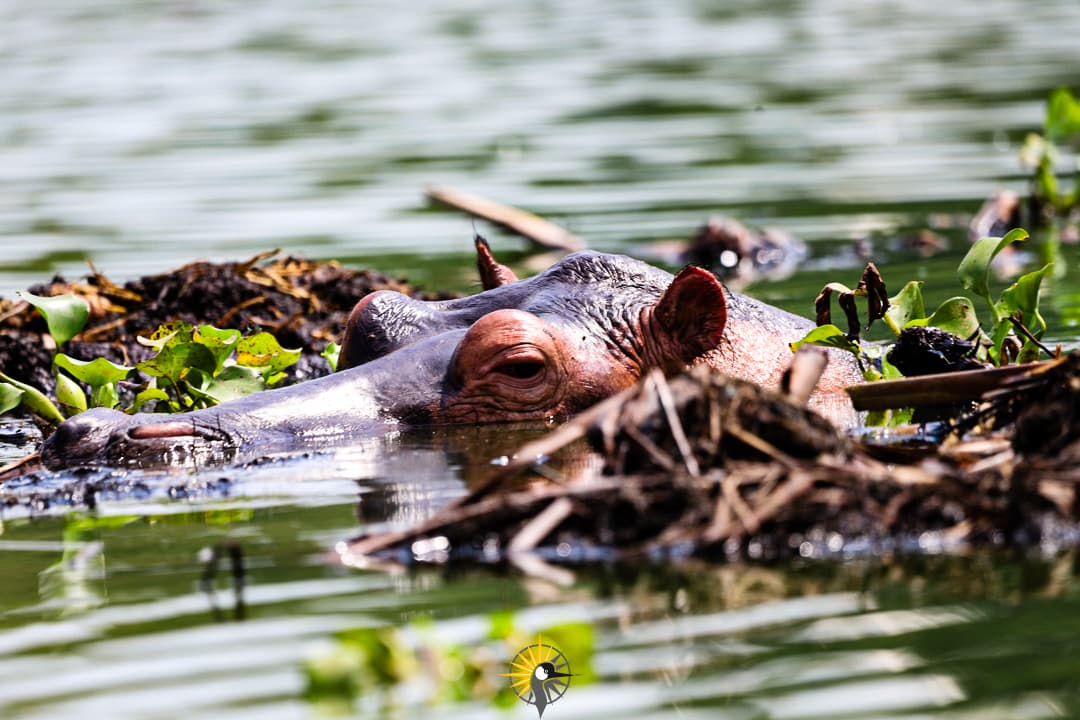
Kazinga channel
Explore the Kazinga Channel with Musana Tours and Travel. Enjoy boat safaris, hippos, crocodiles, elephants, and spectacular birdlife in Queen Elizabeth National Park.
View parkNews and Updates
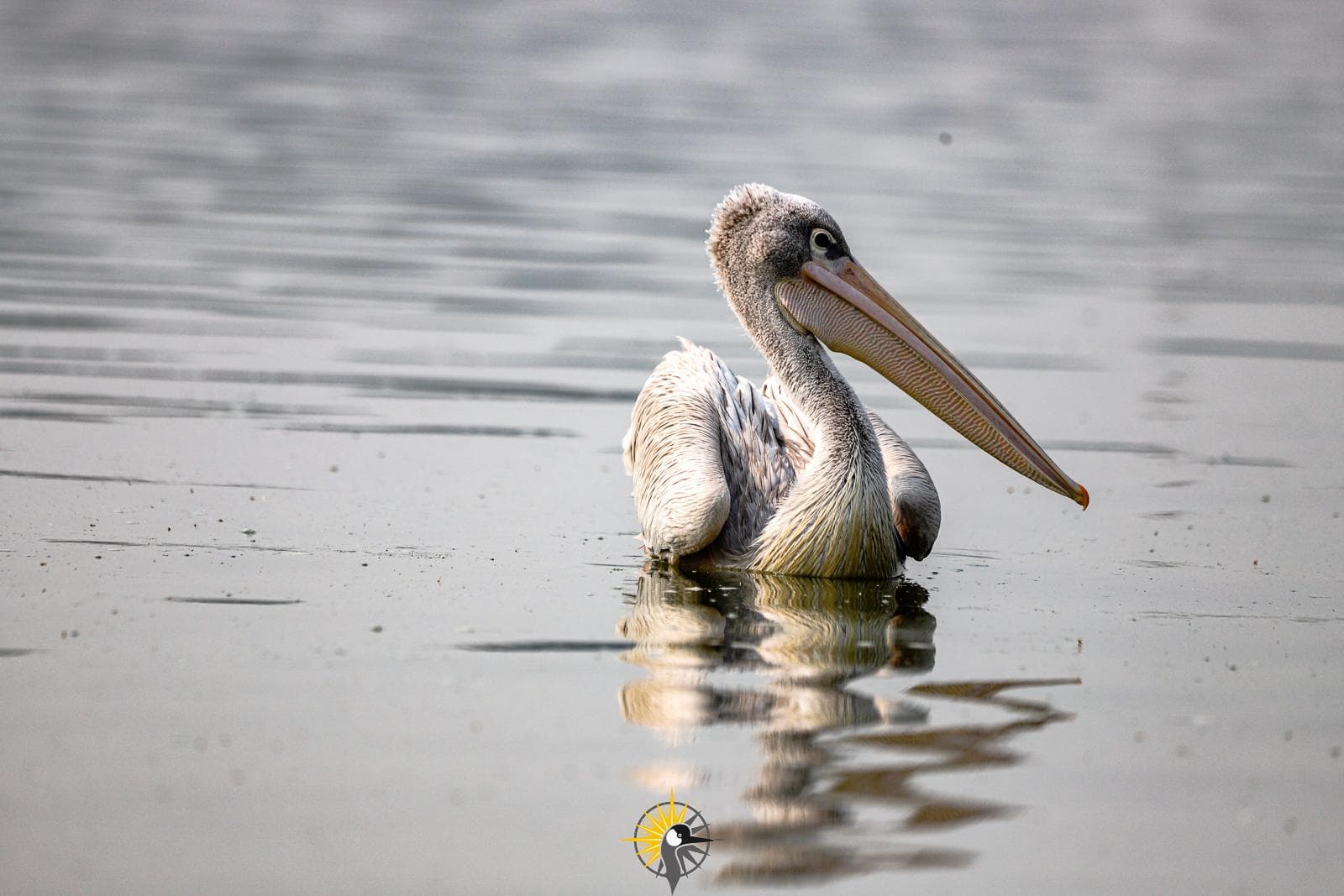
Birding in Queen Elizabeth National Park, A 7-Day Adventure with Musana Tours & Travel
Discover birding in Queen Elizabeth National Park on a 7-day guided safari. Spot shoebills, pelicans & raptors with Musana Tours & Travel.
Read more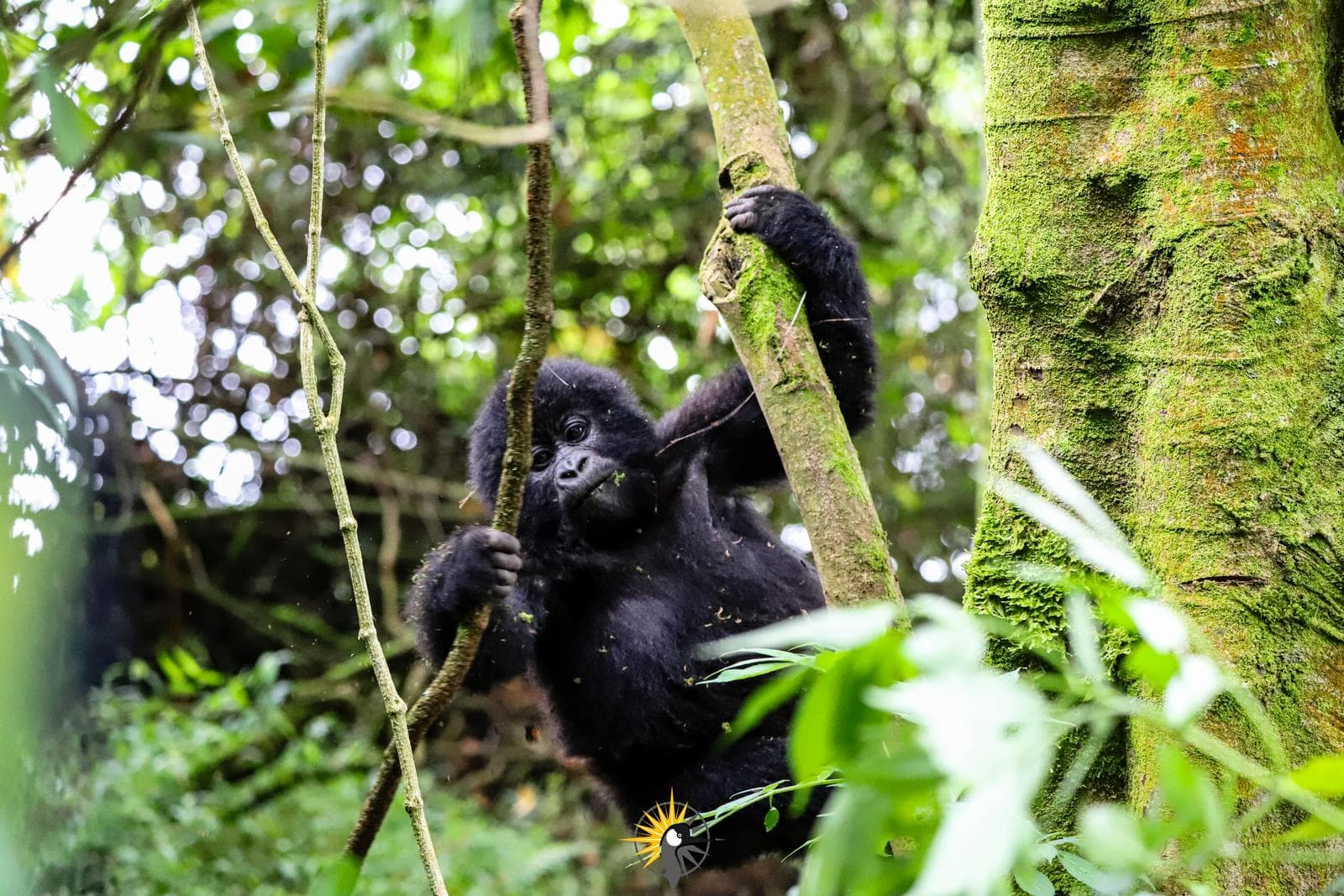
Gorilla trekking vs chimpanzee tracking, which should you choose?
Gorilla trekking vs chimpanzee tracking in Uganda—compare experiences, costs, and best parks to choose the perfect primate safari adventure.
Read more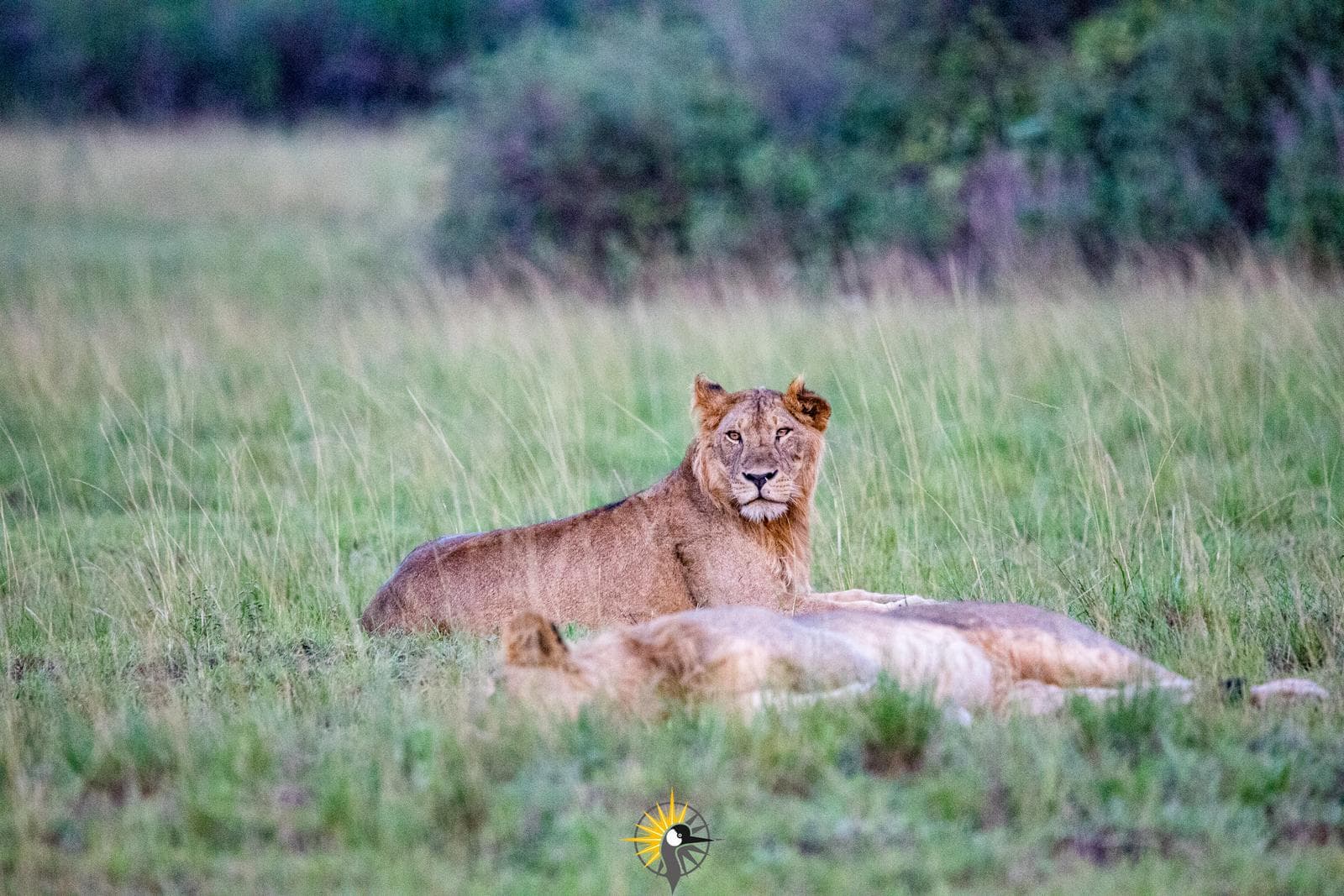
Best time to visit Uganda for wildlife
Discover the best time to visit Uganda for wildlife, from gorilla trekking to savannah safaris, with expert seasonal insights from Musana Tours & Travel.
Read more