Oribi
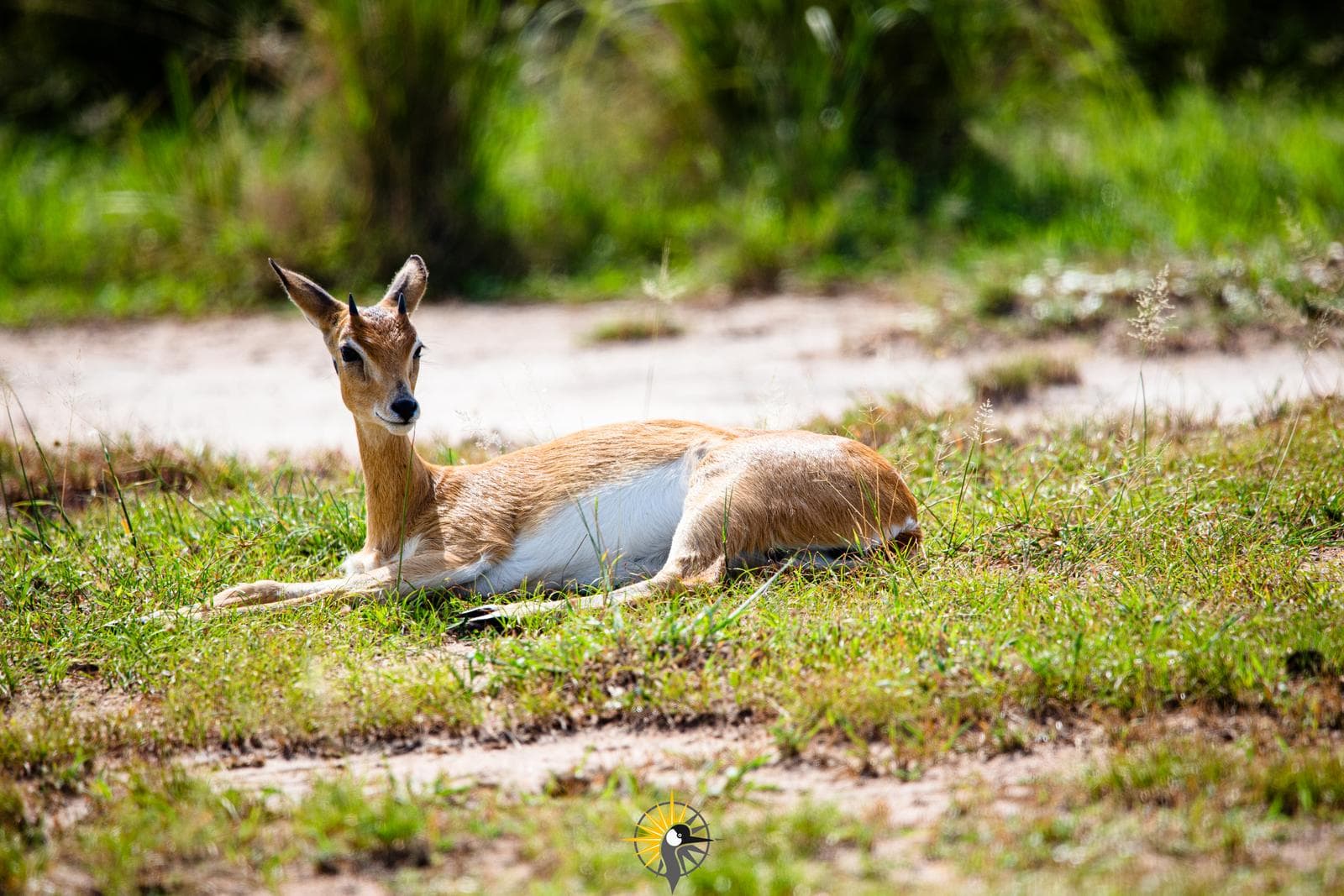
The Oribi (Ourebia ourebi) is one of the smallest and most delicate antelopes found in sub-Saharan Africa. Known for its graceful movements, slender build, and alert demeanor, the Oribi is a fascinating species that thrives in grasslands and open savannahs, making it a favorite among wildlife enthusiasts and photographers looking for elusive yet charming antelope species.
Physical Description
Oribis are slender, small-sized antelopes with a reddish-brown to tan coat that blends perfectly with the tall grasses of their habitat. Their underparts are lighter, often creamy white. Adult males typically weigh 12–22 kilograms, while females are slightly lighter. Males have short, straight, sharp horns that curve slightly backward, reaching up to 15 centimeters, while females are hornless.
They are built for speed and agility, capable of quick bursts to escape predators. Their long, thin legs and graceful movements make them one of Africa’s most elegant antelope species.
Habitat and Distribution
Oribis are found throughout East and Southern Africa, favoring open grasslands, savannahs, floodplains, and lightly wooded areas with short grasses for grazing. Key countries and regions include:
- Uganda: Murchison Falls National Park, Kidepo Valley National Park, and parts of Queen Elizabeth National Park
- Kenya: Maasai Mara and Amboseli ecosystems
- Tanzania: Serengeti National Park and Tarangire National Park
- Other countries: South Africa, Zambia, Mozambique, and Malawi
They prefer areas with ample visibility to spot predators, including lions, leopards, cheetahs, and African wild dogs.
Behavior and Diet
Oribi are primarily grazers, feeding on short grasses and herbs, and occasionally on shoots from low shrubs. They are diurnal, most active during early morning and late afternoon. Oribi are shy and alert, often standing motionless to avoid detection before bounding away in rapid zigzag escapes when threatened.
Herds are usually small, consisting of 2–10 individuals, though larger aggregations can form in areas with abundant resources. Males are territorial, marking boundaries with dung and scent, and defending their territory against rivals to secure mating rights.
Reproduction
The breeding season varies by region, but in most East African populations, it peaks during the wet season, when food is plentiful. After a gestation period of about 6–7 months, females give birth to a single calf. Newborns are hidden in tall grass for safety and join the herd once strong enough to evade predators.
Conservation Status
Oribi are classified as Least Concern by the IUCN, though localized threats exist due to:
- Habitat loss from agriculture and human settlement
- Hunting for meat in rural areas
- Competition with livestock for grazing
Populations remain stable in protected areas such as Murchison Falls, Kidepo Valley, Serengeti, and Maasai Mara, highlighting the importance of wildlife reserves.
Ecological Role
As small grazers, Oribi play a vital role in grassland ecosystems. They help maintain grass cover, disperse seeds, and provide prey for small and medium-sized predators. Their presence indicates healthy savannah habitats, as they require intact grassland and minimal human disturbance.
Observing Oribi
Oribis are elusive and fast-moving, making them a rewarding species to spot in the wild. For optimal viewing:
- Visit Uganda’s Murchison Falls or Kidepo Valley for smaller herds
- Explore Kenya’s Maasai Mara or Amboseli during the dry season
- Focus on open grasslands with short vegetation, where Oribi are more visible
- Early morning and late afternoon are the best times for wildlife observation
Conclusion
The Oribi is a small, elegant, and highly alert antelope that adds diversity and charm to East Africa’s wildlife. Its delicate build and graceful movements make it a favorite among safari-goers and photographers. Protecting grasslands and wetlands ensures the continued survival of this beautiful antelope across Uganda, Kenya, Tanzania, and the wider region.
Related Animals
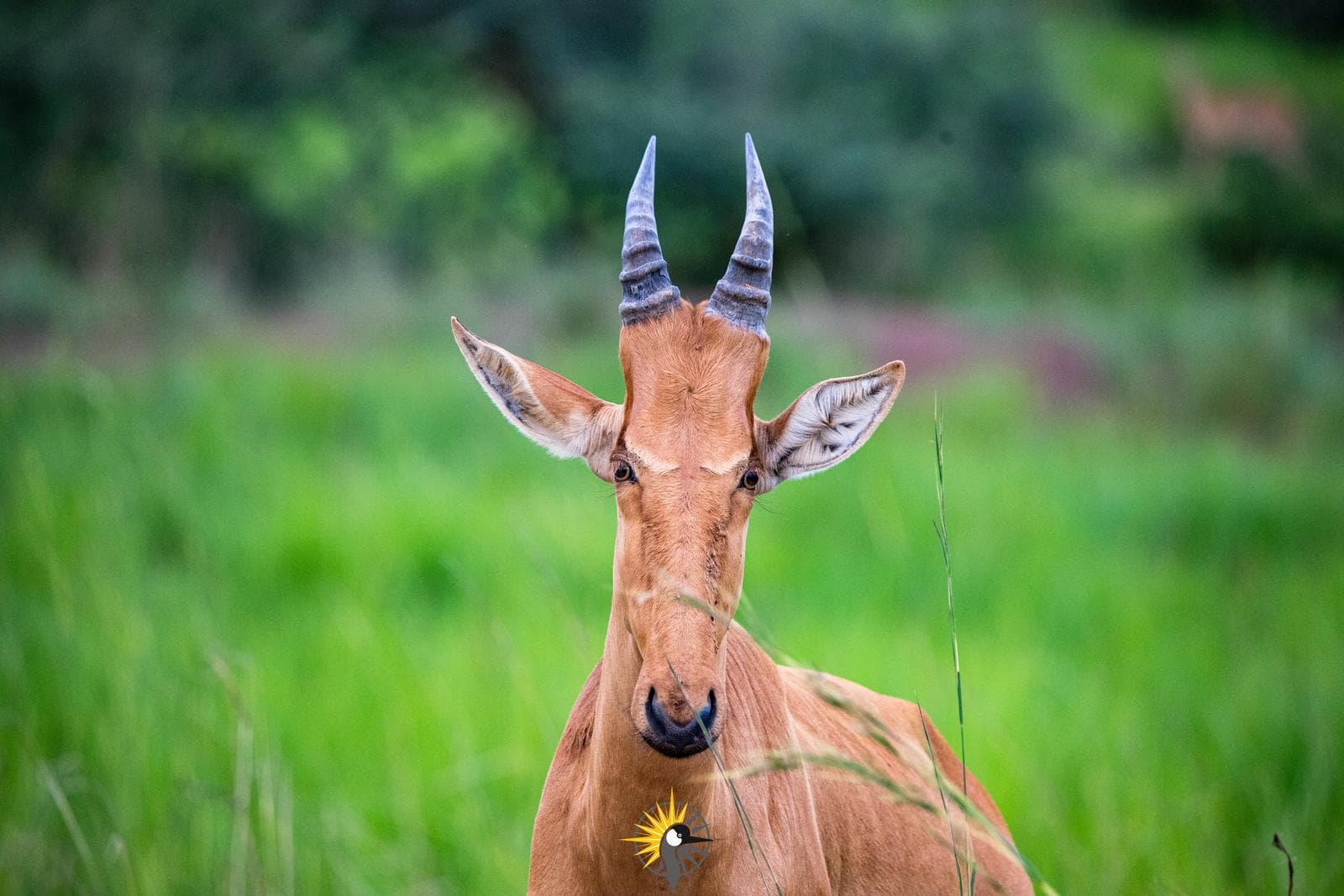
Jackson’s Hartebeest
Discover the Jackson’s Hartebeest on an East African safari with Musana Tours and Travel. Learn about its habitat, behavior, and the best places to see this rare antelope in Uganda.
View animal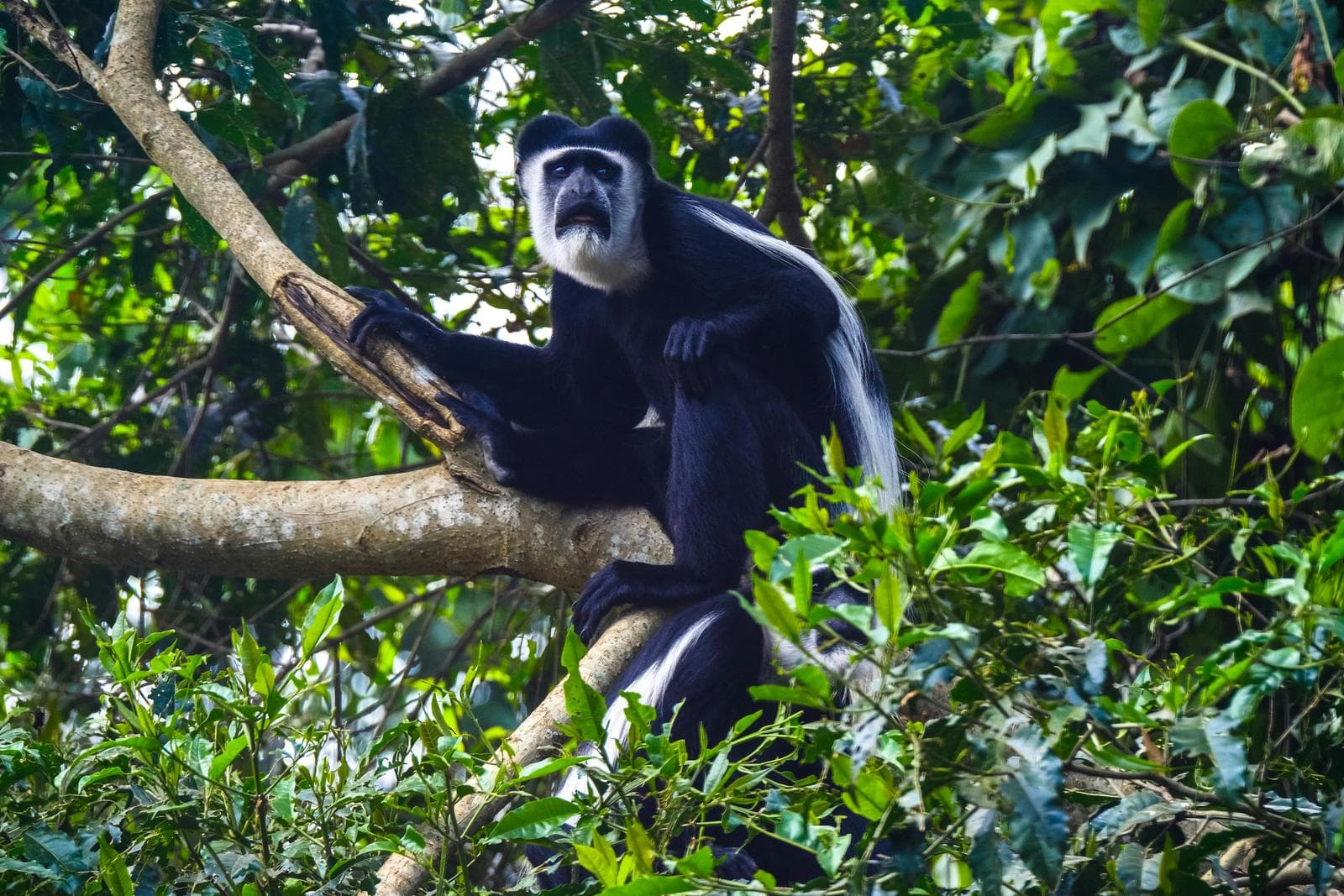
The black and white colobus monkey
Explore the black-and-white colobus monkey in East Africa, its forest habitats, unique behavior, and how responsible tourism supports conservation.
View animal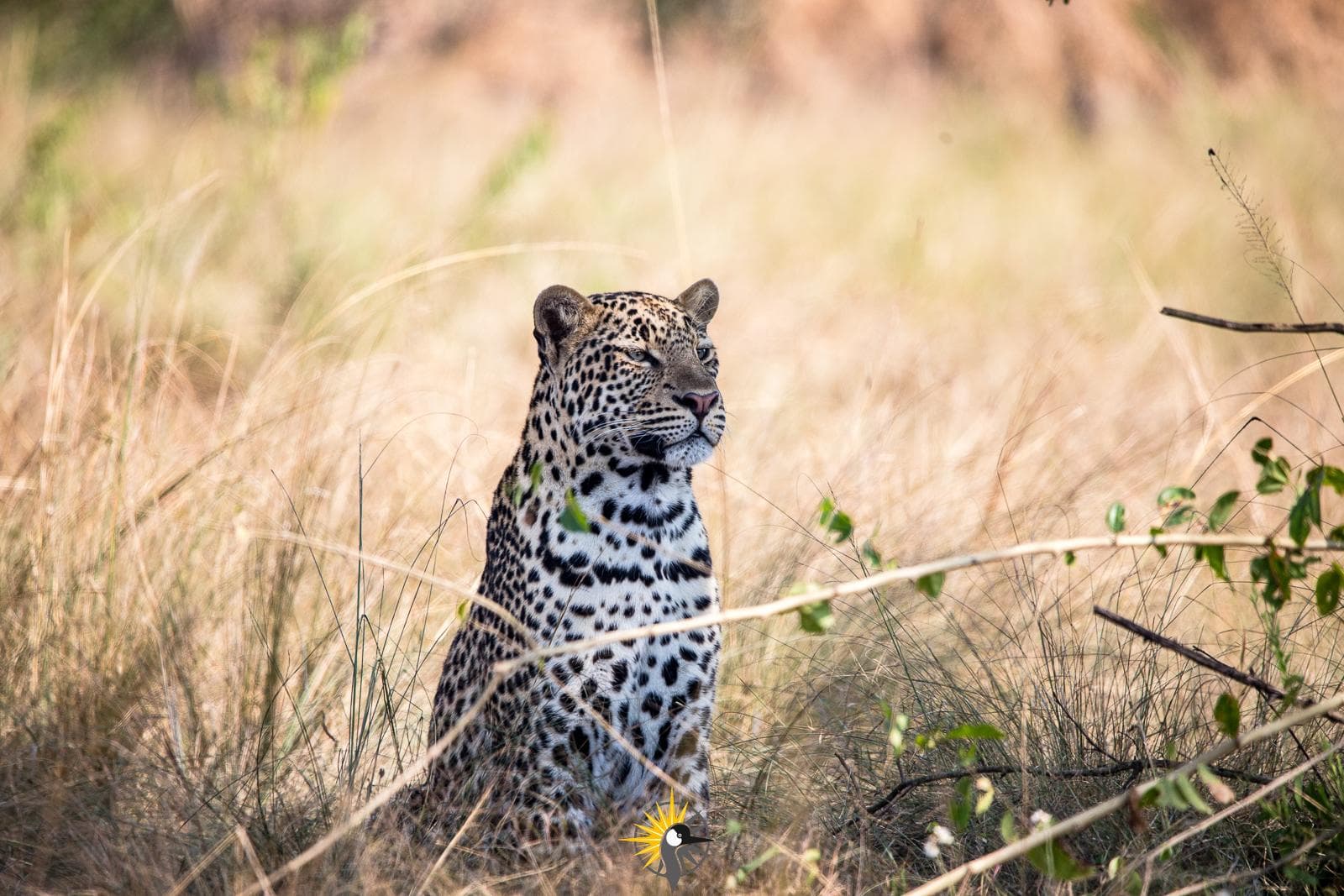
The Leopard
Discover leopards in East Africa, from Uganda’s Queen Elizabeth Park to the Serengeti, and learn about their behavior, habitats, and conservation.
View animalTop safaris
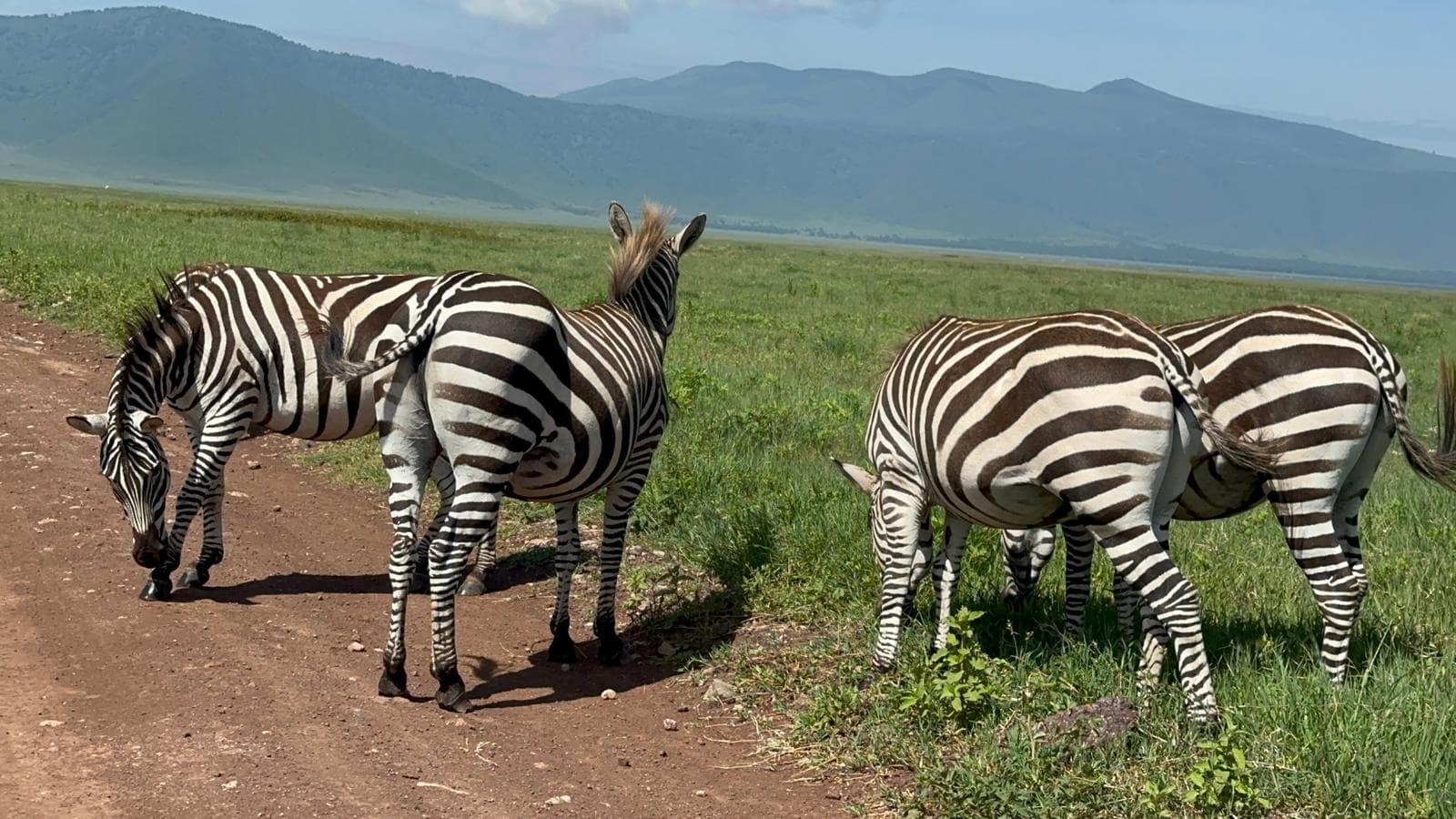
9 Days Gorilla tracking in Uganda, Tarangire, Ngorongoro, and Serengeti National Park in Tanzania
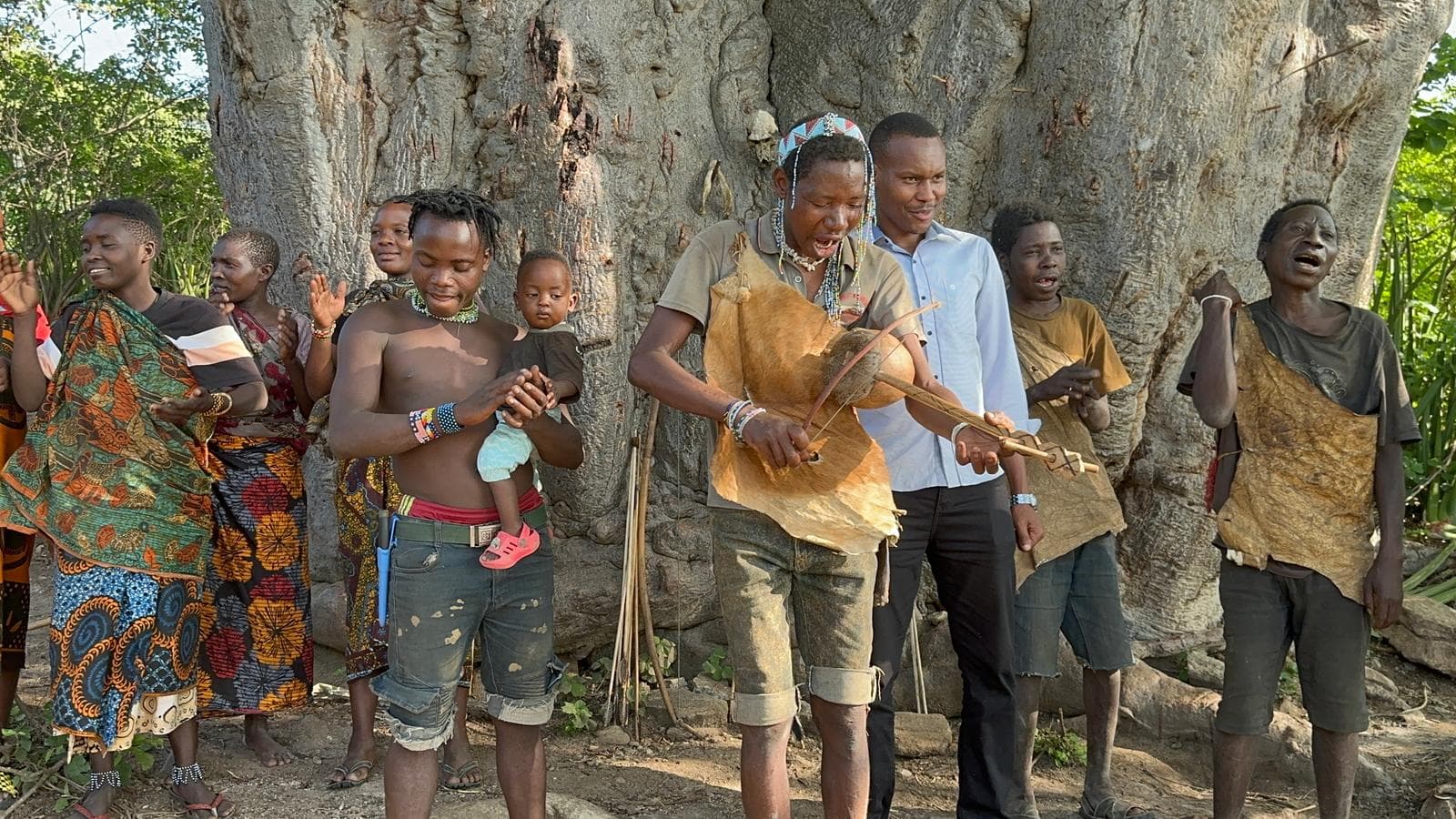
3 Days Hadzabe, Masai and Ngorongoro Crater Safari, Tanzania
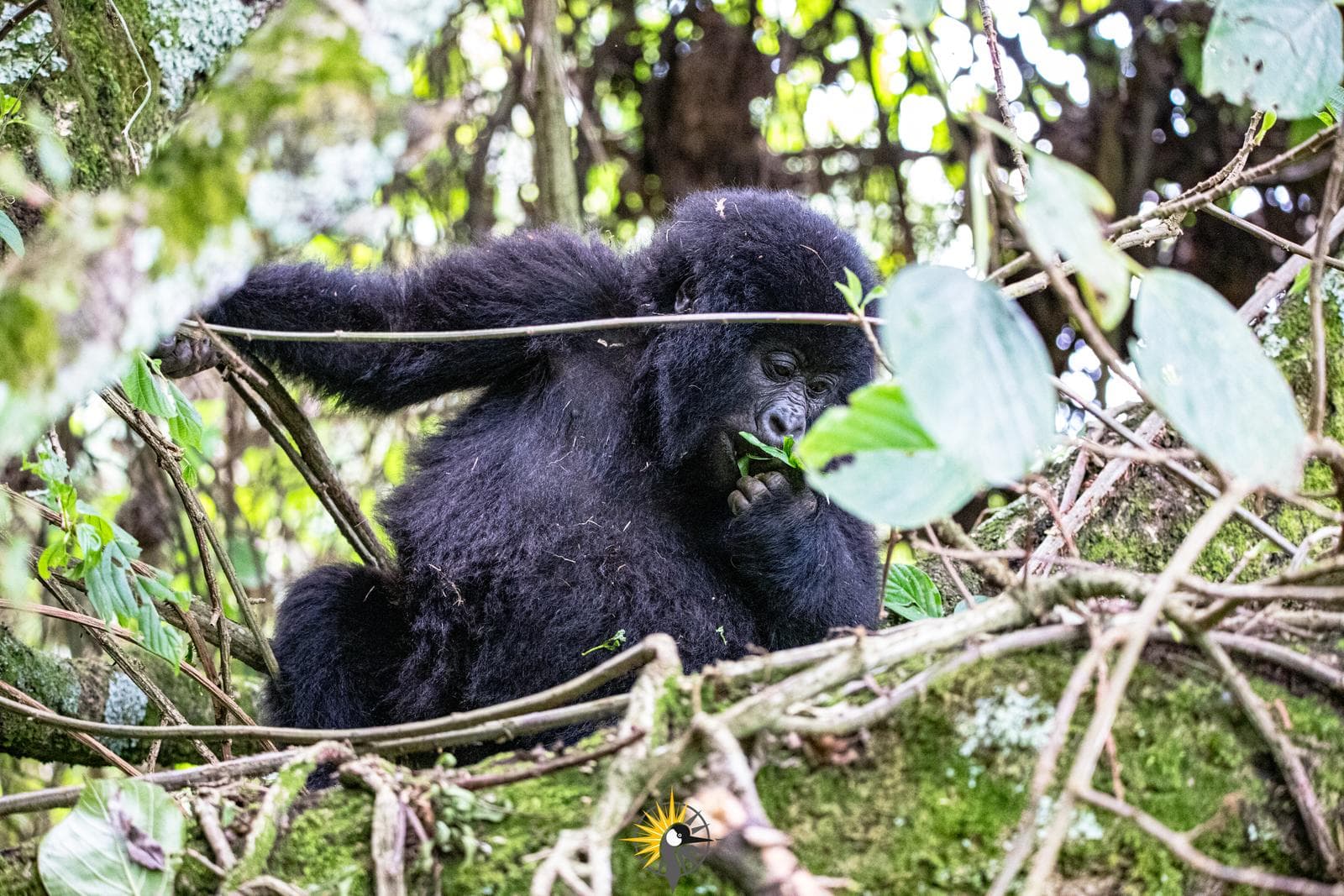
21 Days Epic East Africa safari, gorilla trekking in Bwindi, Big Five safaris and Zanzibar Beach escape
News and Updates
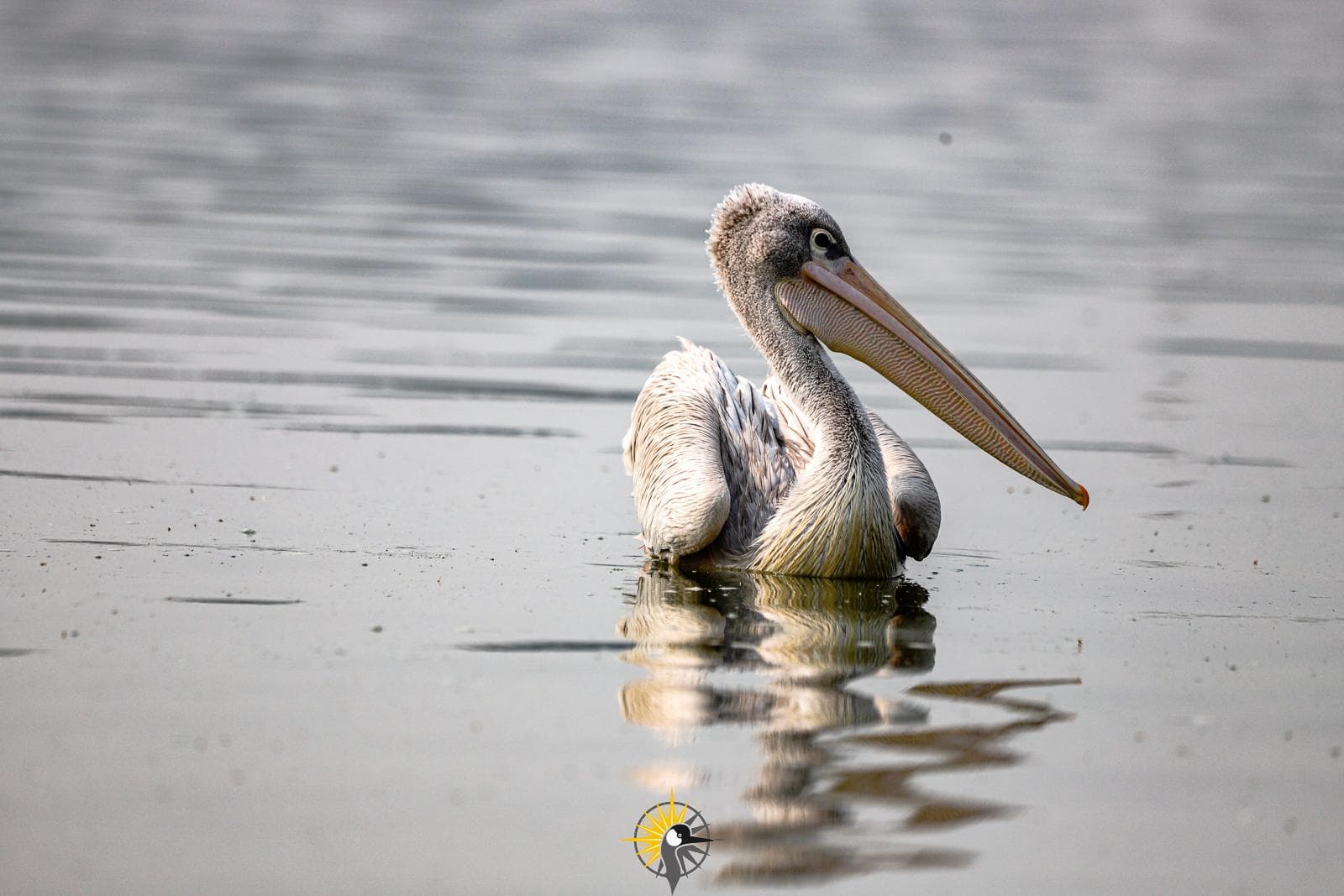
Birding in Queen Elizabeth National Park, A 7-Day Adventure with Musana Tours & Travel
Discover birding in Queen Elizabeth National Park on a 7-day guided safari. Spot shoebills, pelicans & raptors with Musana Tours & Travel.
Read more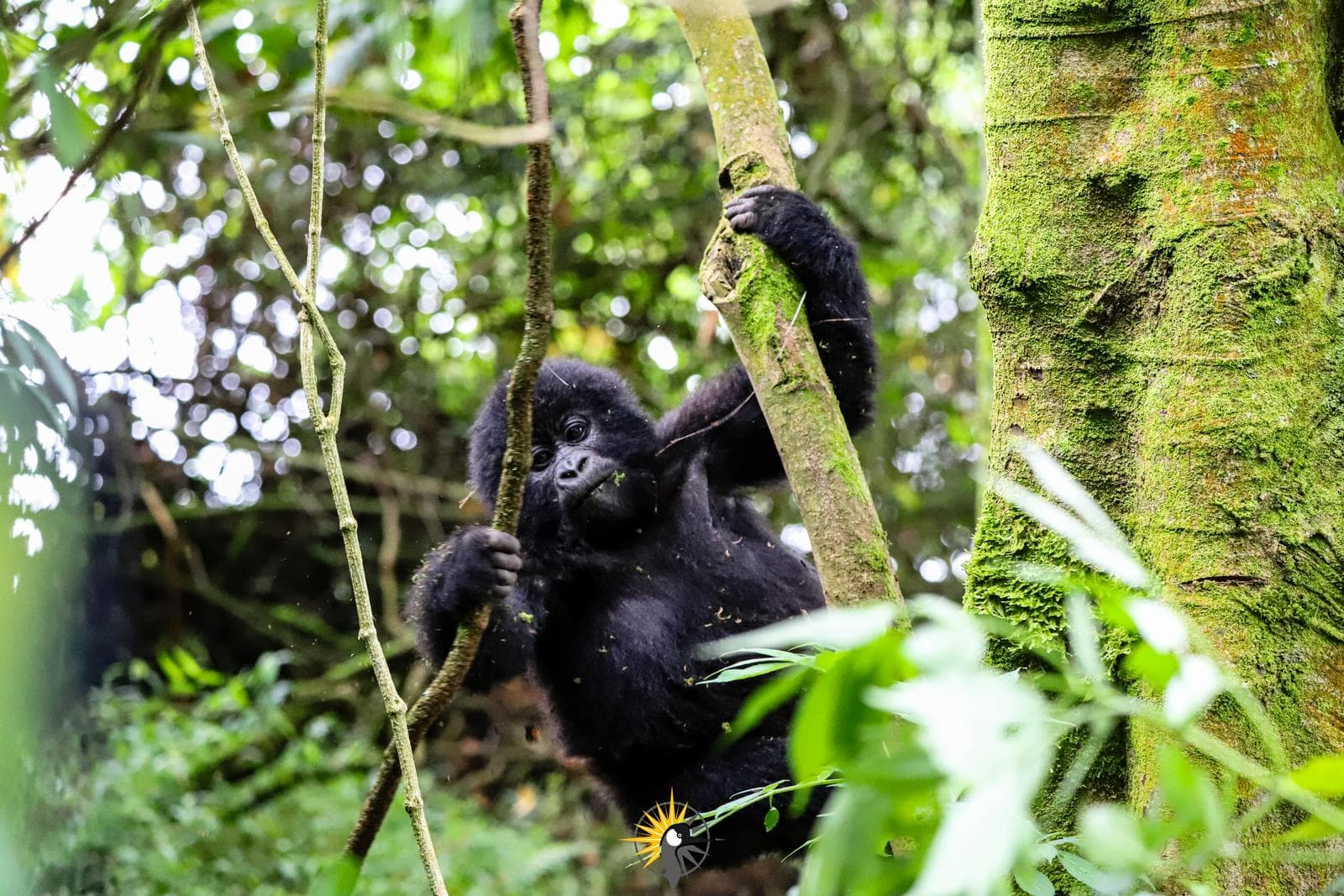
Gorilla trekking vs chimpanzee tracking, which should you choose?
Gorilla trekking vs chimpanzee tracking in Uganda—compare experiences, costs, and best parks to choose the perfect primate safari adventure.
Read more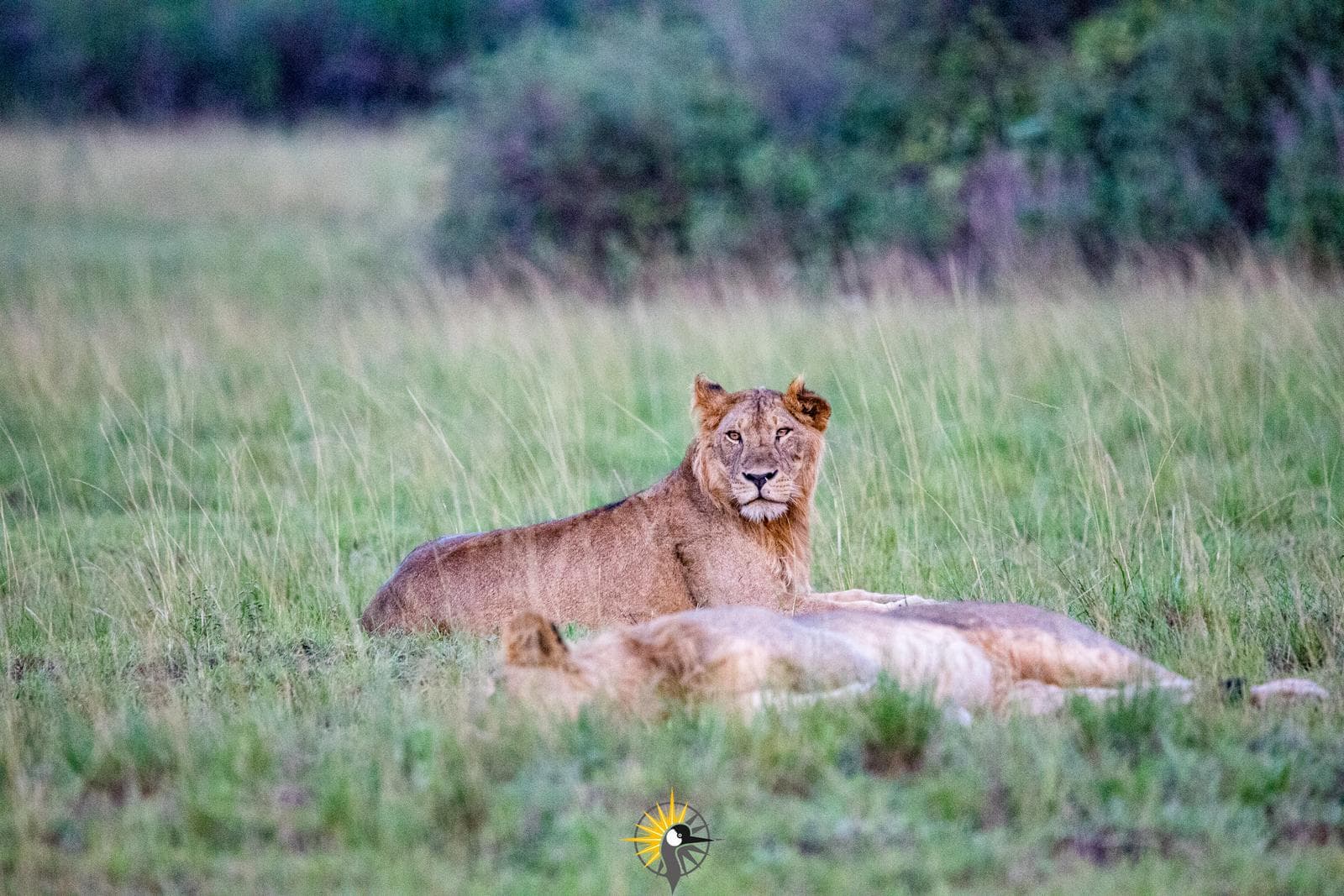
Best time to visit Uganda for wildlife
Discover the best time to visit Uganda for wildlife, from gorilla trekking to savannah safaris, with expert seasonal insights from Musana Tours & Travel.
Read more