The Eland
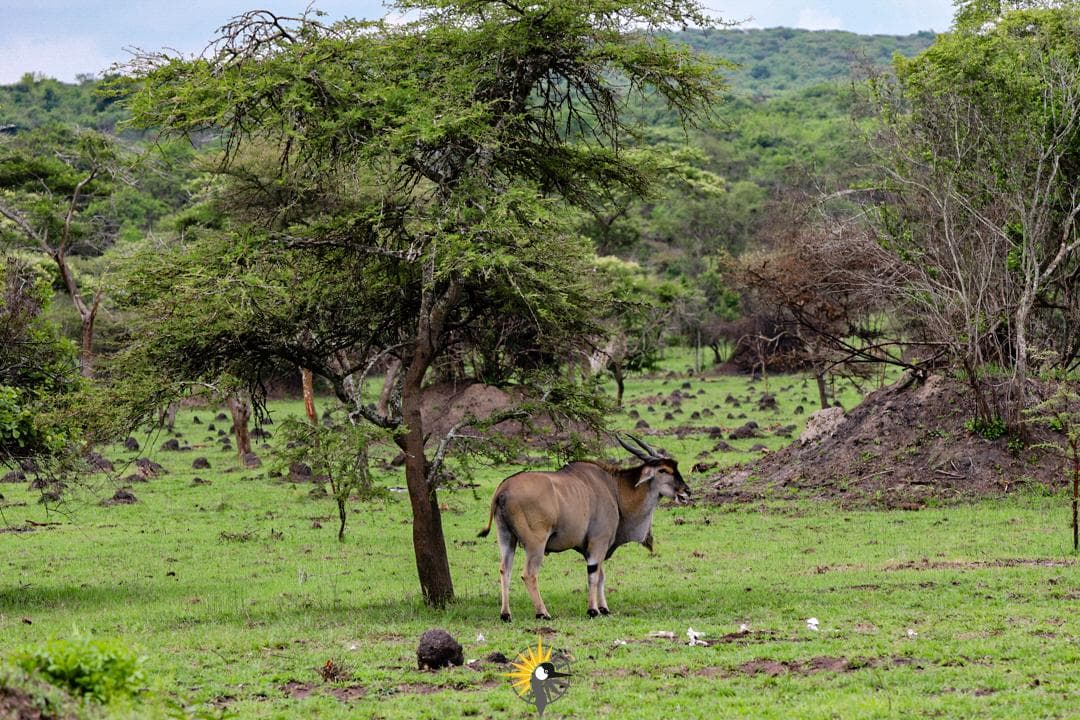
The Common Eland (Taurotragus oryx), also known as the Giant Eland, is the largest species of antelope in East Africa. Renowned for its impressive size, graceful movements, and striking spiral horns, the eland is an iconic species of the region’s savannahs and woodlands. Its presence is a highlight for wildlife enthusiasts exploring Uganda, Kenya, Tanzania, and Rwanda, offering a glimpse of Africa’s majestic grassland herbivores.
Physical Description
Elands are massive antelopes, with males weighing between 400–1,000 kilograms and standing up to 1.6 meters at the shoulder. Females are slightly smaller and more slender. Their coat ranges from light tan to grayish-brown, often with faint vertical white stripes, which help with camouflage in tall grasses. Both males and females possess long, tightly spiraled horns, although male horns are thicker and more robust. Despite their size, elands are surprisingly agile and can leap high obstacles when escaping predators.
Habitat and Distribution
Elands are highly adaptable and inhabit savannahs, open woodlands, grasslands, and dry plains throughout East Africa. They are found in Uganda, particularly in Lake Mburo National Park and Kidepo Valley National Park, where open plains provide ample grazing opportunities. In Kenya, elands roam the Maasai Mara and Amboseli regions, while in Tanzania, they are present in Serengeti National Park, Tarangire National Park, and Ngorongoro Conservation Area. Rwanda’s Akagera National Park also hosts healthy eland populations.
Elands prefer areas with abundant grasses, shrubs, and seasonal water sources. They are highly adaptable, able to survive in both arid and wetter regions.
Behavior and Social Structure
Elands are diurnal and social animals, usually found in herds ranging from 10 to 100 individuals. Herds are often led by females, with males joining during the breeding season. They are generally calm and non-territorial, though males may display dominance through ritualized displays, including horn posturing and mock fights.
These antelopes are mostly grazers, but they will browse shrubs and leaves when grass is scarce. Their movement patterns are influenced by water availability and seasonal grazing needs, often migrating short distances to follow food and water sources.
Diet and Feeding Habits
Elands are herbivorous and mixed feeders, primarily grazing on grasses but supplementing their diet with leaves, branches, seeds, and fruits. Their large body size allows them to reach higher vegetation than smaller antelopes, giving them access to a broader range of food sources. Elands are also known to dig for roots or tubers during dry periods, showing adaptability to changing environmental conditions.
Reproduction
Breeding occurs throughout the year, with peaks during the wet season when resources are abundant. Females give birth to a single calf after a gestation period of approximately nine months. Calves are well-camouflaged at birth, hiding in tall grasses to avoid predators such as lions, leopards, hyenas, and wild dogs. Young elands grow quickly and join the herd after a few weeks, benefiting from the protection and guidance of the group.
Conservation Status
The Common Eland is classified as Least Concern by the IUCN due to its wide distribution and stable populations. However, threats include habitat loss from agriculture, human settlement, and hunting for meat or trophies. Conservation efforts in national parks across Uganda, Kenya, Tanzania, and Rwanda help protect populations and maintain ecological balance.
Ecological Role
Elands play an important role in savannah ecosystems, contributing to vegetation management through grazing and browsing. Their movement across plains also aids in seed dispersal and nutrient cycling, supporting biodiversity in grasslands and woodlands. As prey, they support large predators, helping maintain the predator-prey balance critical to healthy ecosystems.
Observing Elands
Elands are relatively visible due to their large size and preference for open habitats. Safari-goers can spot them:
- Grazing on open plains in Uganda’s Lake Mburo and Kidepo Valley National Parks
- Roaming Maasai Mara and Tsavo national parks in Kenya
- Moving across the Serengeti, Tarangire, and Ngorongoro Crater in Tanzania
- In Rwanda’s Akagera National Park, often in mixed herds with zebras, antelopes, and buffalo
The early morning and late afternoon are the best times to observe elands grazing and interacting in herds. Their majestic presence makes them a favorite subject for photography.
Conclusion
The Eland is a majestic and resilient giant antelope that embodies the grandeur of East Africa’s savannahs. From Uganda’s plains to Rwanda’s protected habitats, Kenya’s iconic grasslands, and Tanzania’s vast national parks, elands provide unforgettable wildlife encounters for safari enthusiasts. Protecting their habitats ensures that these impressive antelopes continue to thrive across East Africa’s diverse landscapes.
Related Animals
The Rhino
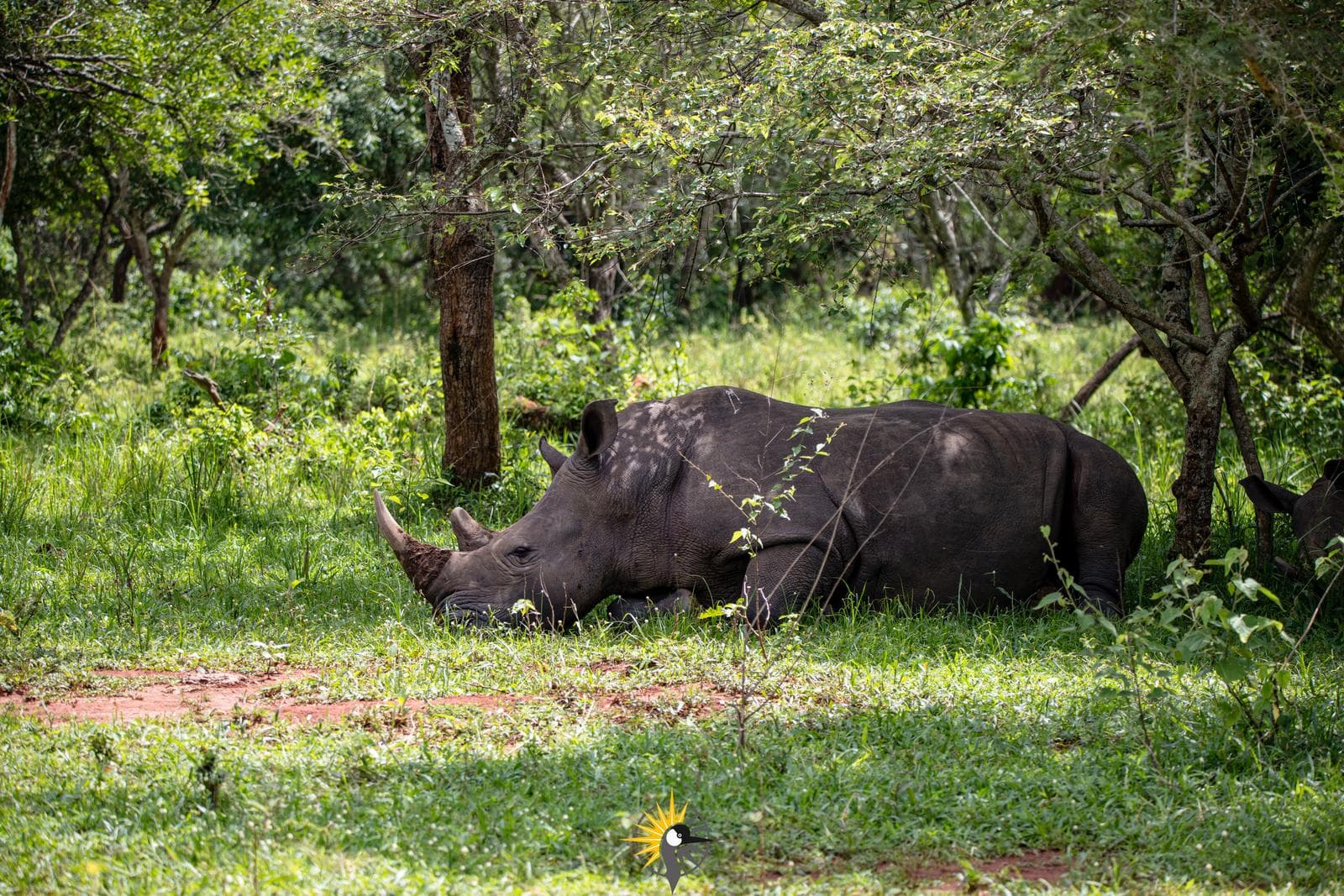
Discover rhinos in East Africa, from Kenya’s Ol Pejeta to Uganda’s Ziwa Sanctuary, and learn about species, habitats, and conservation.
View animal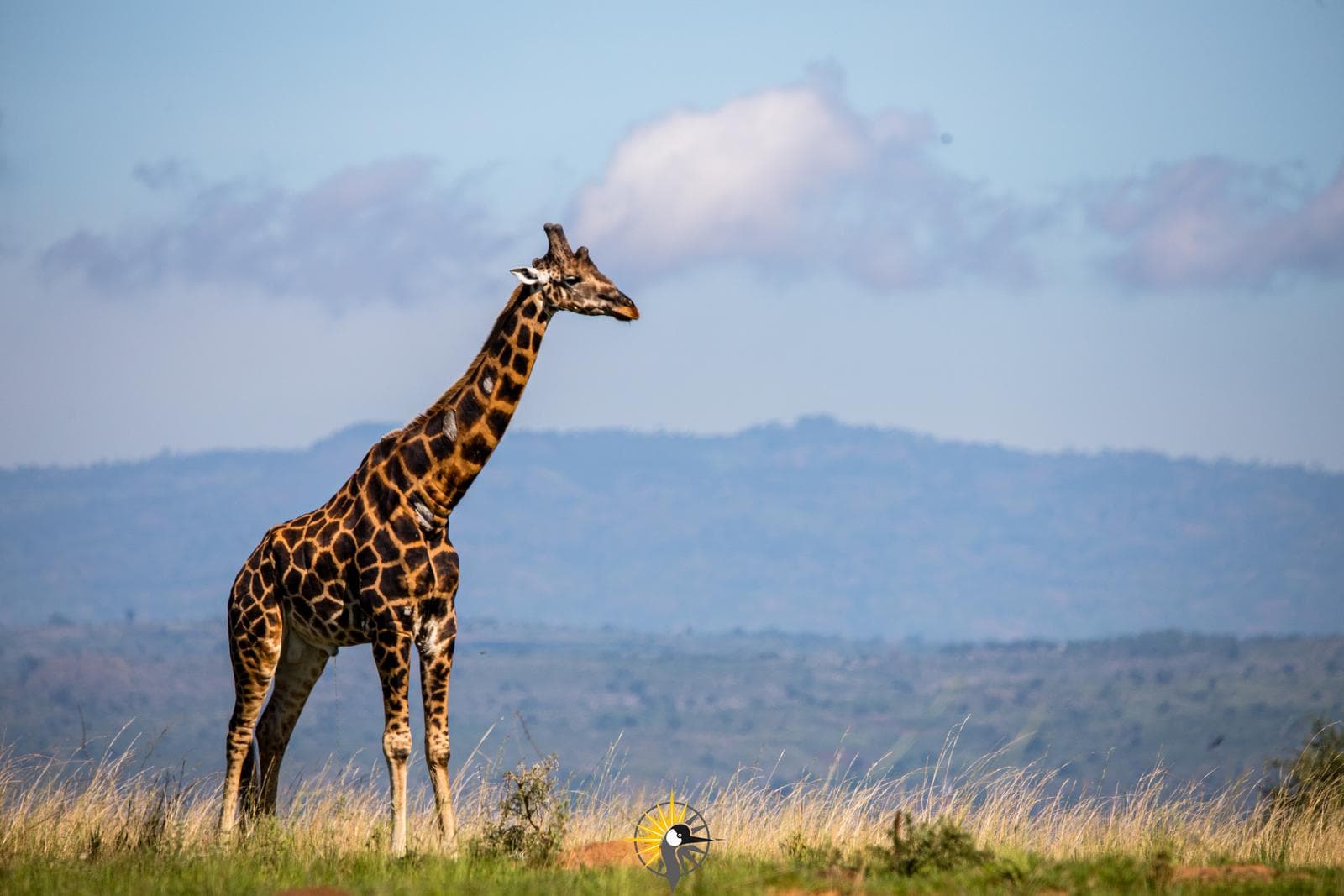
The African Giraffe
Discover giraffes in East Africa, from Rothschild’s giraffes in Uganda to Reticulated giraffes in Kenya, and explore top safari destinations.
View animal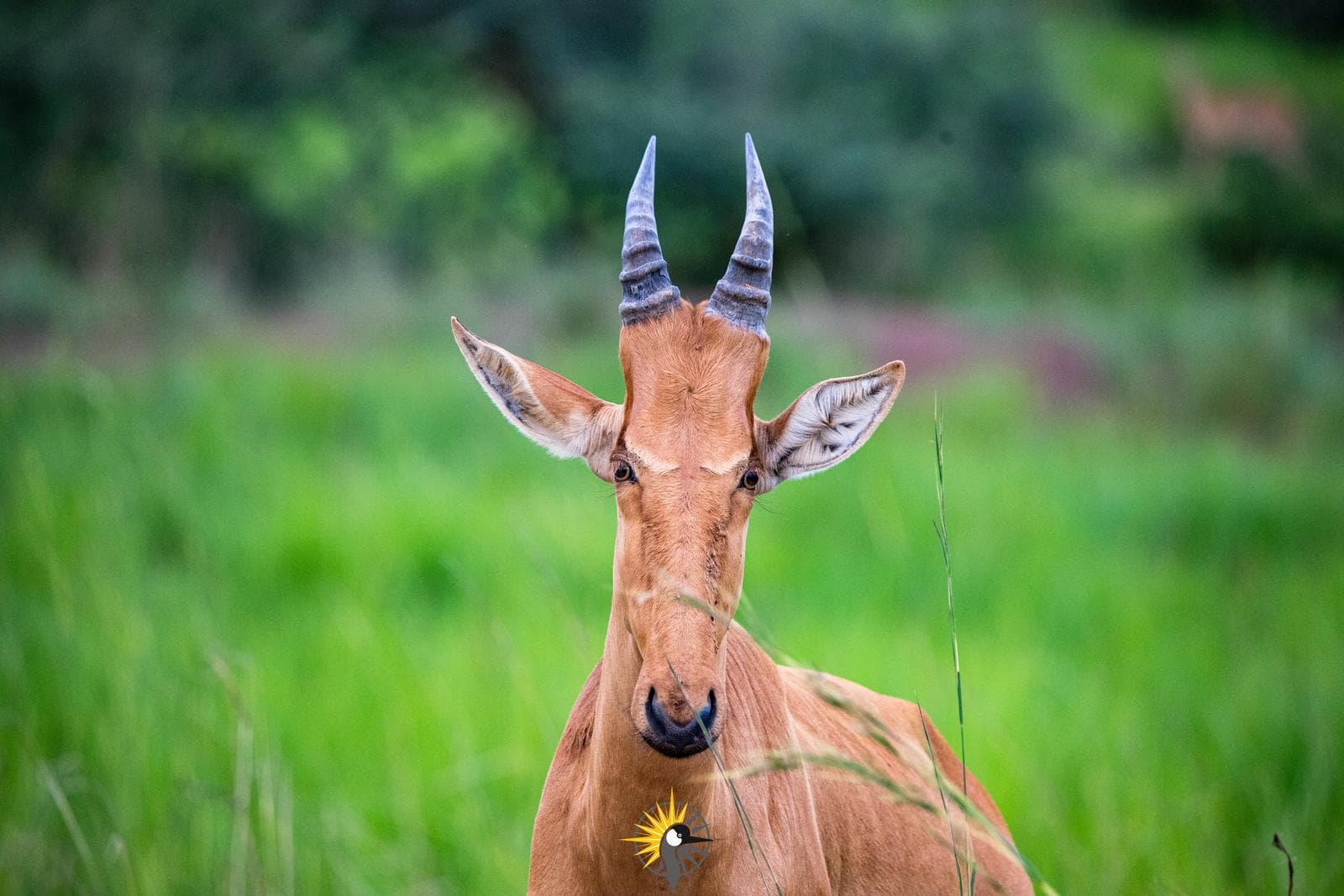
Jackson’s Hartebeest
Discover the Jackson’s Hartebeest on an East African safari with Musana Tours and Travel. Learn about its habitat, behavior, and the best places to see this rare antelope in Uganda.
View animalTop safaris
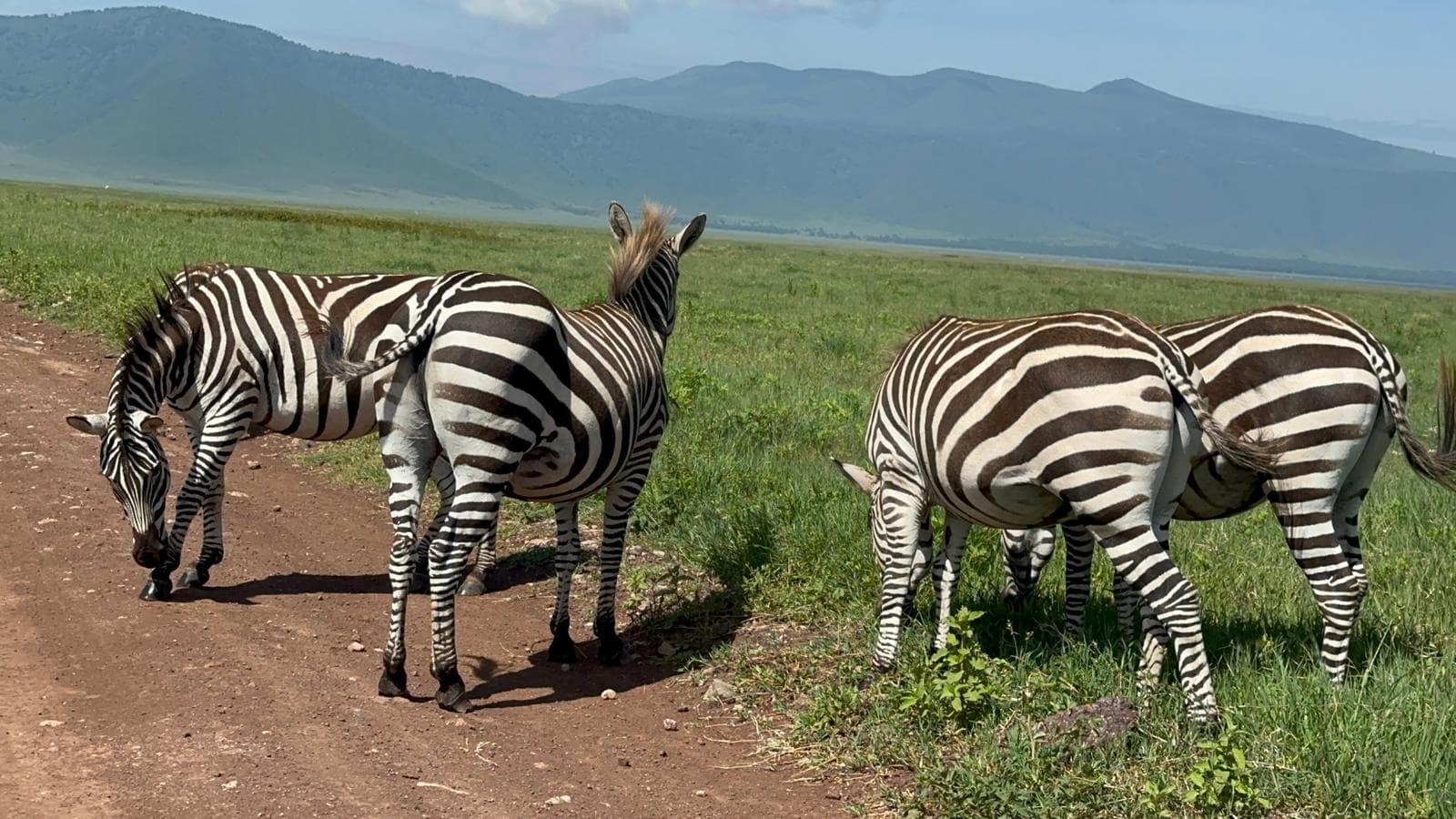
9 Days Gorilla tracking in Uganda, Tarangire, Ngorongoro, and Serengeti National Park in Tanzania
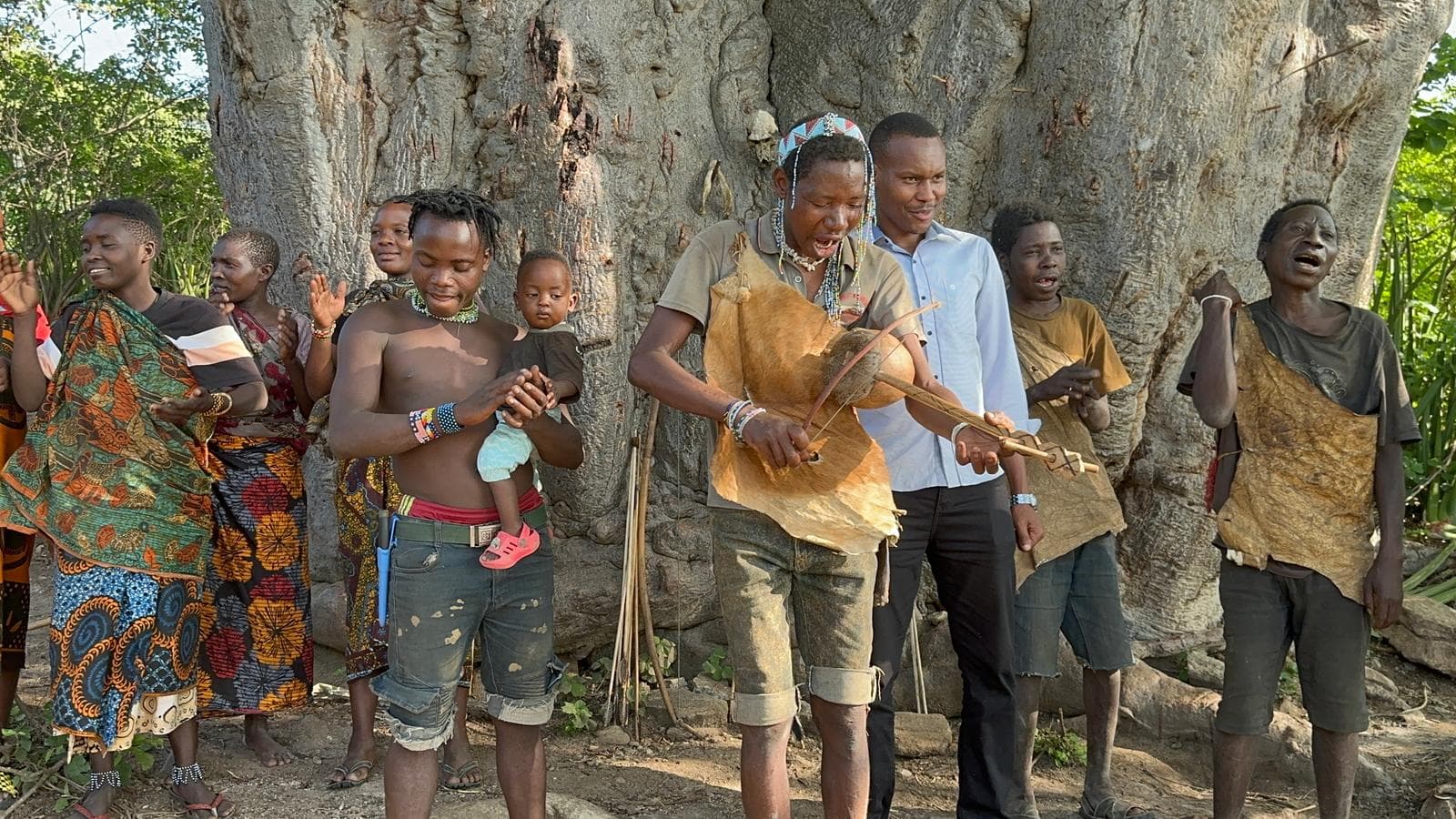
3 Days Hadzabe, Masai and Ngorongoro Crater Safari, Tanzania
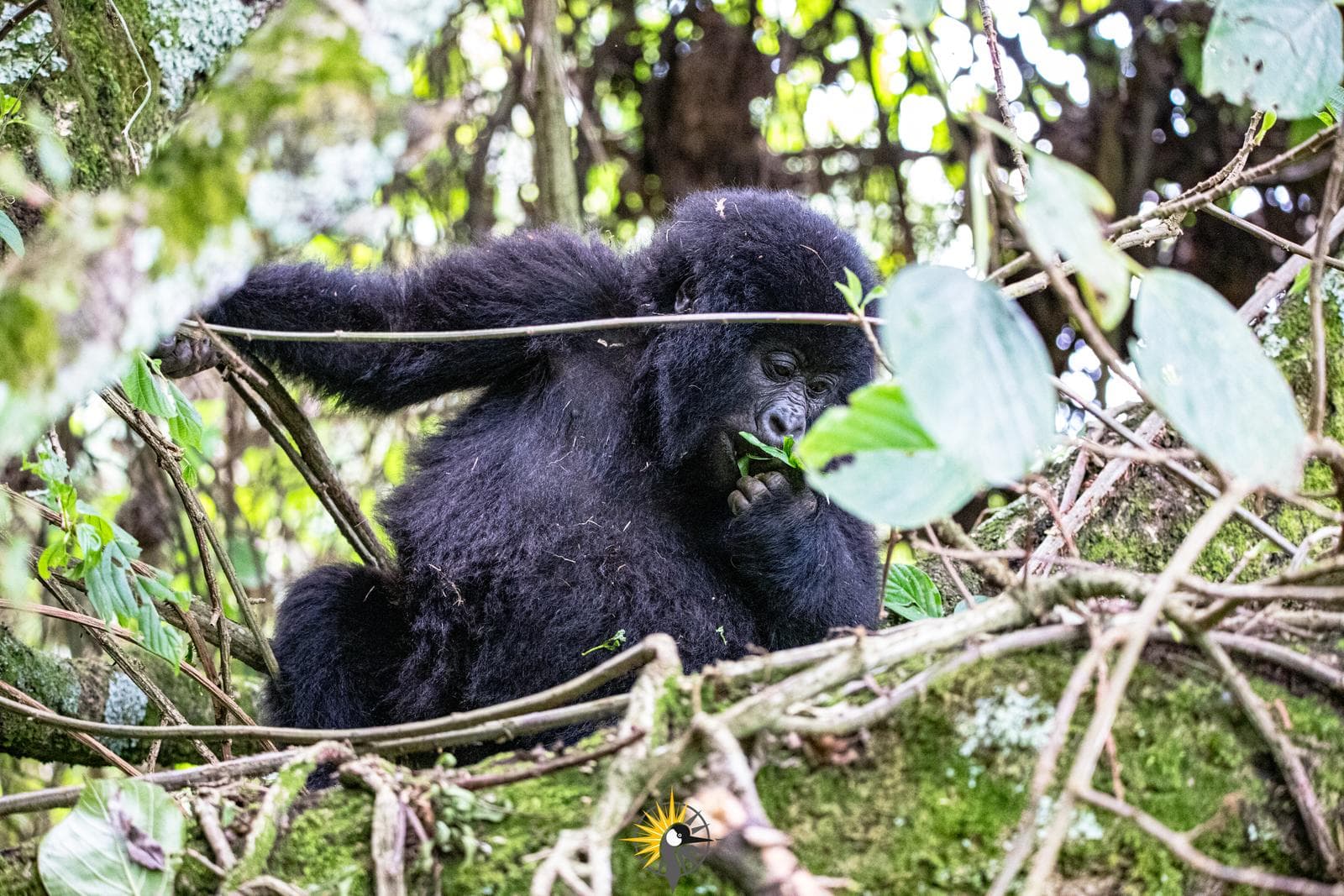
21 Days Epic East Africa safari, gorilla trekking in Bwindi, Big Five safaris and Zanzibar Beach escape
News and Updates
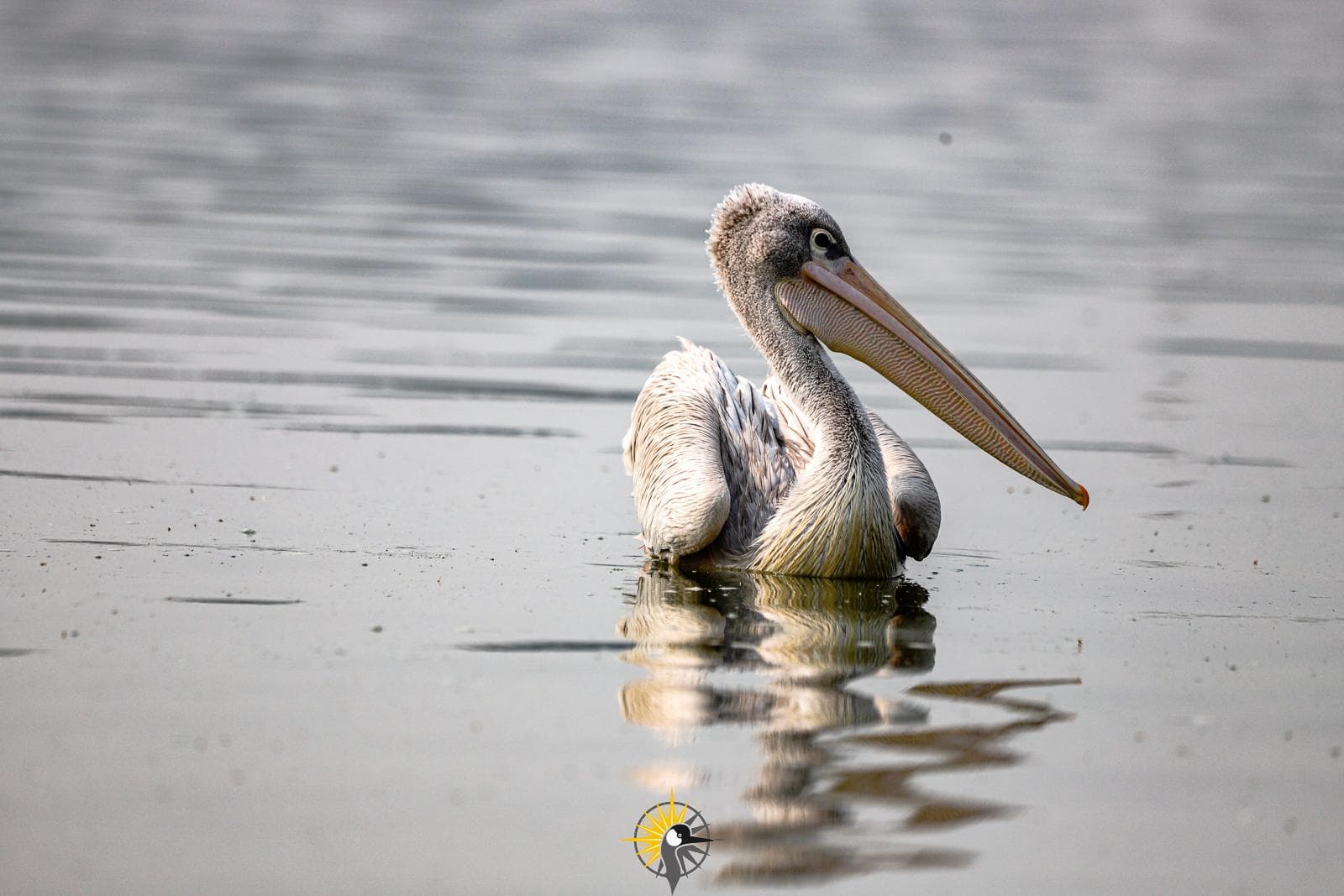
Birding in Queen Elizabeth National Park, A 7-Day Adventure with Musana Tours & Travel
Discover birding in Queen Elizabeth National Park on a 7-day guided safari. Spot shoebills, pelicans & raptors with Musana Tours & Travel.
Read more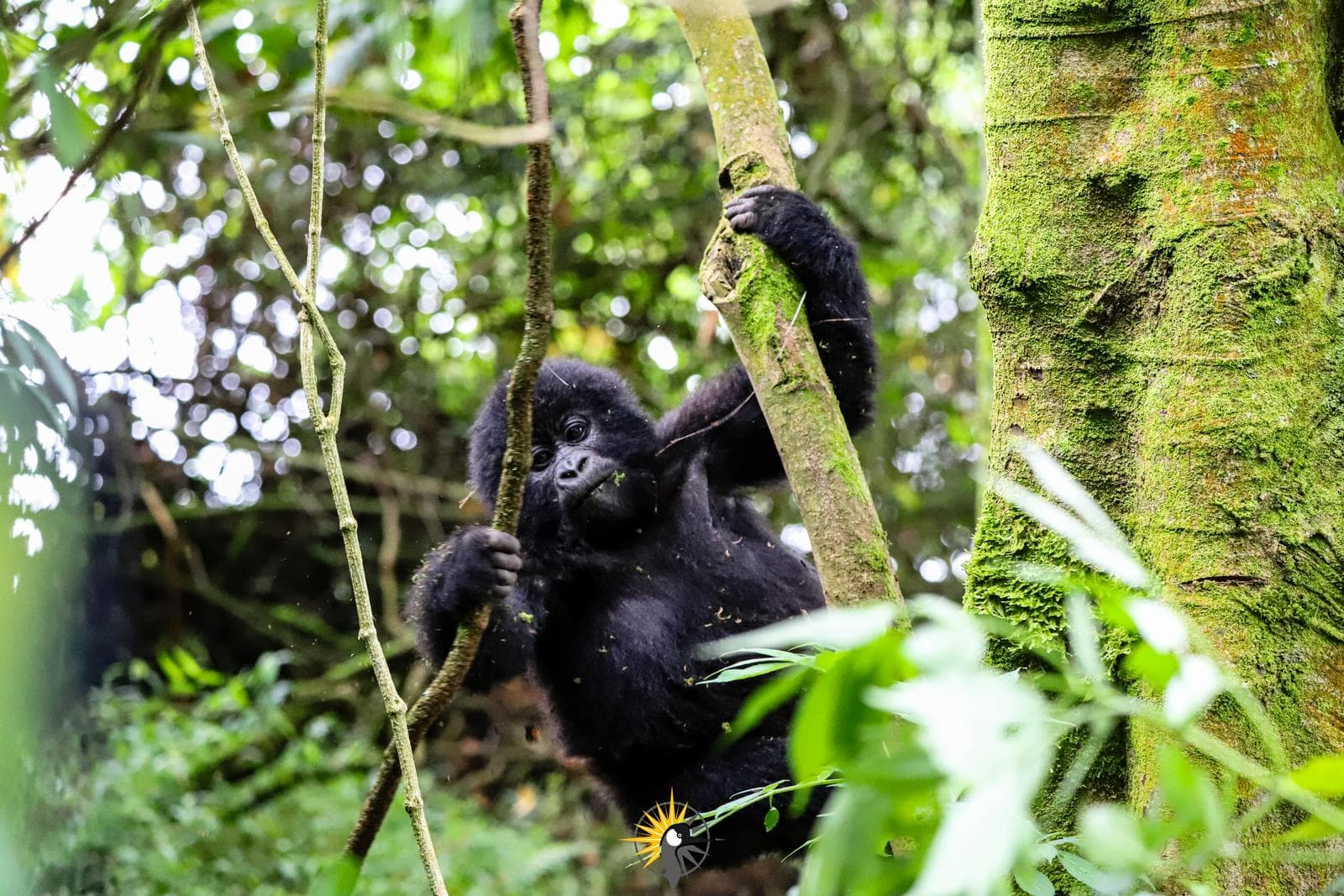
Gorilla trekking vs chimpanzee tracking, which should you choose?
Gorilla trekking vs chimpanzee tracking in Uganda—compare experiences, costs, and best parks to choose the perfect primate safari adventure.
Read more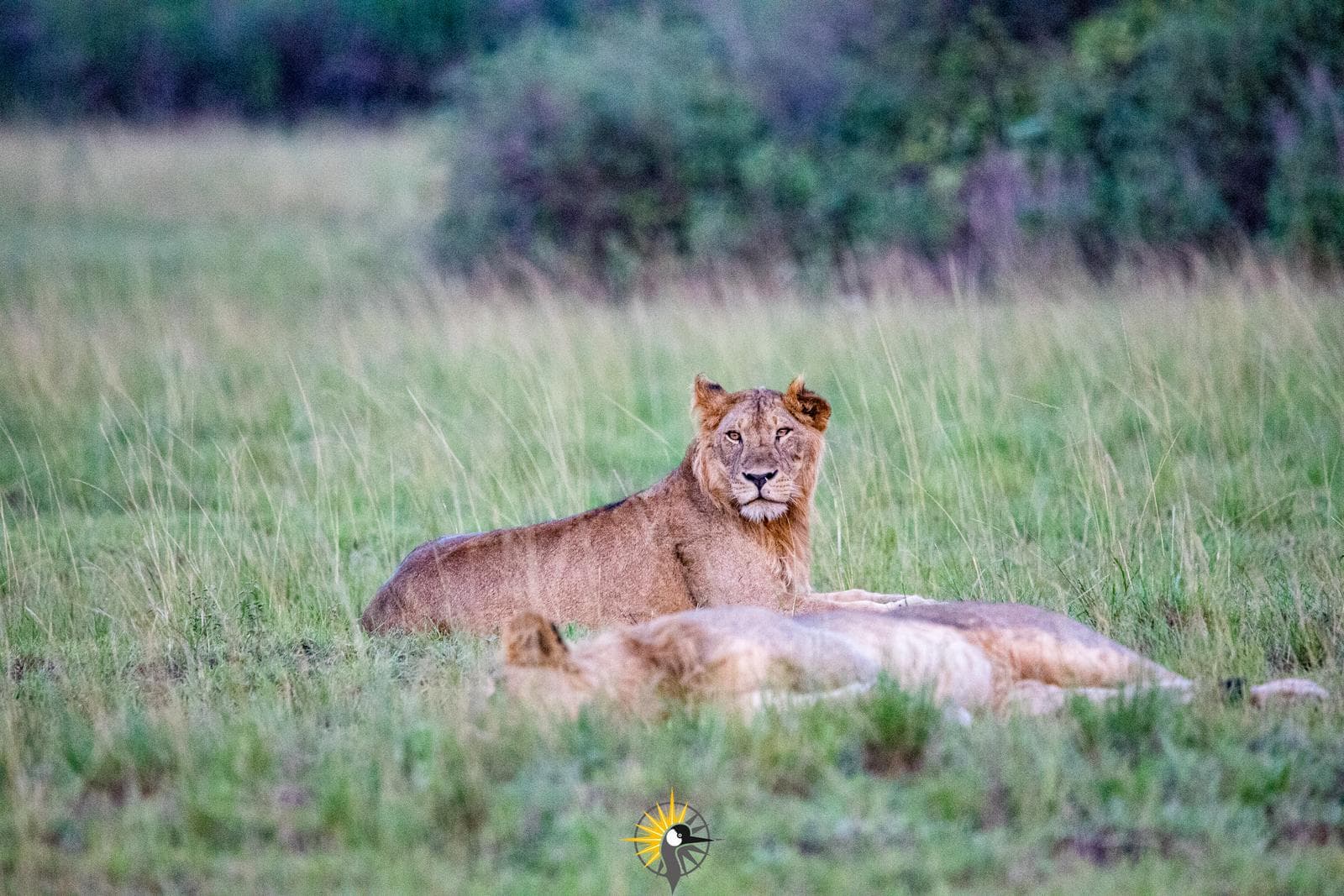
Best time to visit Uganda for wildlife
Discover the best time to visit Uganda for wildlife, from gorilla trekking to savannah safaris, with expert seasonal insights from Musana Tours & Travel.
Read more