The Rhino
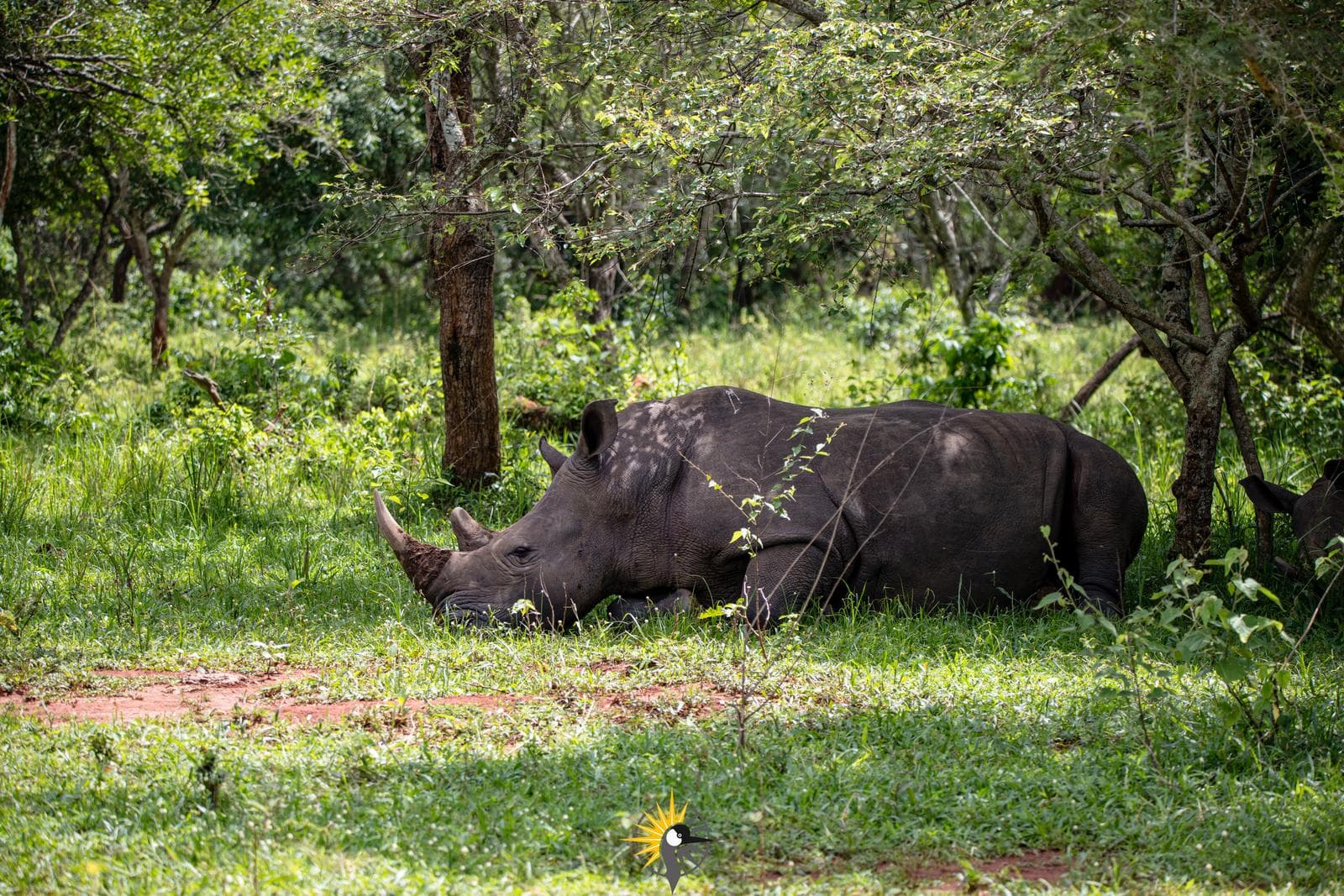
The Rhinoceros, commonly known as the rhino, is one of Africa’s most iconic and endangered mammals. Recognized for its massive body, thick skin, and distinctive horn(s), the rhino is a symbol of strength and conservation across East Africa. Today, only two species are found in the region: the Black Rhino (Diceros bicornis) and the White Rhino (Ceratotherium simum), both of which face significant conservation challenges.
Physical Description
Rhinos are among the largest land mammals, second only to elephants. Adult rhinos can weigh between 800 and 2,500 kilograms, depending on the species. They have thick, armor-like skin, short legs, and one or two horns made of keratin—the same substance as human hair and nails.
The Black Rhino is generally smaller, with a pointed, prehensile upper lip adapted for browsing shrubs. The White Rhino, on the other hand, is larger and has a wide, square-shaped mouth designed for grazing on grasses. Despite their size, rhinos can run at speeds of up to 50 km/h over short distances.
Habitat and Distribution
Rhinos inhabit savannahs, grasslands, and bushlands, often in areas with access to water and dense vegetation for feeding and cover. Their distribution in East Africa is now limited and highly managed due to conservation efforts.
In Uganda, rhinos are not found in the wild within national parks but are protected in Ziwa Rhino Sanctuary, the only place in the country where visitors can track rhinos on foot. This sanctuary plays a key role in reintroduction efforts.
In Kenya, rhinos are found in several protected areas, including Nairobi National Park, Lake Nakuru National Park, and Ol Pejeta Conservancy, which is known for its strong rhino conservation programs.
In Tanzania, rhinos are rare but can be found in Ngorongoro Conservation Area, where a small population of black rhinos is protected.
In Rwanda, rhinos have been successfully reintroduced in Akagera National Park, where both black and white rhinos now roam under strict protection.
Behavior and Social Structure
Rhinos are generally solitary animals, especially black rhinos, which are more territorial and aggressive. White rhinos are slightly more social and may be found in small groups, particularly females with calves.
They communicate through vocalizations, scent marking, and dung piles, which help establish territory boundaries. Despite their poor eyesight, rhinos rely on their strong sense of smell and hearing to detect threats.
Diet and Feeding Habits
Rhinos are herbivores, but their feeding habits vary by species. Black rhinos are browsers, feeding on shrubs, leaves, and branches, using their pointed lips to grasp vegetation. White rhinos are grazers, feeding primarily on grasses using their wide mouths.
They require large amounts of food daily and often feed in the early morning, late afternoon, and at night. Water is also essential, and rhinos frequently visit waterholes to drink and wallow in mud to regulate body temperature and protect their skin.
Reproduction
Rhinos have a slow reproductive rate, which contributes to their vulnerability. Females give birth to a single calf after a gestation period of about 15–16 months, one of the longest among mammals.
Calves stay with their mothers for up to two to three years, during which they learn survival skills. This long dependency period means population recovery is slow, even under strong conservation efforts.
Conservation Status
Rhinos are among the most endangered animals in the world, primarily due to poaching for their horns and habitat loss.
- The Black Rhino is classified as Critically Endangered
- The White Rhino is classified as Near Threatened, though some subspecies are critically endangered
Conservation efforts in East Africa include anti-poaching patrols, fenced reserves, translocations, and community-based conservation programs. Places like Ziwa Rhino Sanctuary and Ol Pejeta Conservancy are central to protecting and rebuilding populations.
Ecological Role
Rhinos are important ecosystem engineers. As large herbivores, they shape vegetation by grazing and browsing, which influences plant diversity and habitat structure. Their dung contributes to nutrient cycling and supports insects and other small organisms.
Their presence also enhances biodiversity by creating and maintaining habitats used by other species.
Observing Rhinos
Rhinos are among the most sought-after animals on safari, though they are also among the rarest to see. In Uganda, visitors can track them on foot at Ziwa Rhino Sanctuary. In Kenya, parks like Nairobi National Park and Ol Pejeta offer relatively high chances of sightings.
The Ngorongoro Crater in Tanzania is one of the few places where black rhinos can still be seen in the wild, while Rwanda’s Akagera National Park provides a growing opportunity to observe both species.
Conclusion
The rhinoceros is a powerful symbol of Africa’s wildlife heritage and conservation challenges. From Uganda’s Ziwa Rhino Sanctuary to the protected landscapes of Kenya, Tanzania, and Rwanda, rhinos represent both the fragility and resilience of nature. Continued conservation efforts are essential to ensure that these magnificent animals survive and thrive for future generations.
Related Animals
The African Buffalo
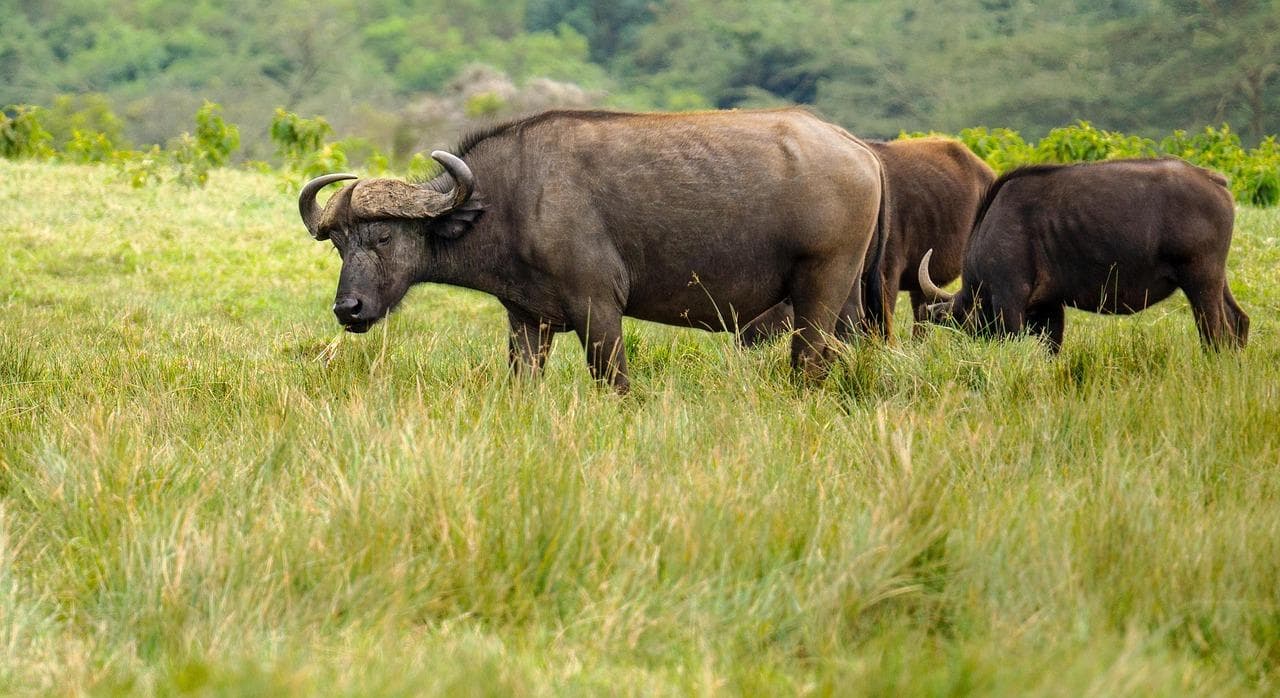
Explore Cape buffalo in East Africa’s top parks. See buffalo herds in Serengeti, Maasai Mara & Queen Elizabeth, and learn about their behavior and conservation.
View animal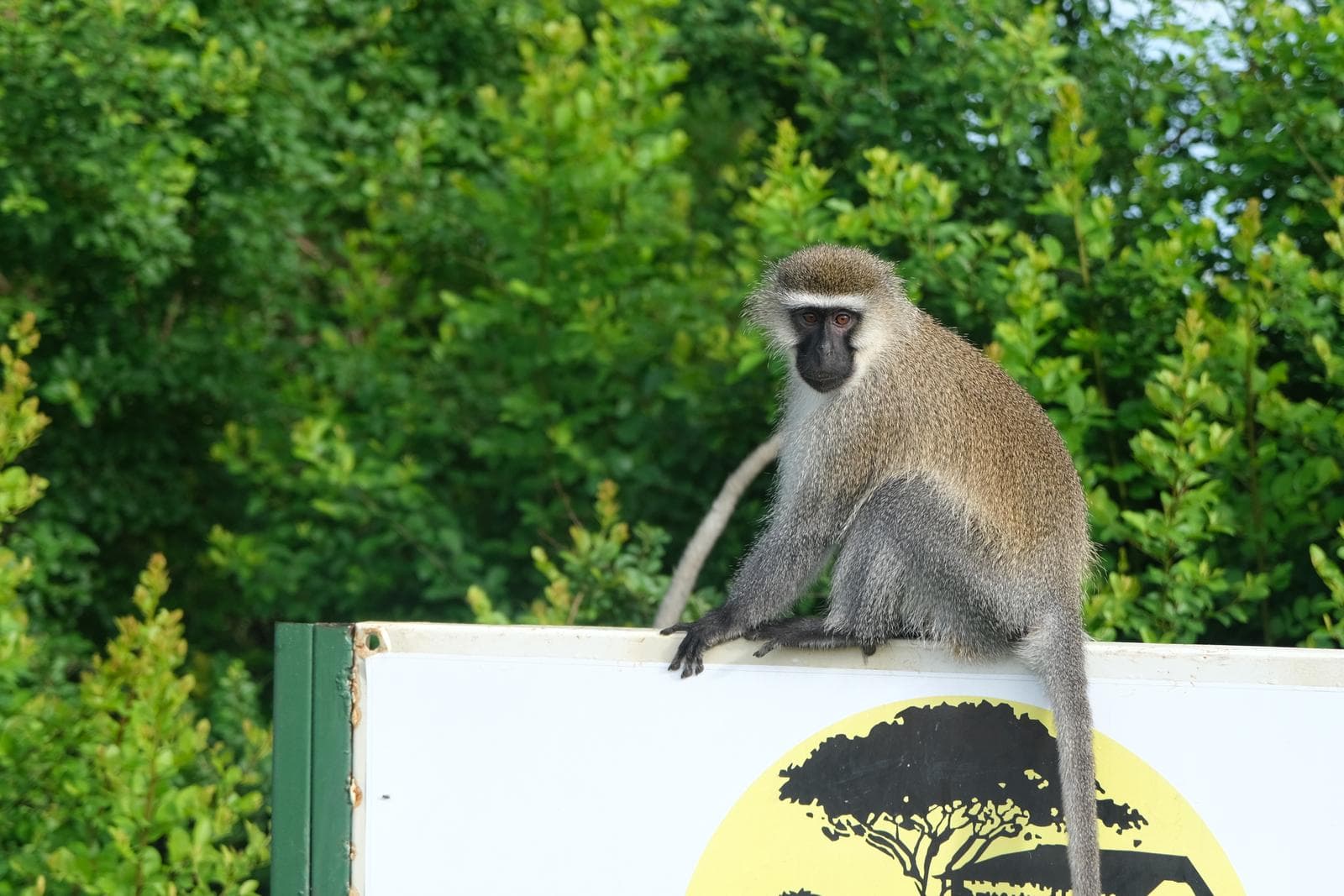
The Vavet Monkey
Learn about the vervet monkey, its behavior, habitat, and where to see it in East Africa on unforgettable wildlife safaris.
View animal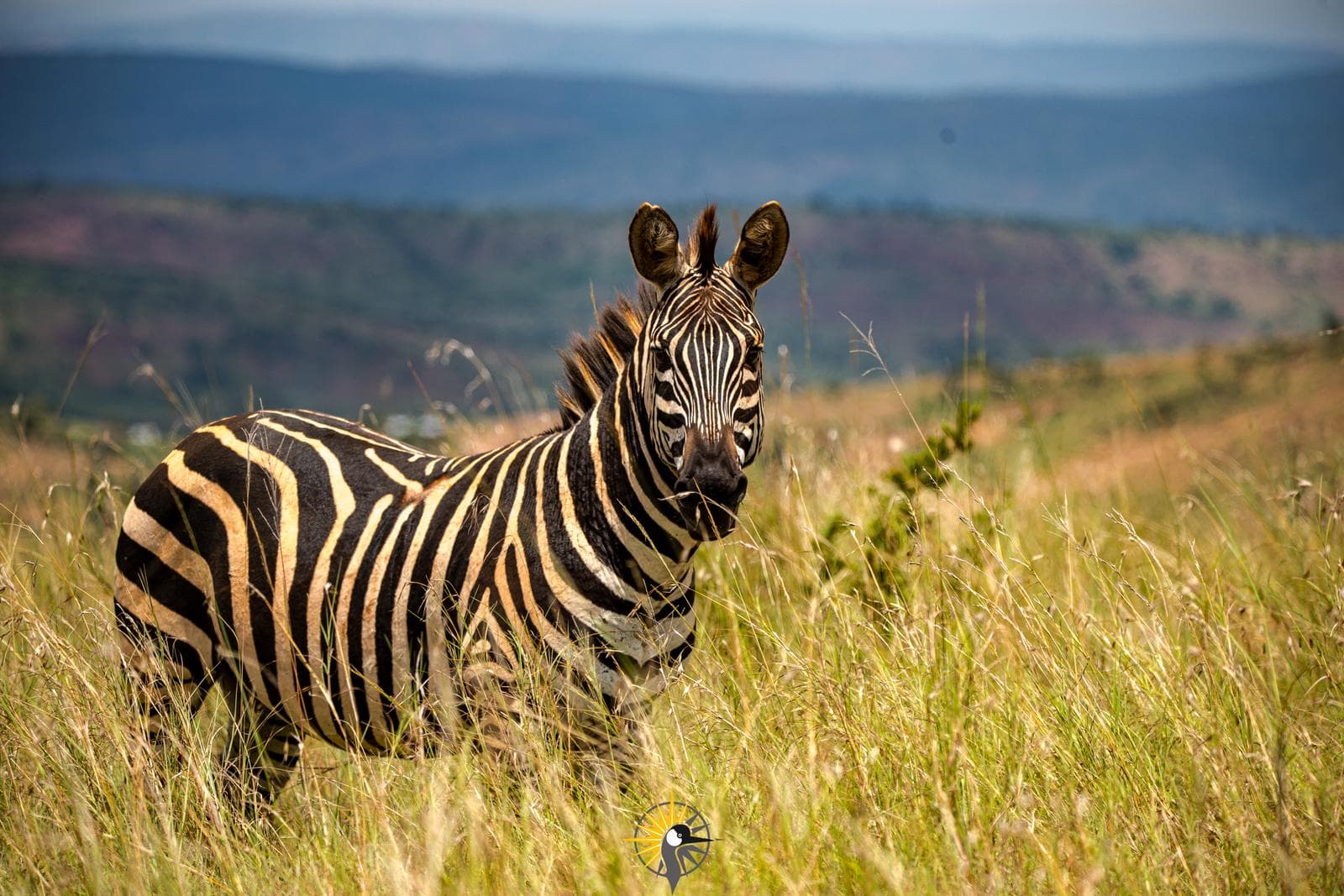
The Zebra
Discover zebras in East Africa, from Plains Zebras of the Serengeti to rare Grevy’s Zebras in Kenya, and learn how tourism supports conservation.
View animalTop safaris
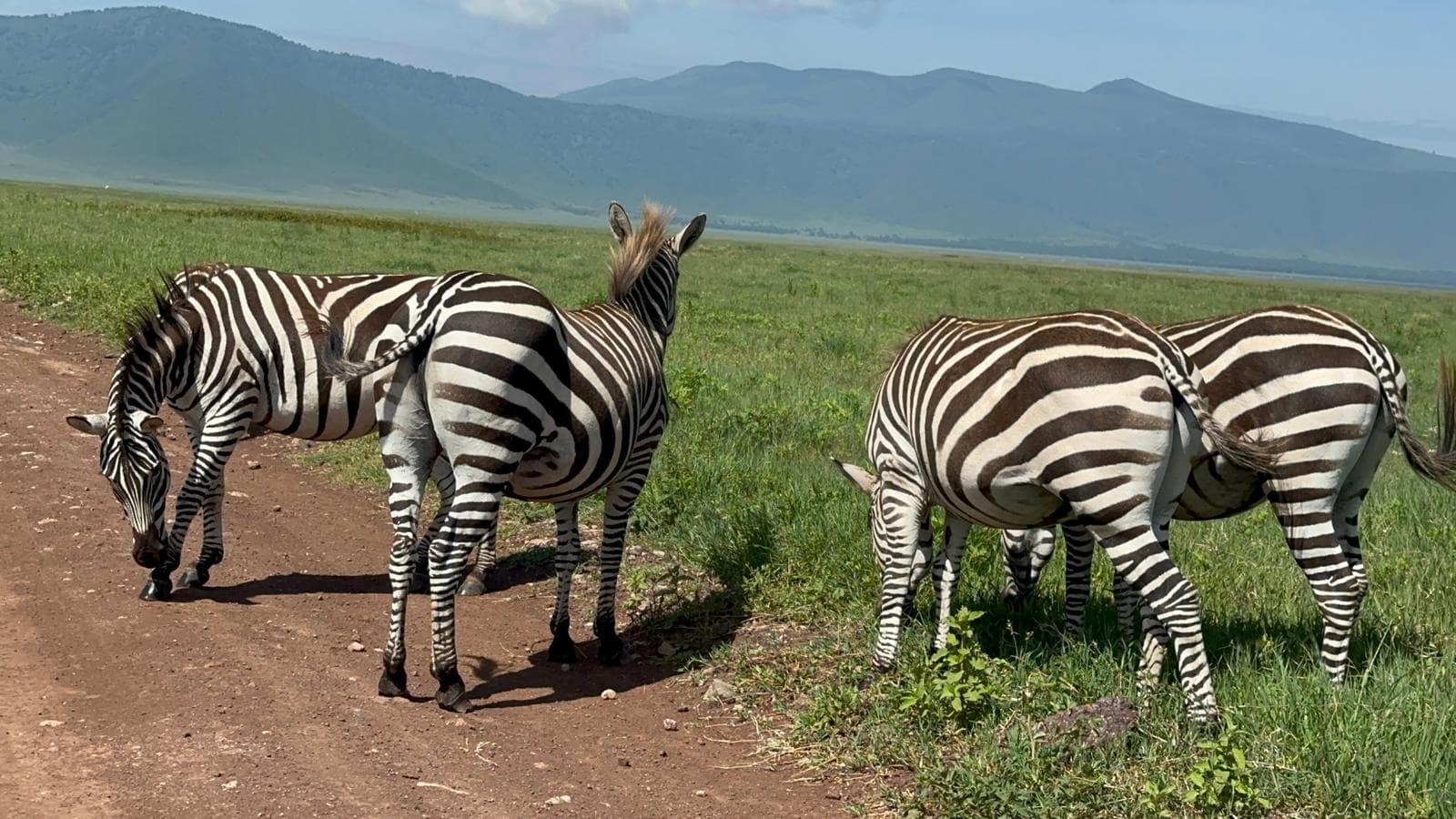
9 Days Gorilla tracking in Uganda, Tarangire, Ngorongoro, and Serengeti National Park in Tanzania
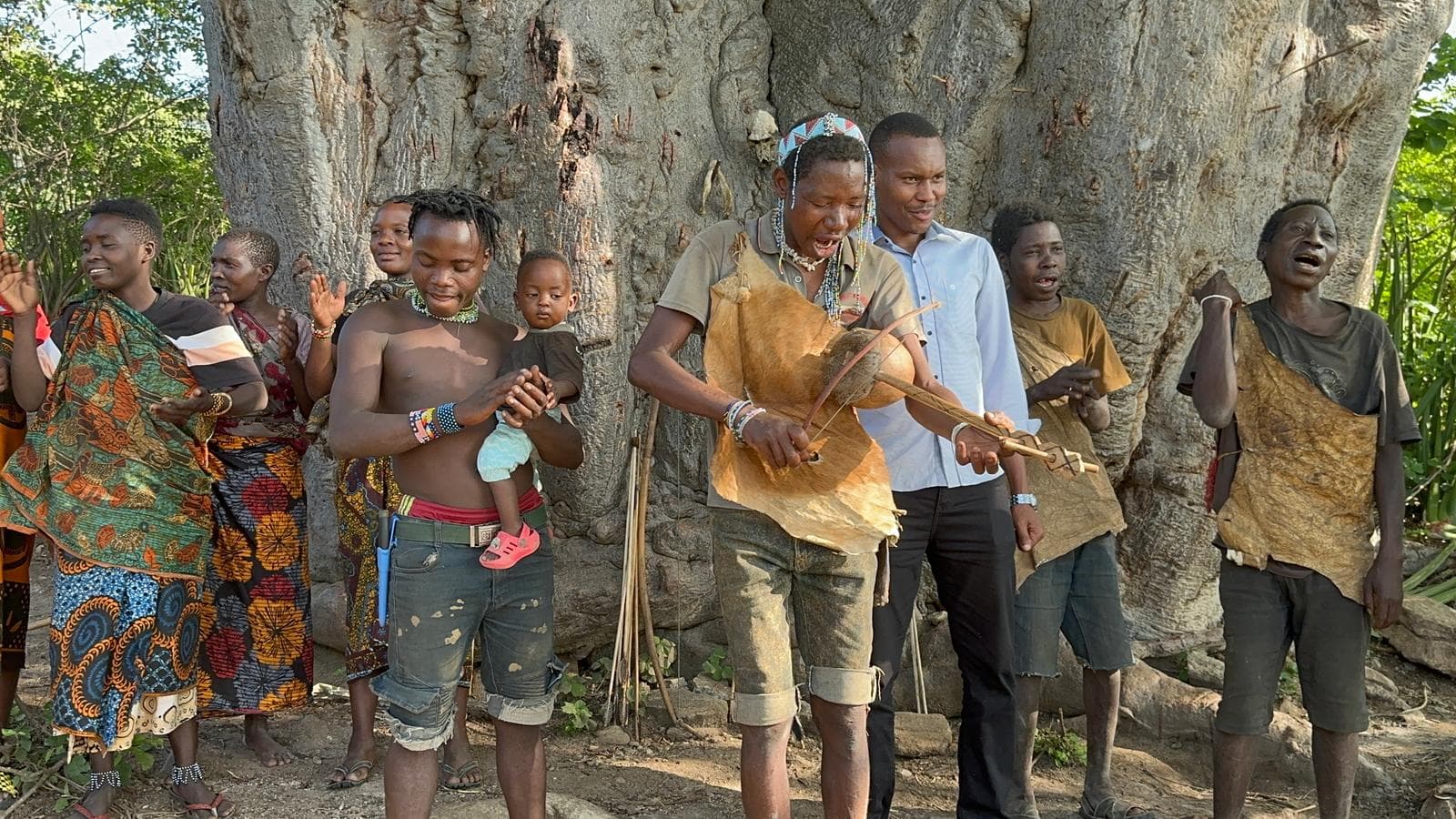
3 Days Hadzabe, Masai and Ngorongoro Crater Safari, Tanzania
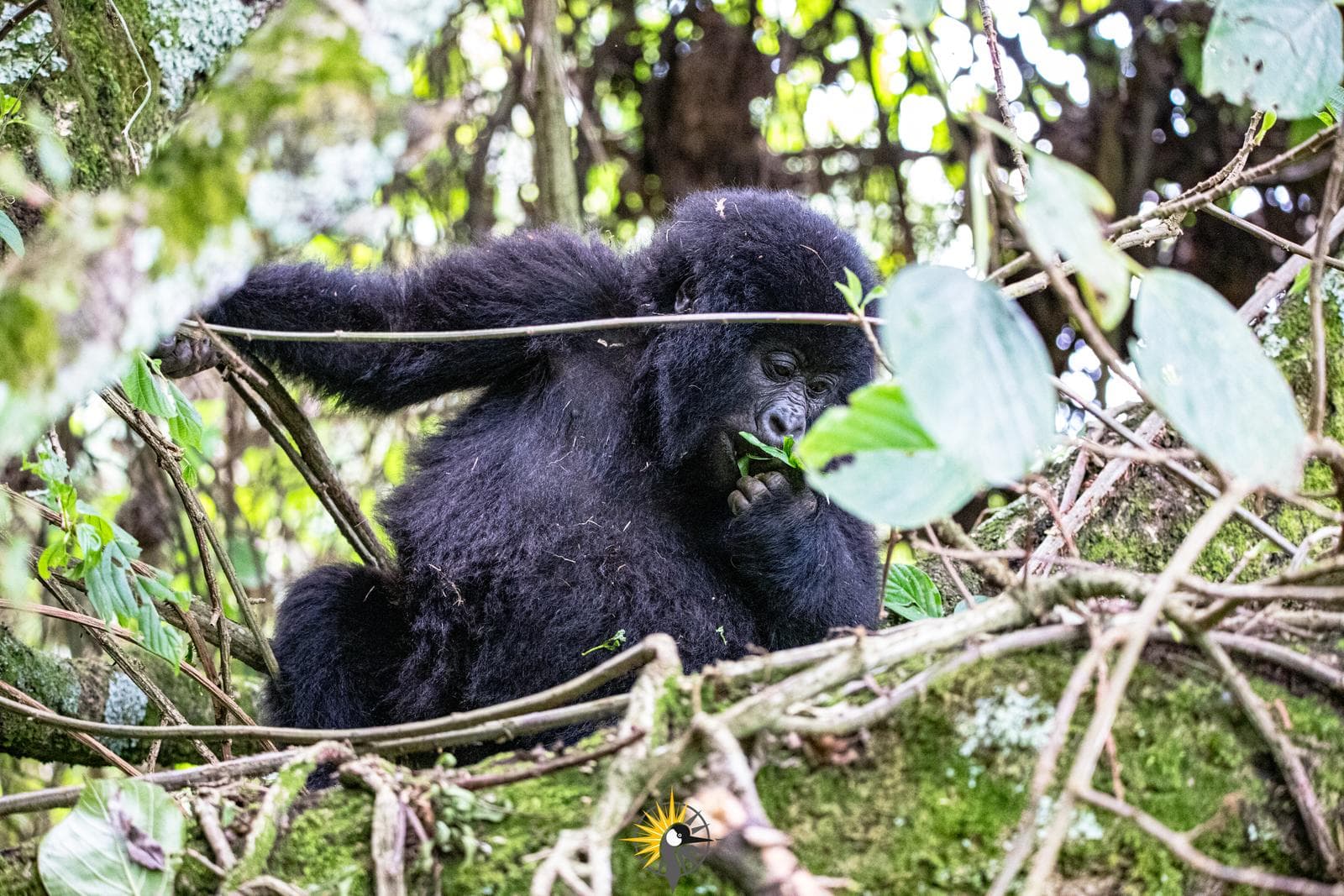
21 Days Epic East Africa safari, gorilla trekking in Bwindi, Big Five safaris and Zanzibar Beach escape
News and Updates
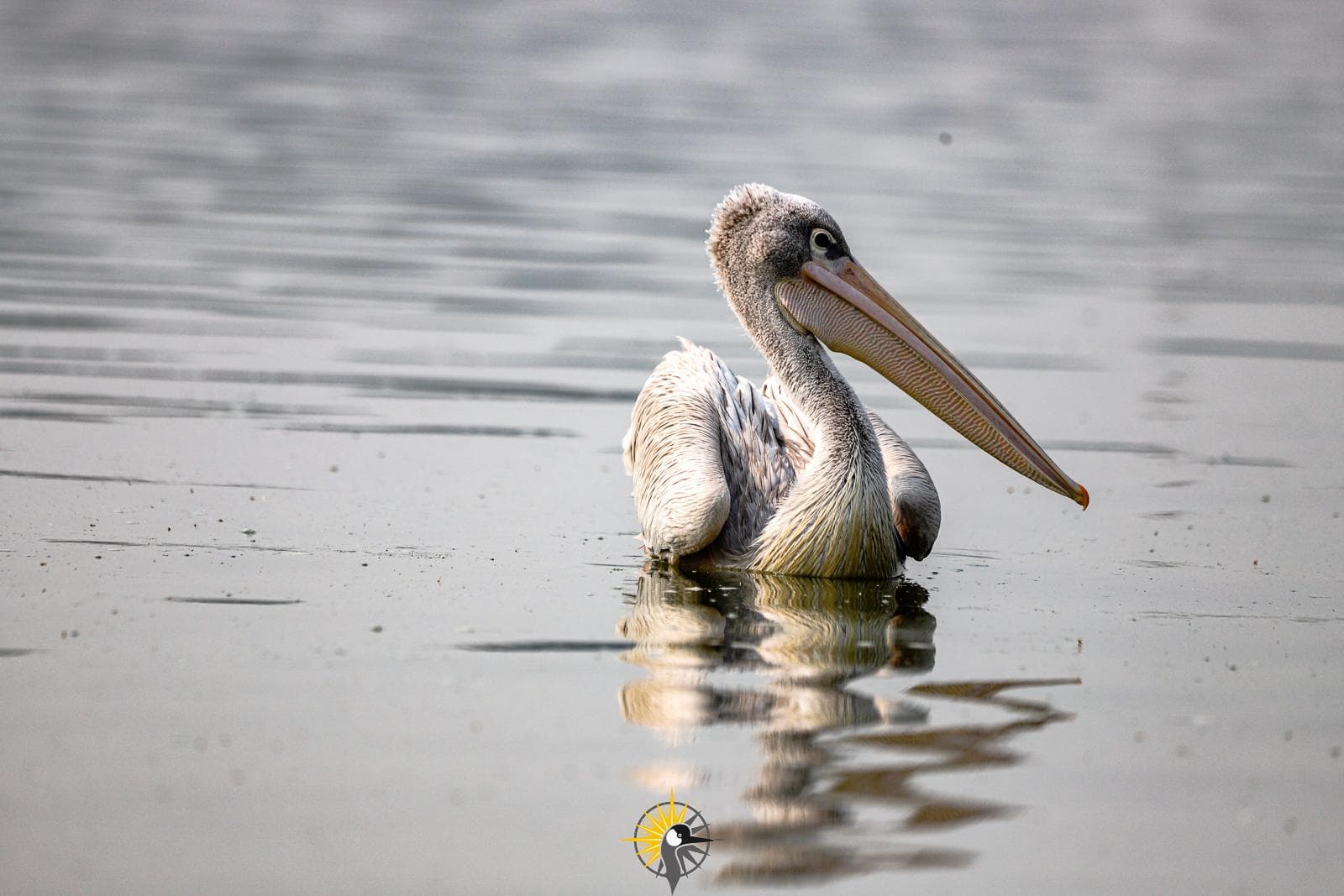
Birding in Queen Elizabeth National Park, A 7-Day Adventure with Musana Tours & Travel
Discover birding in Queen Elizabeth National Park on a 7-day guided safari. Spot shoebills, pelicans & raptors with Musana Tours & Travel.
Read more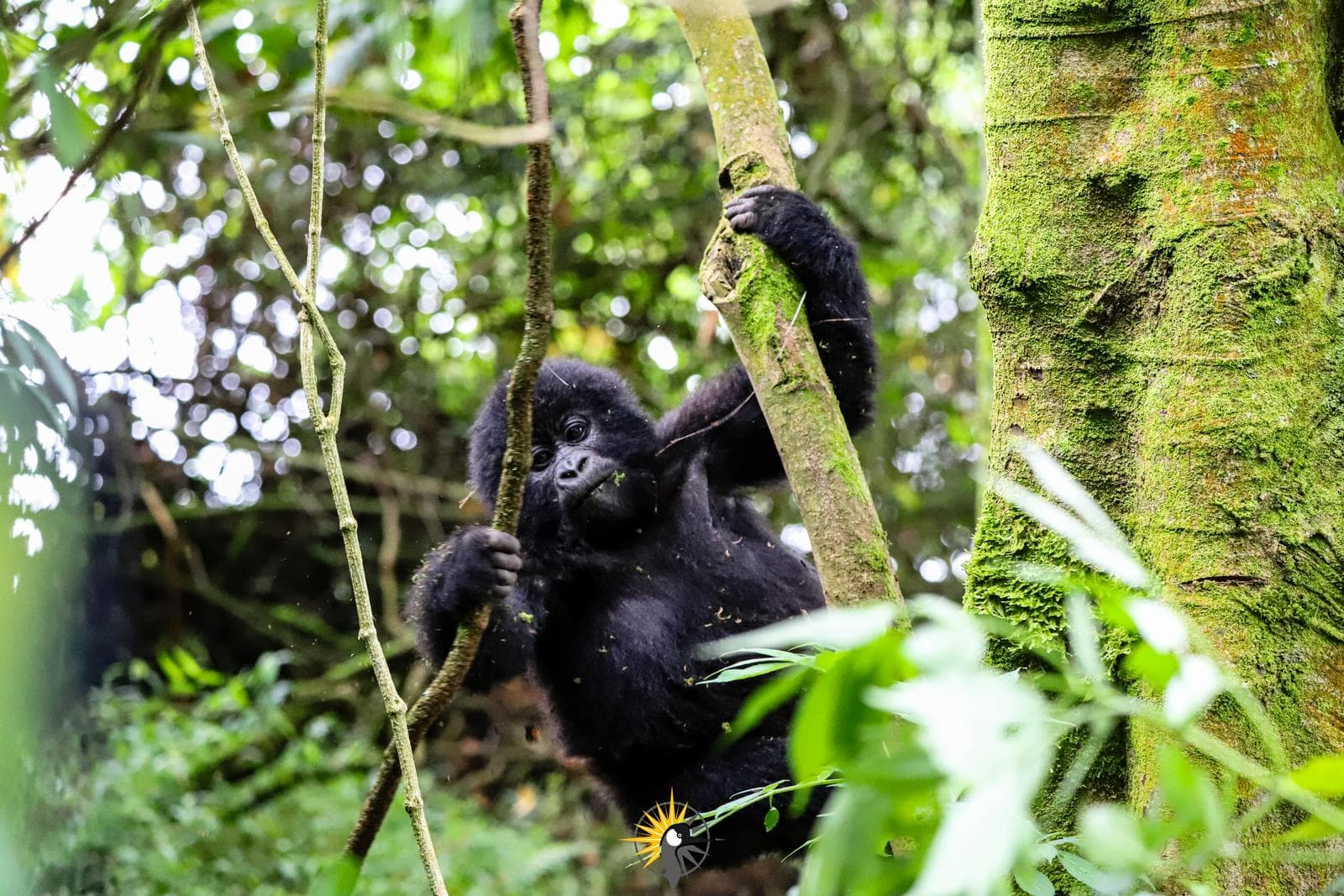
Gorilla trekking vs chimpanzee tracking, which should you choose?
Gorilla trekking vs chimpanzee tracking in Uganda—compare experiences, costs, and best parks to choose the perfect primate safari adventure.
Read more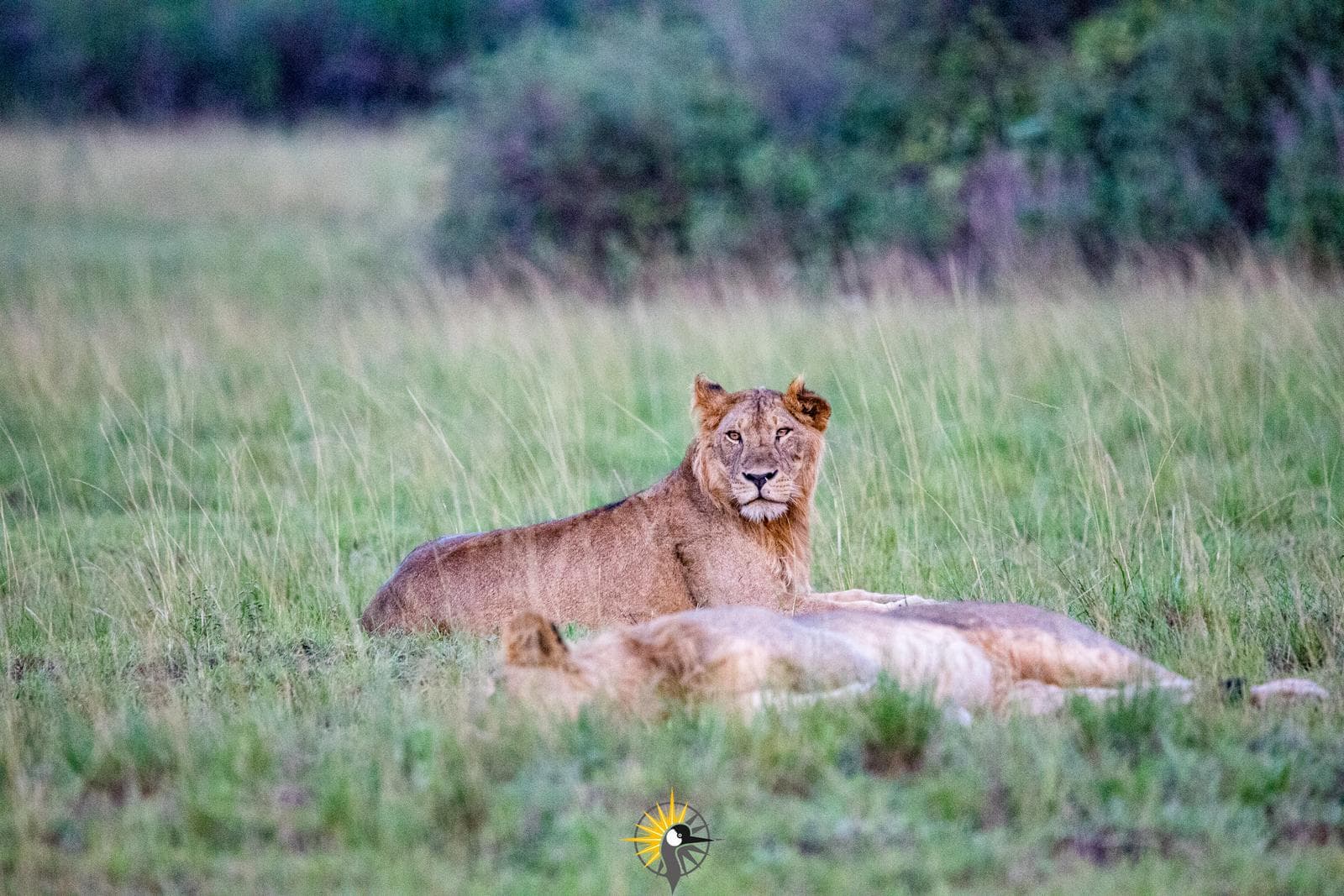
Best time to visit Uganda for wildlife
Discover the best time to visit Uganda for wildlife, from gorilla trekking to savannah safaris, with expert seasonal insights from Musana Tours & Travel.
Read more