Jackson’s Hartebeest
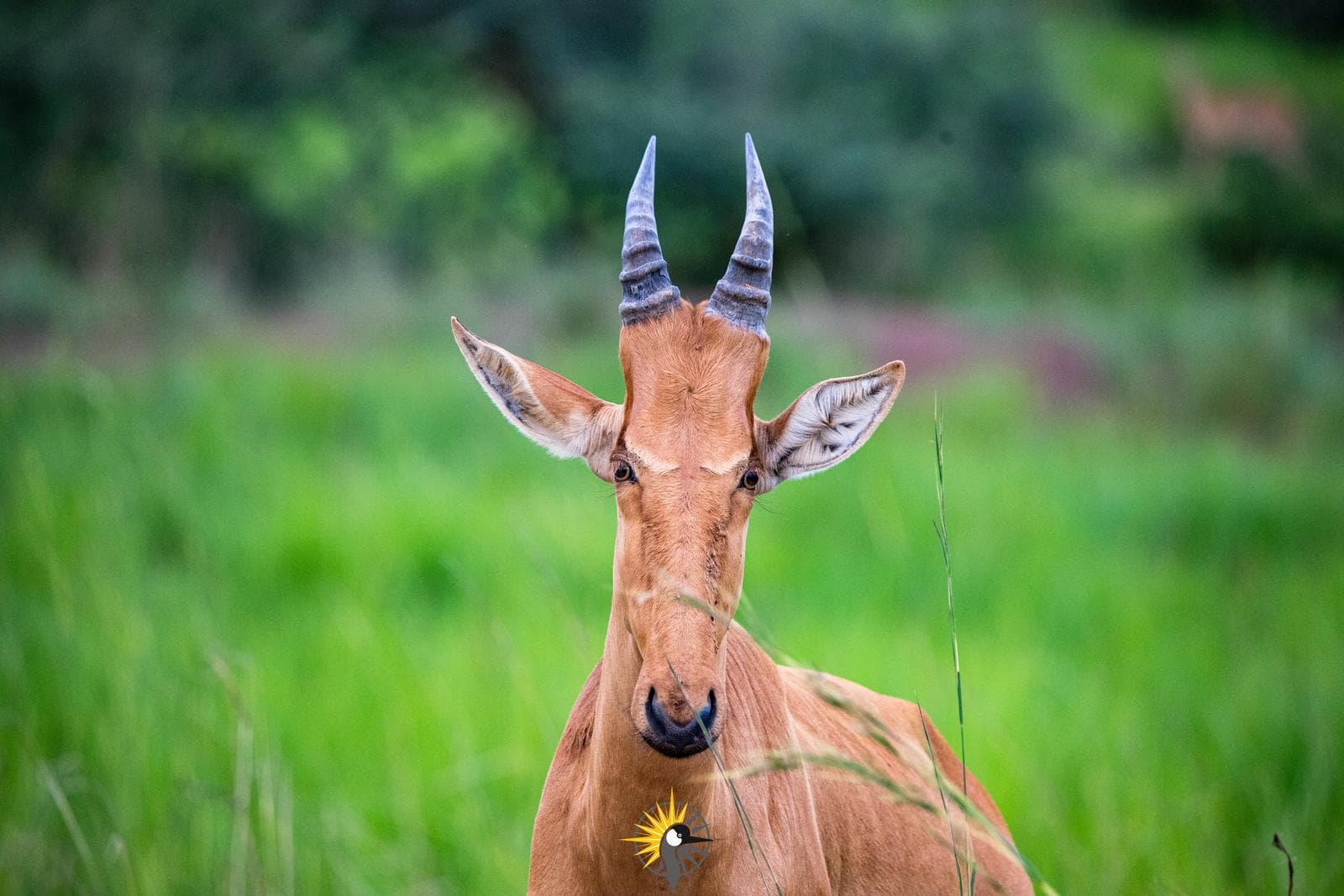
Jackson’s Hartebeest (Alcelaphus buselaphus jacksoni) is one of East Africa’s most distinctive antelope species, recognized for its striking reddish-brown coat, unique facial markings, and elegant horns. Found across Kenya, Tanzania, and Uganda, this antelope inhabits savannahs, grasslands, and lightly wooded highlands. Its combination of beauty, behavior, and ecological significance makes it a favorite sighting for safari enthusiasts and wildlife photographers.
Physical Description
Jackson’s Hartebeest has a reddish-brown body with darker facial, throat, and leg markings. Both males and females feature long, slightly curved horns that can reach up to 50 centimeters, giving them a striking profile. Its sloped back and prominent shoulder hump differentiate it from other antelope species. Adults weigh 100–150 kilograms and stand around 120 centimeters at the shoulder. The species’ physical adaptations, including strong limbs and keen eyesight, allow it to navigate open plains efficiently and spot predators from a distance.
Habitat and Distribution
Jackson’s Hartebeest thrives in open grasslands, savannahs, and lightly wooded areas with access to water and grazing vegetation. Its distribution spans key East African wildlife regions, including:
- Kenya: Maasai Mara, Amboseli, Tsavo, and Nairobi National Park
- Tanzania: Serengeti National Park, Tarangire National Park, Ngorongoro Conservation Area
- Uganda: Kidepo Valley National Park, Murchison Falls National Park, and Lake Mburo National Park
Historically, it was also found in parts of South Sudan, though populations there are now extremely limited. Protected parks and reserves in these countries provide secure habitats, reducing risks from hunting and human encroachment.
Behavior and Diet
Jackson’s Hartebeest is primarily a grazer, feeding on short grasses and occasionally browsing shrubs. They are diurnal, with peak activity in the early morning and late afternoon. Herds usually comprise 20–40 individuals, led by a dominant male. During mating season, males establish territories and engage in displays or sparring with rivals using their horns.
These antelopes are alert and social, often mixing with other grazing species like zebras and Thompson’s gazelles, which provides additional vigilance against predators such as lions, leopards, hyenas, and African wild dogs.
Reproduction
Breeding occurs year-round, though the wet season offers ideal conditions for raising calves, with abundant food. Females give birth to a single calf after an eight-month gestation. Newborns are hidden in tall grass during the first weeks for protection. Calves grow quickly and are integrated into the herd after a few months, learning survival behaviors by observing adults.
Conservation Status
Jackson’s Hartebeest is listed as Near Threatened on the IUCN Red List due to habitat loss, hunting, and competition with livestock. Conservation initiatives across Kenya, Tanzania, and Uganda include:
- Protection within national parks and reserves
- Anti-poaching patrols and wildlife monitoring
- Community engagement programs to minimize human-wildlife conflict
These measures help stabilize populations and ensure the species continues to play its role in East Africa’s ecosystems.
Ecological Importance
As grazers, Jackson’s Hartebeest maintains grassland ecosystems by controlling vegetation growth, which benefits other herbivores and predator species. Their movements across plains aid in seed dispersal and contribute to the biodiversity and balance of savannah habitats.
Where to See Jackson’s Hartebeest
Travelers can observe Jackson’s Hartebeest in several iconic East African locations:
- Kenya: Maasai Mara, Amboseli, Tsavo, Nairobi National Park
- Tanzania: Serengeti, Tarangire, Ngorongoro Conservation Area
- Uganda: Kidepo Valley, Murchison Falls, Lake Mburo
These locations offer some of the best opportunities to see Jackson’s Hartebeest in herds, along with other wildlife species such as lions, elephants, giraffes, and zebras.
Safari Tips for Observing Jackson’s Hartebeest
- Optimal Seasons: The dry season (June–October) provides easier wildlife viewing as animals gather near water sources.
- Best Time of Day: Early morning and late afternoon when Jackson’s Hartebeest is most active.
- Photography Tips: Capture side profiles to highlight horns and facial markings; include open plains for natural context.
- Guided Tours: Joining safari guides in national parks improves the chance of sightings and ensures safe wildlife encounters.
Conclusion
Jackson’s Hartebeest is a unique and elegant species that symbolizes the diversity and richness of East African wildlife. By visiting Kenya, Tanzania, and Uganda, travelers can witness this antelope in its natural habitat, contributing to a full safari experience that combines spectacular scenery, abundant wildlife, and unforgettable moments in Africa’s savannahs and highlands.
Related Animals
The Eland
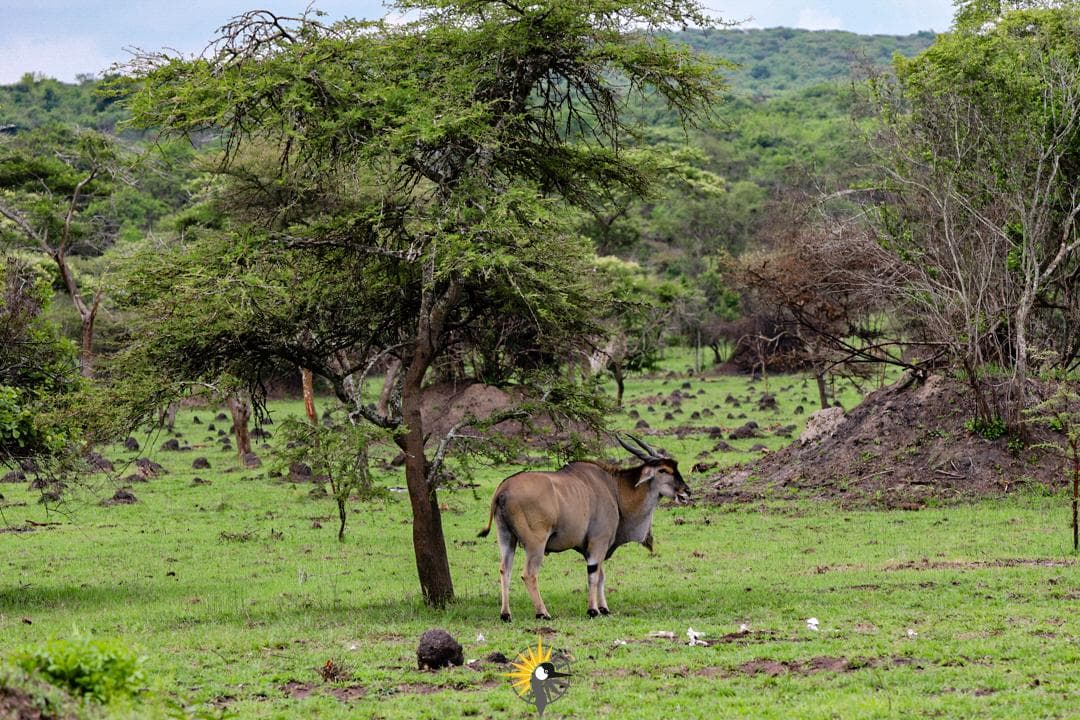
Discover East Africa’s majestic elands – Africa’s largest antelope – and where to spot them on your next unforgettable safari adventure.
View animal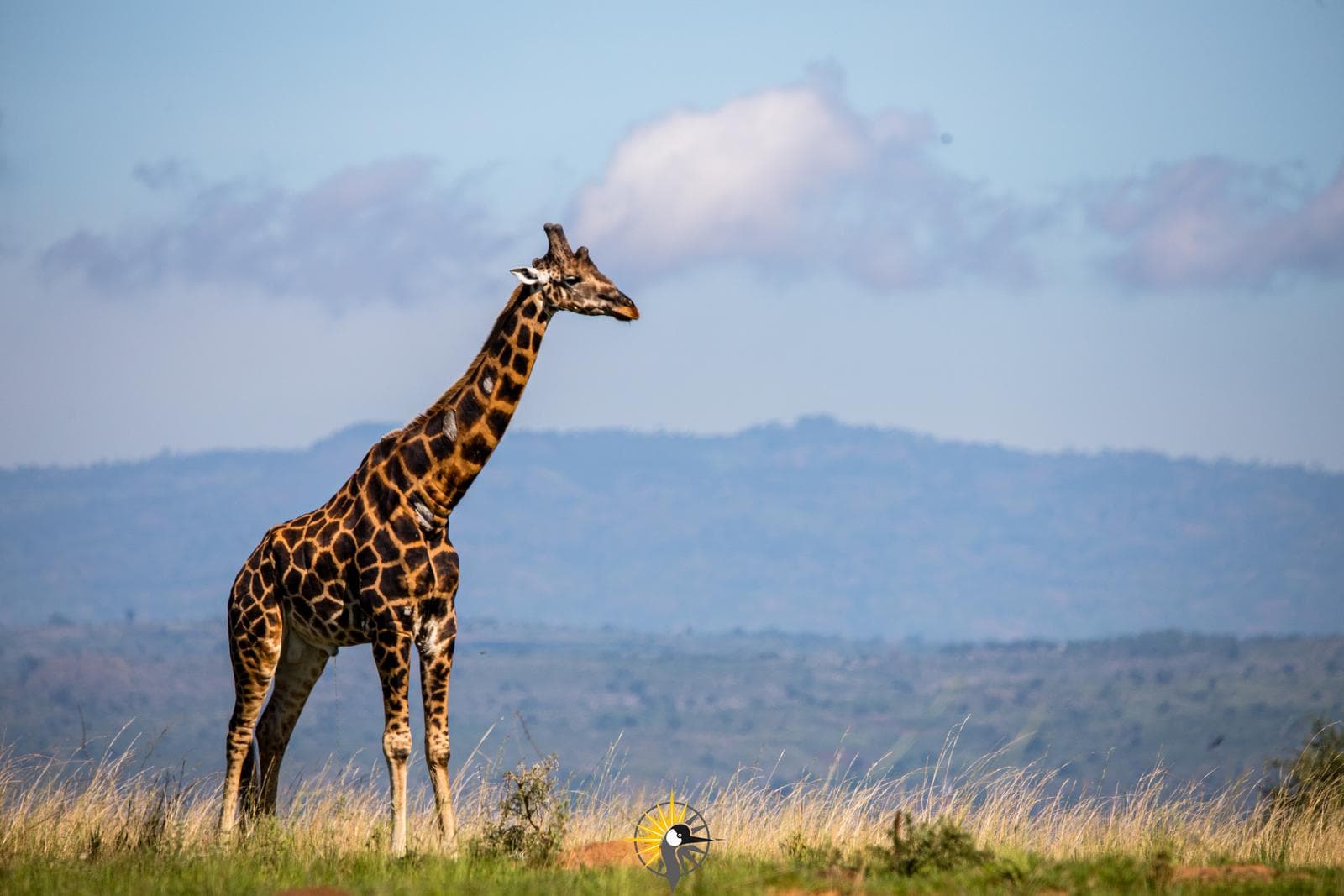
The African Giraffe
Discover giraffes in East Africa, from Rothschild’s giraffes in Uganda to Reticulated giraffes in Kenya, and explore top safari destinations.
View animal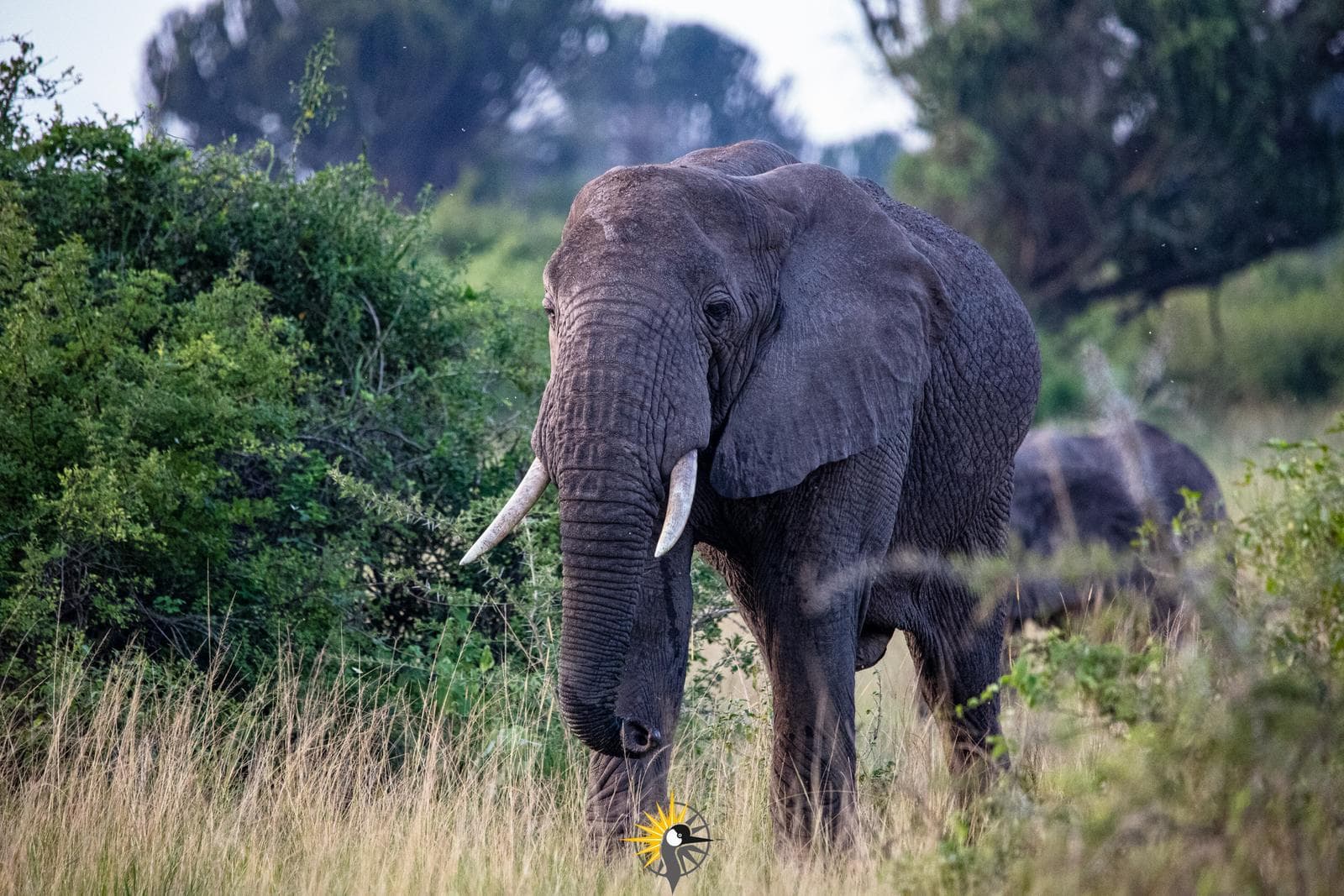
The African Elephant
Explore African elephants in East Africa’s top parks. Discover elephant behavior, safaris in Amboseli, Serengeti & Queen Elizabeth, and conservation efforts.
View animalTop safaris
9 Days Gorilla tracking in Uganda, Tarangire, Ngorongoro, and Serengeti National Park in Tanzania
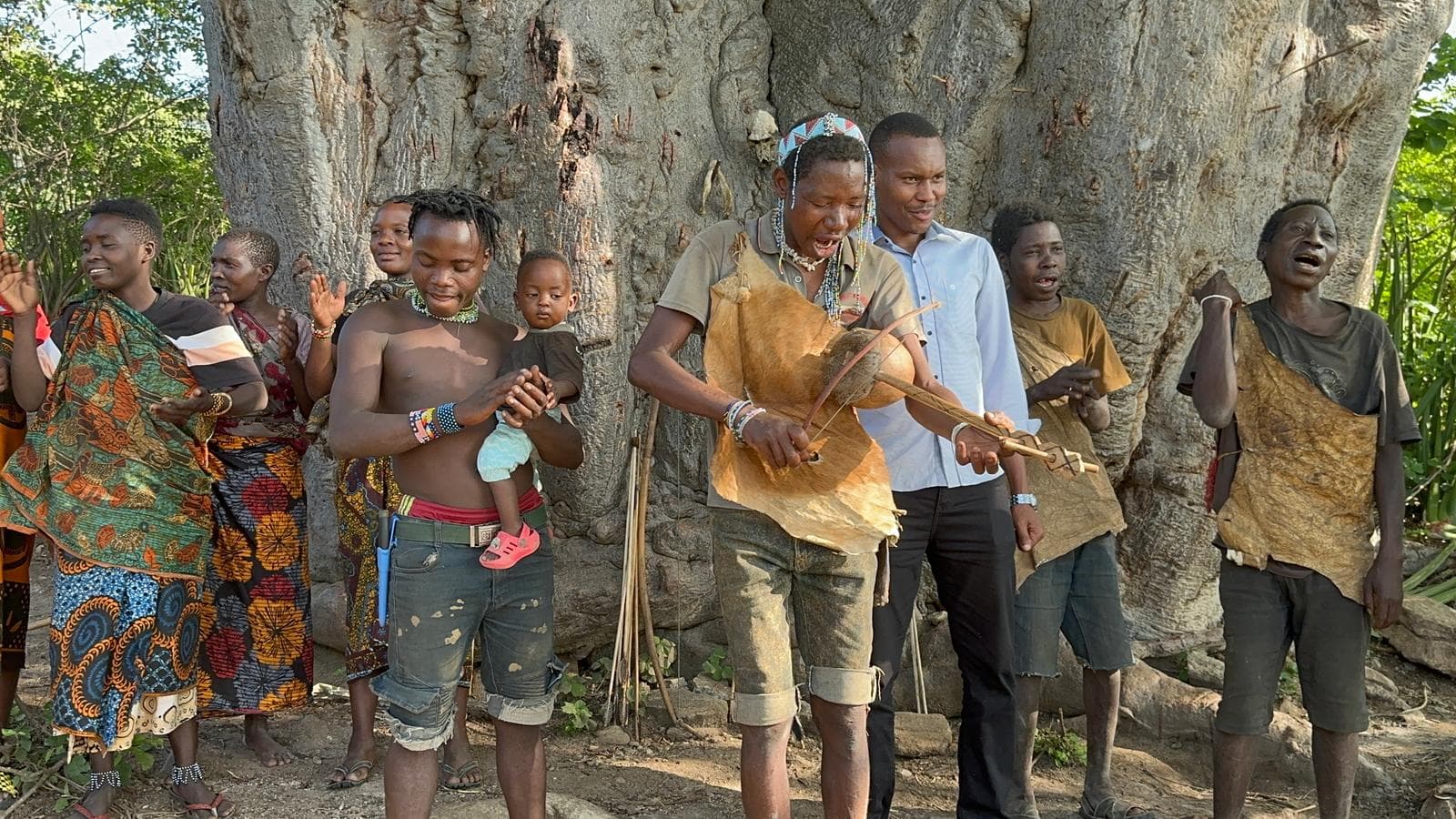
3 Days Hadzabe, Masai and Ngorongoro Crater Safari, Tanzania
21 Days Epic East Africa safari, gorilla trekking in Bwindi, Big Five safaris and Zanzibar Beach escape
News and Updates
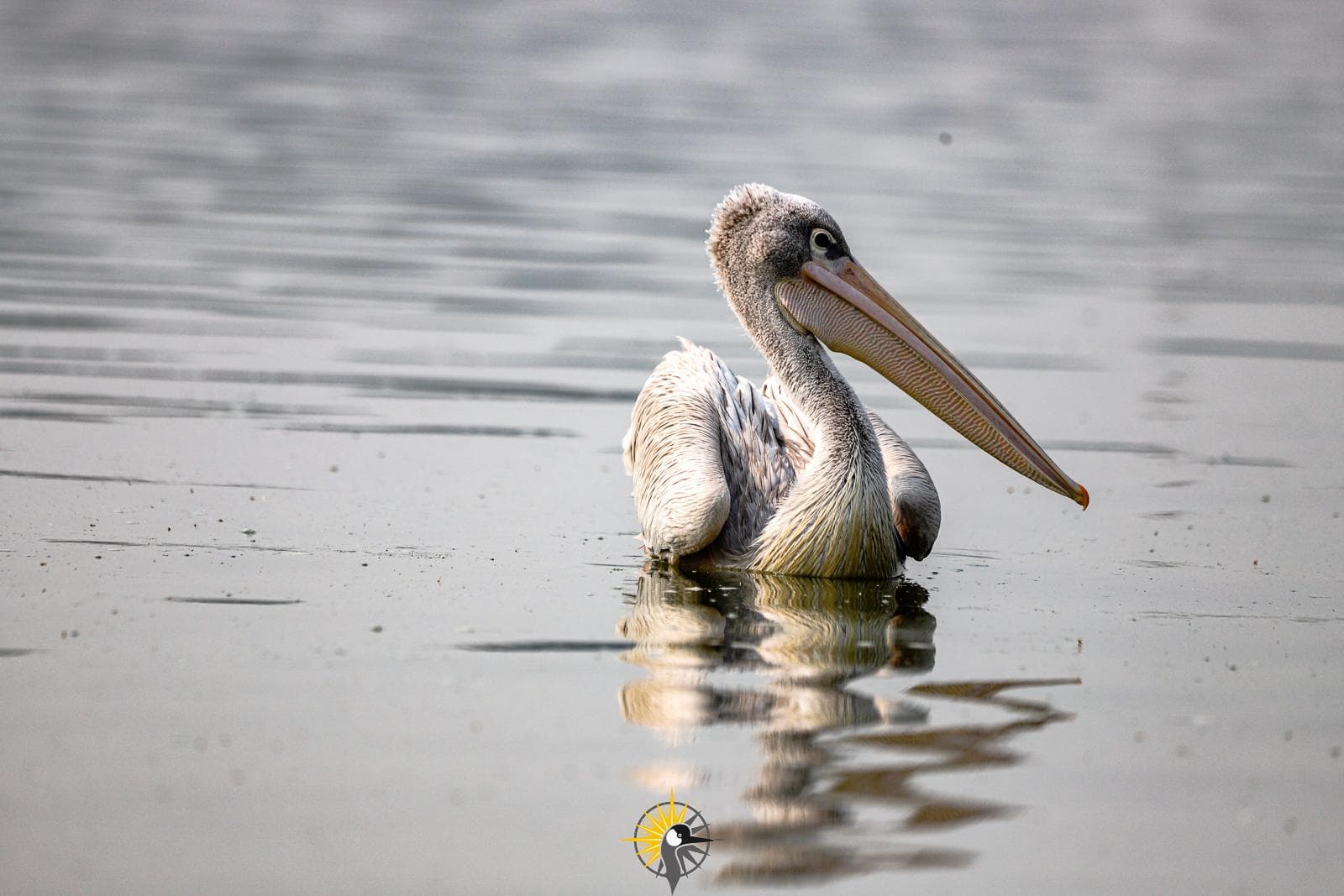
Birding in Queen Elizabeth National Park, A 7-Day Adventure with Musana Tours & Travel
Discover birding in Queen Elizabeth National Park on a 7-day guided safari. Spot shoebills, pelicans & raptors with Musana Tours & Travel.
Read more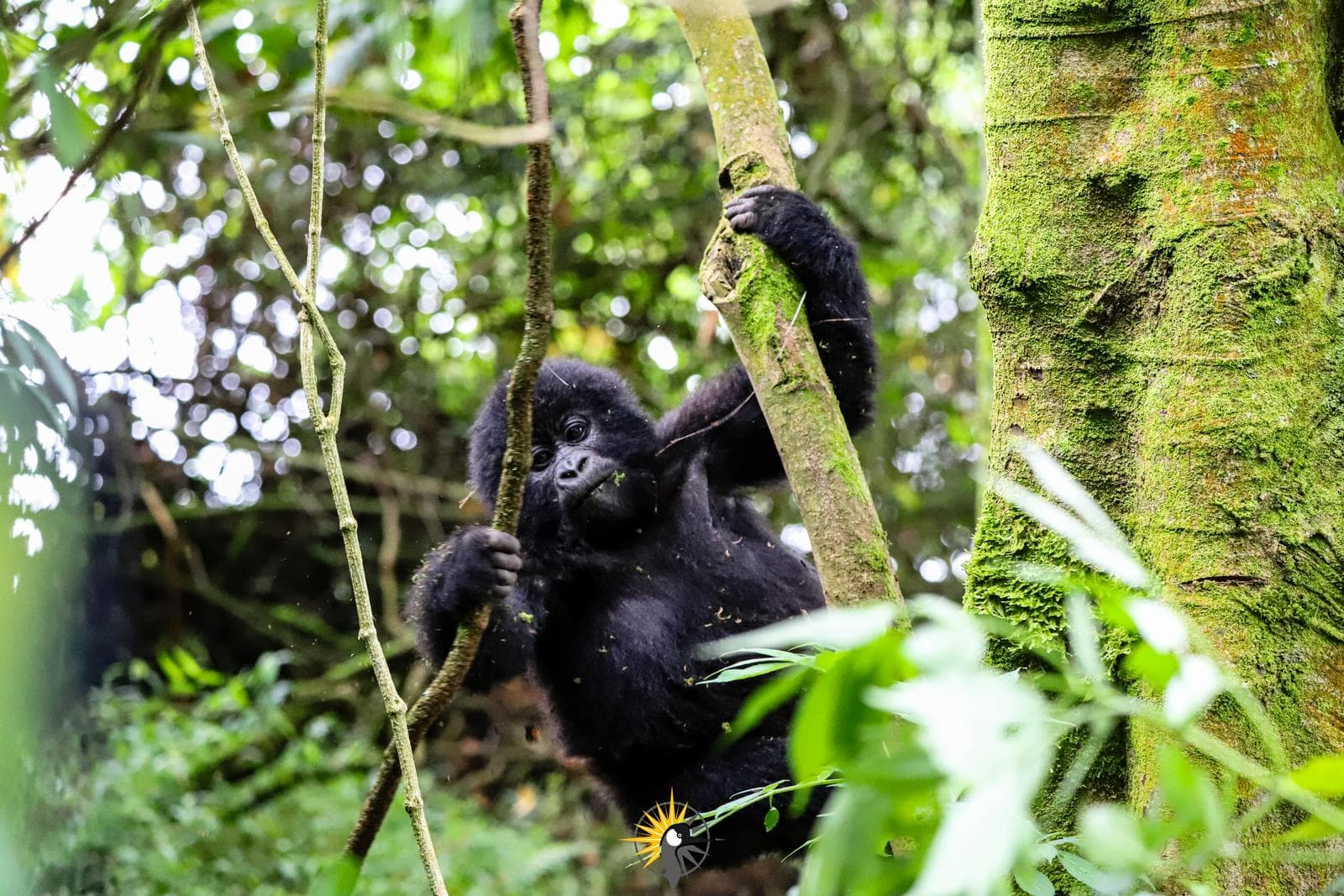
Gorilla trekking vs chimpanzee tracking, which should you choose?
Gorilla trekking vs chimpanzee tracking in Uganda—compare experiences, costs, and best parks to choose the perfect primate safari adventure.
Read more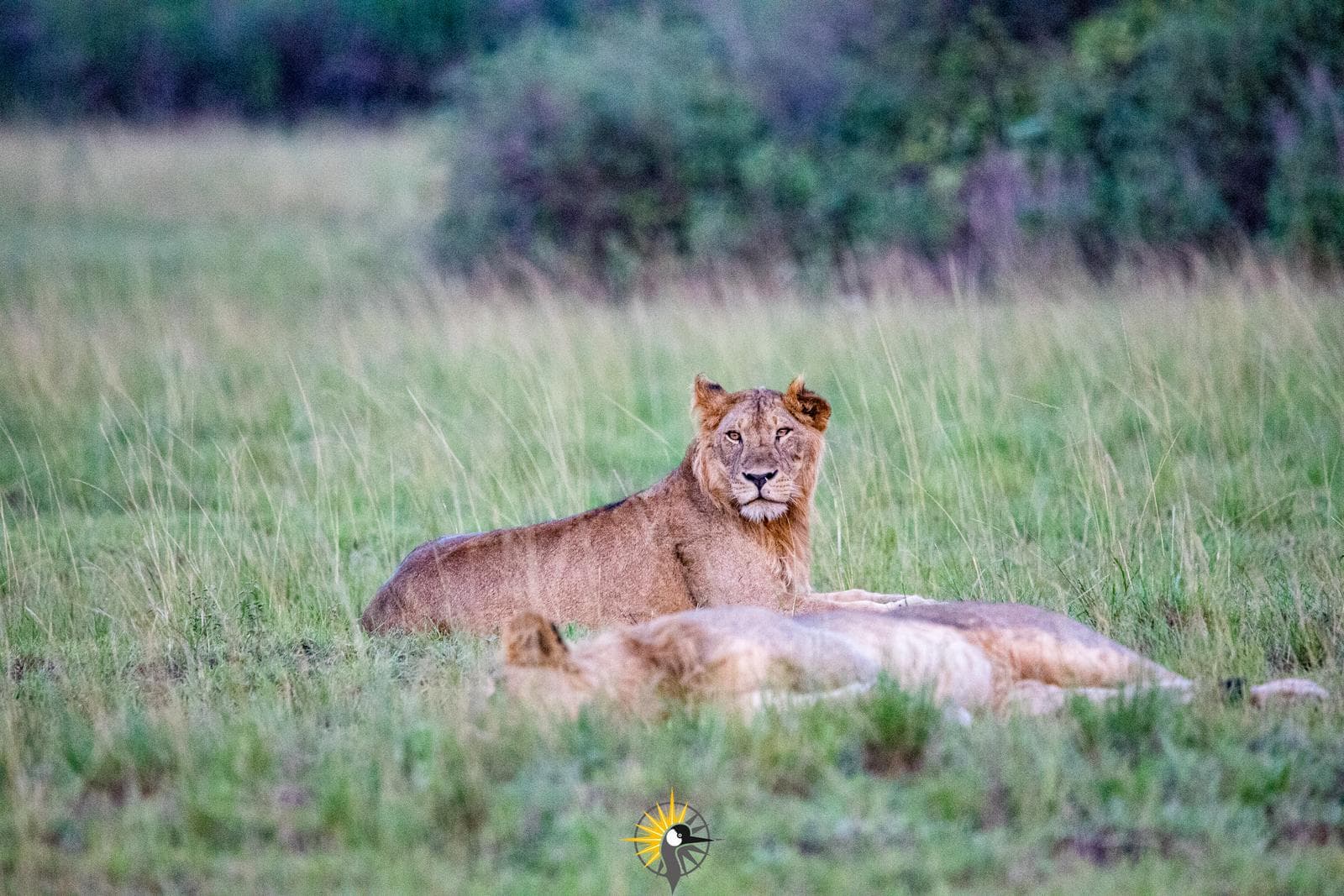
Best time to visit Uganda for wildlife
Discover the best time to visit Uganda for wildlife, from gorilla trekking to savannah safaris, with expert seasonal insights from Musana Tours & Travel.
Read more