The African Buffalo
The African Buffalo (Syncerus caffer), also known as the Cape buffalo, is one of Africa’s most powerful and unpredictable animals. As a member of the famous Big Five, it is highly respected for its strength, herd dynamics, and defensive nature. Found across East Africa’s savannahs, wetlands, and woodlands, the African buffalo is a common yet formidable presence on safari.
Physical Description
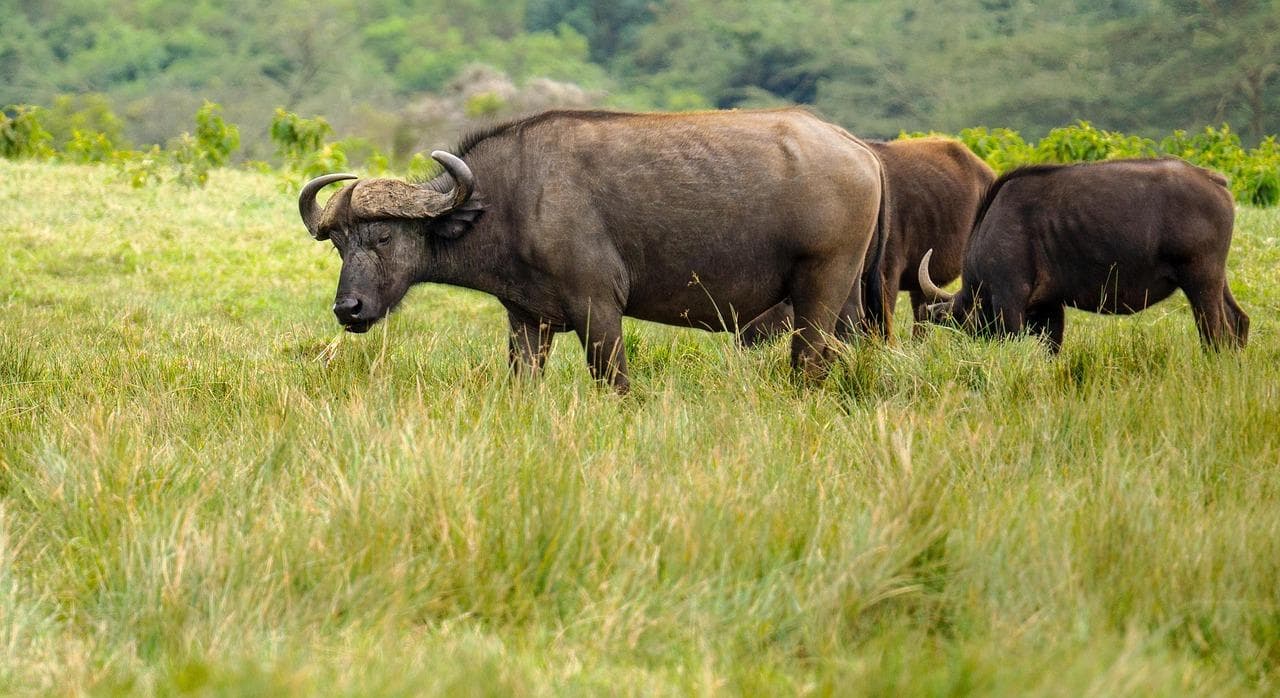
The African buffalo is a large and heavily built bovine, with adult males weighing between 500 and 900 kilograms, while females are slightly smaller. They have a dark brown to black coat and a robust body supported by strong legs.
One of their most distinctive features is their massive curved horns. In males, the horns form a solid shield-like structure across the forehead known as a “boss,” which is used for defense and dominance battles. Females also have horns, but they are smaller and less developed.
Despite their size, buffaloes are agile and can run at up to 50 km/h, making them dangerous when threatened.
Habitat and Distribution
African buffaloes are highly adaptable and can be found in a wide range of habitats, including savannah grasslands, woodlands, floodplains, and wetlands, as long as water is available.
In Uganda, buffaloes are widespread in Murchison Falls National Park, Queen Elizabeth National Park, Kidepo Valley National Park, and Lake Mburo National Park.
In Kenya, they are commonly found in Maasai Mara National Reserve, Amboseli National Park, Tsavo East National Park, and Tsavo West National Park.
In Tanzania, large populations occur in Serengeti National Park, Tarangire National Park, and the Ngorongoro Conservation Area.
In Rwanda, buffaloes are present in Akagera National Park, particularly in open plains and wetland areas.
Buffaloes are closely tied to water sources, often staying within reach of rivers and waterholes, especially during the dry season.
Behavior and Social Structure
African buffaloes are highly social animals, living in herds that can range from dozens to several hundred individuals. Herds are typically composed of females, calves, and subordinate males, while older males may form small bachelor groups or live alone.
They are known for their strong herd cohesion and cooperative defense strategies. When threatened, buffalo will often stand their ground and may even charge predators, making them one of the most dangerous animals in Africa.
Buffaloes communicate through vocalizations, body language, and scent, maintaining coordination within the herd.
Diet and Feeding Habits
Buffaloes are herbivorous grazers, feeding primarily on grasses. They require large quantities of food and spend much of their day grazing, especially during cooler hours.
They are highly dependent on water and need to drink daily, which influences their movement patterns and habitat selection. During the dry season, buffaloes often migrate locally in search of fresh grazing and water.
Reproduction
Buffaloes breed seasonally, often during the rainy season when food is abundant. After a gestation period of about 11 months, females give birth to a single calf.
Calves are protected within the herd, benefiting from collective defense against predators such as lions and hyenas. Young buffalo grow quickly and integrate into the herd’s social structure as they mature.
Conservation Status
The African buffalo is currently classified as Least Concern, as it remains widespread across sub-Saharan Africa. However, certain populations face localized threats, including:
- Habitat loss and fragmentation
- Diseases such as bovine tuberculosis
- Human-wildlife conflict
Protected areas across East Africa play a crucial role in maintaining stable buffalo populations.
Ecological Role
Buffaloes are important ecosystem engineers in savannah environments. Their grazing helps shape grassland structure, promoting new plant growth and supporting other herbivores.
They also play a key role in the food chain as prey for large predators, particularly lions. Their presence contributes to the overall balance and biodiversity of East African ecosystems.
Observing African Buffaloes
Buffaloes are among the most commonly seen animals on safari due to their large herd sizes and widespread distribution. They are often spotted near water sources, grazing in open plains, or resting in shaded areas.
Locations such as Queen Elizabeth National Park, Serengeti National Park, and Maasai Mara National Reserve offer excellent opportunities to observe large herds in their natural habitat. Early morning and late afternoon are ideal times for viewing, when buffalo are most active.
Conclusion
The African buffalo is a symbol of strength, resilience, and unity in East Africa’s wilderness. From Uganda’s savannah parks to the vast plains of Kenya and Tanzania and the restored ecosystems of Rwanda, buffaloes remain a vital part of the region’s wildlife heritage. Their powerful presence and complex social behavior make them an unforgettable highlight of any safari experience.
Related Animals
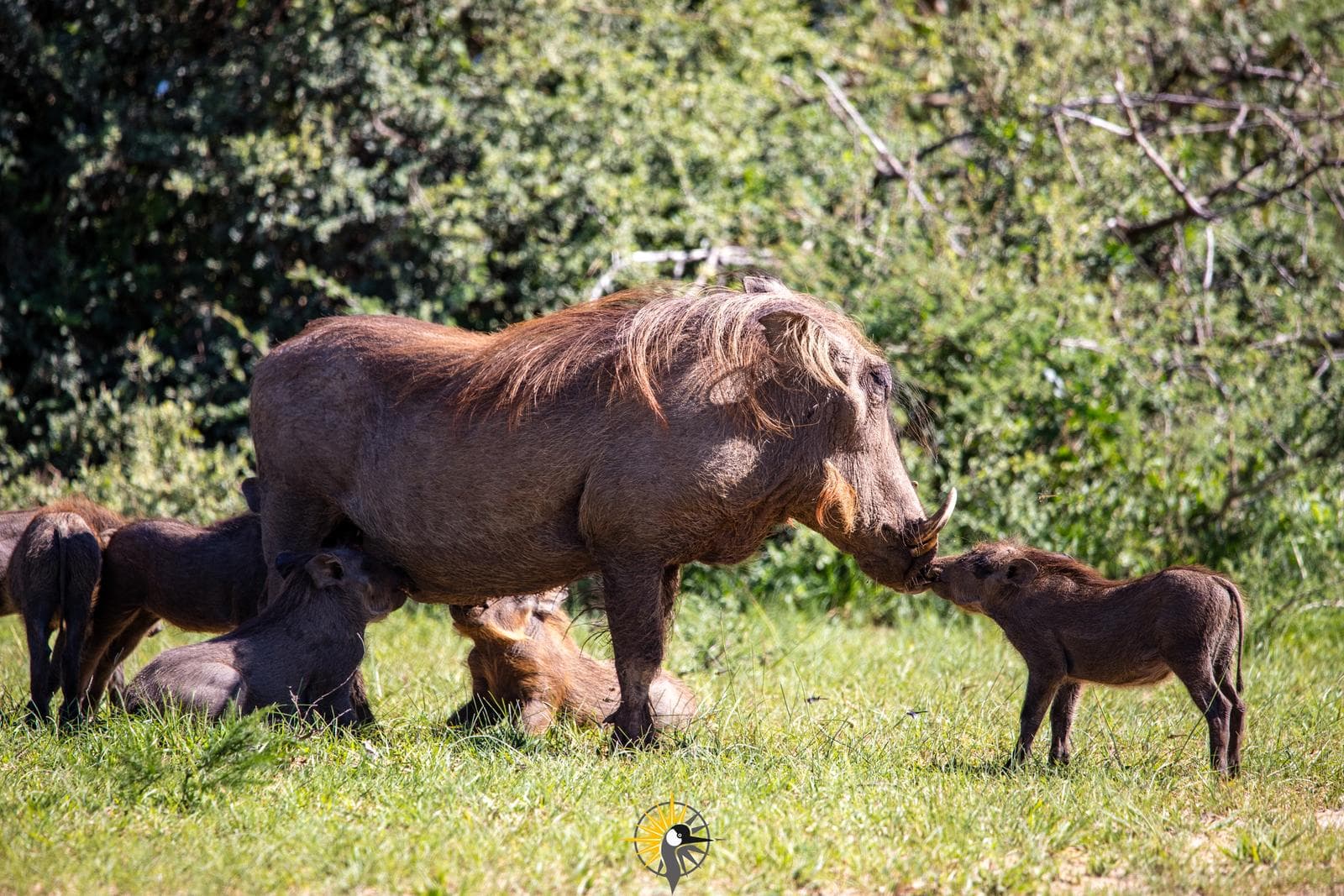
The common warthog
Discover the common warthog in East Africa—habitat, behavior, and best safari destinations to see this iconic African wildlife species in the wild.
View animal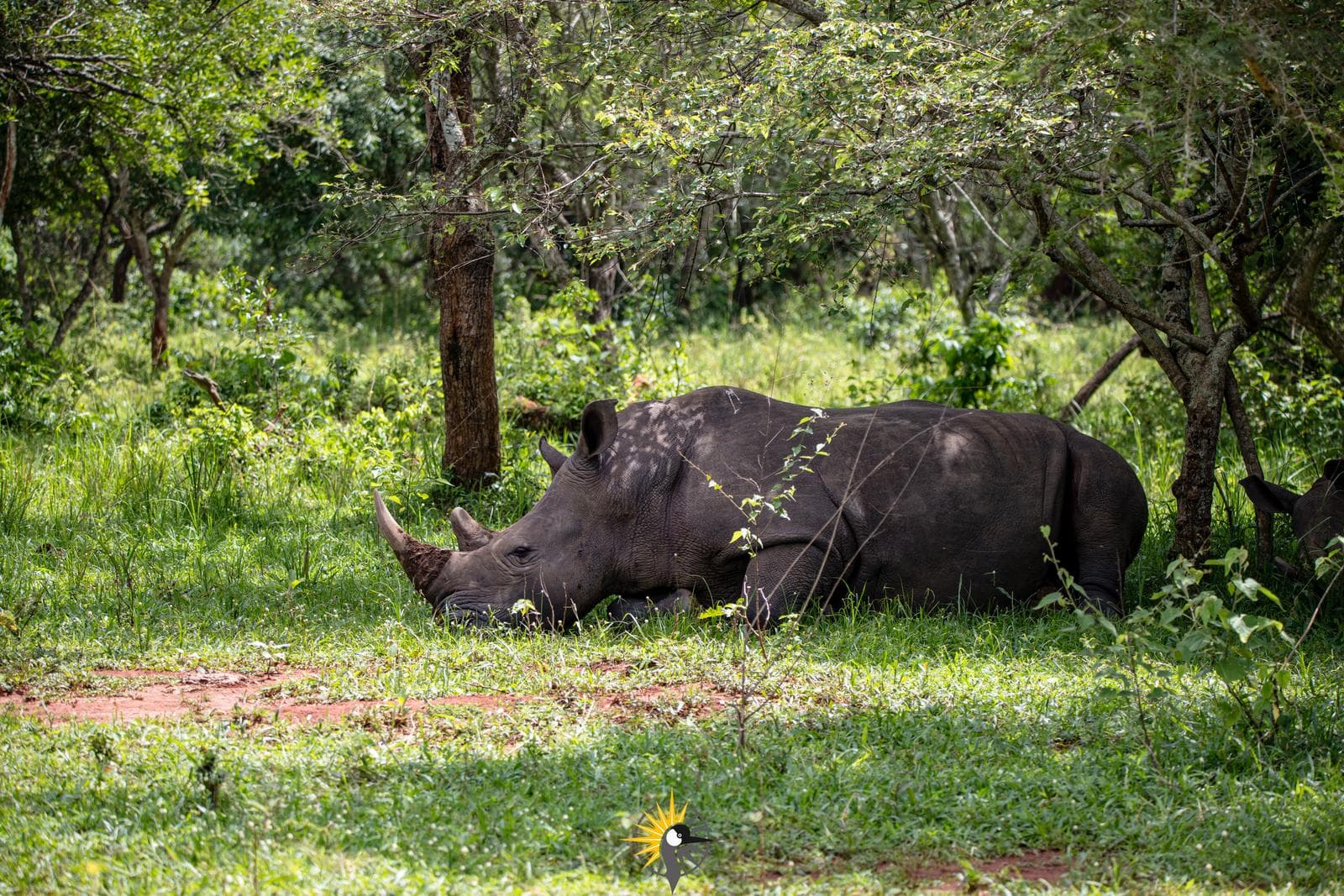
The Rhino
Discover rhinos in East Africa, from Kenya’s Ol Pejeta to Uganda’s Ziwa Sanctuary, and learn about species, habitats, and conservation.
View animal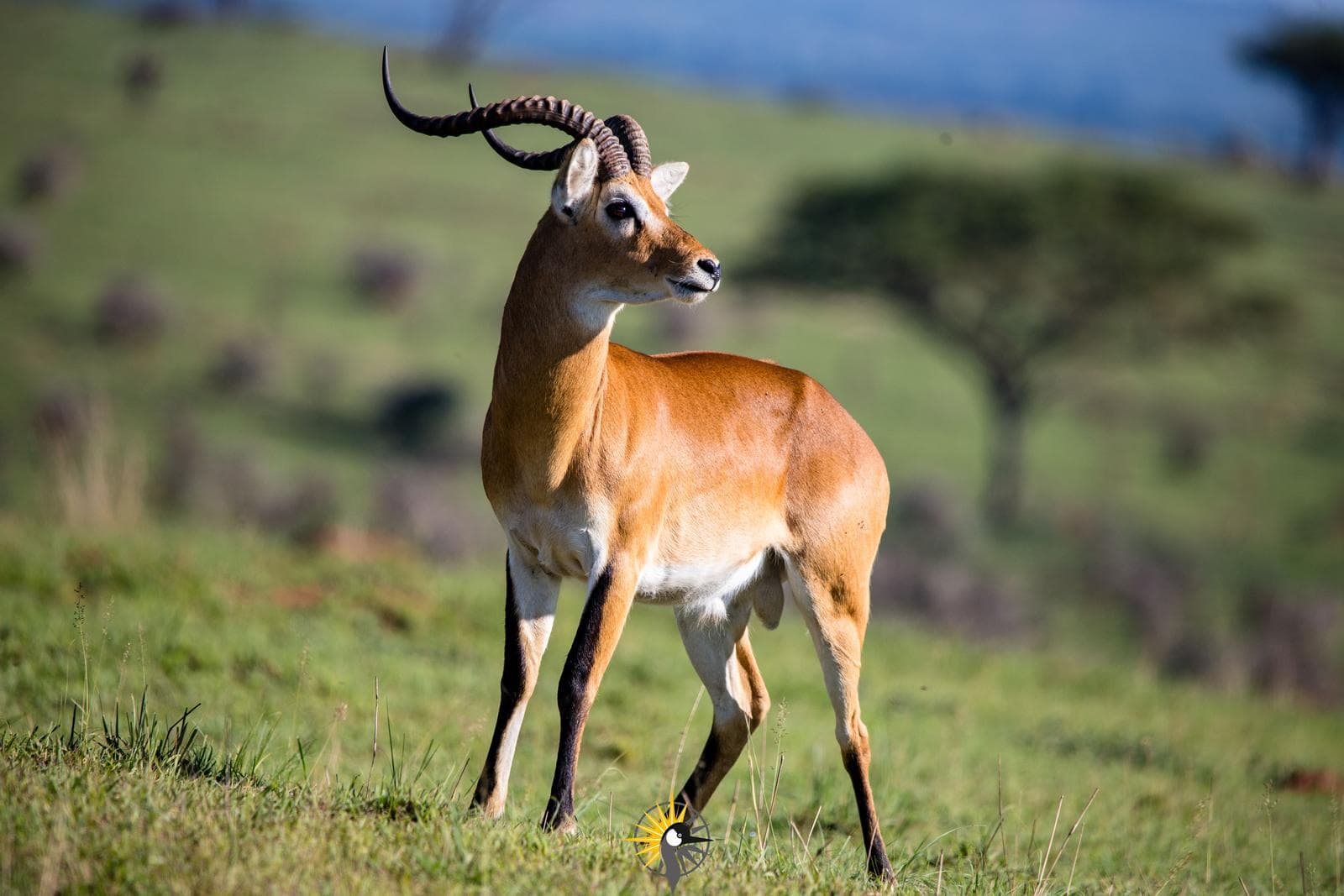
Uganda Kob
Discover the Uganda Kob, a graceful antelope and national symbol, found in Uganda’s top parks like Queen Elizabeth and Murchison Falls.
View animalTop safaris
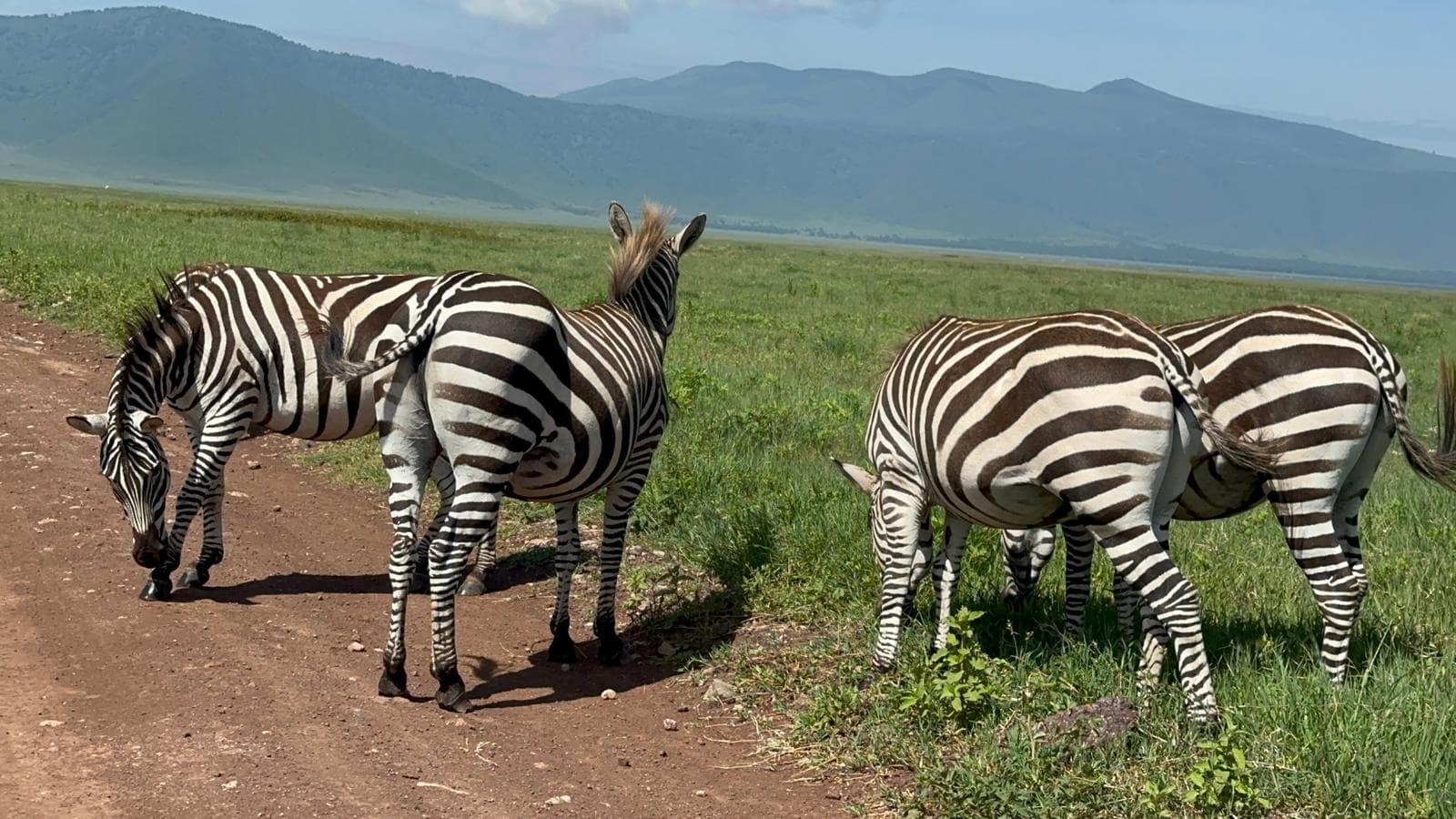
9 Days Gorilla tracking in Uganda, Tarangire, Ngorongoro, and Serengeti National Park in Tanzania
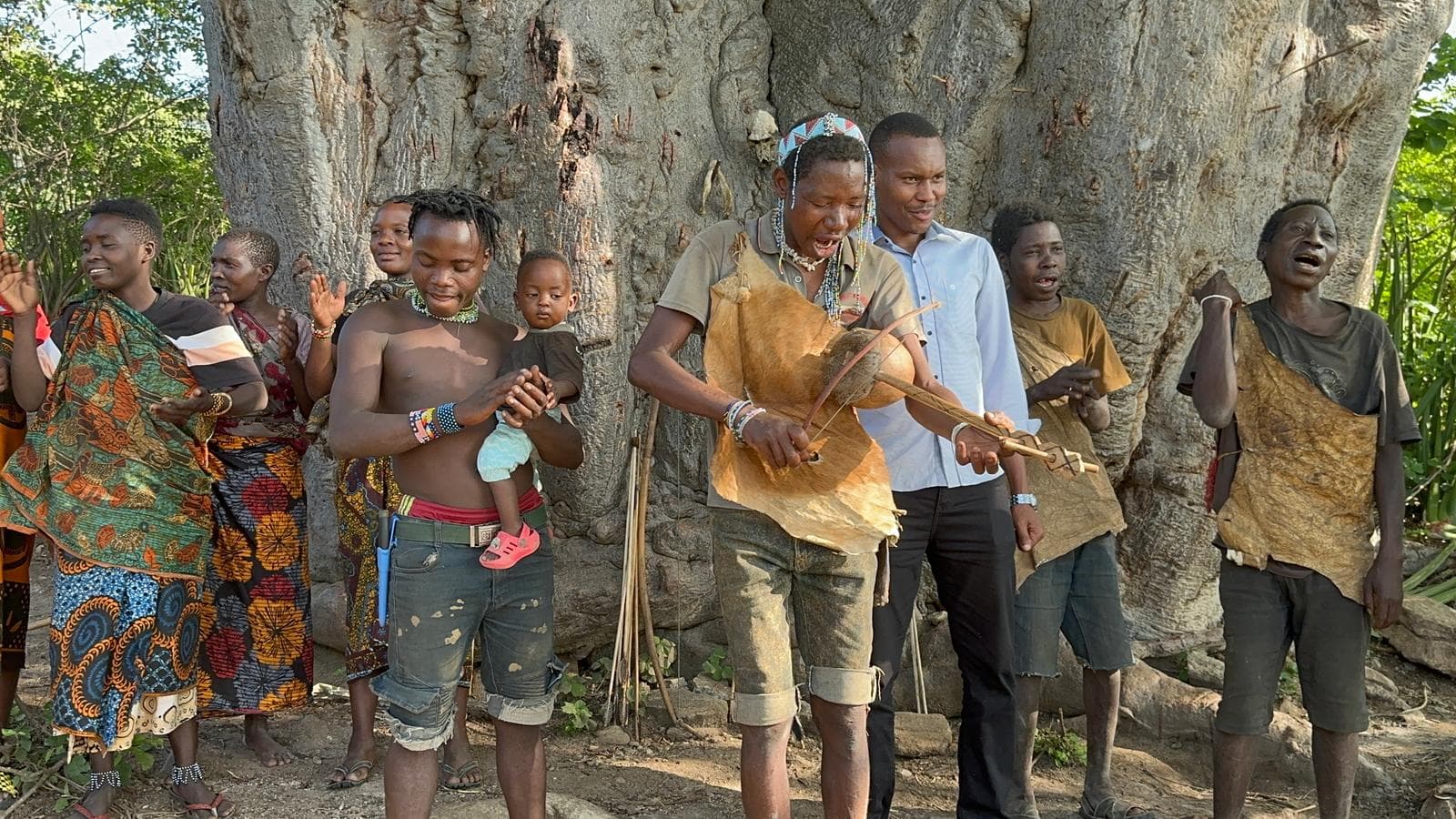
3 Days Hadzabe, Masai and Ngorongoro Crater Safari, Tanzania
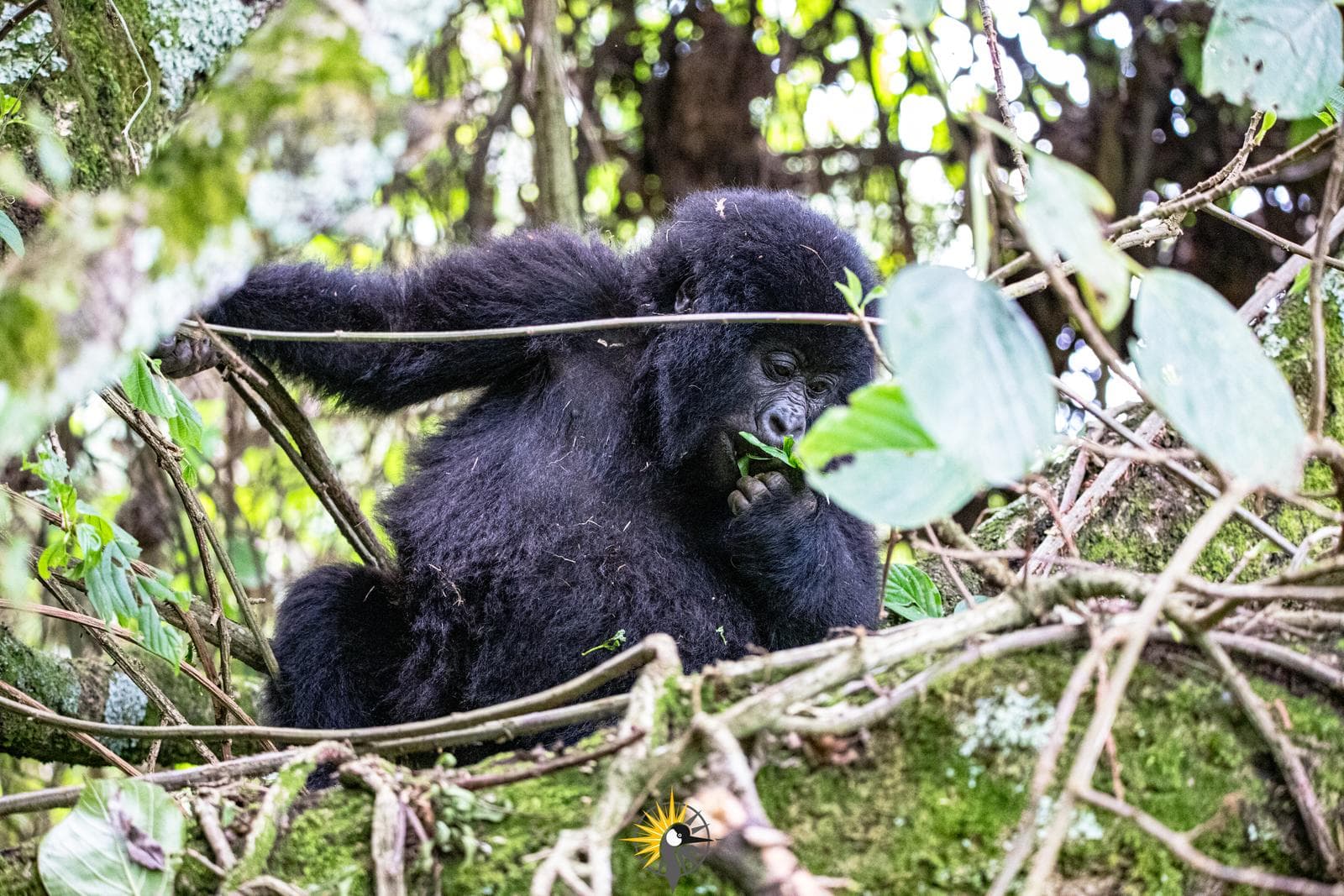
21 Days Epic East Africa safari, gorilla trekking in Bwindi, Big Five safaris and Zanzibar Beach escape
News and Updates
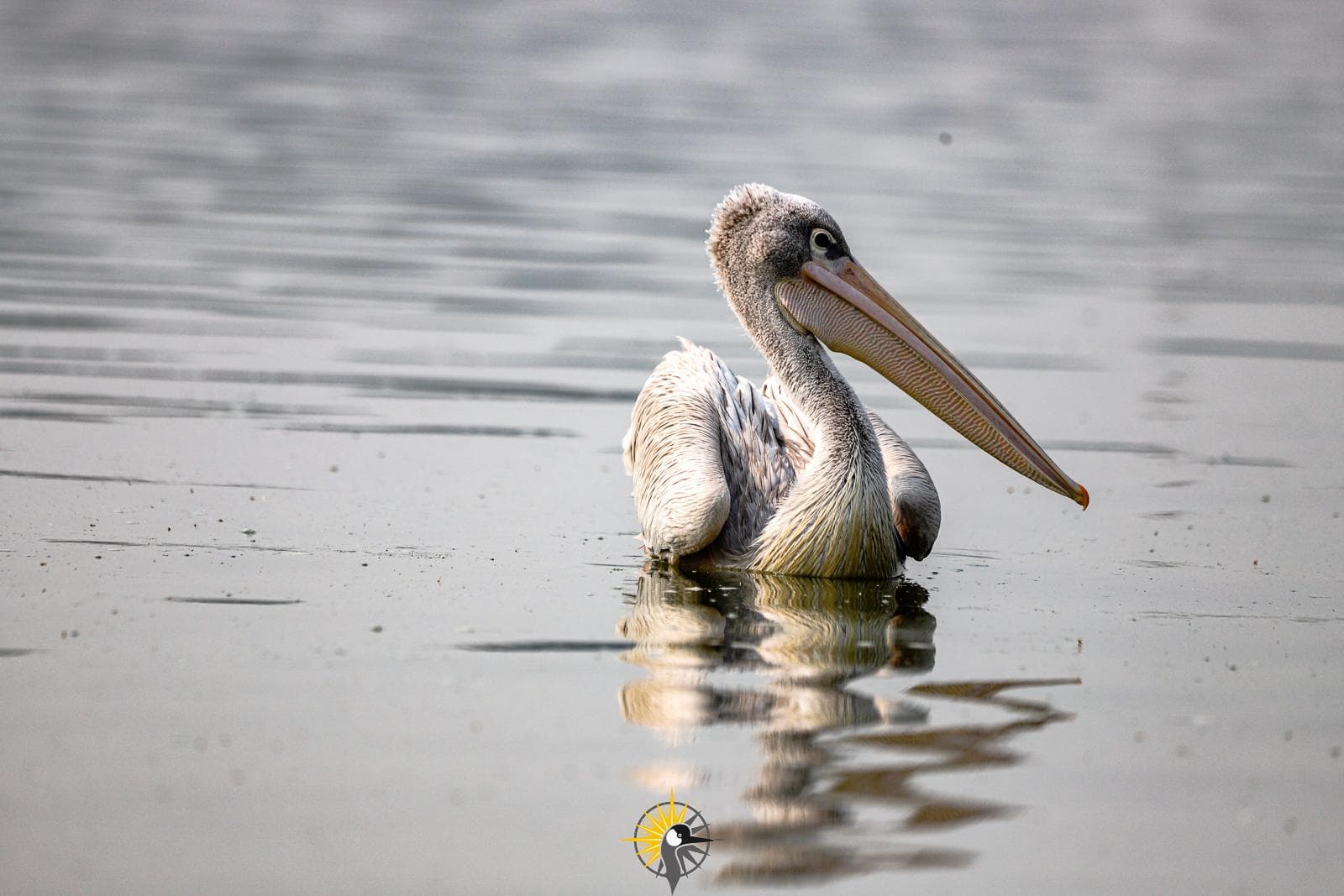
Birding in Queen Elizabeth National Park, A 7-Day Adventure with Musana Tours & Travel
Discover birding in Queen Elizabeth National Park on a 7-day guided safari. Spot shoebills, pelicans & raptors with Musana Tours & Travel.
Read more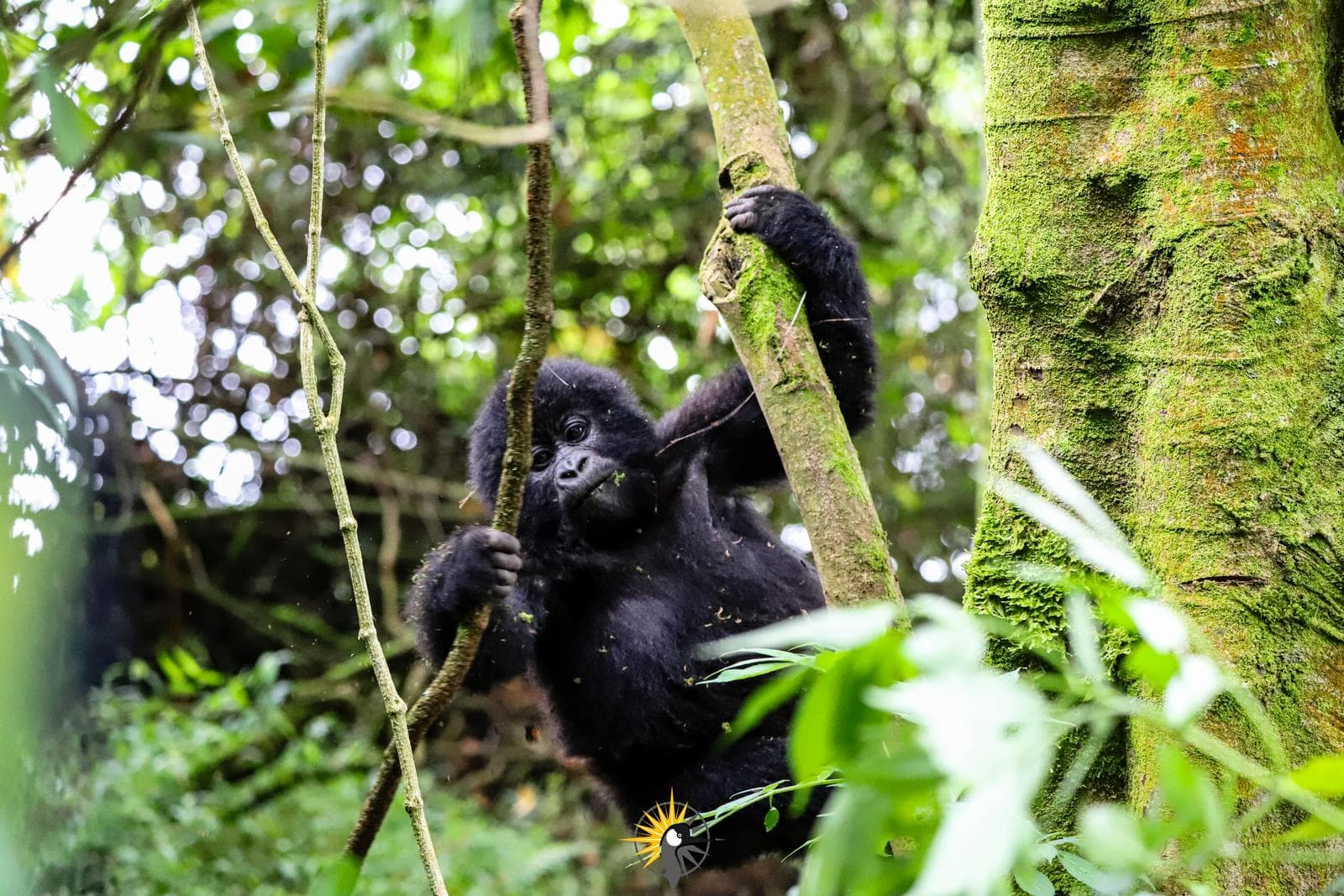
Gorilla trekking vs chimpanzee tracking, which should you choose?
Gorilla trekking vs chimpanzee tracking in Uganda—compare experiences, costs, and best parks to choose the perfect primate safari adventure.
Read more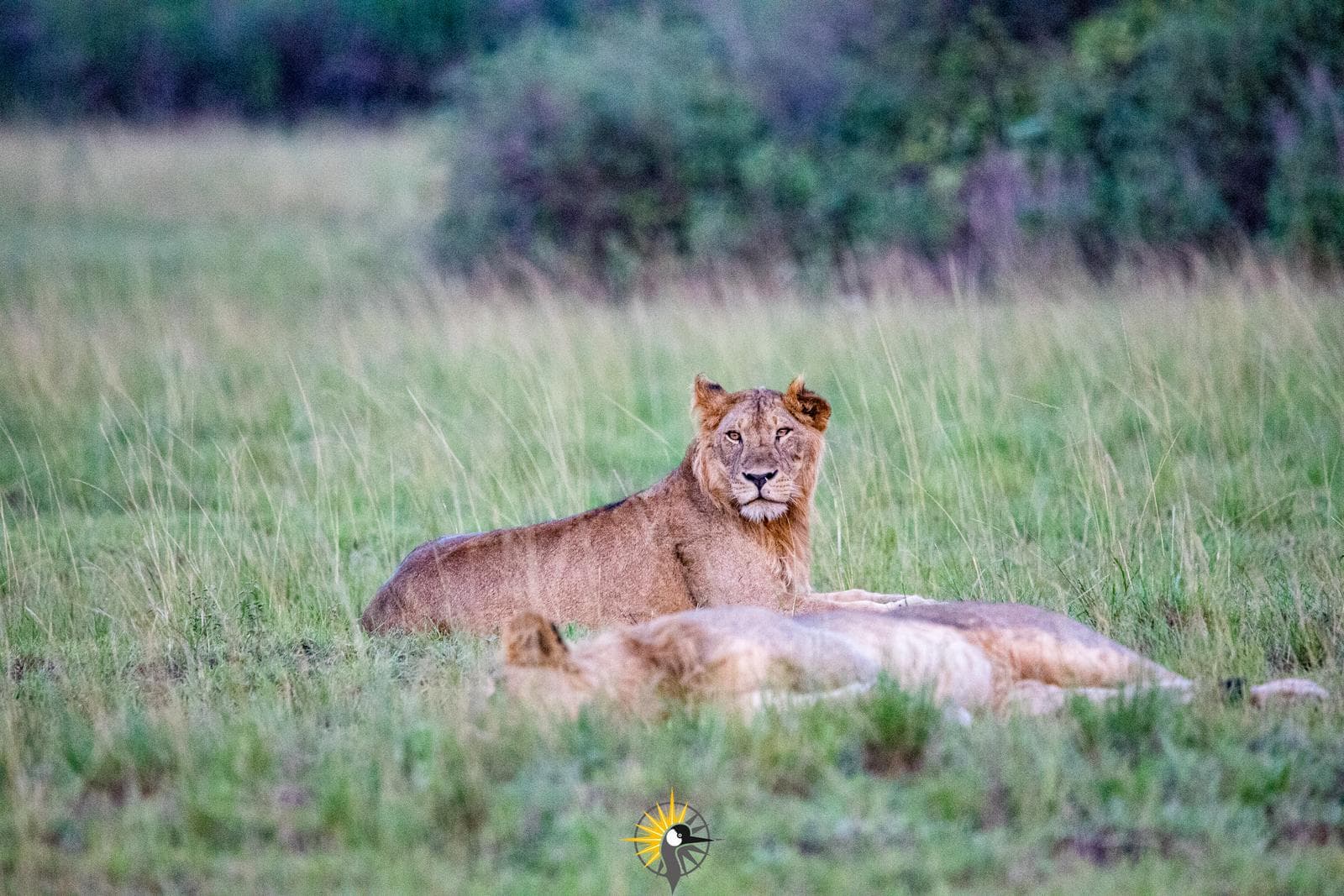
Best time to visit Uganda for wildlife
Discover the best time to visit Uganda for wildlife, from gorilla trekking to savannah safaris, with expert seasonal insights from Musana Tours & Travel.
Read more