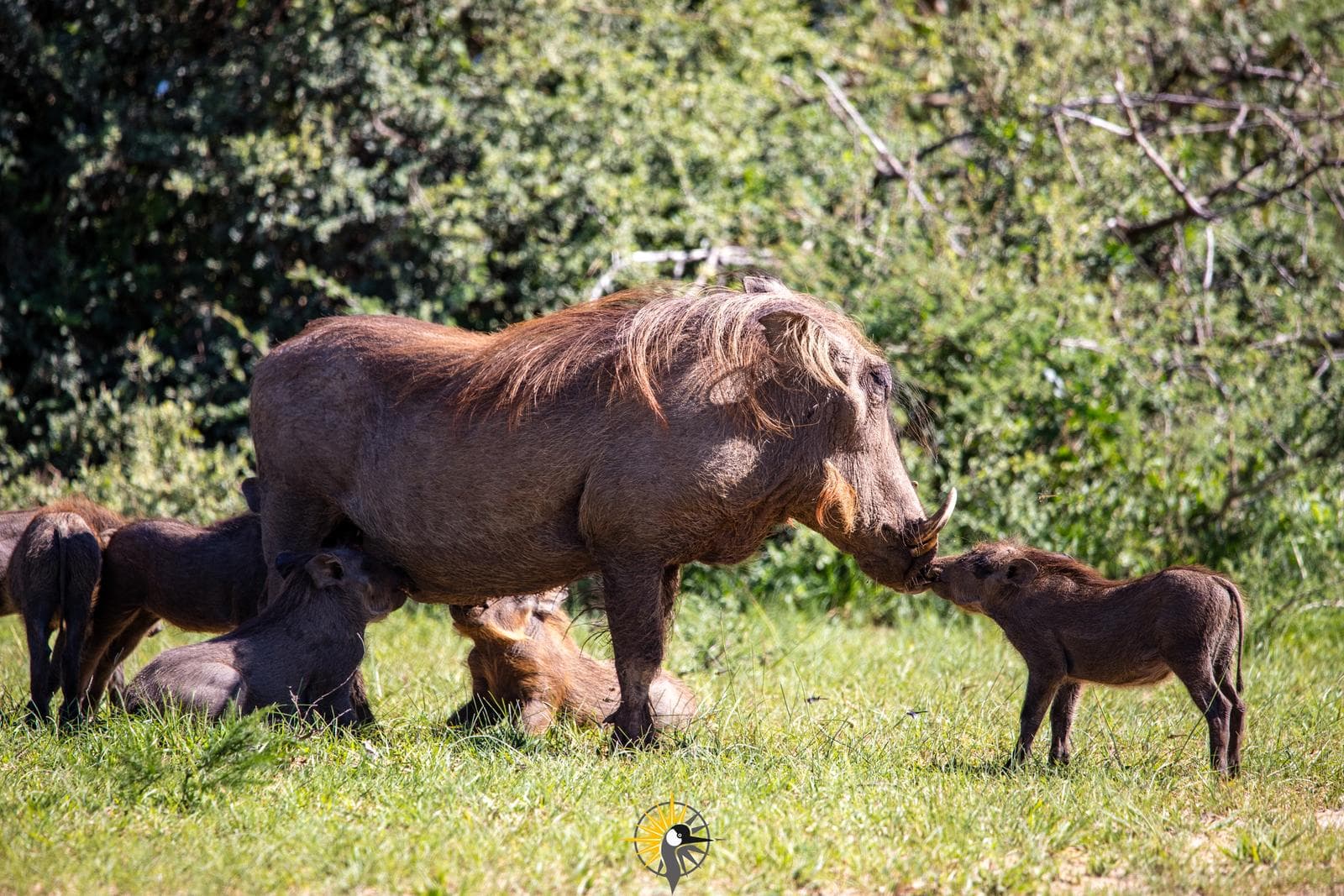
The common warthog
The Common Warthog (Phacochoerus africanus) is one of East Africa’s most distinctive and recognizable mammals. Known for its unique facial warts, curved tusks, and surprisingly agile movements, this wild pig thrives in savannahs, grasslands, and woodland areas. Despite its somewhat comical appearance, the warthog plays an important ecological role and is a favorite sighting for safari enthusiasts across Uganda, Kenya, Tanzania, and Rwanda.
Physical Description
Common Warthogs are medium-sized wild pigs with a rugged, hair-sparse body, often appearing grayish-brown. The most noticeable features are the facial warts, which provide protection during fights, and the prominent curved tusks used for digging and defense. Adult males are larger than females, weighing between 50 and 150 kilograms, with males standing about 60–85 centimeters at the shoulder. Despite their stocky build, warthogs are fast runners and can reach speeds up to 48 km/h when escaping predators.
Habitat and Distribution
The Common Warthog is highly adaptable and inhabits savannahs, open grasslands, floodplains, and lightly wooded areas throughout East Africa. Key regions include:
- Uganda: Murchison Falls National Park, Kidepo Valley National Park, Queen Elizabeth National Park, and Lake Mburo National Park
- Kenya: Maasai Mara, Amboseli, Tsavo, and Nairobi National Park
- Tanzania: Serengeti National Park, Tarangire National Park, and Ngorongoro Conservation Area
- Rwanda: Akagera National Park
Warthogs prefer open areas with short grass and access to water sources, which allow them to forage efficiently while remaining alert for predators.
Behavior and Social Structure
Common Warthogs are diurnal and highly social animals. They often live in small family groups called sounders, consisting of females and their young. Adult males are generally solitary outside of mating periods. Warthogs use burrows abandoned by other animals or dig their own, retreating quickly when threatened. Their behavior is characterized by a combination of grazing, wallowing in mud for thermoregulation, and keeping watch for predators like lions, leopards, hyenas, and crocodiles.
Diet and Feeding Habits
Warthogs are primarily herbivores, feeding on grasses, roots, berries, and bulbs. They use their tusks and snouts to dig for tubers and underground vegetation. While foraging, they often kneel on their front legs, a distinctive feeding posture that aids in reaching the ground more effectively. Occasionally, warthogs may eat insects, small reptiles, or carrion, making them opportunistic feeders.
Reproduction
The breeding season varies by region but is often tied to the wet season, when food is abundant. Females give birth to litters of 2–8 piglets after a gestation of about 5–6 months. Piglets are born in burrows, which provide protection from predators. They are covered with striped markings that fade as they mature. Young warthogs learn survival skills from their mothers and family groups, gradually joining the herd in foraging and grazing activities.
Conservation Status
The Common Warthog is classified as Least Concern by the IUCN due to its wide distribution and adaptable nature. However, localized threats include habitat loss, hunting for meat, and competition with livestock for grazing. Protected areas across Uganda, Kenya, Tanzania, and Rwanda are critical in maintaining stable populations.
Ecological Role
Common Warthogs contribute significantly to savannah ecosystems. Their digging and foraging help aerate the soil, promoting plant growth and nutrient cycling. They are also an important prey species for predators and help maintain the balance between herbivores and carnivores in their habitats.
Observing Common Warthogs
Warthogs are a common and entertaining wildlife sight. Safari-goers can observe them:
- Grazing on open plains in Maasai Mara, Serengeti, or Tarangire
- Using burrows near riverine areas in Uganda and Rwanda
- In social groups displaying playful behavior or alert postures
Early morning and late afternoon provide the best opportunities for viewing, as these are the most active times for warthogs. Maintaining a safe distance is important, as males can be aggressive when threatened.
Conclusion
The Common Warthog is a resilient, adaptable, and ecologically important species that adds vibrancy to East Africa’s wildlife. From Uganda’s wetlands and savannahs to Rwanda’s protected plains, Kenya’s iconic parks, and Tanzania’s Serengeti, warthogs offer memorable safari encounters. Conserving their habitats ensures that these charismatic wild pigs remain an integral part of East Africa’s biodiversity.
Related Animals
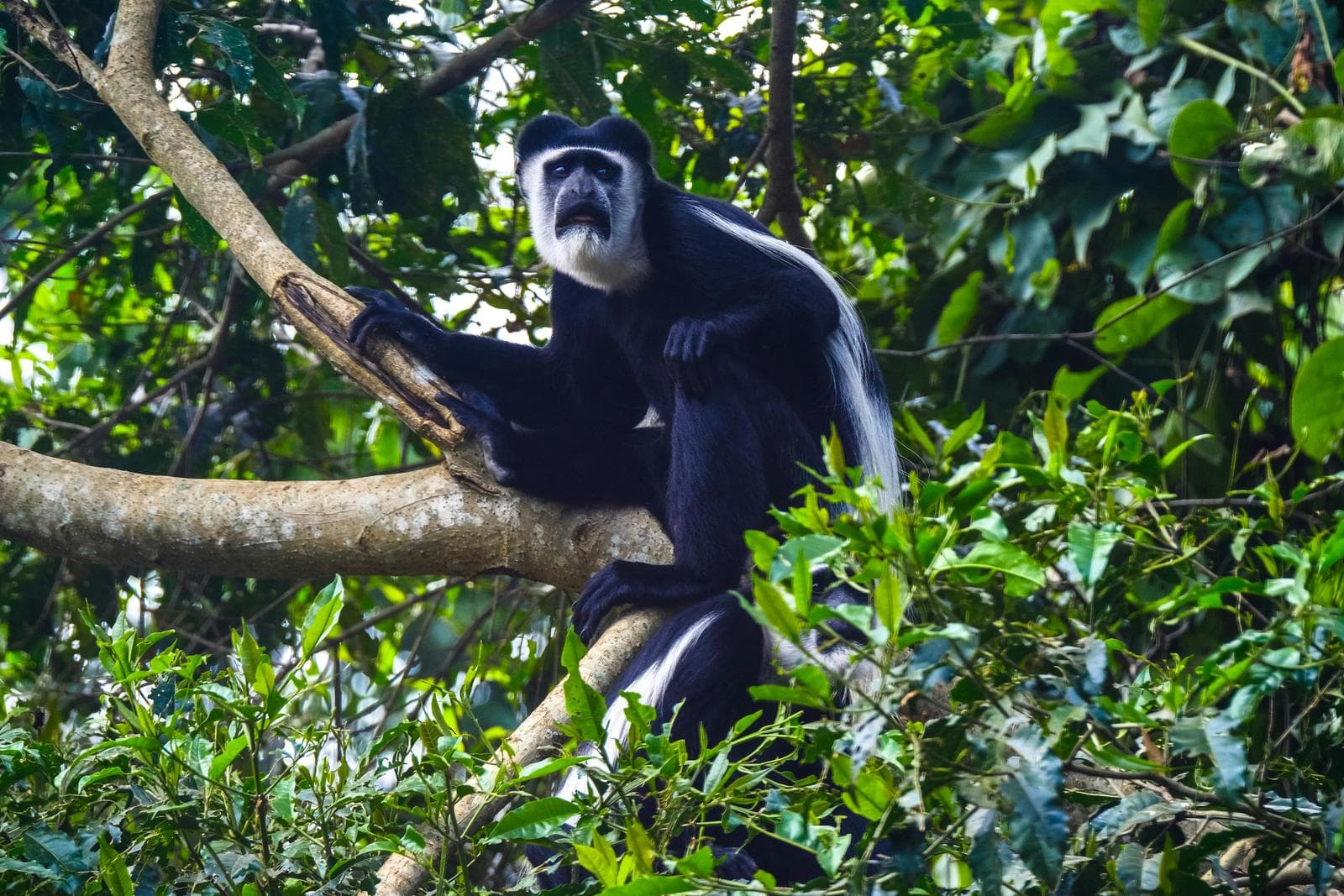
The black and white colobus monkey
Explore the black-and-white colobus monkey in East Africa, its forest habitats, unique behavior, and how responsible tourism supports conservation.
View animal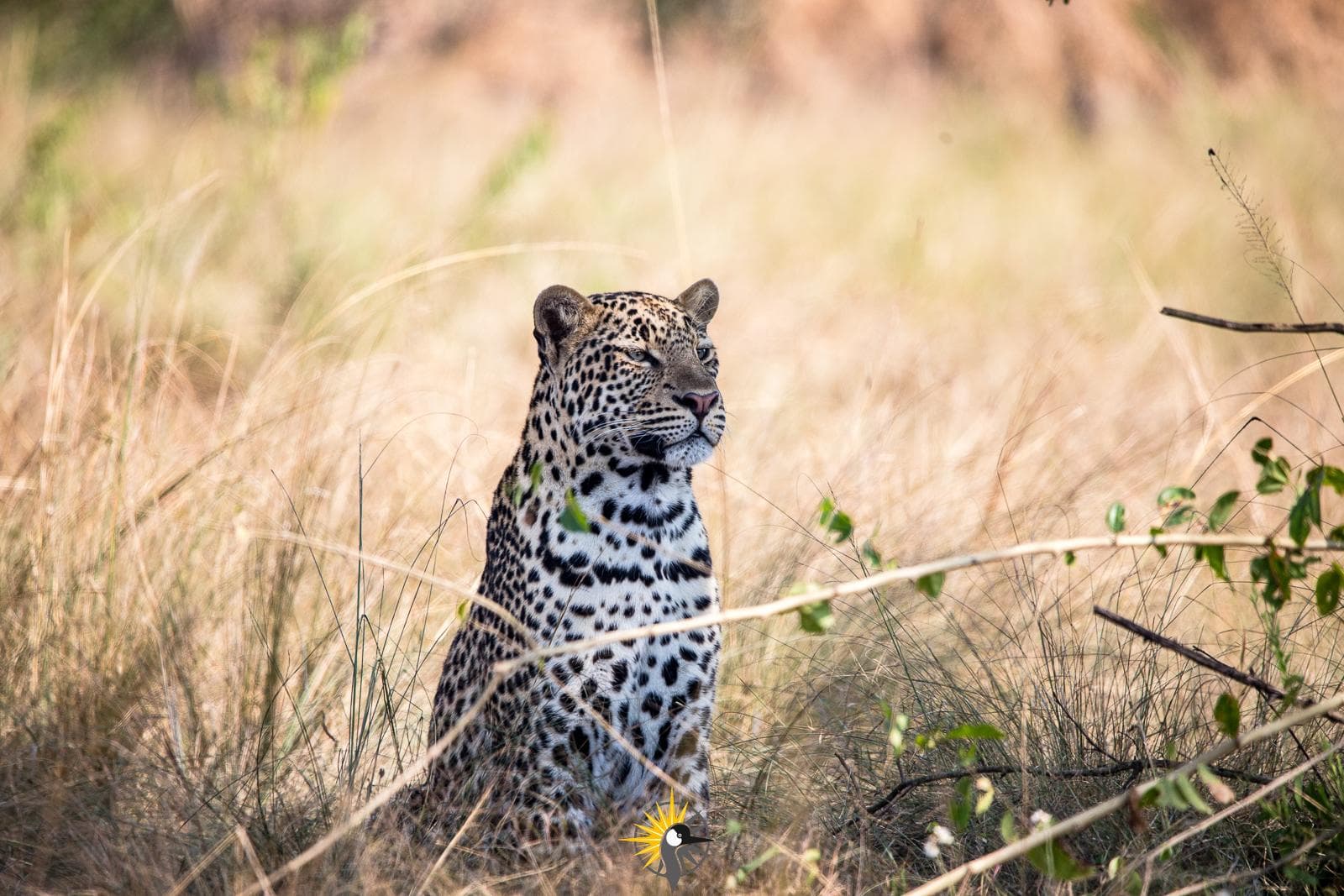
The Leopard
Discover leopards in East Africa, from Uganda’s Queen Elizabeth Park to the Serengeti, and learn about their behavior, habitats, and conservation.
View animal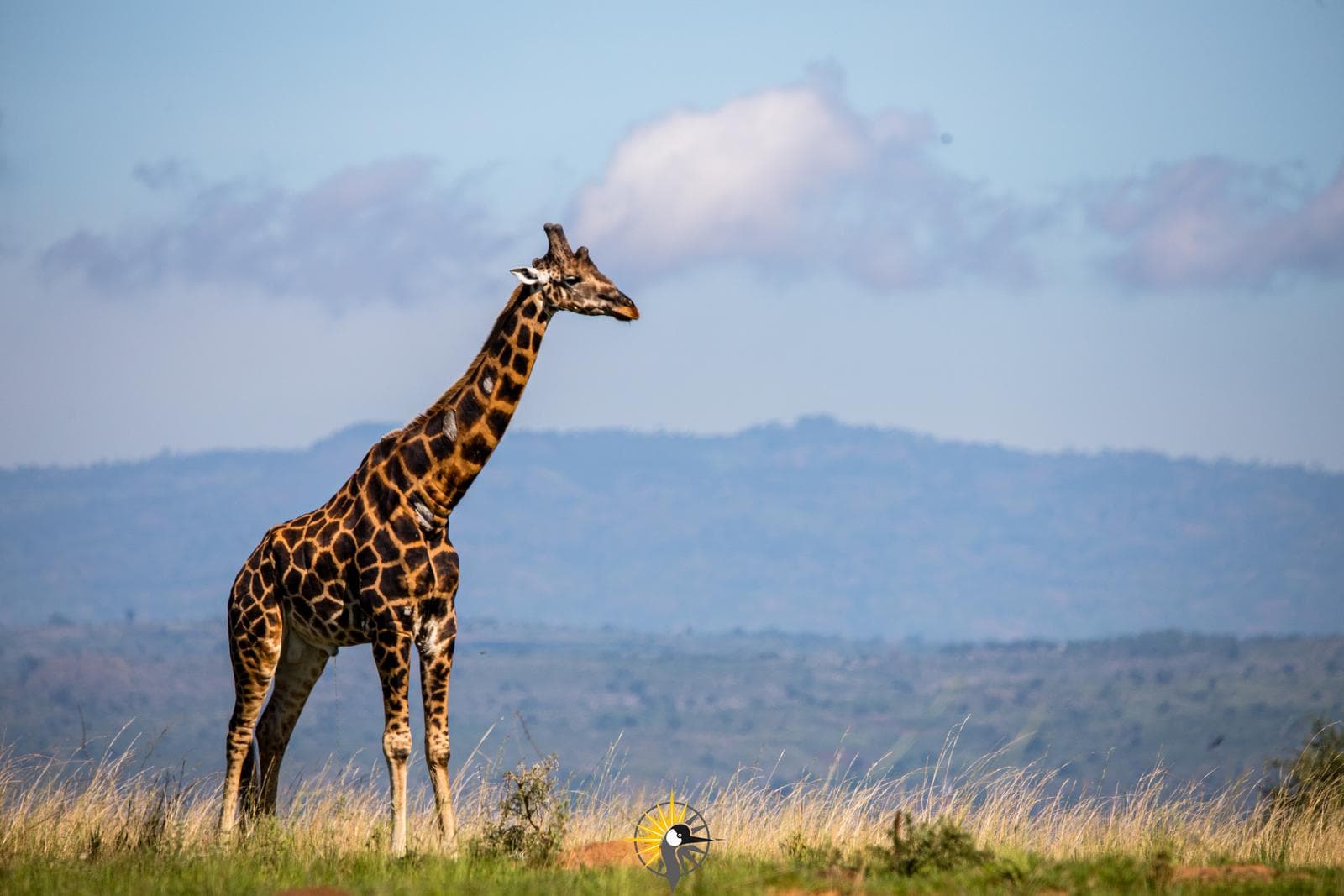
The African Giraffe
Discover giraffes in East Africa, from Rothschild’s giraffes in Uganda to Reticulated giraffes in Kenya, and explore top safari destinations.
View animalTop safaris
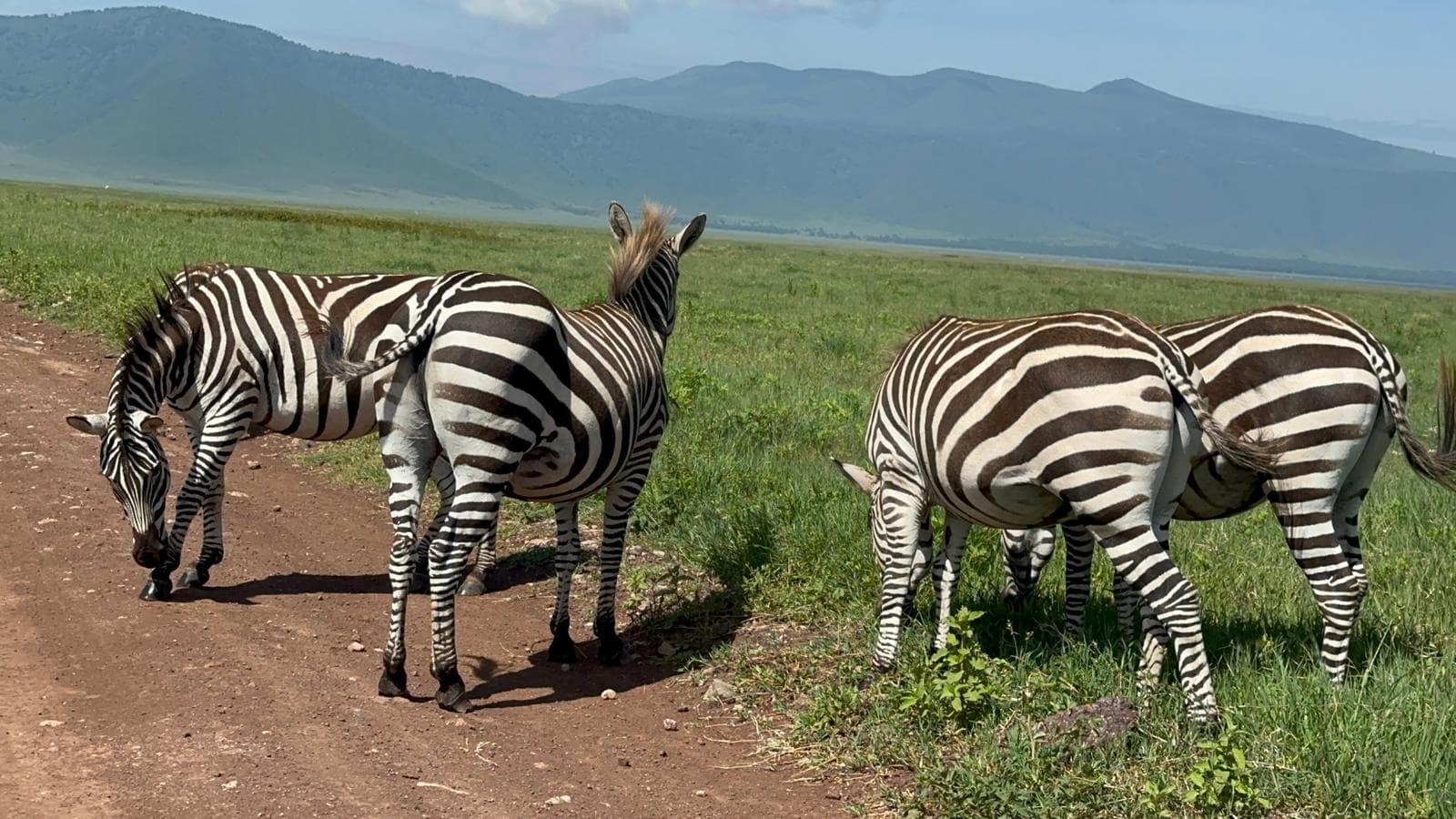
9 Days Gorilla tracking in Uganda, Tarangire, Ngorongoro, and Serengeti National Park in Tanzania
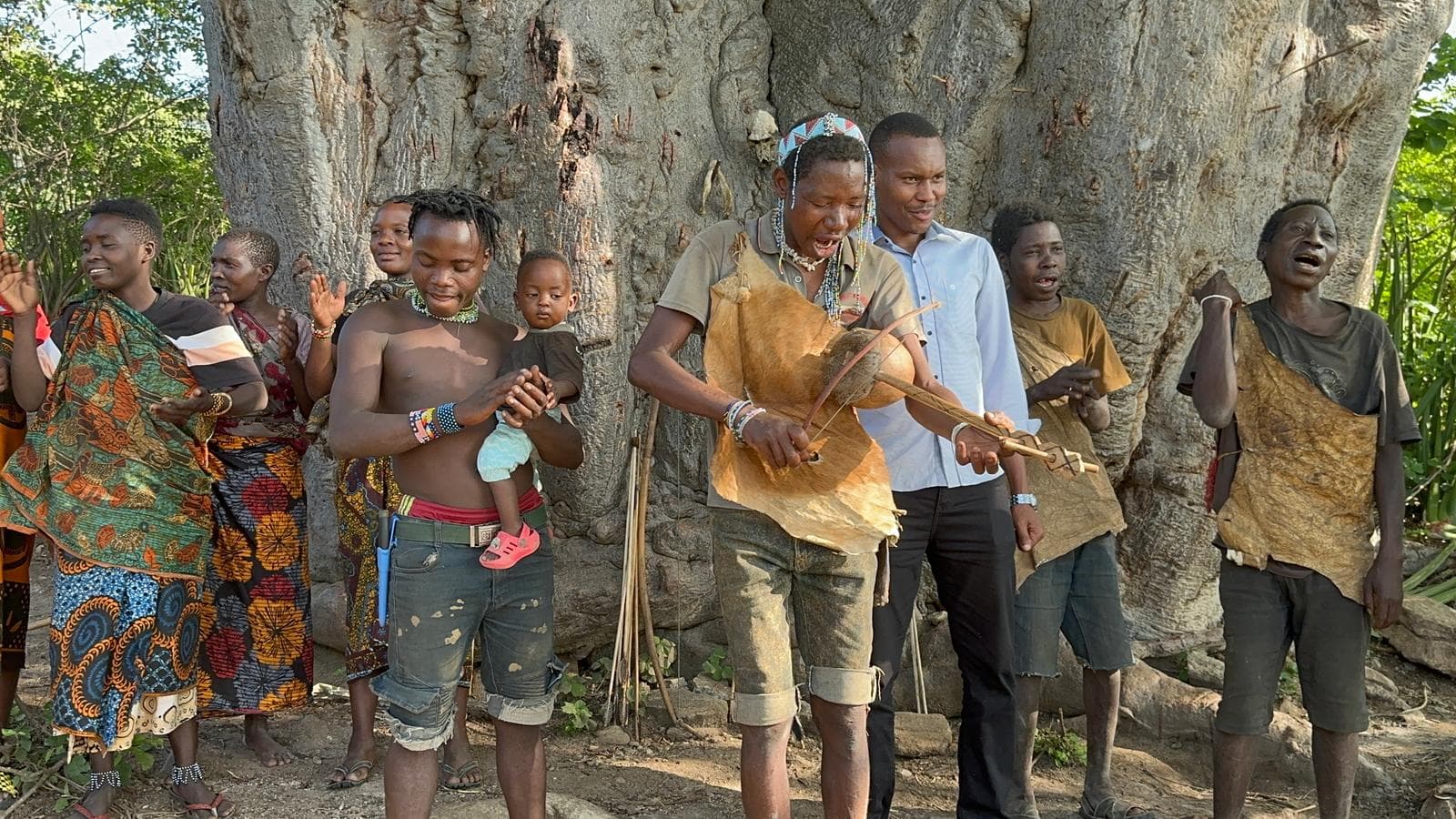
3 Days Hadzabe, Masai and Ngorongoro Crater Safari, Tanzania
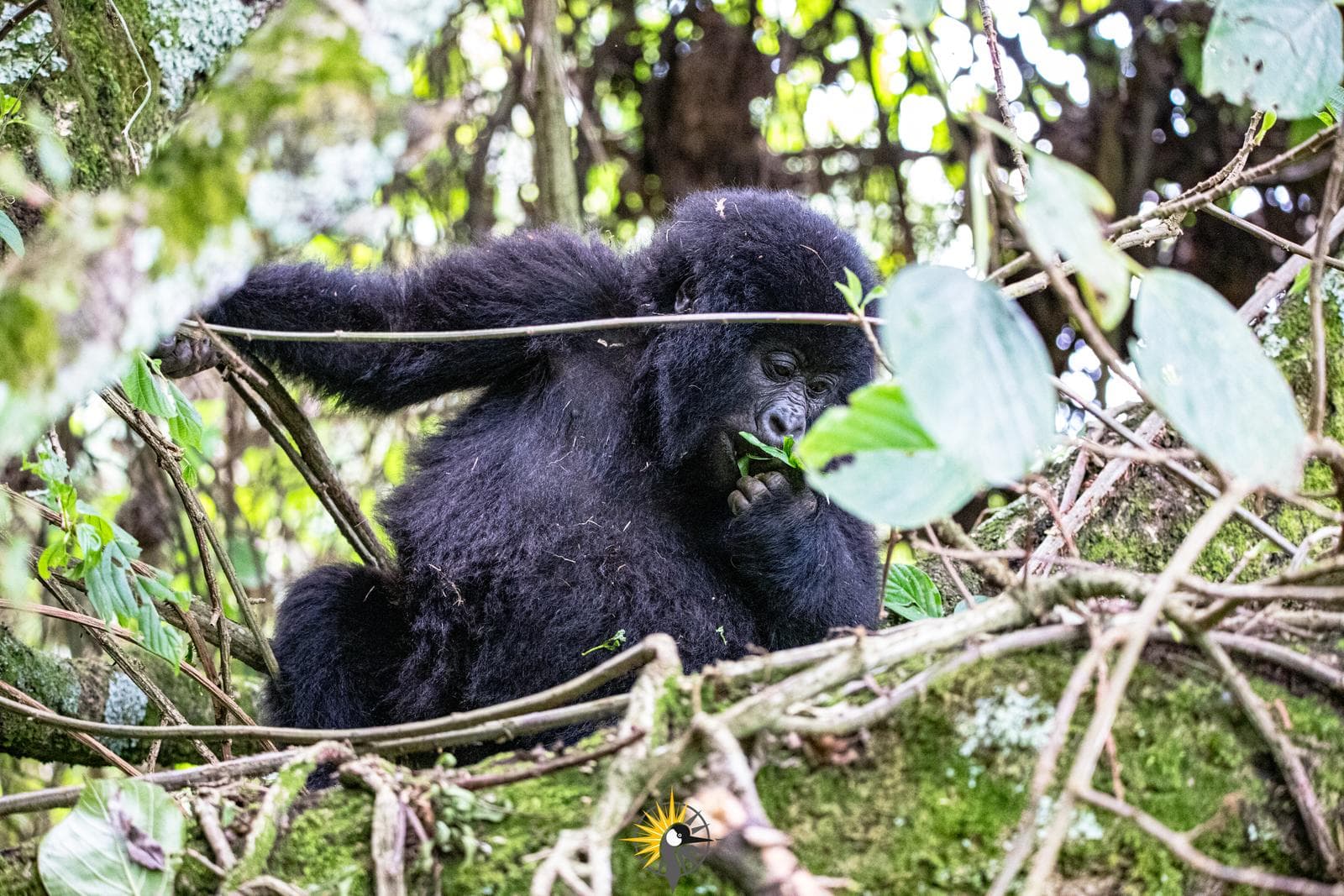
21 Days Epic East Africa safari, gorilla trekking in Bwindi, Big Five safaris and Zanzibar Beach escape
News and Updates
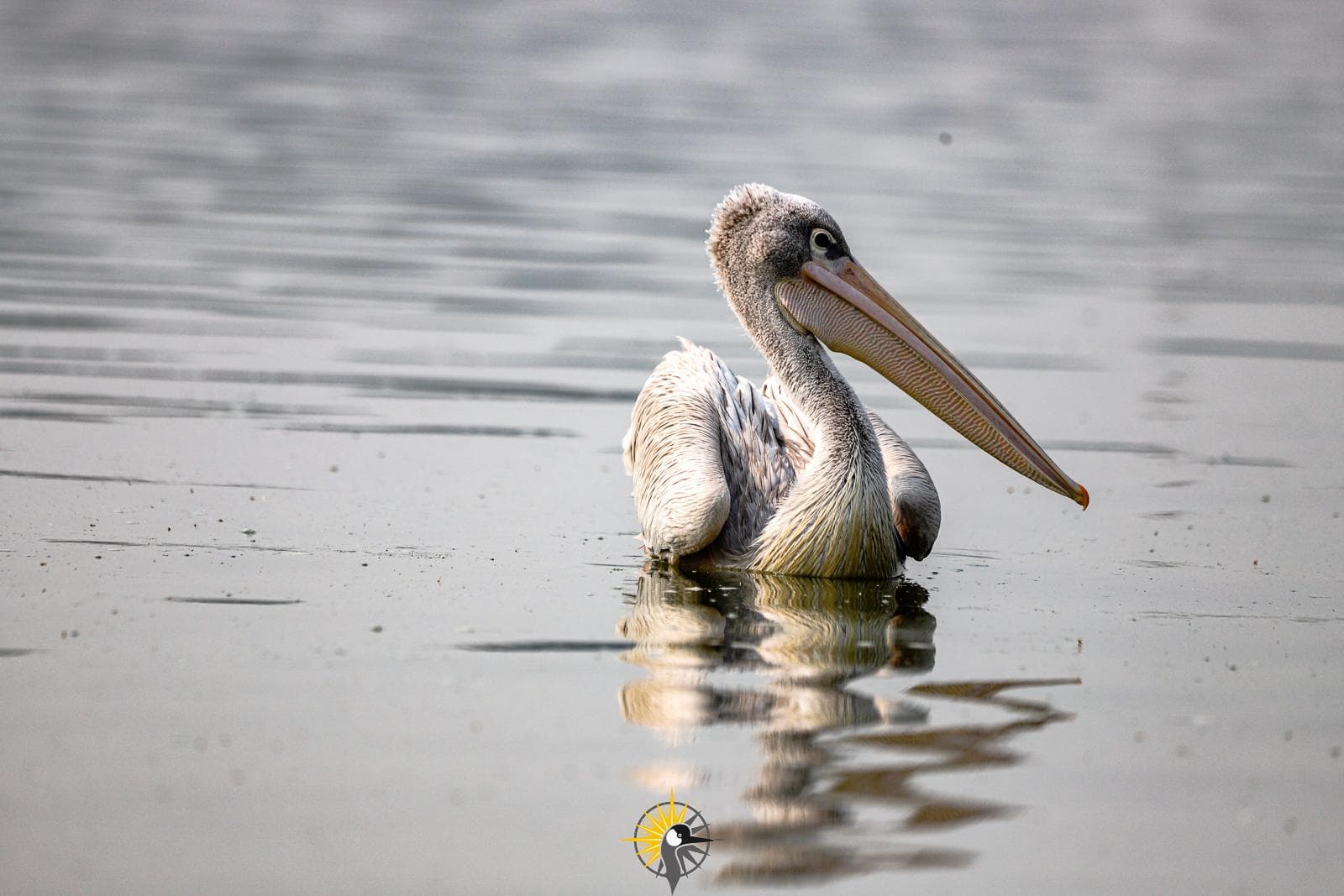
Birding in Queen Elizabeth National Park, A 7-Day Adventure with Musana Tours & Travel
Discover birding in Queen Elizabeth National Park on a 7-day guided safari. Spot shoebills, pelicans & raptors with Musana Tours & Travel.
Read more
Gorilla trekking vs chimpanzee tracking, which should you choose?
Gorilla trekking vs chimpanzee tracking in Uganda—compare experiences, costs, and best parks to choose the perfect primate safari adventure.
Read more
Best time to visit Uganda for wildlife
Discover the best time to visit Uganda for wildlife, from gorilla trekking to savannah safaris, with expert seasonal insights from Musana Tours & Travel.
Read more