Uganda Kob
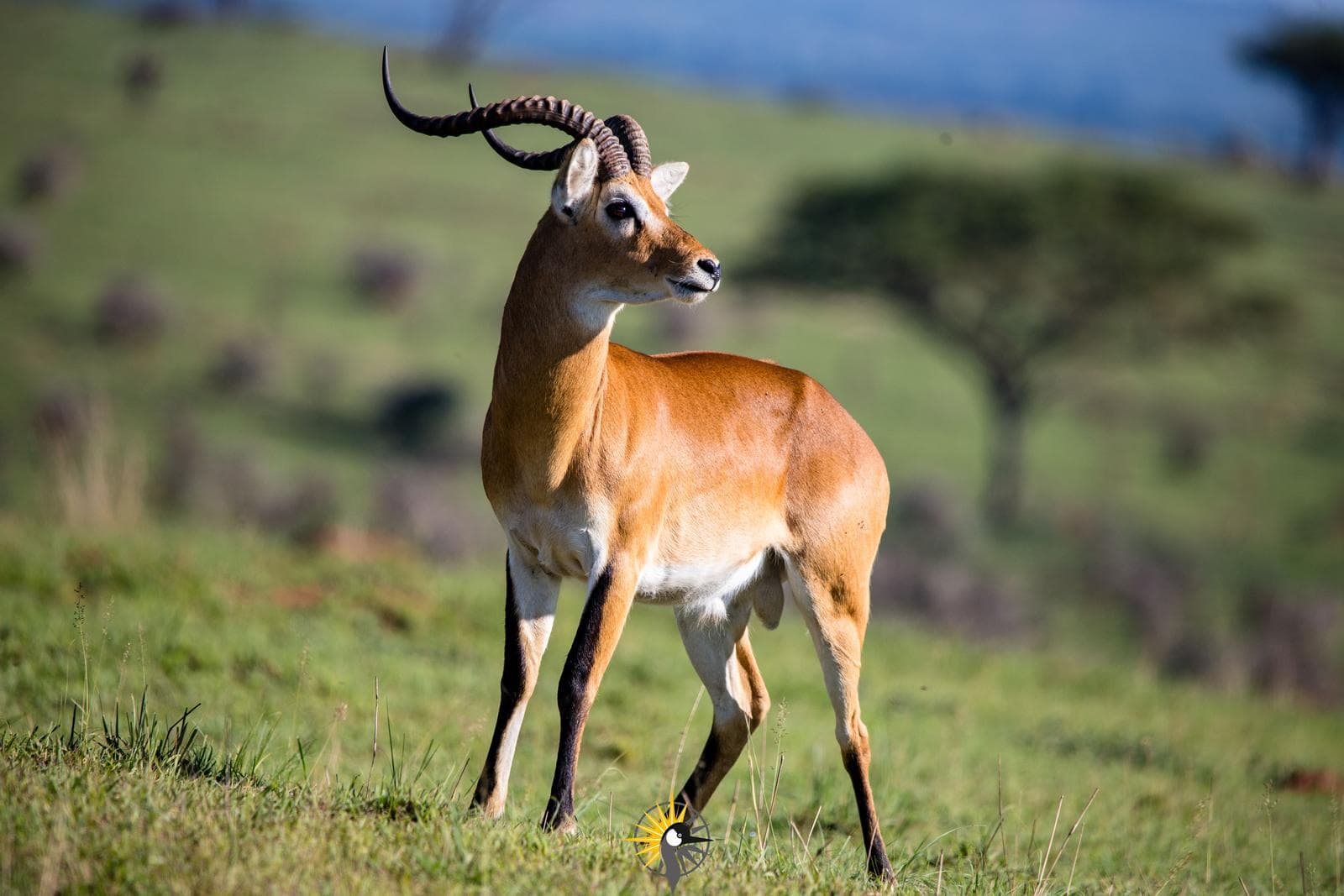
The Uganda Kob (Kobus kob thomasi) is one of East Africa’s most elegant and iconic antelope species, renowned for its agility, striking appearance, and prominence in Uganda’s savannah ecosystems. Often spotted in herds across wetlands, grasslands, and national parks, this antelope is a highlight for safari enthusiasts exploring Uganda’s wildlife-rich landscapes.
Physical Description
Uganda Kob is a medium-sized antelope with a reddish-brown to golden coat that lightens on the underbelly. Males are slightly larger than females and have lyre-shaped horns that curve gracefully backward; females are hornless. Adults weigh between 70 and 120 kilograms and stand approximately 90 and 100 centimeters at the shoulder. Their lean and muscular build allows for incredible speed and agility, essential for escaping predators.
Habitat and Distribution
This species is native to Uganda, with its populations concentrated in wetlands and floodplains across the northern and eastern savannahs. Key areas include:
- Murchison Falls National Park – Dense kob herds roam the floodplains along the Nile River.
- Kidepo Valley National Park – Kob are commonly seen alongside buffaloes, elephants, and giraffes.
- Queen Elizabeth National Park – Kob inhabit the open savannahs and wetlands.
- Lake Mburo National Park – Smaller herds are present in grassy plains and marshes.
The Uganda Kob prefers open grasslands near rivers and wetlands, where it can graze and detect predators easily.
Behavior and Diet
Uganda Kob are herbivorous grazers, primarily feeding on grasses, reeds, and other low vegetation. They are diurnal, active mainly in the morning and late afternoon. Herds can range from small family groups to large aggregations of several hundred, especially during the wet season when food is abundant.
Males establish territories and display dominance through lekking behavior, where multiple males gather in open areas to compete for the attention of females through displays of strength and agility.
Reproduction
Breeding occurs year-round, but the peak mating season aligns with the wet season when food is plentiful. After a gestation period of about 7–8 months, females give birth to a single calf. Calves are hidden in tall grass for safety and gradually join the herd as they grow. The species’ reproductive strategy ensures survival even in areas with predators like lions, leopards, hyenas, and crocodiles.
Conservation Status
The Uganda Kob is classified as Least Concern by the IUCN, but localized threats exist from:
- Habitat loss due to agriculture and settlement expansion
- Hunting for meat and sport
- Human-wildlife conflict in some areas
Protected areas such as Murchison Falls, Queen Elizabeth, and Kidepo Valley National Parks provide stable populations, and ongoing conservation initiatives help maintain ecological balance and biodiversity.
Ecological Role
As grazers, Uganda Kob contribute to the savannah ecosystem's health by controlling grass growth and supporting predator species. Large herds also play a role in nutrient cycling, dispersing seeds and maintaining vegetation diversity across wetlands and plains.
Observing Uganda Kob
Safari travelers in Uganda have excellent chances to observe Uganda Kob in their natural habitats:
- Murchison Falls National Park: Best for large herds along floodplains and near the Nile River.
- Kidepo Valley National Park: Observe herds alongside predators in remote savannahs.
- Queen Elizabeth National Park: Kob are common in the Ishasha sector’s open plains.
- Lake Mburo National Park: Smaller herds in wetlands and grasslands are easy to photograph.
Herds often congregate near rivers and lakes, making early morning and late afternoon the optimal times for wildlife viewing and photography.
Conclusion
The Uganda Kob is a graceful and resilient species that exemplifies Uganda’s rich savannah and wetland ecosystems. Its beauty, social behavior, and abundance in key national parks make it a must-see species for safari-goers. Protecting its habitats ensures that future generations can continue to witness the elegance and vibrancy of this iconic East African antelope.
Related Animals
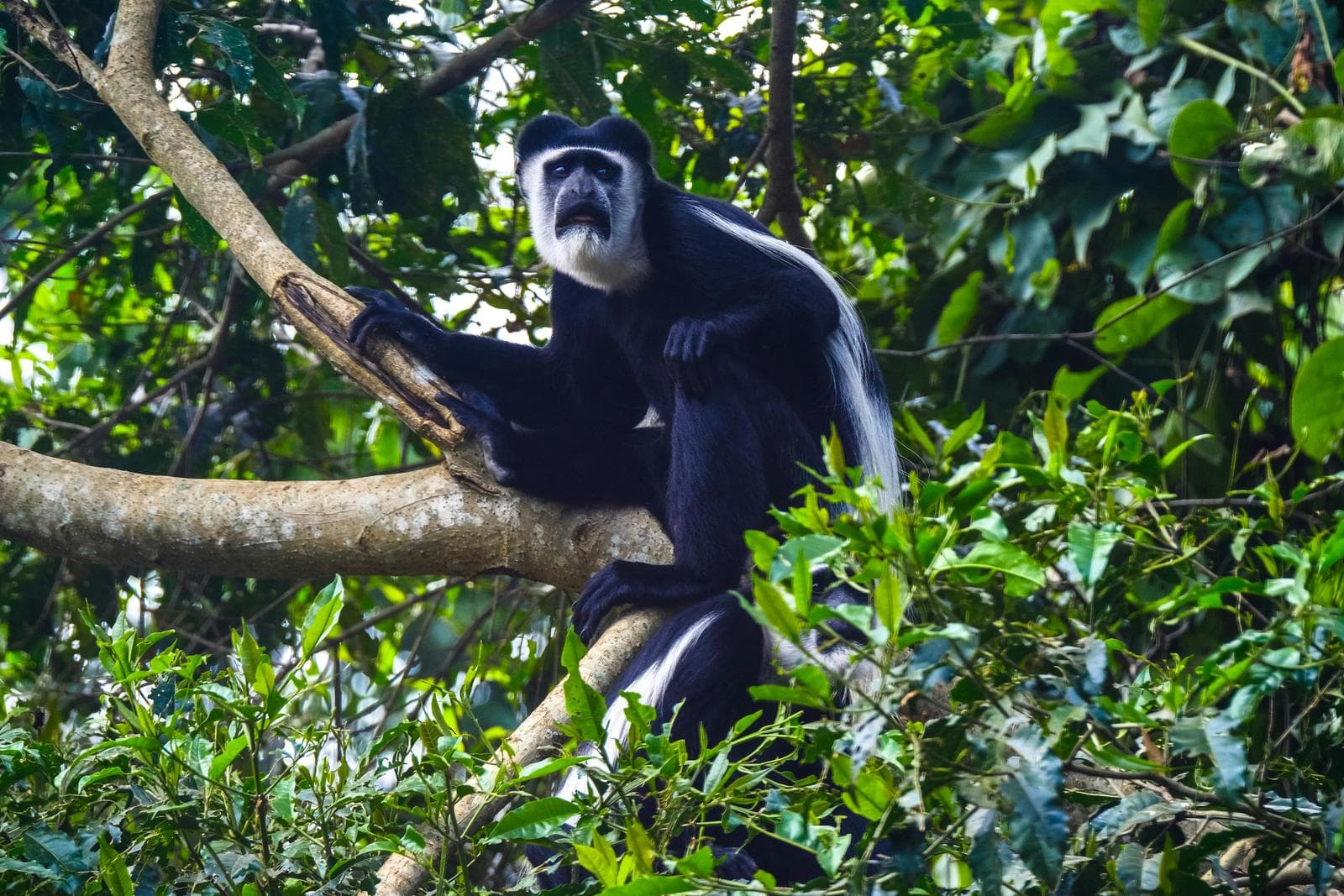
The black and white colobus monkey
Explore the black-and-white colobus monkey in East Africa, its forest habitats, unique behavior, and how responsible tourism supports conservation.
View animal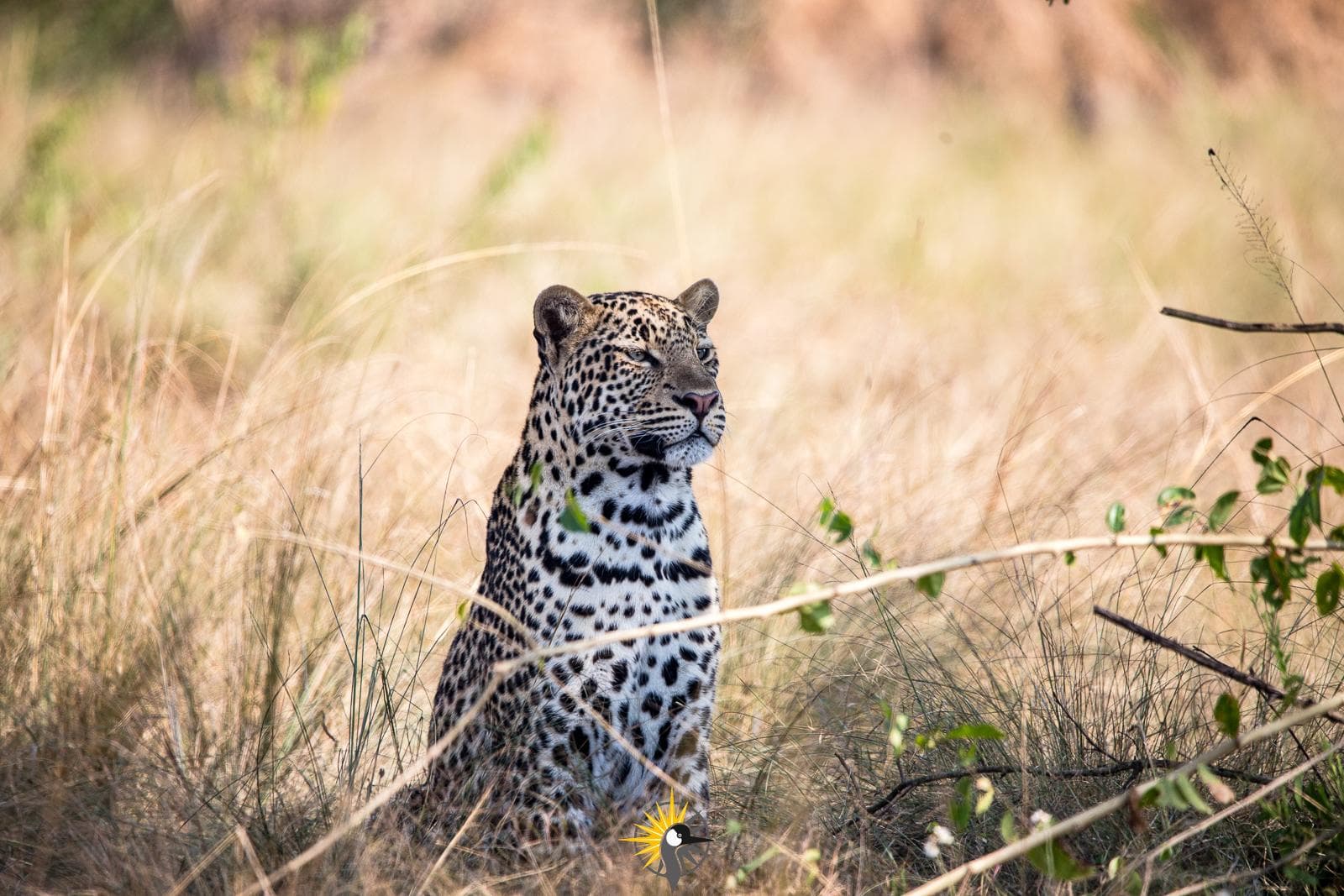
The Leopard
Discover leopards in East Africa, from Uganda’s Queen Elizabeth Park to the Serengeti, and learn about their behavior, habitats, and conservation.
View animal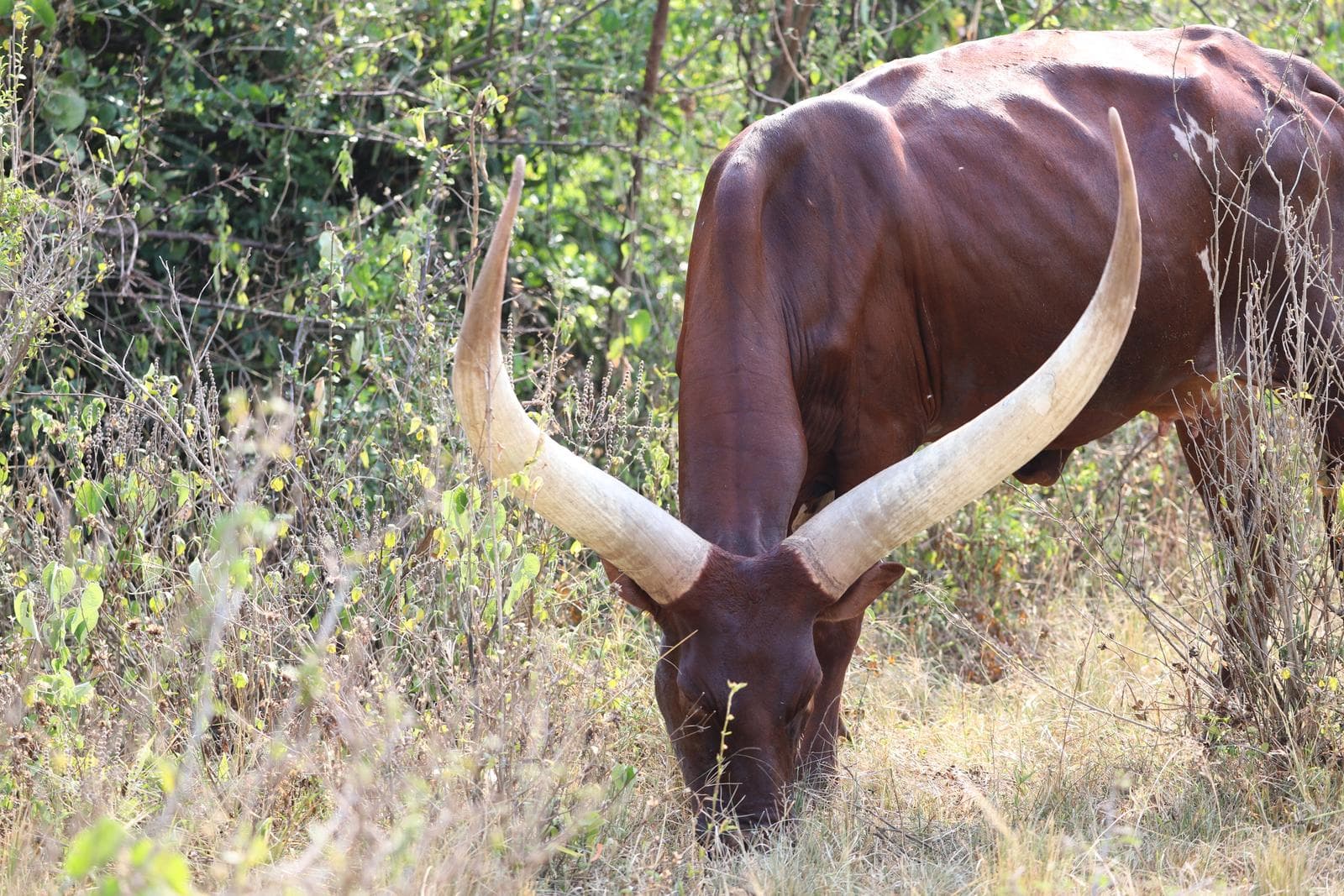
Ankole cow
Discover Ankole Long-Horned Cattle – iconic African livestock with majestic horns, rich cultural significance, and adaptability across East Africa.
View animalTop safaris
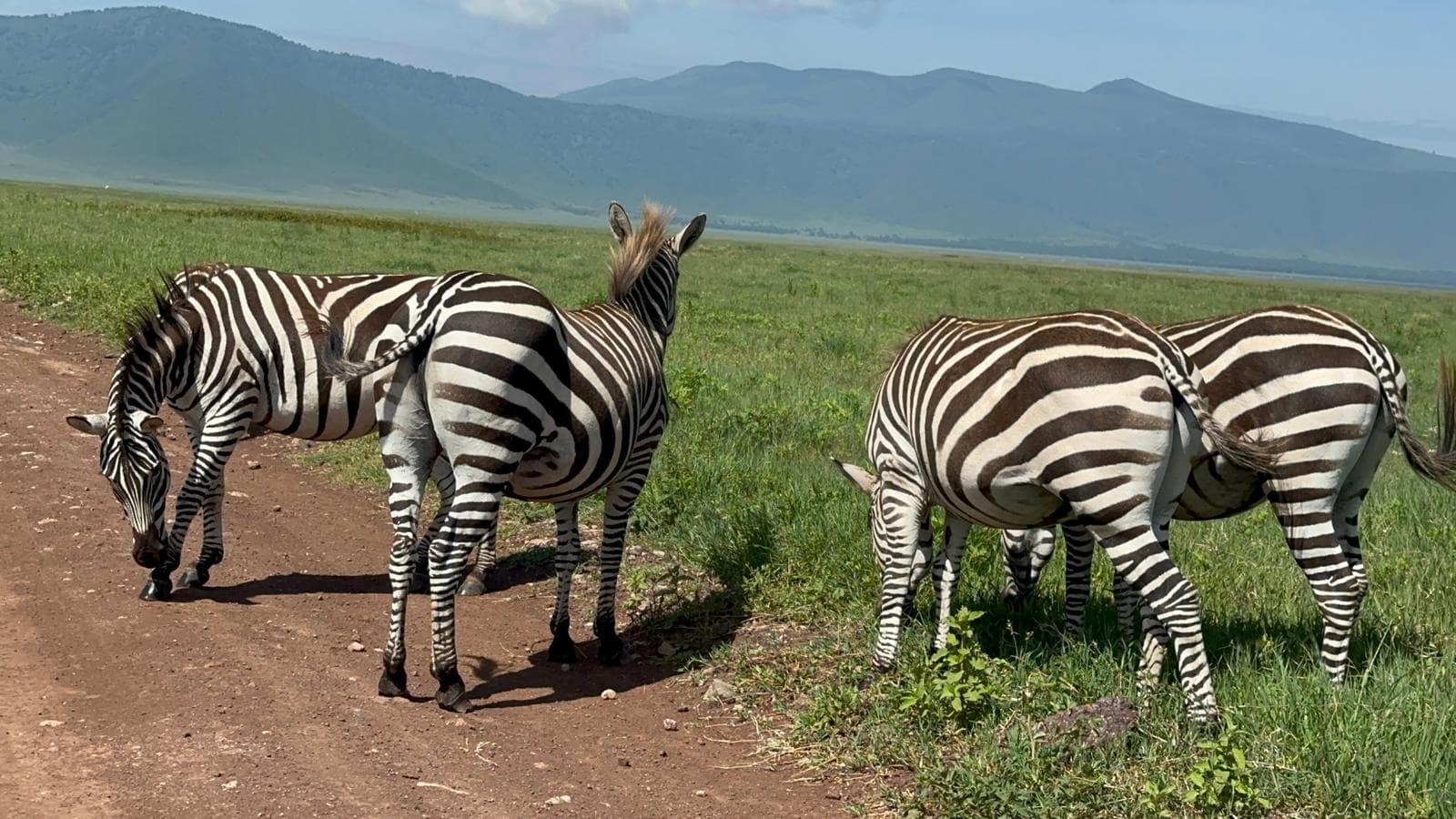
9 Days Gorilla tracking in Uganda, Tarangire, Ngorongoro, and Serengeti National Park in Tanzania
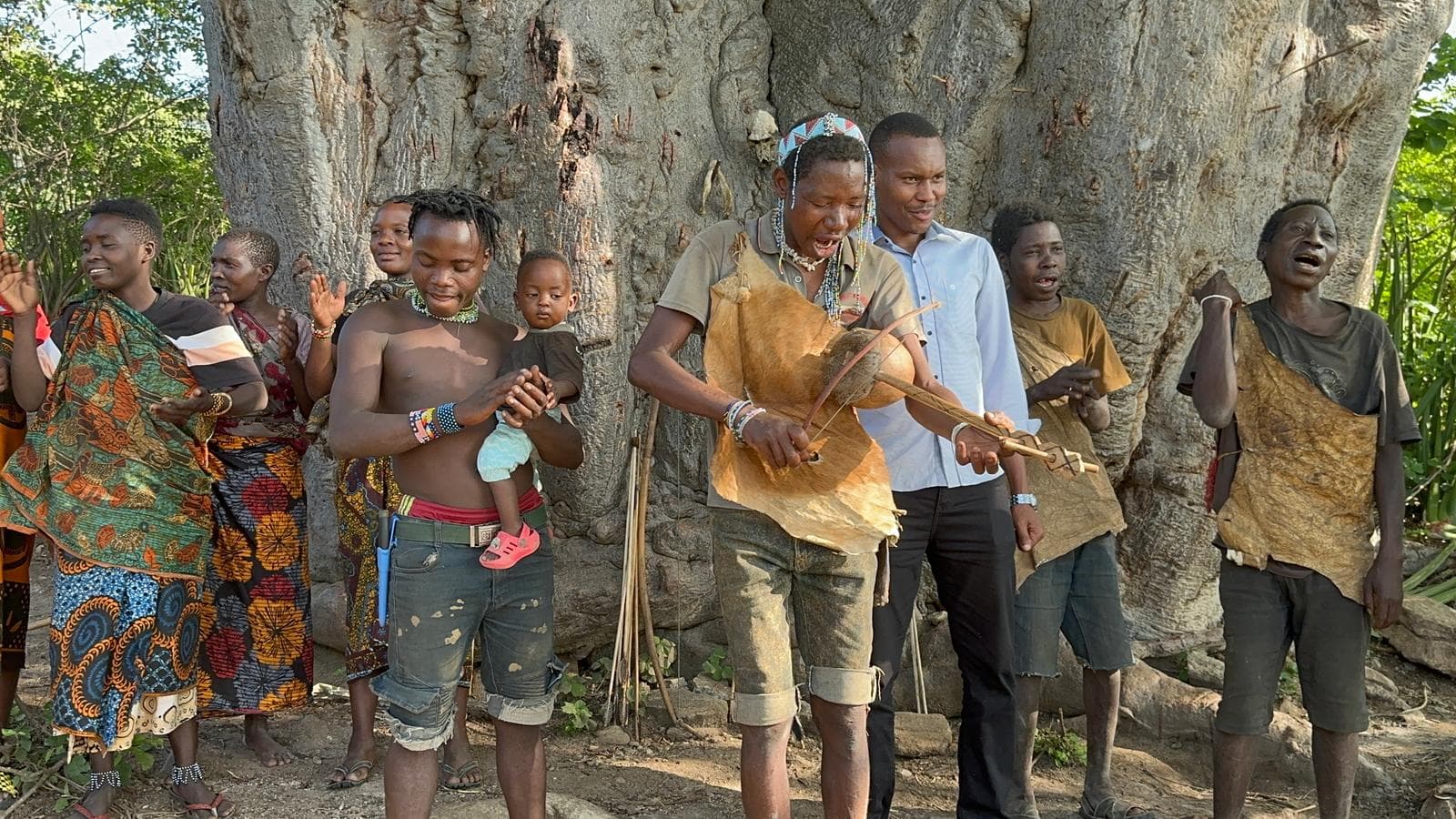
3 Days Hadzabe, Masai and Ngorongoro Crater Safari, Tanzania
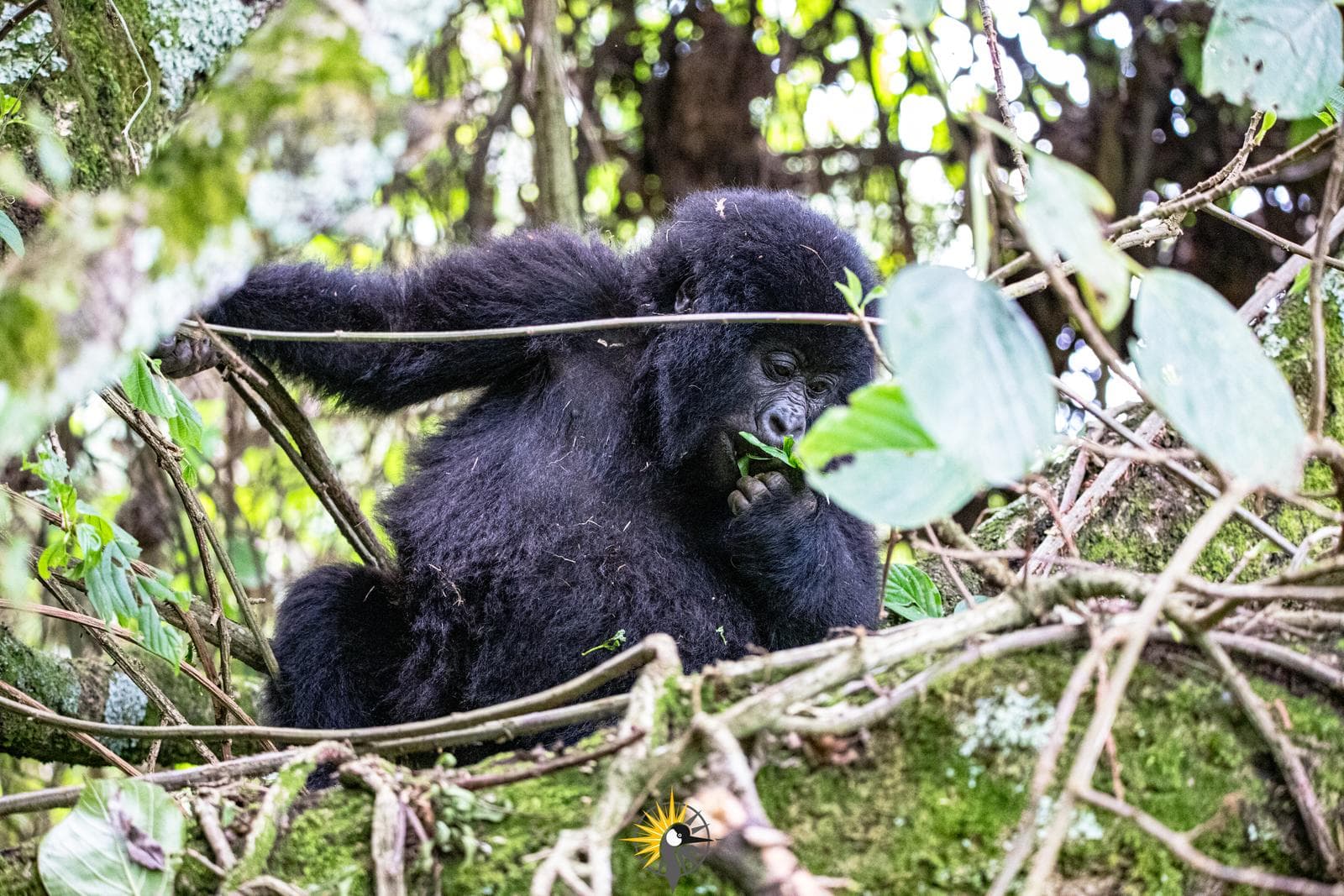
21 Days Epic East Africa safari, gorilla trekking in Bwindi, Big Five safaris and Zanzibar Beach escape
News and Updates
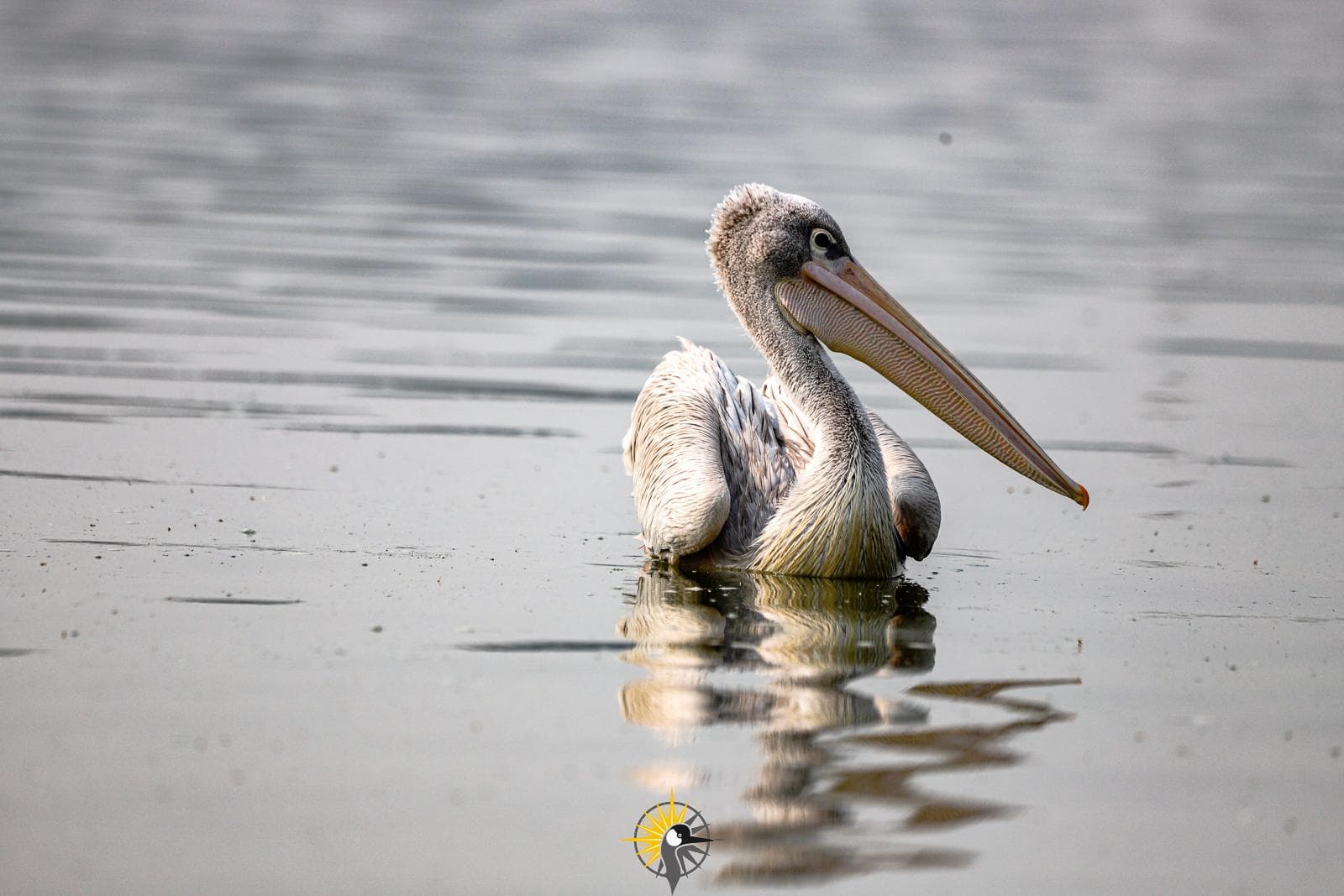
Birding in Queen Elizabeth National Park, A 7-Day Adventure with Musana Tours & Travel
Discover birding in Queen Elizabeth National Park on a 7-day guided safari. Spot shoebills, pelicans & raptors with Musana Tours & Travel.
Read more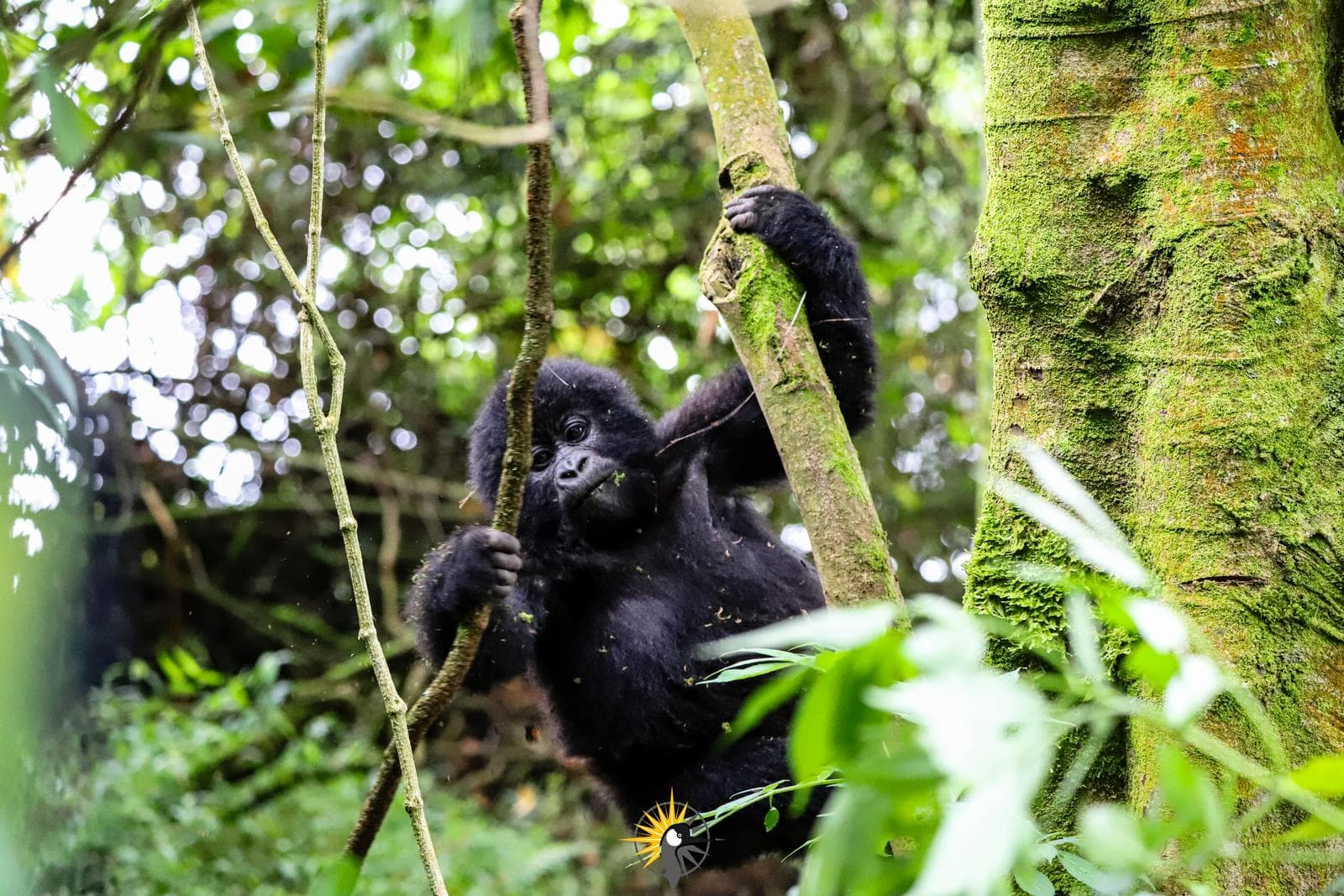
Gorilla trekking vs chimpanzee tracking, which should you choose?
Gorilla trekking vs chimpanzee tracking in Uganda—compare experiences, costs, and best parks to choose the perfect primate safari adventure.
Read more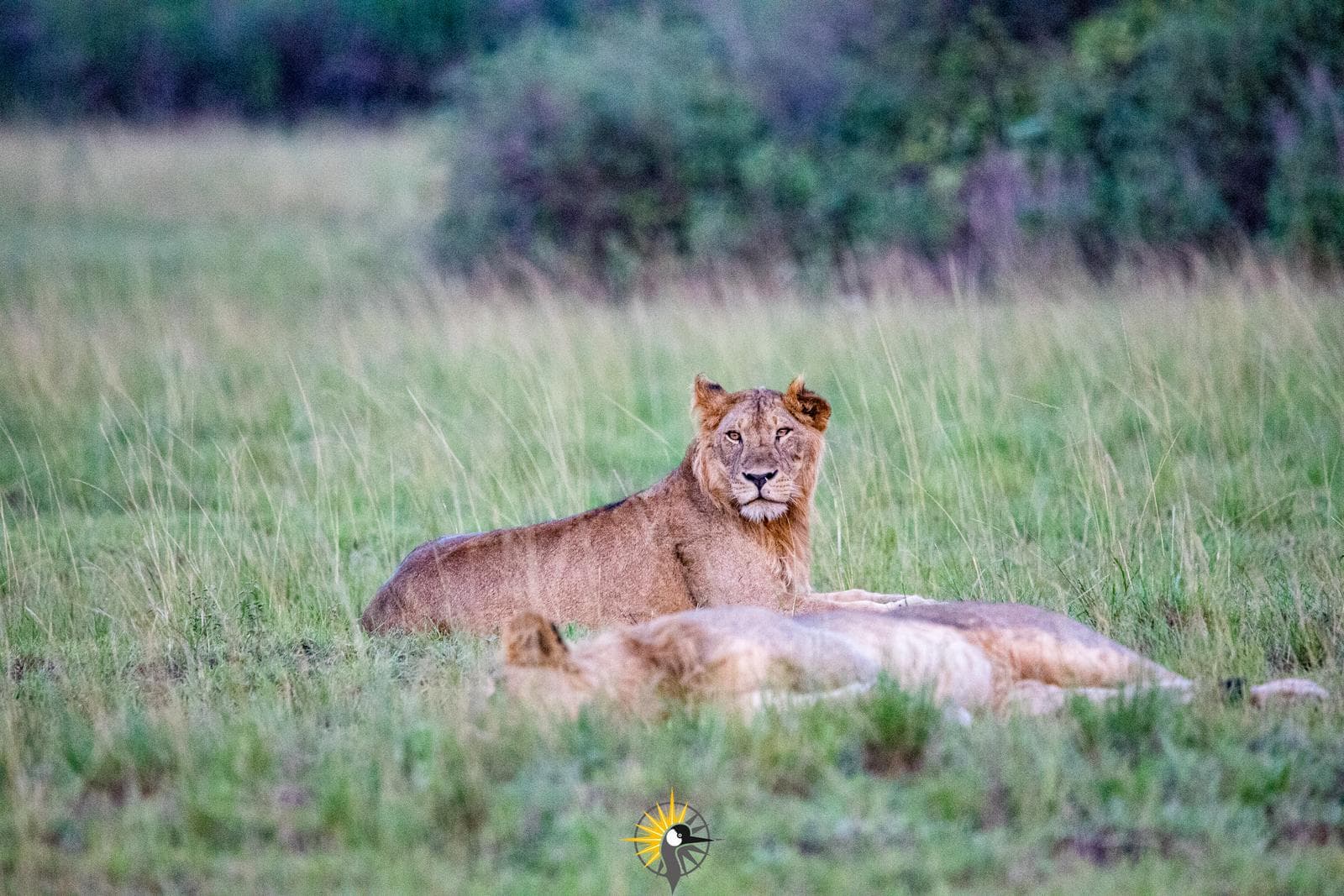
Best time to visit Uganda for wildlife
Discover the best time to visit Uganda for wildlife, from gorilla trekking to savannah safaris, with expert seasonal insights from Musana Tours & Travel.
Read more