The source of the Nile
There is something magical about the Nile, the world's longest river and the source of life for many great civilizations throughout the ages.
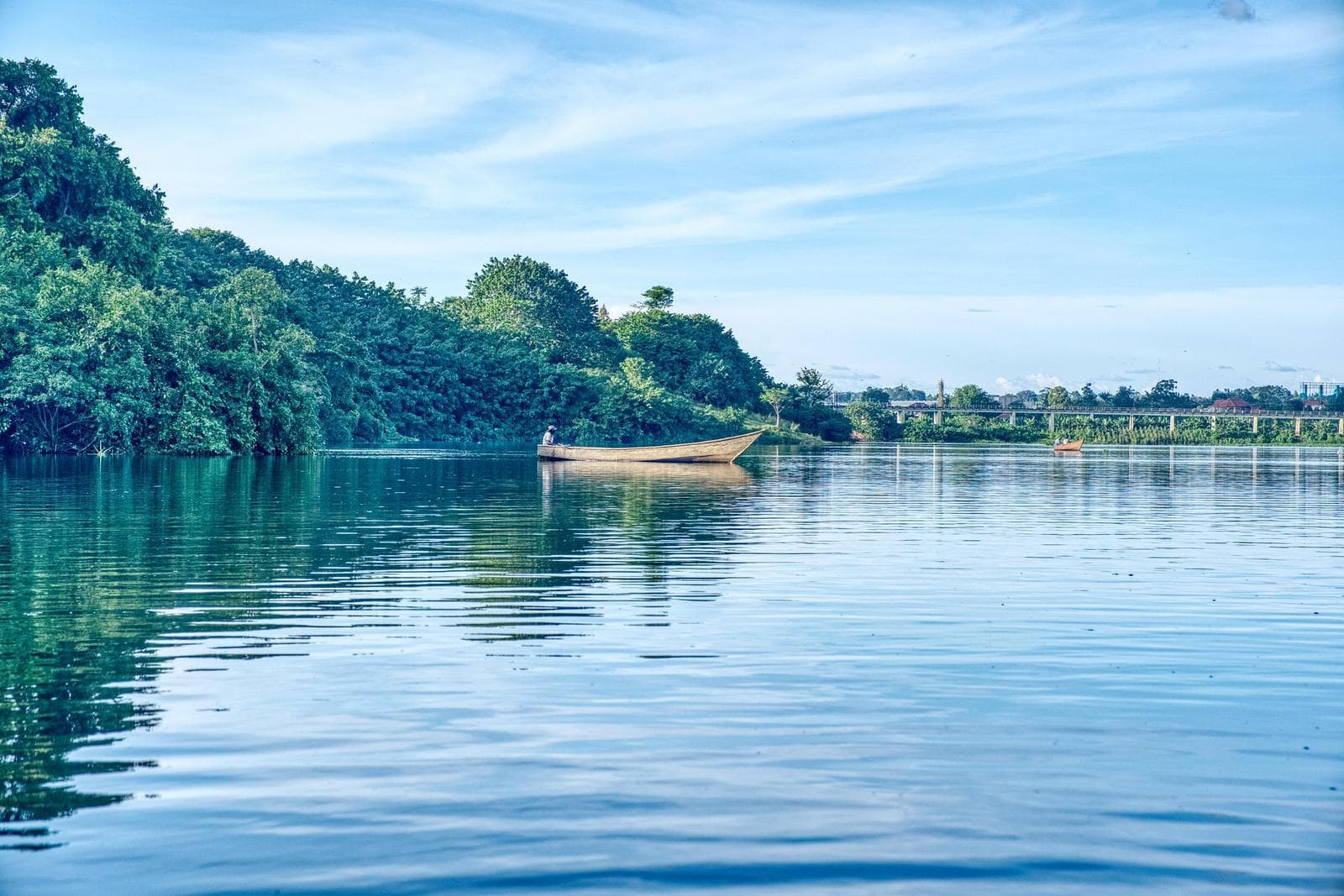
The source of the Nile, alluded to hazily in the ancient writings of Ptolemy, stood as one of the great geographical mysteries of the Victorian Age. Closer to home, the Nile downriver from Jinja, Uganda, offers some superb white water rafting and game fishing.
The source of all this tumult is marked by a modest sign reading “The Source of River Nile - Jinja - World's Longest River” at Ripon Falls, a series of cataracts that are partially submerged by dams constructed downstream. A small cafe and shops, as well as a boat dock with tours for hire, are located adjacent to this monument.
The Nile River flows from Jinja, central Uganda, northwards through Sudan and Egypt, and finally into the Mediterranean Sea. It begins in the rivers that flow into Lake Victoria, located in Uganda, Tanzania, and Kenya, and empties into the Mediterranean Sea more than 6,600 kilometers (4,100 miles) to the north, making it the longest river in the world.
The Nile River was critical to the development of ancient Egypt. Its three main tributaries are the White Nile, the Blue Nile, and the Atbara.
For millennia, much of Egypt's food has been cultivated in the Nile Delta region. Ancient Egyptians developed irrigation methods to increase the amount of land they could cultivate and support a thriving population.
Beans, cotton, wheat, and flax were important and abundant crops that could be easily stored and traded. In Uganda, the Nile has been Helpful in generating hydroelectric power and supporting many tourism activities, such as white-water rafting and sport fishing.
How Many Niles?
Like many rivers of comparable length, the Nile has a number of major tributaries, or upper branches that feed into it. The two main rivers, the Blue Nile and the White Nile, meet in Khartoum before continuing northwards through Sudan and into Egypt.
Scottish explorer James Bruce claimed to be the first European to see the source of the Blue Nile in 1770, reaching a marsh and the falls at Tis Abay in Ethiopia, though Spanish Jesuit Pedro Paez actually beat him by more than 150 years, arriving at Lake Tana in 1618, Ondaatje says.
Part of the Nile that flows from Lake Victoria northwards to Lake Albert is called the Victoria Nile; the part after Lake Albert is the Albert Nile; and immediately after crossing the Uganda border into southern Sudan, it becomes the White Nile. The Blue Nile is a tributary of the Nile River, flowing from Lake Tana in Ethiopia and meeting the White Nile at Khartoum, Sudan, to form the Nile River.
Other activities that attract visitors to the source of the Nile
White-Water Rafting on the Nile
Despite the intensity of some of the rapids, most people who venture here are first-time rafters who ask for an adrenaline rush as part of their tour in Uganda.
The stretch of rapids along the upper Nile near Jinja is considered one of the most spectacular places in Africa to go white-water rafting. Another option to this one is a family float trip.
Kayaking:
The solo kayak on the Nile will be yet another opportunity to experience the white water.
Boat Cruises:
Have a sunset boat cruise to the source of the Nile. This will surely lighten up your evening, as you will be able to take photos during the cruise and have a close view of the river.
Horseback Ride along the Nile:
While in Jinja, make sure you participate in this activity, which may take 2-3 hours on healthy horses, and the people waving to you as you pass their local villages will surely bring a smile to your face. The horses are very well trained and maintained by their Australian owners.
Bungee Jumping:
This will be yet another scary but very interesting activity for you. This is done over the waters of the Nile River on the platform, perched 44m above. Try this out because it will be a memorable experience.
Fishing on the Nile:
This is done in both the Nile River and Lake Victoria, the largest freshwater lake in Uganda, which has many fish species, including Nile perch. Get an opportunity to fish here if you bring your equipment for the sport fishing activity and a permit from the Uganda Wildlife Authority.
0 FAQs about The source of the Nile
Have any inquiries?
Related safaris
9 Days Gorilla tracking in Uganda, Tarangire, Ngorongoro, and Serengeti National Park in Tanzania
3 Days Hadzabe, Masai and Ngorongoro Crater Safari, Tanzania
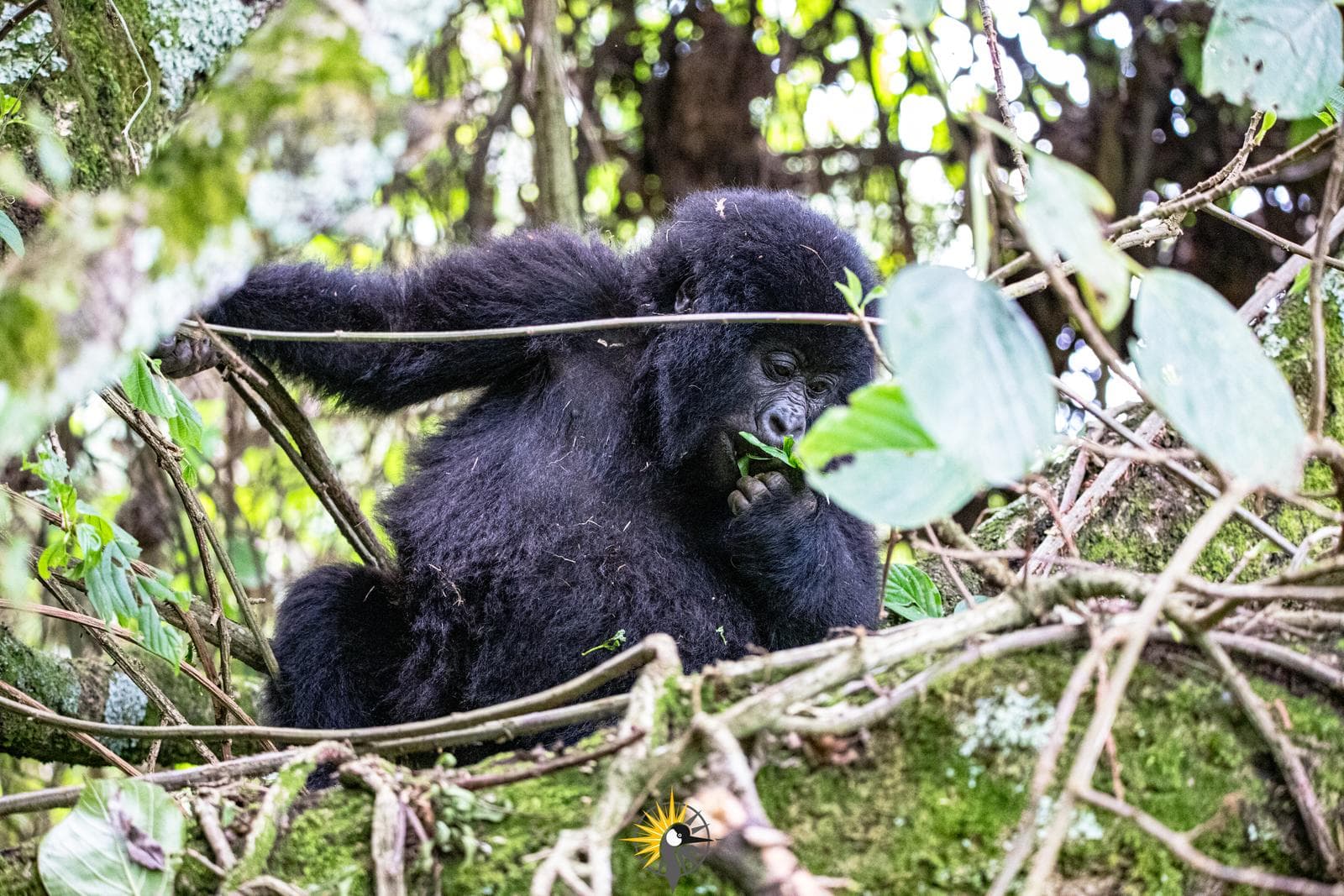
21 Days Epic East Africa safari, gorilla trekking in Bwindi, Big Five safaris and Zanzibar Beach escape
Related parks
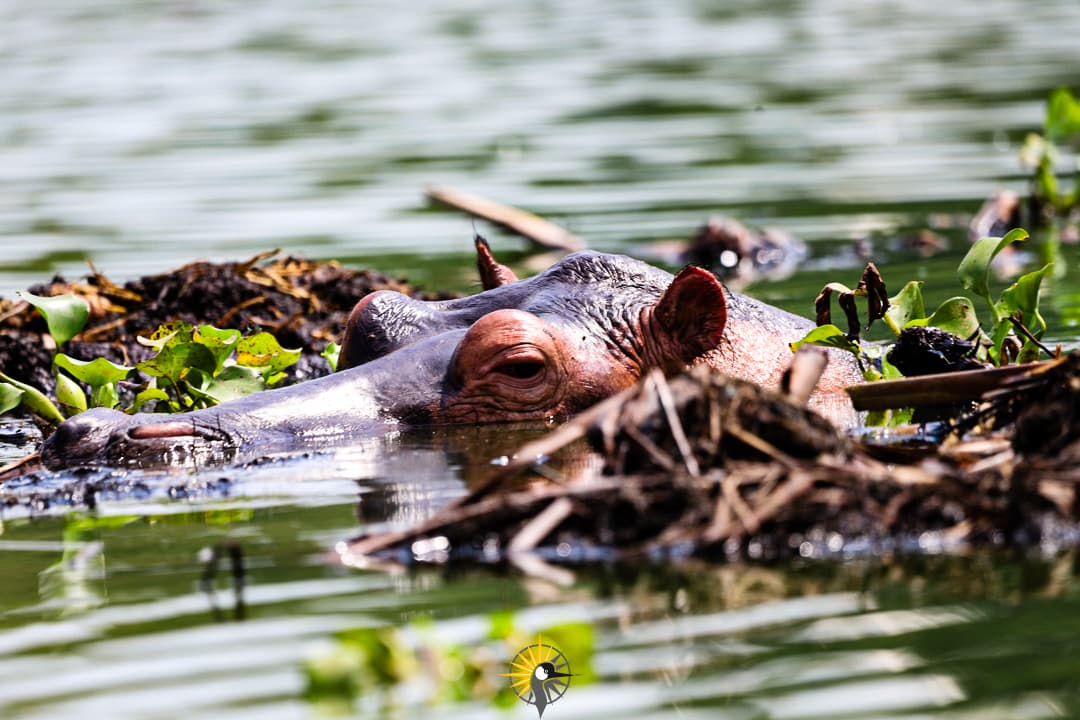
Kazinga channel
Explore the Kazinga Channel with Musana Tours and Travel. Enjoy boat safaris, hippos, crocodiles, elephants, and spectacular birdlife in Queen Elizabeth National Park.
View park
Kisoro town
Explore Kisoro town in Uganda—gorilla trekking, Virunga mountain hikes, Lake Mutanda, Batwa culture, and unforgettable wildlife adventures.
View parkBwindi impenetrable forest national park
Bwindi Impenetrable Forest National Park lies in southwestern Uganda on the edge of the Rift Valley. Its mist-covered hillsides are blanketed by one of Uganda's oldest and most biologically diverse rainforests, which dates back over 25,000 years and contains almost 400 species of plants.
View parkNews and Updates
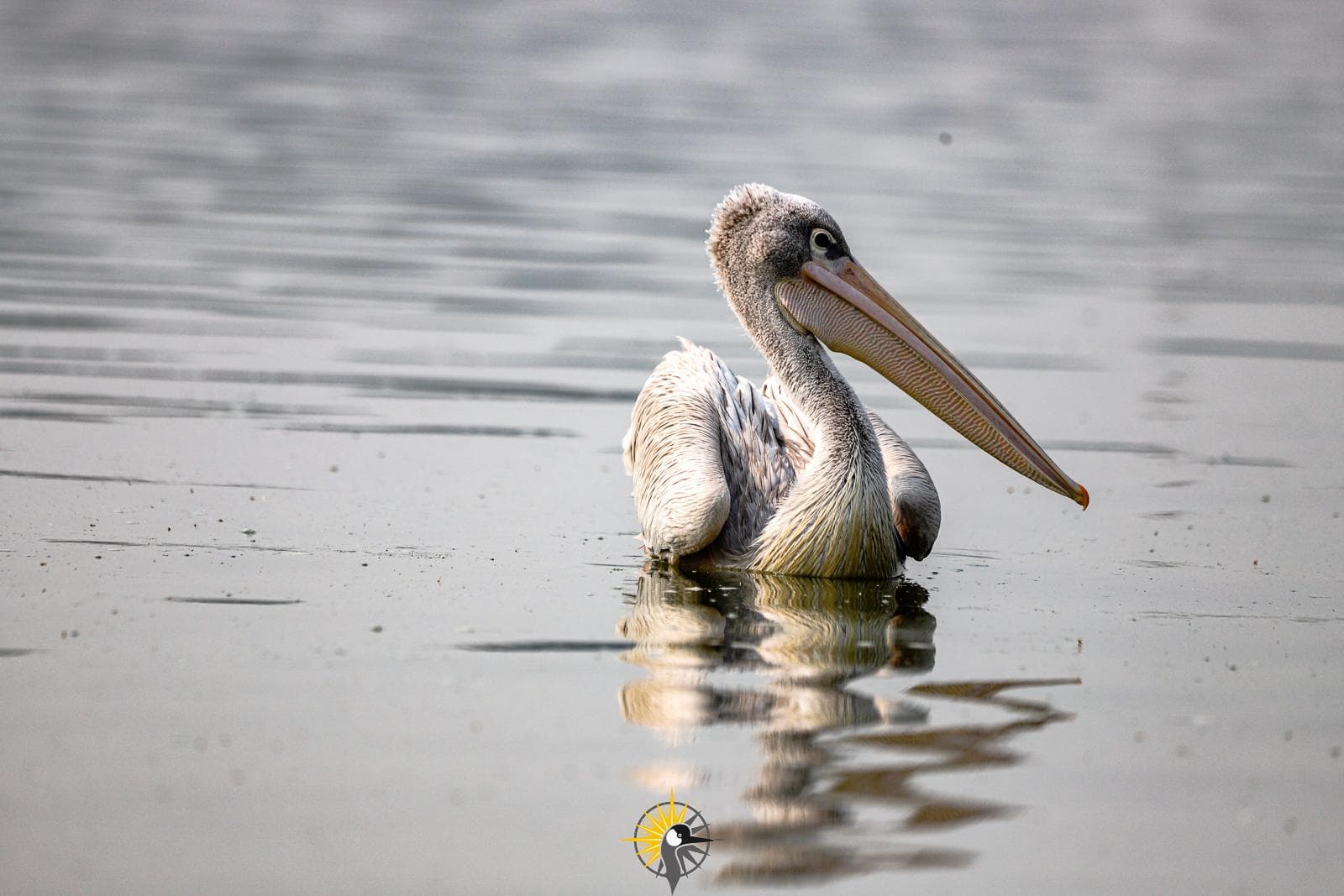
Birding in Queen Elizabeth National Park, A 7-Day Adventure with Musana Tours & Travel
Discover birding in Queen Elizabeth National Park on a 7-day guided safari. Spot shoebills, pelicans & raptors with Musana Tours & Travel.
Read more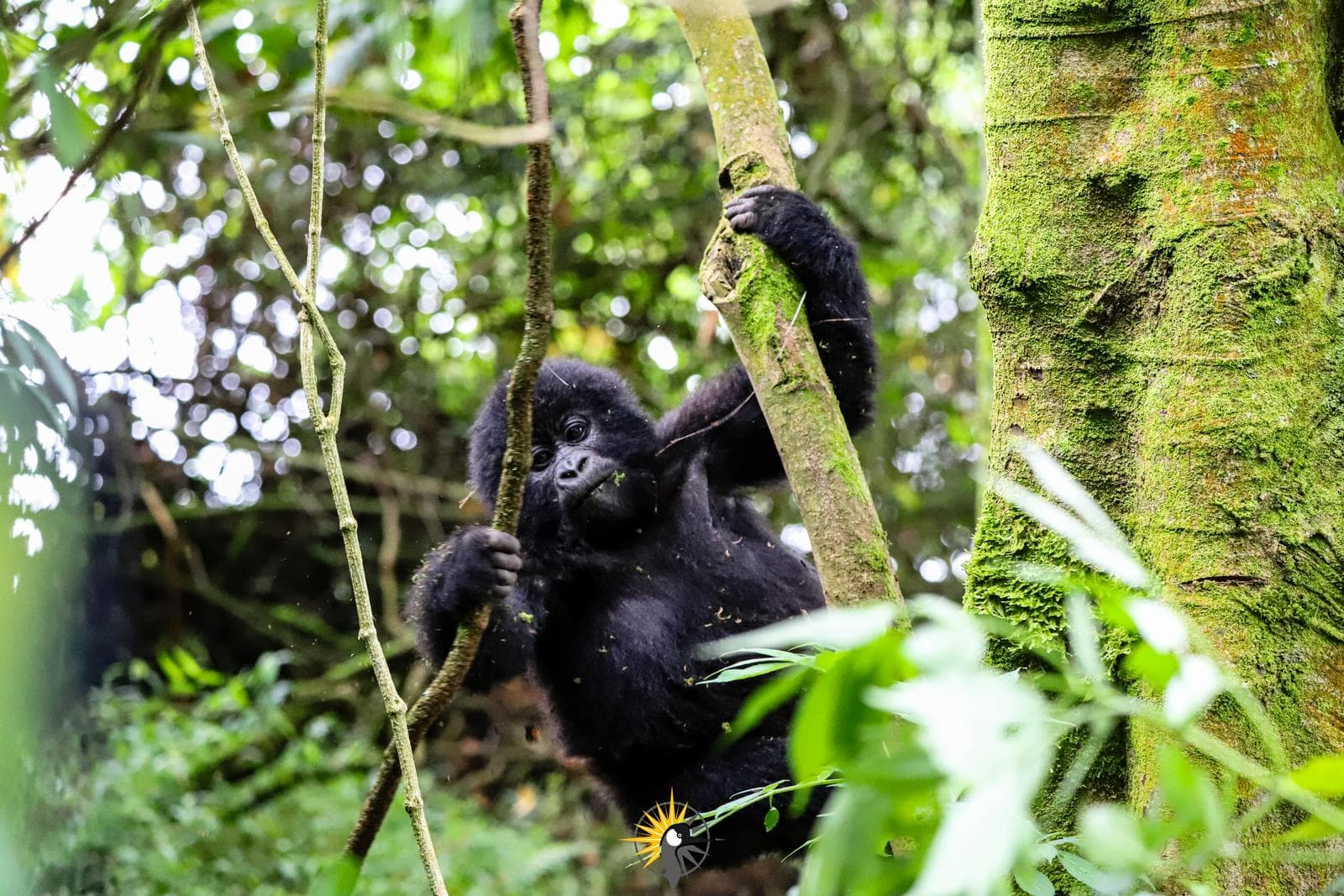
Gorilla trekking vs chimpanzee tracking, which should you choose?
Gorilla trekking vs chimpanzee tracking in Uganda—compare experiences, costs, and best parks to choose the perfect primate safari adventure.
Read more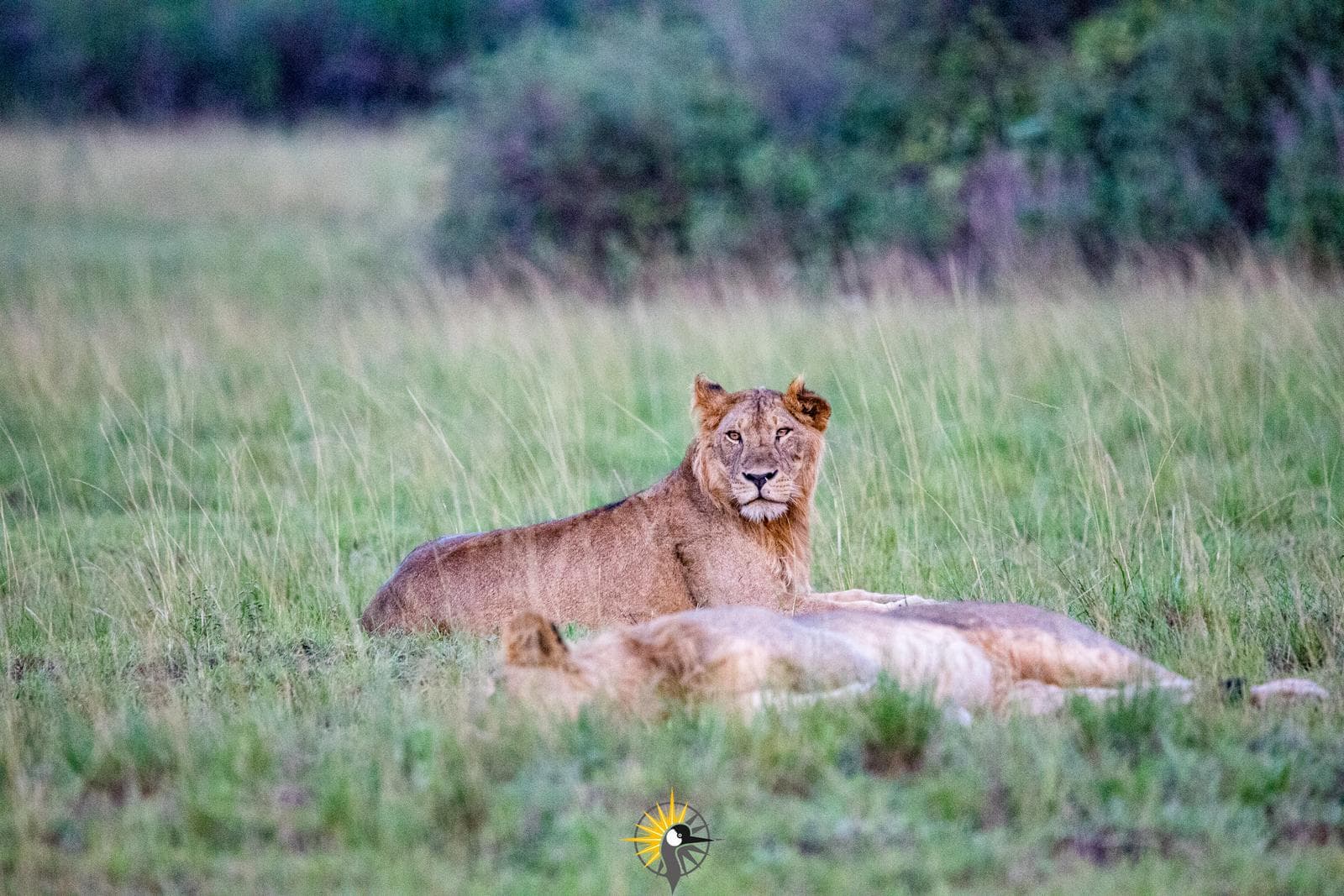
Best time to visit Uganda for wildlife
Discover the best time to visit Uganda for wildlife, from gorilla trekking to savannah safaris, with expert seasonal insights from Musana Tours & Travel.
Read more