Top 10 wildlife to spot in Uganda
Uganda is often called the “Pearl of Africa” for good reason. This lush country boasts one of the highest levels of biodiversity on the continent. Its wildlife ranges from the majestic mountain gorilla in misty rainforests to tree-climbing lions on the savannah, and from giant Nile crocodiles to the legendary shoebill stork.
For international travelers seeking an authentic African safari, Uganda offers a rare blend of primate encounters, big game viewing, and birdwatching opportunities. Unlike many safari destinations, Uganda’s compact size allows you to experience multiple ecosystems in a single trip.
Here are the Top 10 wildlife species to spot in Uganda, and why they make Uganda a must-visit destination for nature lovers.
1. Mountain Gorillas – Uganda’s Crown Jewel
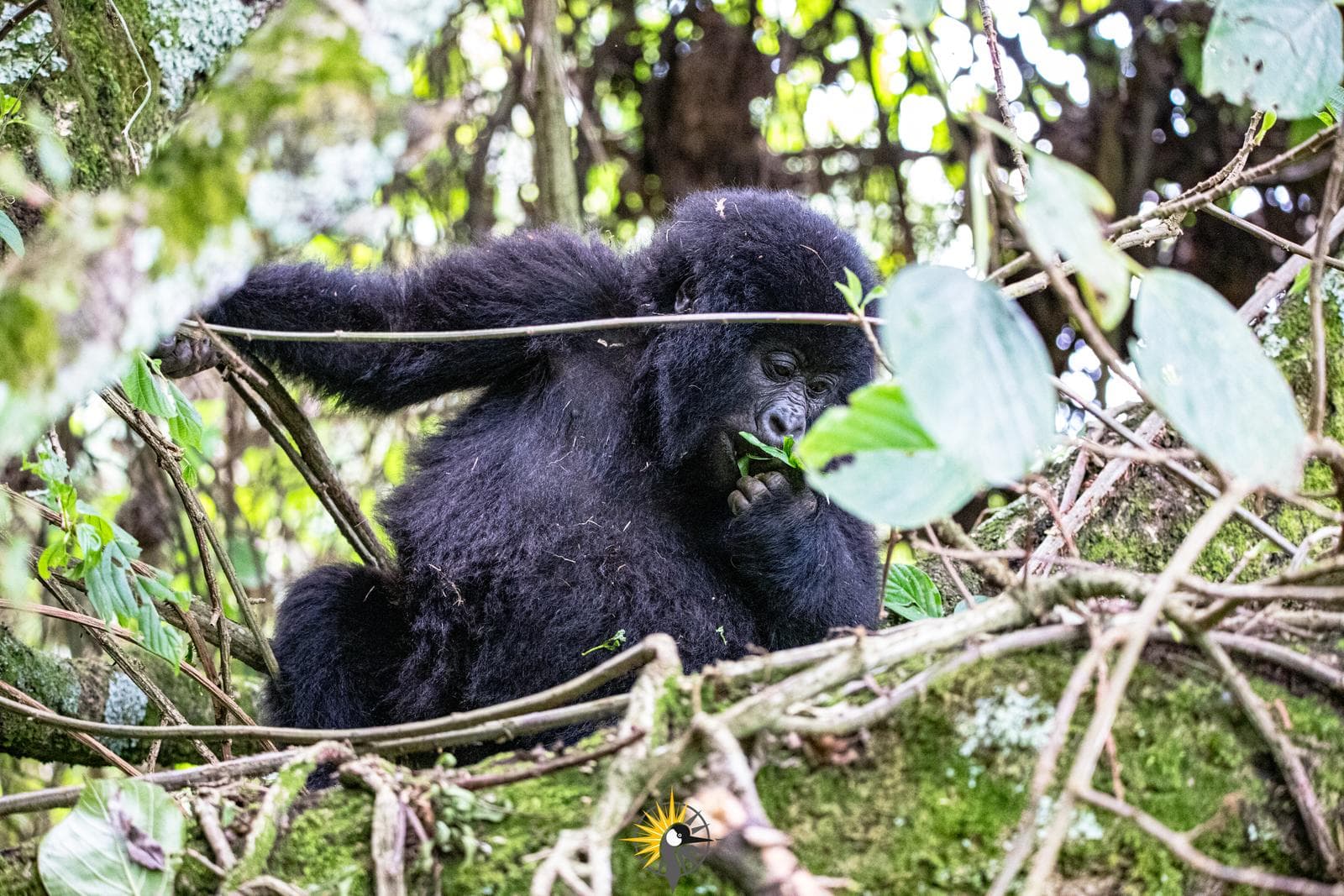
The mountain gorilla is perhaps the most iconic species in Uganda. With fewer than 1,100 left worldwide, they are classified as endangered. Uganda is home to over half of this population, making it one of the only places on Earth where you can encounter them in the wild.
Why Mountain Gorillas Are Iconic
Mountain gorillas live in tight-knit family groups led by a dominant silverback. Watching them groom, feed, or play with their young is an emotional and humbling experience. Unlike zoos or sanctuaries, a gorilla trek in Uganda places you directly in their natural habitat.
Where to See Mountain Gorillas in Uganda
- Bwindi Impenetrable National Park – The most popular gorilla trekking site with multiple habituated groups.
- Mgahinga Gorilla National Park – Smaller and less crowded, ideal for those seeking a quieter experience.
Conservation Importance
Gorilla trekking permits directly fund conservation and community programs. Each trek contributes to safeguarding this fragile species.
2. Chimpanzees – Our Closest Relatives
Chimpanzees share about 98% of their DNA with humans, making encounters both fascinating and familiar.
Why Chimpanzees Are Special
Chimpanzees exhibit complex social behaviors, utilize tools, and communicate through vocalizations and gestures. Observing them in their natural habitat gives travelers a glimpse into our own evolutionary history.
Where to See Chimpanzees in Uganda
- Kibale Forest National Park – Known as the “Primate Capital of the World,” it is home to over 1,500 chimpanzees.
- Budongo Forest Reserve – A prime location in Murchison Falls Conservation Area.
- Kyambura Gorge (Queen Elizabeth NP) – A dramatic “Valley of Apes” with wild chimps.
- Kalinzu Forest Reserve – Another excellent option for chimp tracking.
Unique Experience
Uganda offers both short chimpanzee tracking experiences and chimpanzee habituation programs, where you spend an entire day following them.
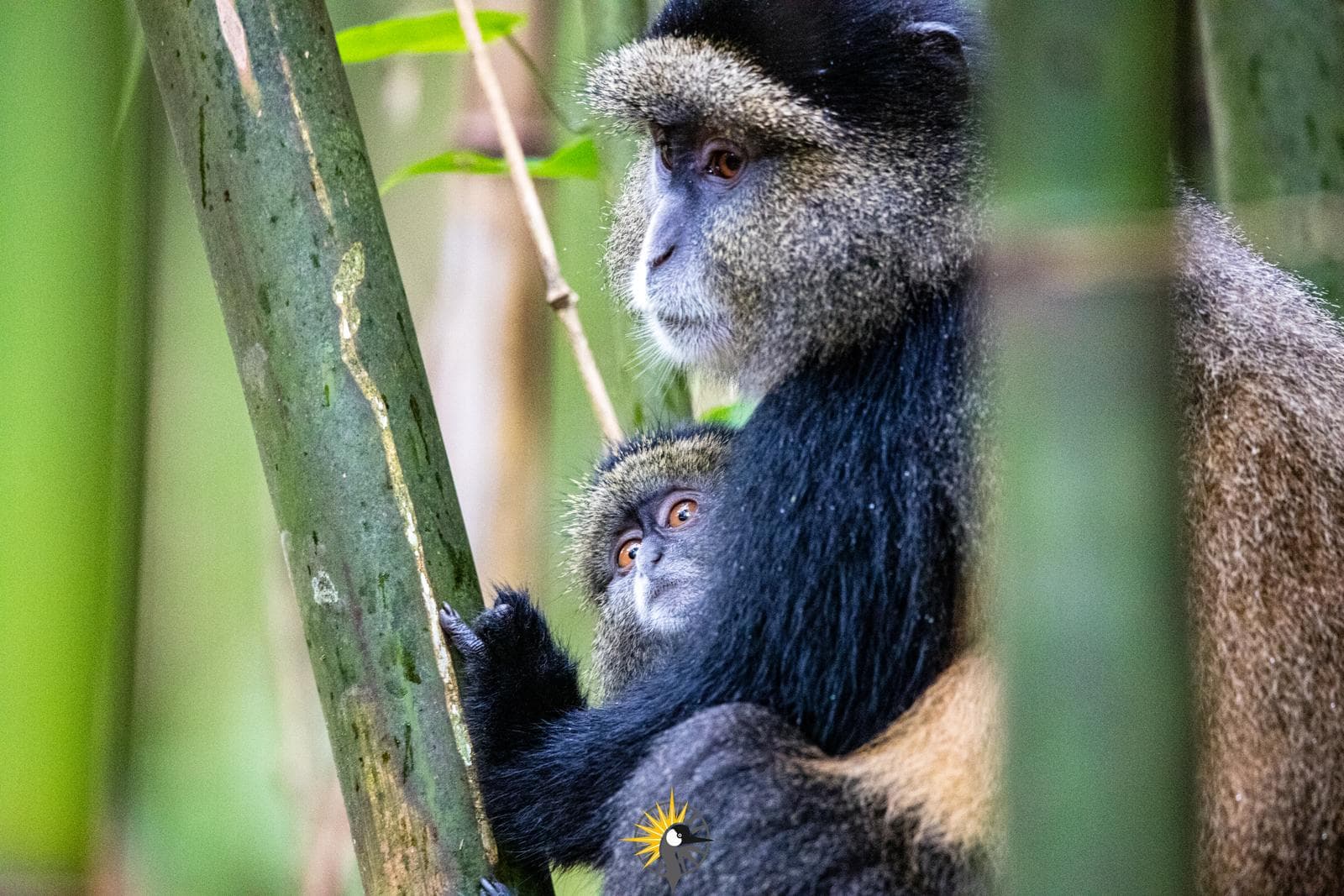
3. Golden Monkeys – Uganda’s Hidden Gem
Golden monkeys are found only in the Virunga region of Uganda, Rwanda, and DR Congo.
Why Golden Monkeys Are Unique
These small, brightly colored primates have golden-orange fur that contrasts beautifully with the lush green bamboo forests they inhabit. They are playful, fast-moving, and highly social, often leaping from branch to branch in large groups.
Where to See Golden Monkeys in Uganda
- Mgahinga Gorilla National Park – The only place in Uganda where golden monkeys can be tracked.
Conservation Note
They are endangered and rely on bamboo forests, making them vulnerable to habitat loss. Seeing them helps support eco-tourism and their survival.
4. African Elephants – Giants of the Savannah and Forest
Uganda is home to two types of elephants: the savannah elephant and the more miniature, darker forest elephant.
Why Elephants Are Iconic
These gentle giants are known for their intelligence, family bonds, and impressive tusks. Seeing them in large herds on the savannah or silently moving through dense forests is awe-inspiring.
Where to See Elephants in Uganda
- Queen Elizabeth National Park – Home to both savannah and forest elephants.
- Murchison Falls National Park – Large herds often roam near the Nile.
- Kidepo Valley National Park – Remote and wild, with fewer tourists.
Safari Tip
Boat safaris on the Kazinga Channel or along the Nile River offer close-up views of elephants bathing and drinking.
5. African Lions – Including Tree-Climbing Lions
Uganda’s lions are famous not only as apex predators but also for their unusual behavior.
Why Lions in Uganda Are Special
In the Ishasha sector of Queen Elizabeth National Park, lions are known for climbing fig trees—a behavior rarely seen elsewhere. Watching a pride of lions draped lazily across tree branches is a true highlight of a safari.
Where to See Lions in Uganda
- Queen Elizabeth NP (Ishasha sector) – For tree-climbing lions.
- Murchison Falls NP – Large prides roam the savannah.
- Kidepo Valley NP – Excellent lion sightings in a wild, remote setting.
Safari Tip
Game drives in early mornings or late afternoons maximize chances of sightings.
6. Rothschild’s Giraffes – Elegant and Endangered
Rothschild’s giraffe is among the rarest giraffe subspecies, with fewer than 2,000 individuals left.
Why Rothschild’s Giraffes Are Unique
They are easily recognizable by their lighter coats and white “stockings” on their legs. Towering gracefully over the savannah, they make for some of the most striking safari photos.
Where to See Rothschild’s Giraffes in Uganda
- Murchison Falls NP – Uganda’s stronghold for this giraffe.
- Lake Mburo NP and Kidepo Valley NP – Smaller populations also present.
Conservation Note
Uganda plays a vital role in conserving this species, making every sighting a contribution to awareness.
7. Hippos – The Lords of the River
The hippopotamus is one of Africa’s most iconic animals, known for spending most of its time submerged in water.
Why Hippos Are Iconic
Despite their rotund, comical appearance, hippos are highly aggressive and among the most dangerous animals in Africa. Their loud grunts and yawns add drama to any river safari.
Where to See Hippos in Uganda
- Kazinga Channel (Queen Elizabeth NP) – Famous for its massive hippo pods.
- Nile River in Murchison Falls NP – Large populations thrive here.
- Lake Mburo NP – Another hotspot for sightings.
Best Experience
A boat cruise is the safest way to watch hippos up close, offering fantastic photo opportunities.
8. Nile Crocodiles – Prehistoric Predators
The Nile crocodile is Africa’s largest reptile and a fearsome predator.
Why Nile Crocodiles Are Special
These ancient reptiles can grow over six meters in length. Watching them bask on riverbanks or slip silently into the water adds an element of thrill to any safari.
Where to See Nile Crocodiles in Uganda
- Nile River (Murchison Falls NP) – Home to some of Africa’s biggest crocs.
- Kazinga Channel – Another excellent spot.
- Lake Albert and Lake Edward – Frequent crocodile sightings.
Safari Tip
Boat cruises provide the safest vantage point for observing crocodiles in their natural habitat.
9. Uganda Kob – The National Symbol
The Uganda kob is more than just an antelope; it’s a national symbol proudly displayed on the country’s coat of arms.
Why the Uganda Kob Is Iconic
With elegant horns and reddish-brown coats, kobs are both graceful and photogenic. They are also important prey for lions and leopards, making them a key species in Uganda’s ecosystems.
Where to See Uganda Kob
- Queen Elizabeth NP – Large breeding herds are common.
- Murchison Falls NP – Open plains host many.
- Kidepo Valley NP – Another excellent location.
Photography Tip
Because they often gather in large herds, kobs provide fantastic safari photography opportunities.
10. Shoebill Stork – The Bird of Legends
For birdwatchers, the shoebill stork is the ultimate prize in Uganda.
Why the Shoebill Is Unique
This massive bird, with its shoe-shaped bill and prehistoric appearance, looks like it stepped out of the dinosaur age. Watching it hunt lungfish in wetlands is an unforgettable sight.
Where to See Shoebills in Uganda
- Mabamba Swamp (Lake Victoria) – The most reliable location near Entebbe.
- Murchison Falls NP and Lake Kyoga wetlands – Other good spots.
Birding Tip
Early morning canoe rides through papyrus swamps maximize the chances of spotting this elusive bird.
Safari Tips for Wildlife Travelers in Uganda
- Best Time to Visit: The dry seasons (December–February and June–September) are ideal for game viewing and trekking.
- Top Parks to Explore: Bwindi, Mgahinga, Kibale, Queen Elizabeth, Murchison Falls, Kidepo Valley, and Lake Mburo.
- Ethical Tourism: Always maintain a safe distance, avoid feeding wildlife, and follow your guide’s instructions.
- What to Pack: Neutral-colored clothing, binoculars, camera with zoom lens, insect repellent, trekking boots, and a good sense of adventure.
Conclusion
Uganda’s diversity makes it one of the best safari destinations in Africa. From mountain gorillas and golden monkeys in the highlands, to lions, elephants, and giraffes on the savannah, and the shoebill stork in its wetlands, Uganda offers an unparalleled mix of experiences.
Planning their your adventure, Uganda’s wildlife promises not just a safari but a journey into the wild heart of Africa—a place where every encounter is unforgettable.
0 Comments
Write your comment
Top safaris
9 Days Gorilla tracking in Uganda, Tarangire, Ngorongoro, and Serengeti National Park in Tanzania
3 Days Hadzabe, Masai and Ngorongoro Crater Safari, Tanzania
21 Days Epic East Africa safari, gorilla trekking in Bwindi, Big Five safaris and Zanzibar Beach escape
News and Updates
Birding in Queen Elizabeth National Park, A 7-Day Adventure with Musana Tours & Travel
Discover birding in Queen Elizabeth National Park on a 7-day guided safari. Spot shoebills, pelicans & raptors with Musana Tours & Travel.
Read more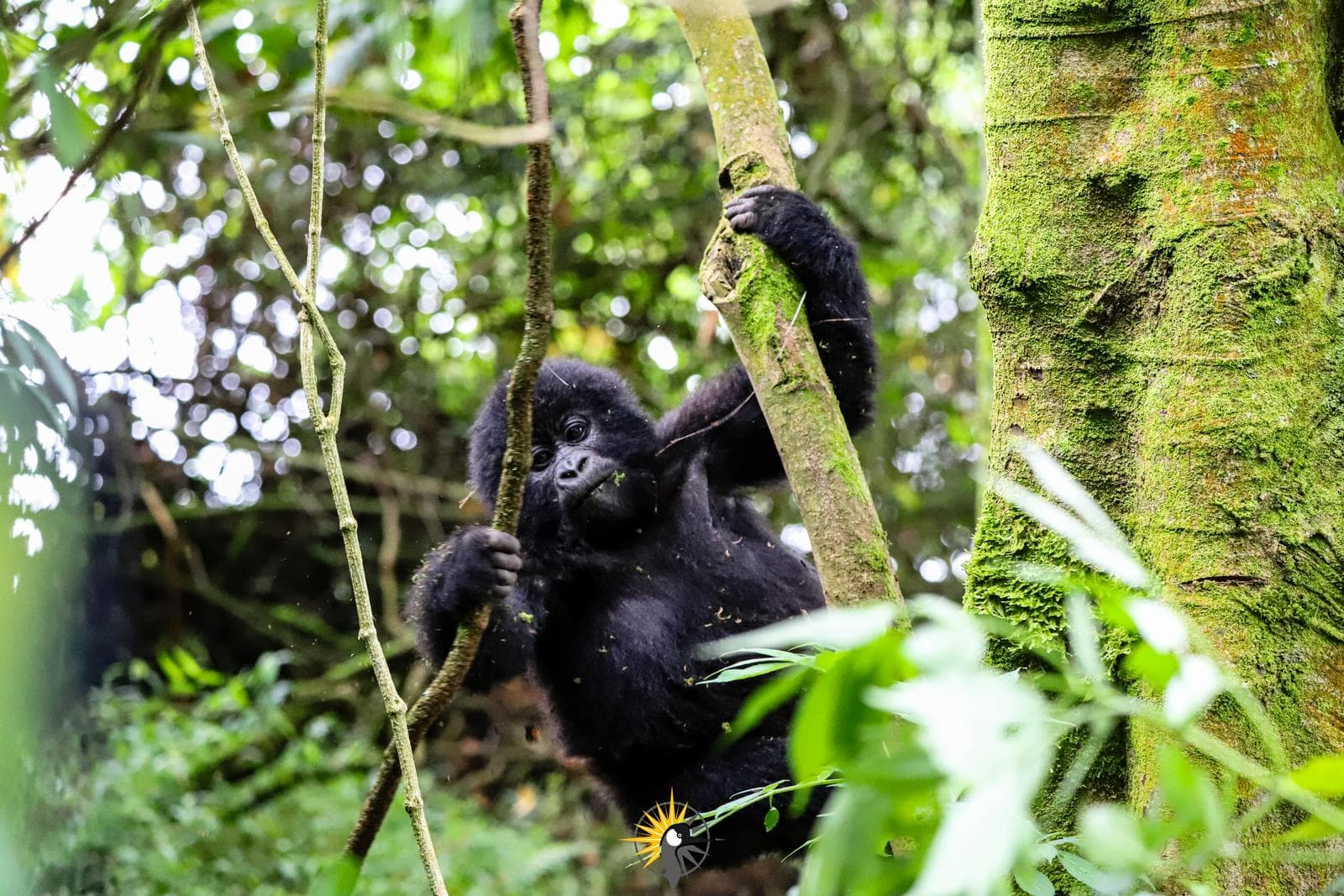
Gorilla trekking vs chimpanzee tracking, which should you choose?
Gorilla trekking vs chimpanzee tracking in Uganda—compare experiences, costs, and best parks to choose the perfect primate safari adventure.
Read more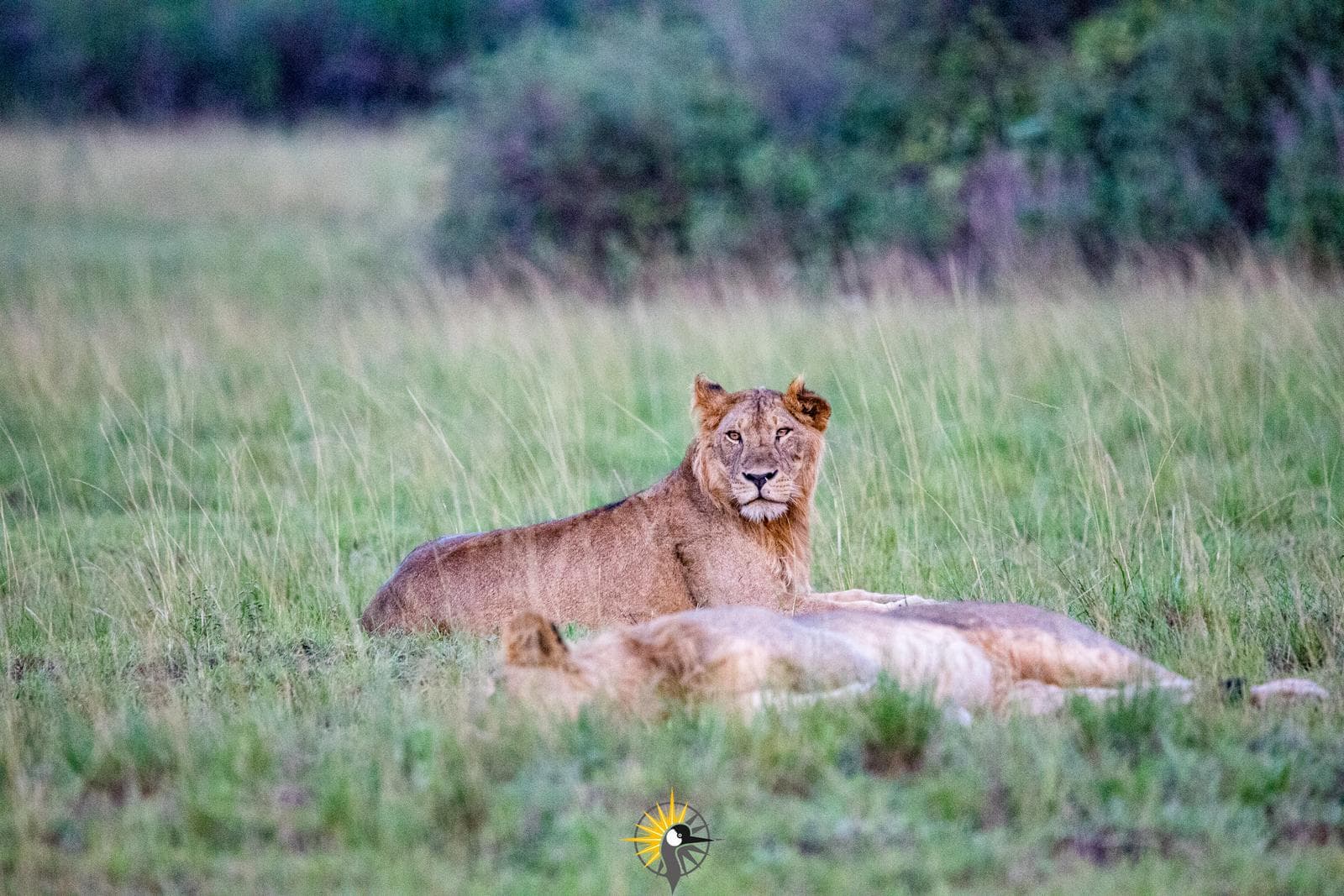
Best time to visit Uganda for wildlife
Discover the best time to visit Uganda for wildlife, from gorilla trekking to savannah safaris, with expert seasonal insights from Musana Tours & Travel.
Read more