Safari photography tips for beginners in Uganda and Rwanda
There’s something magical about your first safari. The air feels charged with adventure, the landscapes shift from golden savannahs to misty mountains, and every sound — from a lion’s distant roar to the chatter of birds — pulls you deeper into the wild. For many travelers, it’s not just about seeing wildlife, but about capturing those fleeting moments through photography.
Uganda and Rwanda are two of East Africa’s most rewarding safari destinations, particularly for beginner photographers seeking a blend of wildlife, landscapes, and cultural experiences. And of course, nothing compares to locking eyes with a mountain gorilla in the dense forests of Bwindi Impenetrable National Park or Rwanda’s Volcanoes National Park.
If you’re new to safari photography, don’t worry — you don’t need a $10,000 camera setup to return with incredible shots. With the right mindset, simple gear, and a few practical tips, you’ll capture photos that not only look stunning but also tell the story of your journey.
Why Uganda & Rwanda Are a Safari Photographer’s Dream
Queen Elizabeth National Park (Uganda)
This park is famous for its tree-climbing lions and vast herds of elephants. The sweeping savannahs, crater lakes, and Kazinga Channel boat safaris make it a playground for wildlife and landscape photography.
Murchison Falls National Park (Uganda)
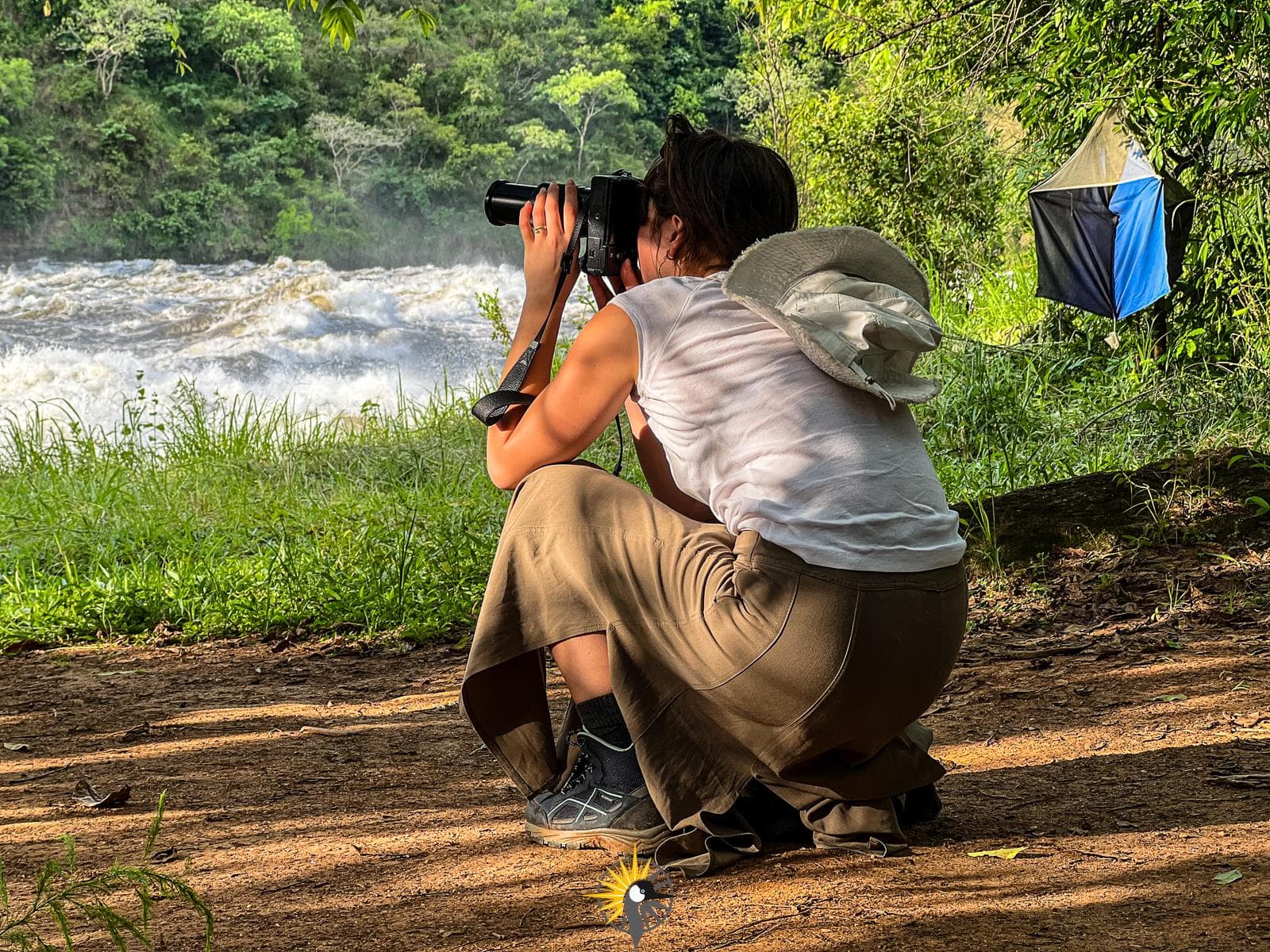
Here, the Nile River squeezes through a narrow gorge before exploding into one of the most dramatic waterfalls in Africa. It’s the perfect spot for action shots of water power and wildlife that gathers along the riverbanks.
Bwindi Impenetrable National Park (Uganda)
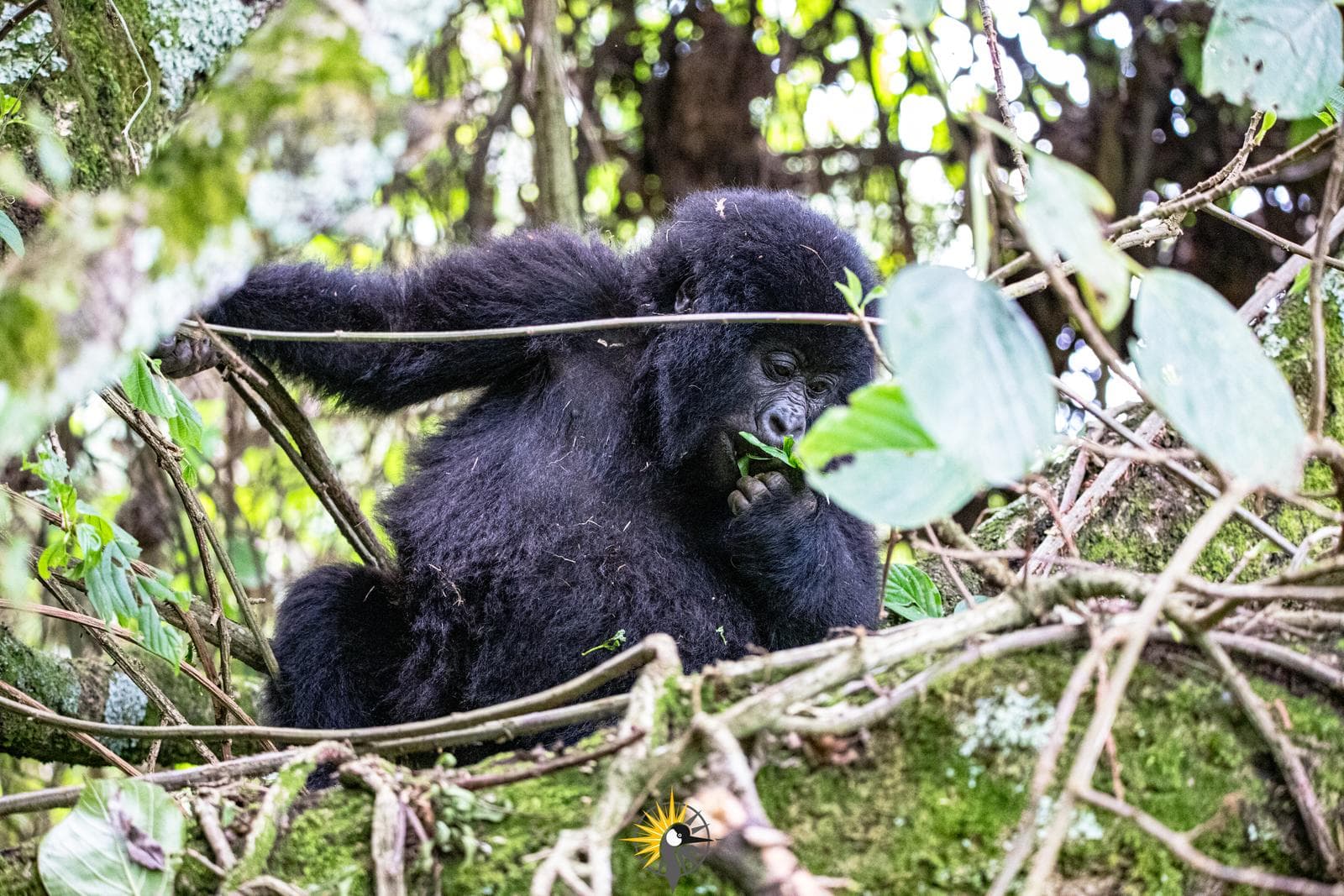
Bwindi is home to the endangered mountain gorillas. The misty forest light, dense foliage, and intimate encounters make it a dream for photographers who want emotional, storytelling images.
Volcanoes National Park (Rwanda)
In Rwanda, Volcanoes National Park offers not just gorilla trekking but also beautiful volcanic backdrops and lush greenery. Early morning treks reward photographers with moody light filtering through the forest.
Akagera National Park (Rwanda)
Akagera is home to the Big Five and endless rolling savannahs. It’s less crowded than some East African parks, giving photographers space and time to capture both landscapes and wildlife.
Cultural Encounters (Rwanda & Uganda)
Beyond wildlife, both countries offer rich cultural photography opportunities — from traditional dance and village life to bustling markets filled with color and character.
Essential Safari Photography Gear for Beginners
Cameras
- DSLRs: Versatile with lots of lens options, but heavier.
- Mirrorless cameras: Lighter, quieter, and great for trekking.
- Smartphones: Surprisingly capable when used with good light and careful framing.
Lenses
- Telephoto zoom (70–200mm or 100–400mm): Essential for wildlife and gorillas at a distance.
- Wide-angle lens (16–35mm): Best for landscapes and group shots.
- Fast prime lens (50mm f/1.8): Perfect for portraits and low light.
Accessories
- Extra batteries and memory cards.
- Rain cover or dry bag for gear protection.
- A bean bag or monopod for stability in safari vehicles.
- Lightweight backpack for gorilla treks.
Pro tip: Renting gear before your trip is an affordable way to test professional equipment without a significant investment.
Camera Settings Made Simple
Wildlife
Use a fast shutter speed (1/1000s or quicker) to freeze motion. Pair it with f/5.6 for sharp, bright results.
Gorillas
In low-light forests, raise your ISO to 800–3200. Keep your aperture wide (f/2.8–f/5.6) and shutter speed around 1/250s.
Landscapes
Shoot at f/8–f/11 for depth of field, with ISO 100–200 for crisp images. A tripod helps with sunsets.
People & Culture
Use natural light and shoot with a wide aperture (f/2.8–f/4). Always ask permission before taking portraits.
Storytelling Through Composition
Use the Rule of Thirds
Placing subjects off-center makes your images more dynamic and balanced.
Frame with the Environment
Show wildlife within its habitat — elephants under acacia trees, gorillas peeking through foliage.
Capture Behavior and Emotion
Wait for special moments: a yawning lion, a gorilla grooming its baby, or children dancing in a village.
Mix Wide Shots and Close-Ups
Variety adds depth to your story, helping viewers feel the scale and intimacy of your safari.
Gorilla Trekking Photography Tips (Rwanda & Uganda)
No Flash Allowed
Flashes are strictly banned and disturb gorillas. Compensate by increasing ISO instead.
Work With Natural Light
Use patches of sunlight filtering through the canopy for dramatic, moody portraits.
Use a Wide Aperture
Settings like f/2.8–f/5.6 isolate gorillas against soft backgrounds.
Respect the 7-Meter Rule
A good zoom lens (70–200mm or more) helps you fill the frame without breaking distance rules.
Keep Gear Lightweight
One body, one lens, and essentials only. Long treks and steep slopes are tough with heavy equipment.
Capture Group Interactions
Beyond portraits, photograph gorilla families: babies tumbling, silverbacks watching, mothers nurturing.
Stay Present
Don’t forget to put the camera down and connect with the moment — your best memory may be the one you didn’t capture.
Beyond Wildlife, Landscapes, People & Culture
Landscapes
Uganda’s crater lakes, Rwanda’s volcanic peaks, and sweeping savannahs make dramatic wide-angle shots.
People
Portraits of guides or locals add human warmth to your story. Build trust, smile, and always ask first.
Culture
Markets, dances, and daily life show the richness of East Africa beyond its wildlife.
Common Mistakes Beginners Make
Over-Relying on Zoom
Step back and use the environment as context, rather than relying solely on close-ups.
Forgetting Batteries and Memory
Always carry spares — you’ll shoot more than you expect.
Ignoring Landscapes and People
Don’t limit yourself to animals; variety tells a fuller story.
Not Backing Up Photos
Use dual memory cards or daily backups to avoid heartbreak.
Balancing Photography With the Experience
Alternate Between Shooting and Watching
Take a few shots, then put your camera down and just enjoy.
Focus on Quality Over Quantity
It’s better to have 10 meaningful photos than 1,000 average ones.
Remember, It’s a Journey, Not a Photoshoot
A safari is about connection — with nature, people, and yourself.
Final Safari Photography Tips Recap
- Keep gear versatile and straightforward.
- Respect wildlife and local culture.
- Use patience to capture behavior and emotion.
- Don’t forget to live in the moment.
Ready to capture your own safari story?
A safari in Uganda or Rwanda isn’t just a holiday — it’s an experience that will stay with you forever. From the silverback gorillas of Bwindi to the rolling savannahs of Akagera, every moment presents an opportunity to create memories worth framing.
At Musana Tours and Travel, we specialize in creating safari experiences tailored for photography enthusiasts. Whether you’re a beginner with your first camera or an experienced hobbyist looking to capture gorillas in their natural habitat, our guides know exactly how to position you for the perfect shot — while ensuring you live the moment, too.
Your adventure is waiting. Book your safari today, and let’s help you capture Africa through your lens.
0 Comments
Write your comment
Top safaris
9 Days Gorilla tracking in Uganda, Tarangire, Ngorongoro, and Serengeti National Park in Tanzania
3 Days Hadzabe, Masai and Ngorongoro Crater Safari, Tanzania
21 Days Epic East Africa safari, gorilla trekking in Bwindi, Big Five safaris and Zanzibar Beach escape
News and Updates
Birding in Queen Elizabeth National Park, A 7-Day Adventure with Musana Tours & Travel
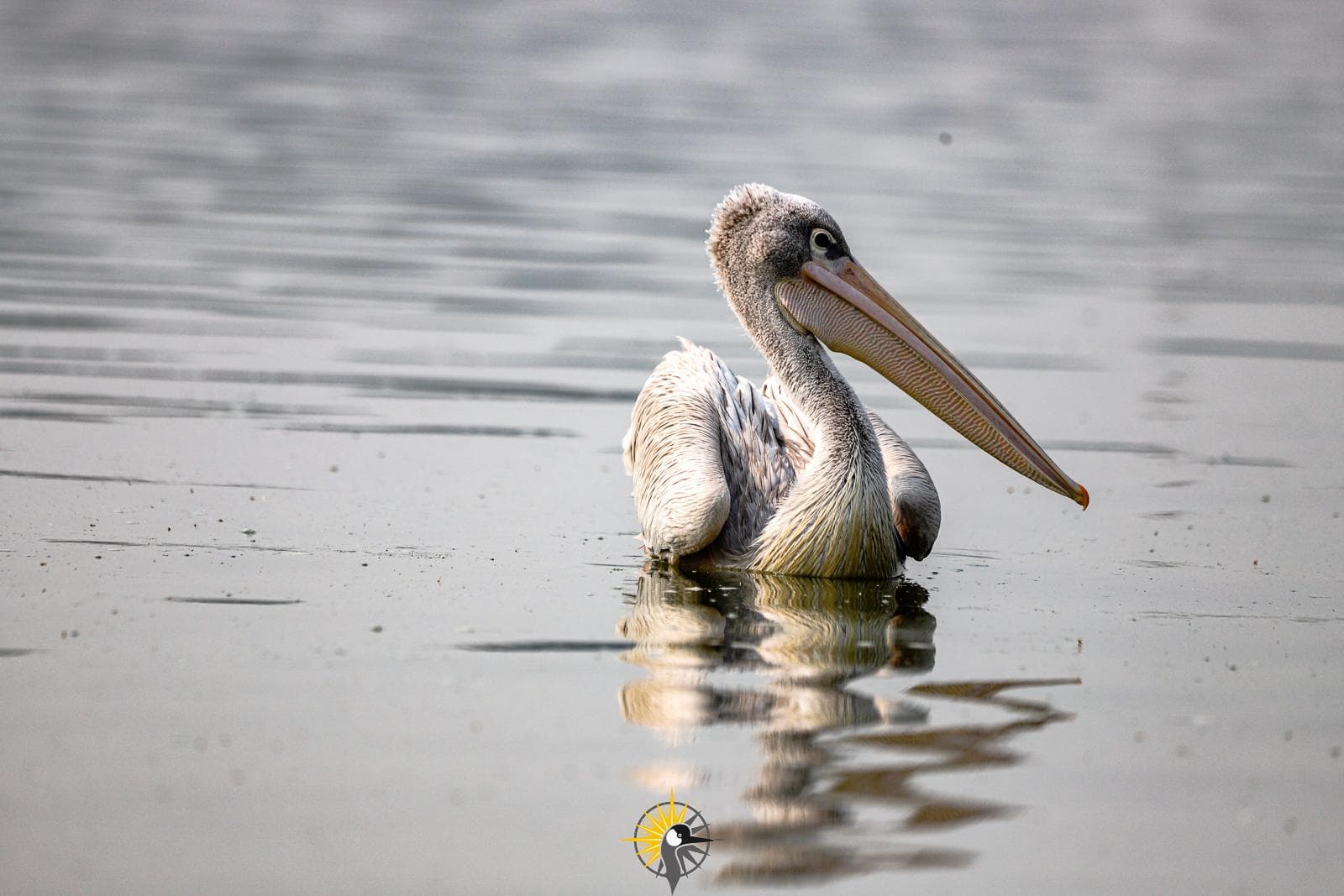
Discover birding in Queen Elizabeth National Park on a 7-day guided safari. Spot shoebills, pelicans & raptors with Musana Tours & Travel.
Read more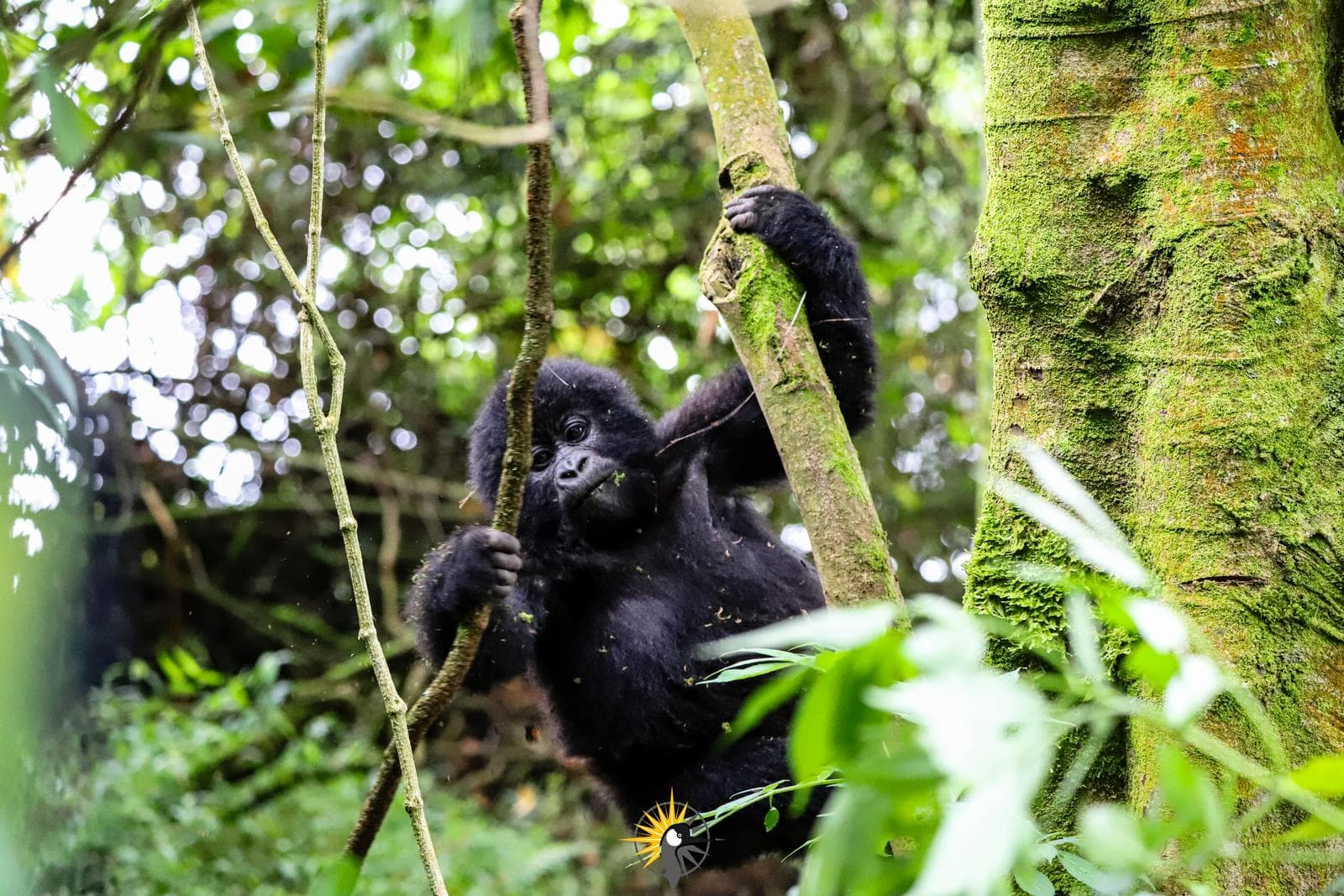
Gorilla trekking vs chimpanzee tracking, which should you choose?
Gorilla trekking vs chimpanzee tracking in Uganda—compare experiences, costs, and best parks to choose the perfect primate safari adventure.
Read more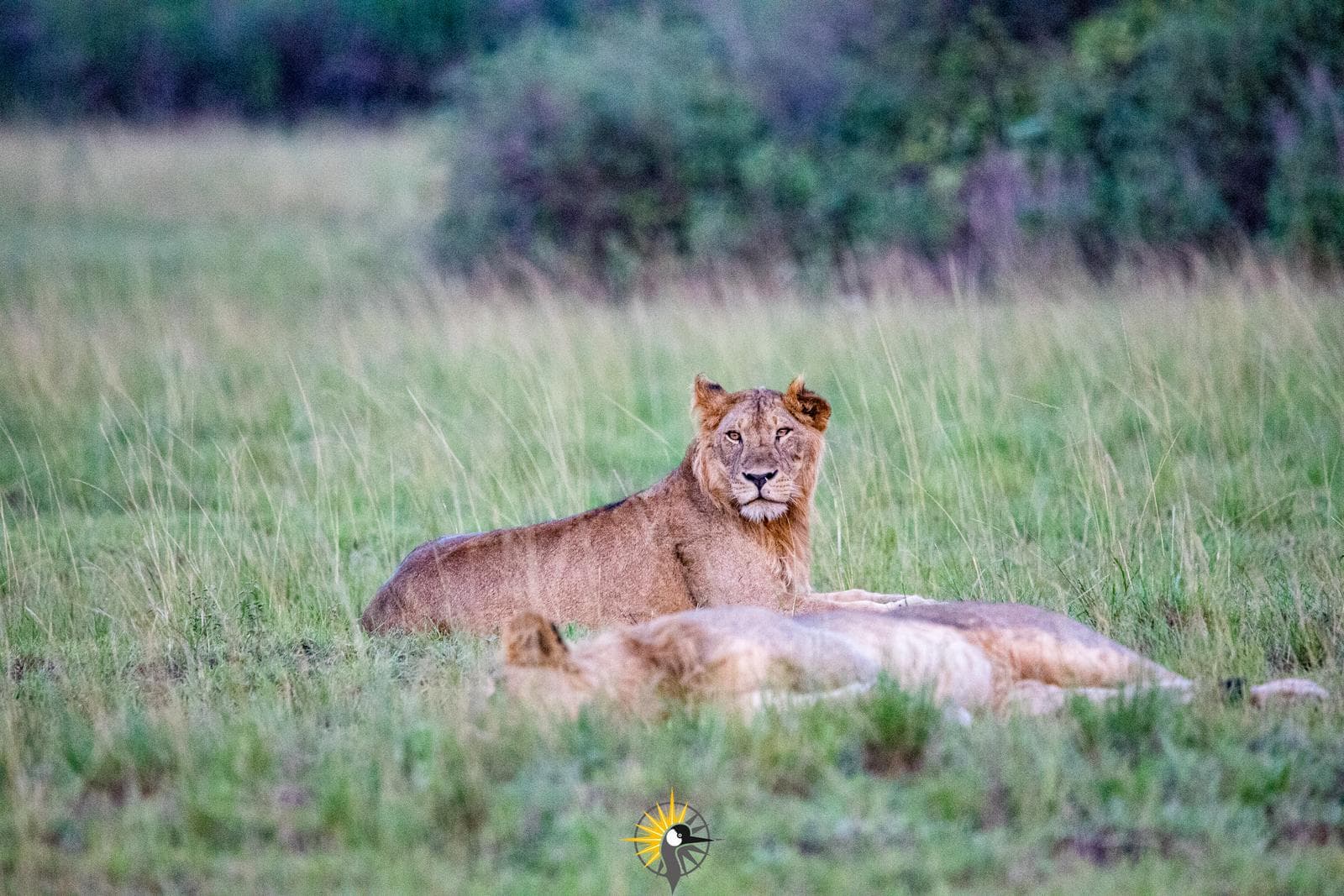
Best time to visit Uganda for wildlife
Discover the best time to visit Uganda for wildlife, from gorilla trekking to savannah safaris, with expert seasonal insights from Musana Tours & Travel.
Read more