How to prepare for gorilla trekking in Uganda
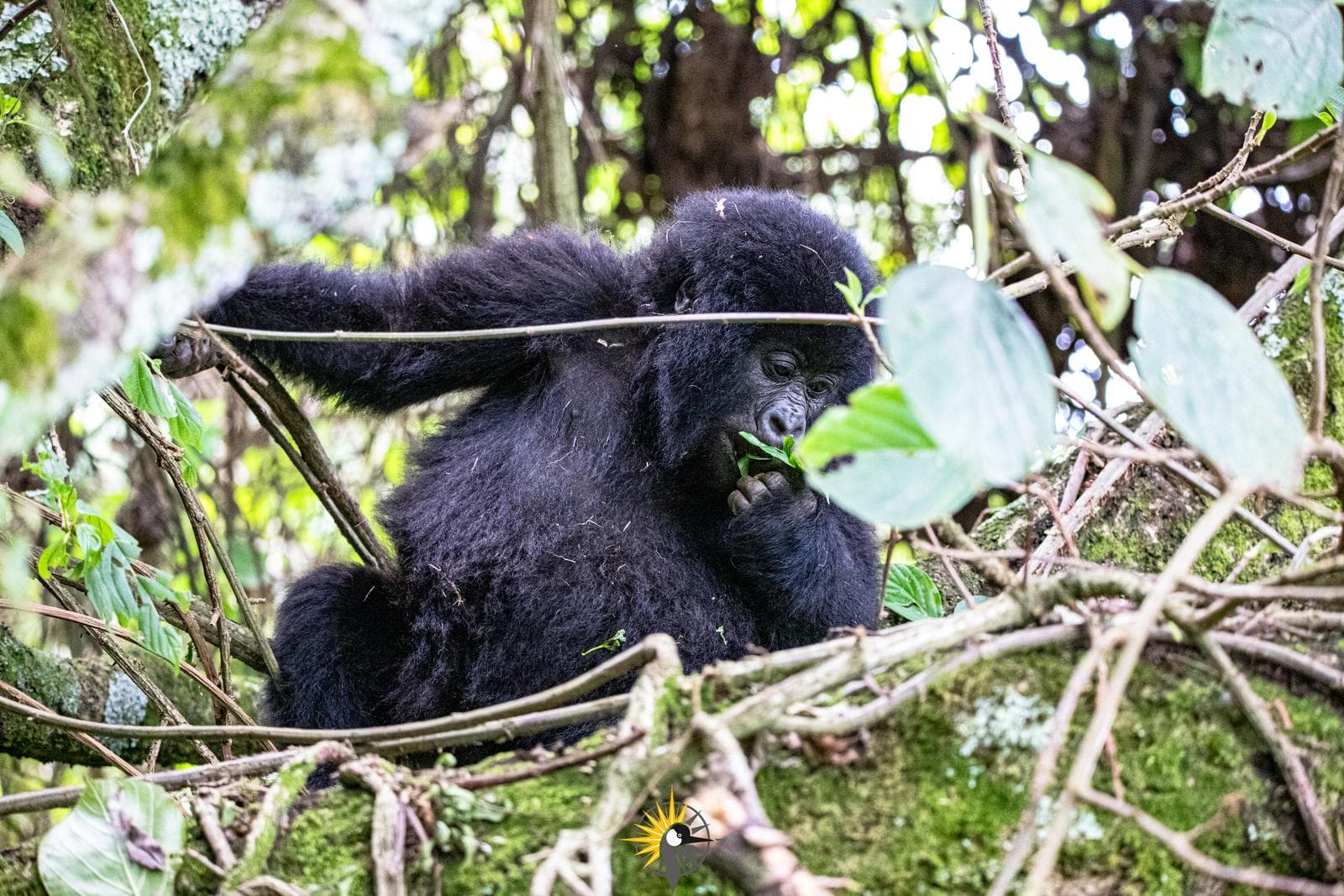
Gorilla trekking in Uganda is one of the world’s most unforgettable wildlife experiences. Imagine hiking through the misty forests of Bwindi Impenetrable Forest National Park or the volcanic slopes of Mgahinga Gorilla National Park, only to lock eyes with a silverback gorilla in its natural habitat. It’s magical, moving, and life-changing.
But while the reward is extraordinary, the journey requires preparation. Treks can last anywhere from two to six hours (sometimes longer), navigating steep hills, muddy trails, tangled roots, and humid conditions. Even if you’re a luxury traveler accustomed to comfort, the trek itself requires a certain level of physical readiness.
So, how do you make sure you’re ready? This guide outlines the steps to prepare for gorilla trekking in Uganda, providing straightforward and practical fitness tips to ensure your experience is as rewarding as possible.
Why Physical Preparation Matters for Gorilla Trekking
Uganda’s gorilla habitats are located at elevations between 1,200–2,600 meters (3,900–8,500 ft) above sea level. The terrain in both Bwindi and Mgahinga is rugged: narrow paths, thick vegetation, and constant elevation changes.
Treks vary depending on where the gorillas are located that day. Some groups are near the trailhead; others may be deeper in the forest. Even the fittest travelers can find it challenging if they’re not prepared.
Being physically ready:
- Reduces fatigue and risk of injury
- Helps you enjoy the trek instead of struggling through it
- Ensures you can fully appreciate those precious one-hour encounters with gorillas
General Fitness Preparation for Gorilla Trekking
You don’t need to be a marathon runner or seasoned mountaineer. A few weeks of steady preparation can make all the difference. Here’s what to focus on:
Walking & Hiking Practice
Start with daily brisk walks of 30–60 minutes. On weekends, go for longer hikes with varied terrain. If you live near hills or forests, take advantage of them. The goal is to build stamina for sustained walking.
Cardio Endurance
Cardio activities like cycling, swimming, jogging, or treadmill walking on an incline help strengthen your heart and lungs. Aim for three to four cardio sessions per week.
Strength Training
Your legs will do most of the work, but don’t neglect your core and balance. Include exercises like:
- Squats and lunges (for uphill and downhill strength)
- Planks (for core stability)
- Step-ups (simulate climbing steep trails)
Flexibility & Stretching
Forest trekking often requires bending, stepping over roots, or crouching under branches. Gentle yoga or stretching improves flexibility and reduces soreness.
Practice Hiking with a Backpack
During your trek, you’ll carry essentials like water, snacks, a camera, and rain gear. While the load isn’t heavy (5–10 kg), it’s smart to practice walking with a small backpack before your trip. This helps you adjust to the added weight and balance.
Altitude & Stamina Preparation
Uganda’s gorilla trekking regions are higher in elevation than most travelers are used to. While it’s not extreme altitude, you may notice shortness of breath or quicker fatigue.
Tips for preparation:
- Include stair climbing or hill walking in your workouts
- Practice pacing yourself — slow and steady wins the trek
- Stay hydrated before and during the trek
Mental Preparation: Patience & Perseverance
Physical strength is important, but mental readiness is equally key. Gorilla treks can take anywhere from 30 minutes to 7 hours depending on the gorilla family’s location. The forest is unpredictable — sometimes wet, sometimes slippery, sometimes challenging.
Keeping a positive mindset will make your trek far more enjoyable. Remind yourself that the reward — meeting the gorillas — is worth every step.
Practical Tips for the Trek Itself
When the day finally arrives, these tips will help you handle the trek with confidence:
- Stay Hydrated: Carry at least 2 liters of water.
- Eat a Good Breakfast: You’ll need energy for the climb.
- Hire a Porter: Even if you’re fit, hiring a porter is highly recommended. They’ll carry your bag, offer a steady hand on steep sections, and your fee supports the local community.
- Use Trekking Poles: A walking stick is usually provided, but lightweight trekking poles can add stability.
- Pace Yourself: Don’t rush. The group moves together, and breaks are allowed.
Gorilla Trekking Destinations in Uganda
Uganda is home to half of the world’s remaining mountain gorillas, with two main trekking destinations:
Bwindi Impenetrable Forest National Park
Bwindi is the most famous location, with multiple trailheads: Buhoma, Ruhija, Rushaga, and Nkuringo. Each sector offers unique landscapes and habituated gorilla families. The forest is dense, living up to its name, but it’s also breathtakingly beautiful.
Mgahinga Gorilla National Park
Smaller and less visited, Mgahinga offers a more intimate experience on the slopes of the Virunga Volcanoes. Besides gorillas, you may encounter golden monkeys and panoramic views of Rwanda and the DRC.
Both parks provide unforgettable encounters, and the physical preparation applies equally to both.
Final Checklist Before You Trek
Here’s a quick recap of essentials to bring along:
- Hiking boots (well broken-in, waterproof if possible)
- Long pants and long socks (to tuck in against ants)
- Rain jacket (weather in the forest changes quickly)
- Light layers (humidity can make it warm, but mornings are cool)
- Gardening gloves (to grip vegetation for support)
- Reusable water bottle & snacks
Be Ready, Be Rewarded
Preparing for gorilla trekking in Uganda doesn’t require elite fitness — just steady preparation, patience, and the right mindset. With some walking, cardio, and light strength training, you’ll be ready to face the forest trails of Bwindi and Mgahinga with confidence.
The effort is always worth it. Few experiences on earth compare to standing just meters away from a gorilla family, watching them interact peacefully in their natural home.
Ready to take the next step? Book your gorilla trekking safari in Uganda with Musana tours and travel and enjoy a seamless, well-planned journey where luxury meets adventure.
0 Comments
Write your comment
Top safaris
9 Days Gorilla tracking in Uganda, Tarangire, Ngorongoro, and Serengeti National Park in Tanzania
3 Days Hadzabe, Masai and Ngorongoro Crater Safari, Tanzania
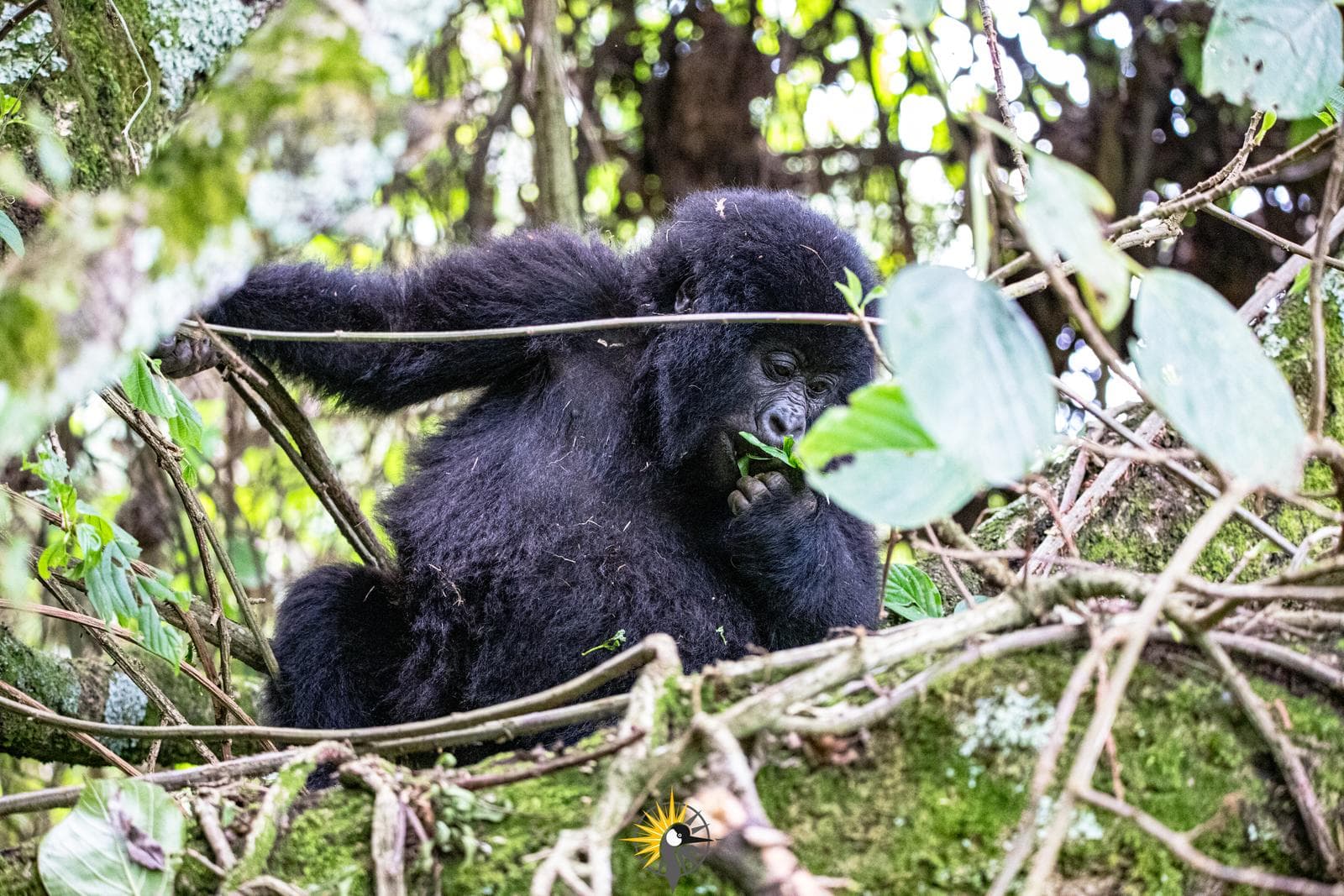
21 Days Epic East Africa safari, gorilla trekking in Bwindi, Big Five safaris and Zanzibar Beach escape
News and Updates
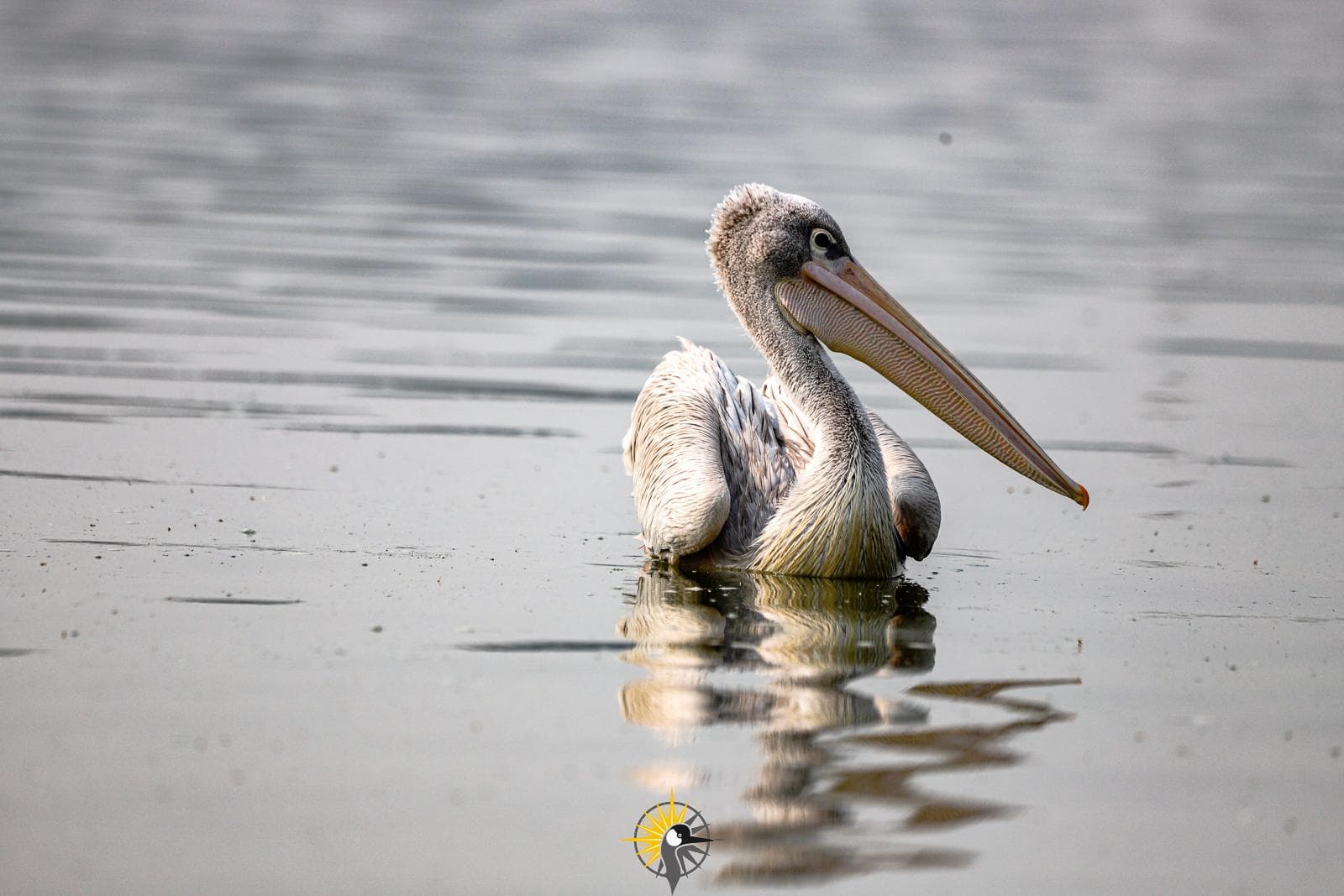
Birding in Queen Elizabeth National Park, A 7-Day Adventure with Musana Tours & Travel
Discover birding in Queen Elizabeth National Park on a 7-day guided safari. Spot shoebills, pelicans & raptors with Musana Tours & Travel.
Read more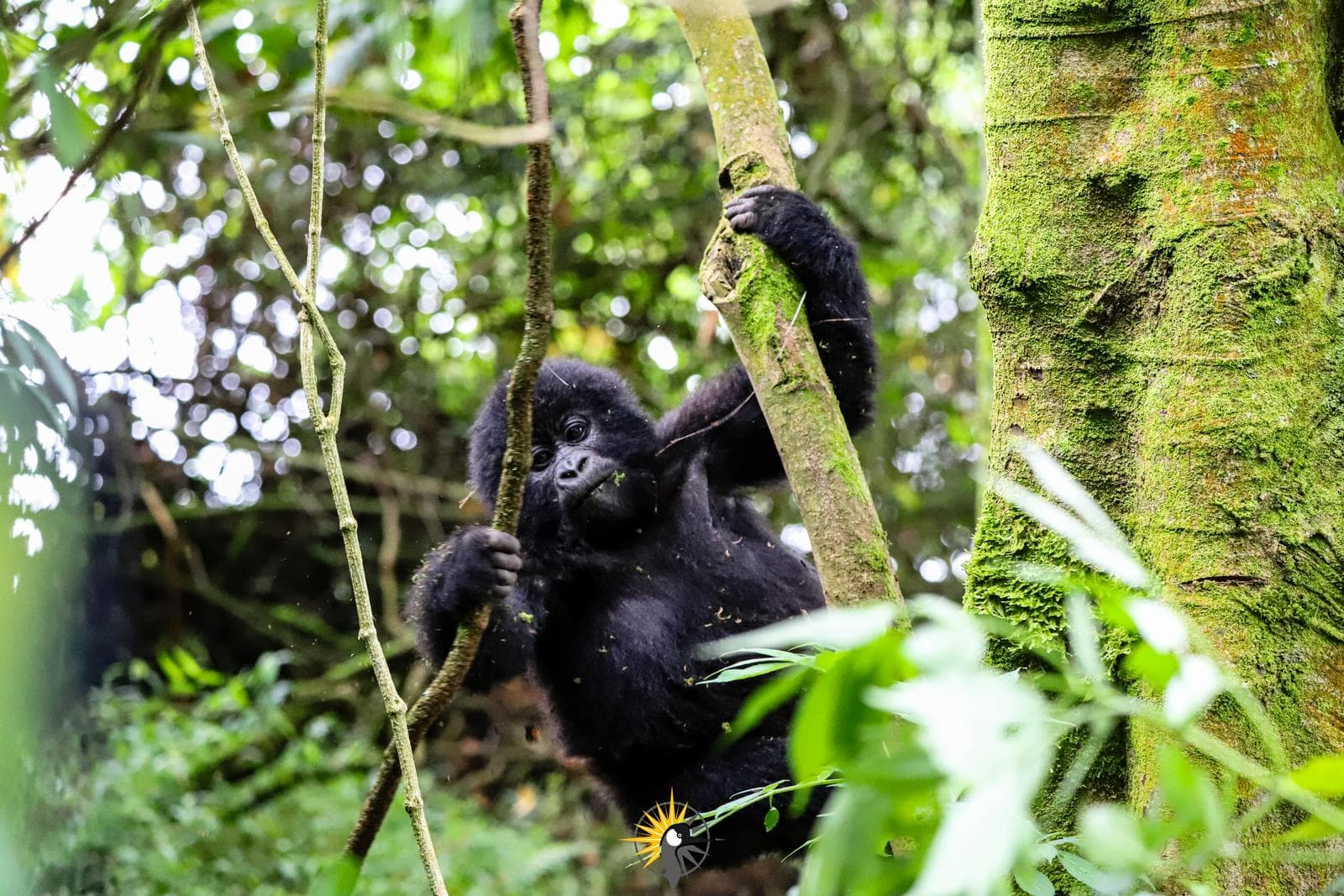
Gorilla trekking vs chimpanzee tracking, which should you choose?
Gorilla trekking vs chimpanzee tracking in Uganda—compare experiences, costs, and best parks to choose the perfect primate safari adventure.
Read more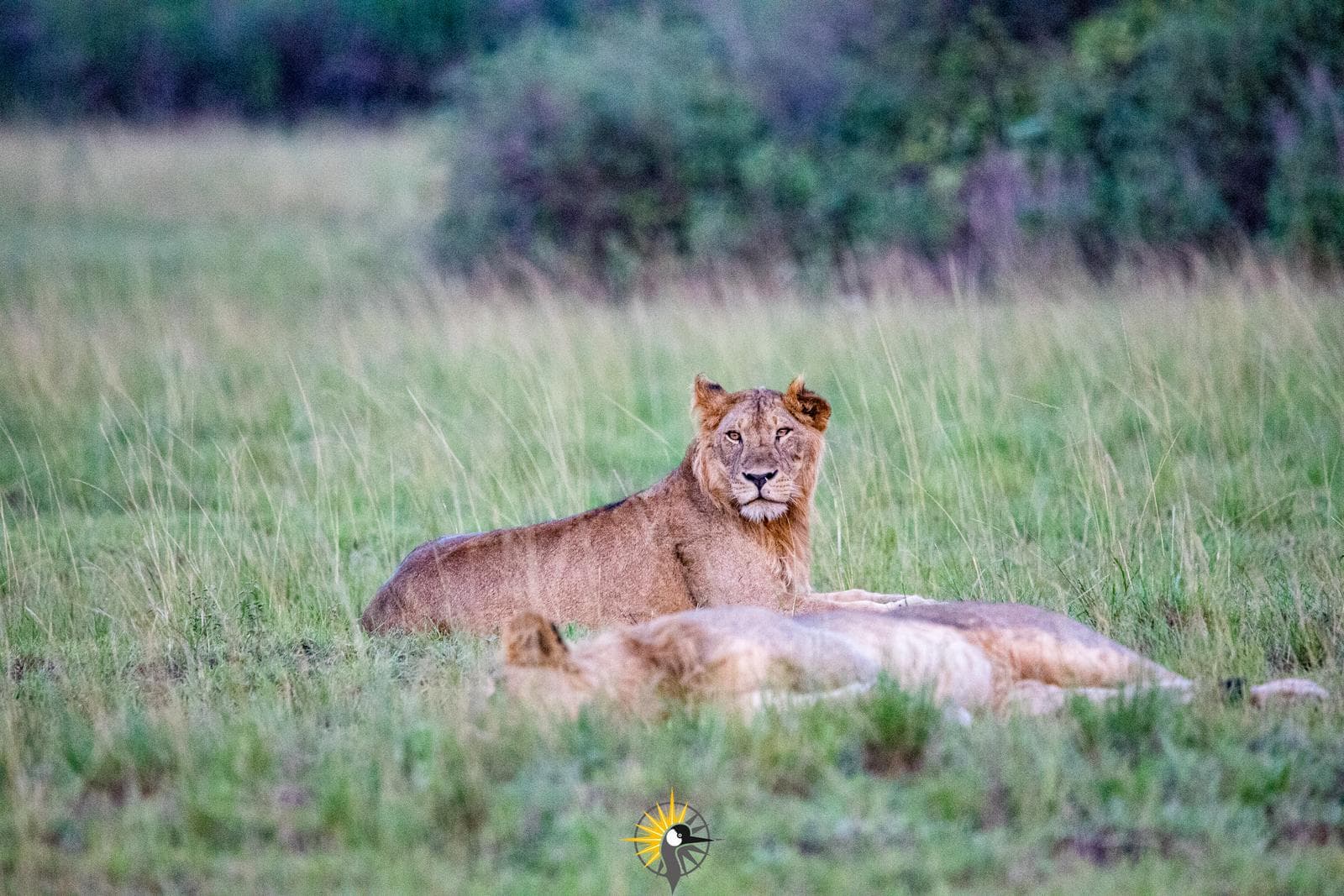
Best time to visit Uganda for wildlife
Discover the best time to visit Uganda for wildlife, from gorilla trekking to savannah safaris, with expert seasonal insights from Musana Tours & Travel.
Read more