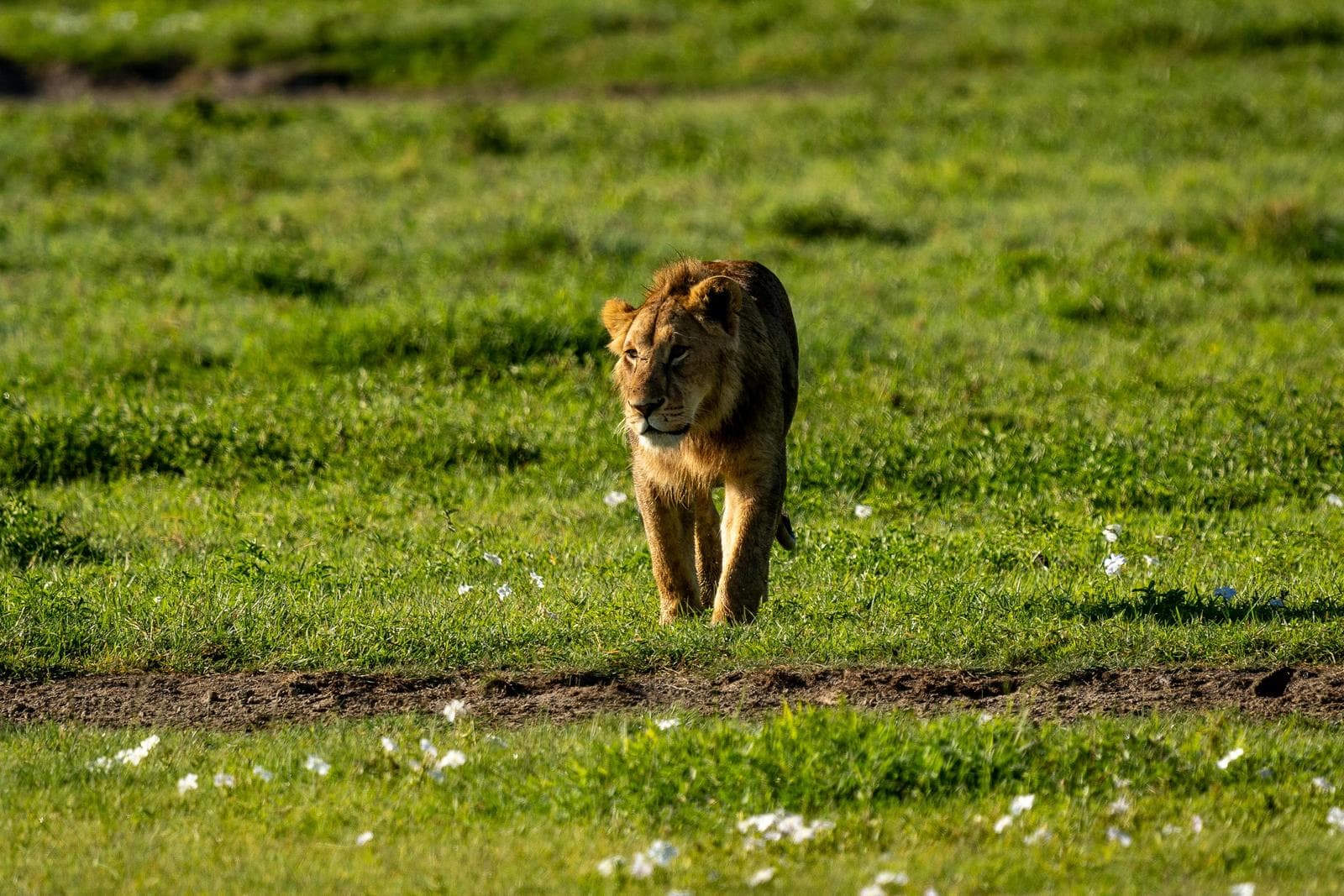
Nestled at the foot of Mount Meru and surrounded by the dramatic landscapes of northern Tanzania, Arusha is a vibrant city that serves as a gateway to some of Africa’s most famous natural wonders. Known for its proximity to iconic national parks and its lively cultural scene, Arusha is where adventure, history, and Tanzanian hospitality converge. From bustling markets and historic streets to breathtaking safari landscapes, Arusha offers travelers an authentic taste of East Africa.
Arusha’s history is deeply intertwined with Tanzania’s colonial past and its role as a center for trade and diplomacy. Originally a small settlement for the Arusha people, the city developed under German and later British colonial rule in the late 19th and early 20th centuries. Its strategic location at the crossroads of northern Tanzania made it a hub for coffee, sisal, and other agricultural exports.
Walking through Arusha today, visitors can sense the layers of history that shaped the city. The Arusha Declaration Museum provides insight into Tanzania’s post-independence political history, highlighting the vision of President Julius Nyerere and the country’s socialist policies. Meanwhile, local heritage centers and cultural villages showcase traditional Tanzanian life, allowing visitors to engage with Maasai, Chagga, and other ethnic communities that have inhabited the region for centuries.
One of Arusha’s most remarkable features is its role as the launchpad for safaris in northern Tanzania. Just outside the city lie some of Africa’s most iconic wildlife destinations, including Serengeti National Park, Ngorongoro Crater, Tarangire National Park, and Lake Manyara National Park. Travelers often arrive in Arusha before heading on multi-day safaris, making the city an ideal base for planning and preparation.
Within the city, Arusha National Park offers a mini-safari experience. Located just a short drive from downtown, this park encompasses a mix of savannah, forest, and volcanic landscapes, home to giraffes, zebras, buffaloes, and a variety of bird species. Mount Meru, Tanzania’s second-highest peak, dominates the skyline, offering trekking opportunities for adventurers and photographers seeking breathtaking vistas. A climb up Mount Meru provides a challenging but rewarding experience, with the summit revealing panoramic views of the Great Rift Valley and distant peaks, including the majestic Mount Kilimanjaro on clear days.
Arusha’s cultural scene is a vibrant mix of Tanzanian traditions and modern influences. The city is a melting pot of ethnic communities, including Maasai, Chagga, Meru, and Europeans, which is reflected in its cuisine, crafts, and daily life.
The Central Market in Arusha is a lively place where locals sell fresh produce, spices, coffee, and traditional crafts. Visitors can wander through stalls filled with colorful fabrics, hand-carved wooden sculptures, and Maasai beadwork. Sampling local cuisine is also a highlight of any visit. Dishes such as Nyama Choma (grilled meat), Ugali, and Makande (a traditional mix of beans and corn) offer a taste of authentic Tanzanian flavors. Street vendors sell fresh fruits, snacks, and coffee, making it easy to enjoy local flavors while exploring the city.
Art and music play an important role in Arusha’s cultural identity. Local galleries and cultural centers host traditional and contemporary performances, including Tanzanian drumming, Swahili music, and Maasai dance. Visitors who spend time in Arusha often leave with an appreciation for the rich heritage and hospitality of its people.
Beyond the city center, Arusha is surrounded by landscapes that appeal to both adventure seekers and nature lovers. Ngurdoto Crater, a smaller and more accessible crater than the famous Ngorongoro, offers stunning walking trails and wildlife viewing opportunities. Its grasslands and forests are home to zebras, buffaloes, and elephants, making it a convenient spot for travelers who want a taste of Tanzania’s wilderness without a long drive.
The nearby Momella Lakes, located in Arusha National Park, are famous for their striking turquoise waters and flocks of flamingos that gather seasonally. The lakes provide a serene contrast to the city’s bustle, making it an ideal spot for photography, birdwatching, and nature walks.
For trekking enthusiasts, the ascent of Mount Meru is a highlight, with trails leading through rainforest, bamboo zones, and moorlands before reaching the summit. The hike usually takes two to three days, offering climbers an immersive experience in Tanzania’s diverse ecosystems.
For travelers who prefer less strenuous adventures, guided nature walks, cycling tours, and horseback rides on the outskirts of the city provide a slower-paced way to appreciate Arusha’s landscapes.
Travelers can reach Arusha via Kilimanjaro International Airport (JRO), located approximately 45 minutes from the city. The airport serves as the main gateway for international tourists visiting northern Tanzania, with flights from major hubs including Nairobi, Johannesburg, Addis Ababa, Istanbul, and Doha.
Domestic flights connect Arusha to destinations like Dar es Salaam and Zanzibar, making it easy to combine a safari with beach or coastal adventures. For travelers arriving by road, Arusha is accessible via well-maintained highways from Nairobi, Nairobi–Arusha border crossings, and other parts of northern Tanzania, providing flexibility for those exploring East Africa overland.
Upon arrival, taxis, shuttle services, and car rentals are available, offering seamless transfers to hotels, lodges, and safari starting points. Many tour operators in Arusha also offer organized airport pick-ups, allowing travelers to begin their safari adventure stress-free.
In Arusha, visitors can start their day with a stroll through the Central Market, where the aroma of fresh coffee beans mingles with spices and vibrant fruits. The city’s streets are alive with colors, from Maasai warriors in traditional attire to artisans crafting beautiful beadwork. Cafes and restaurants in the city center serve a mix of local and international dishes, allowing travelers to enjoy breakfast or lunch before heading out to nearby natural attractions.
A short drive from the city center leads to Arusha National Park, where the scenery shifts from urban streets to rolling savannahs and volcanic landscapes. Here, wildlife roams freely, and guided tours provide insights into the local ecosystems. The park is also the perfect place for photography enthusiasts to capture iconic African wildlife against the backdrop of Mount Meru.
Cultural exploration continues in the evening. Visitors can attend live music performances featuring traditional drumming, Swahili rhythms, and contemporary Afro-fusion. Art galleries and cultural centers showcase paintings, sculptures, and installations that celebrate Tanzanian heritage and creativity. Even a casual walk through Arusha’s neighborhoods reveals murals, craft shops, and street vendors that bring the city’s spirit to life.
For multi-day trips, Arusha serves as the ideal base for excursions to Ngorongoro Crater, Serengeti National Park, Lake Manyara, and Tarangire, offering travelers a seamless blend of city exploration and wildlife adventure.
Arusha enjoys a mild climate due to its elevation of about 1,400 meters above sea level. Temperatures are generally pleasant year-round, making the city an attractive destination for travelers at any time. The dry seasons from June to October and from January to February are considered ideal for wildlife viewing and trekking, while the rainy seasons in April–May and November–December can make some outdoor activities challenging but still manageable with proper planning.
Travelers visiting during the dry season benefit from clearer skies, easier hiking trails, and better safari conditions, especially when exploring Ngorongoro, Serengeti, and Tarangire. Even during the rainy months, Arusha’s cultural sites, markets, and city attractions remain accessible, providing a rich and rewarding experience.
Arusha is not just a transit hub; it is a destination in its own right. Its unique position at the foot of Mount Meru, combined with its proximity to world-famous national parks, makes it a perfect blend of urban convenience and natural wonder. Visitors are drawn to Arusha for its vibrant markets, cultural richness, and warm Tanzanian hospitality, while the surrounding landscapes offer adventure, wildlife, and unforgettable scenery.
From feeding giraffes at nearby wildlife centers to trekking volcanic slopes, exploring Maasai villages, or starting a safari to the Serengeti and Ngorongoro, Arusha is where the adventure of northern Tanzania begins. Every street, market, and scenic vista tells a story, inviting travelers to explore, learn, and immerse themselves in the beauty and culture of this remarkable region.
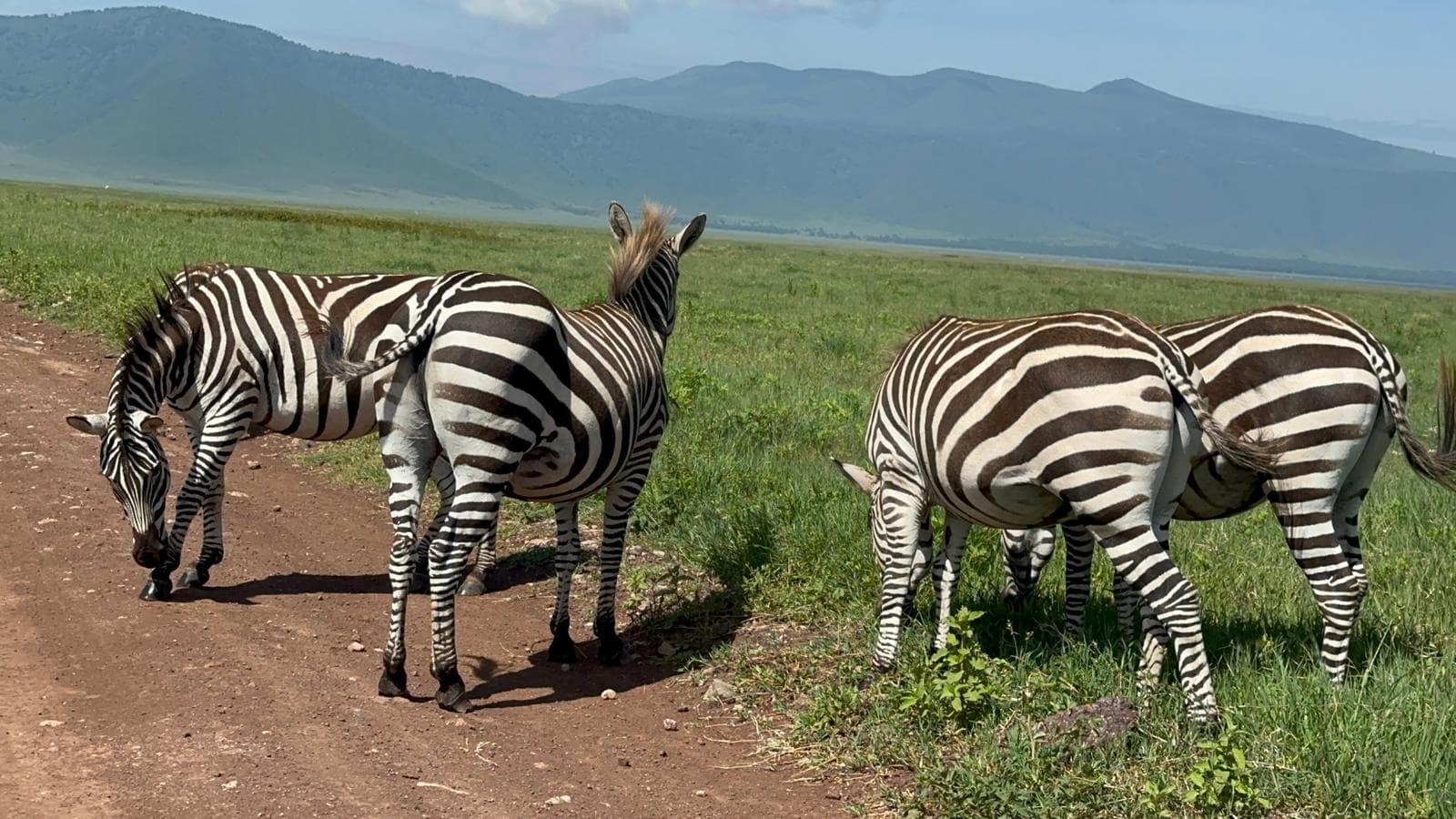
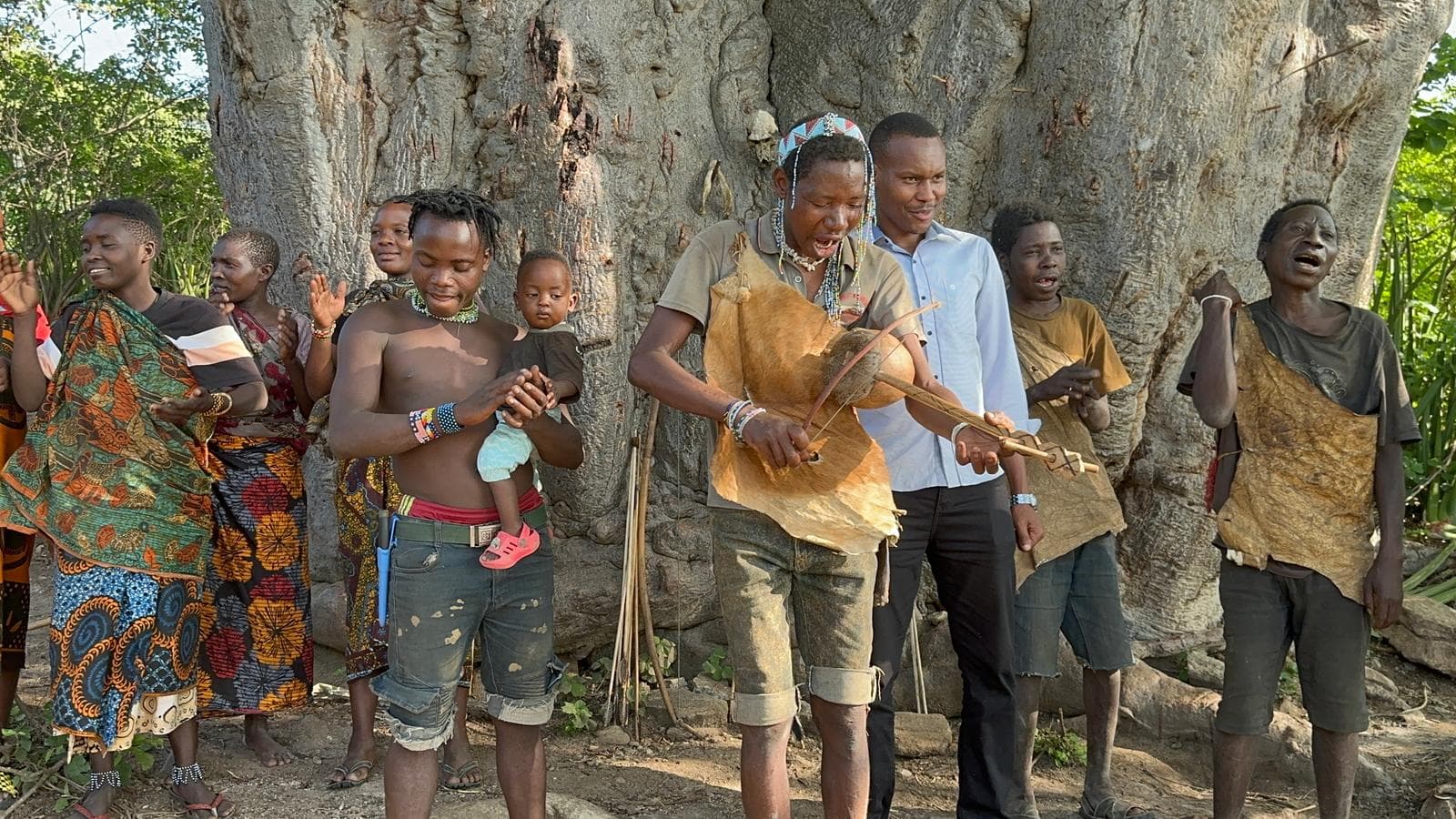
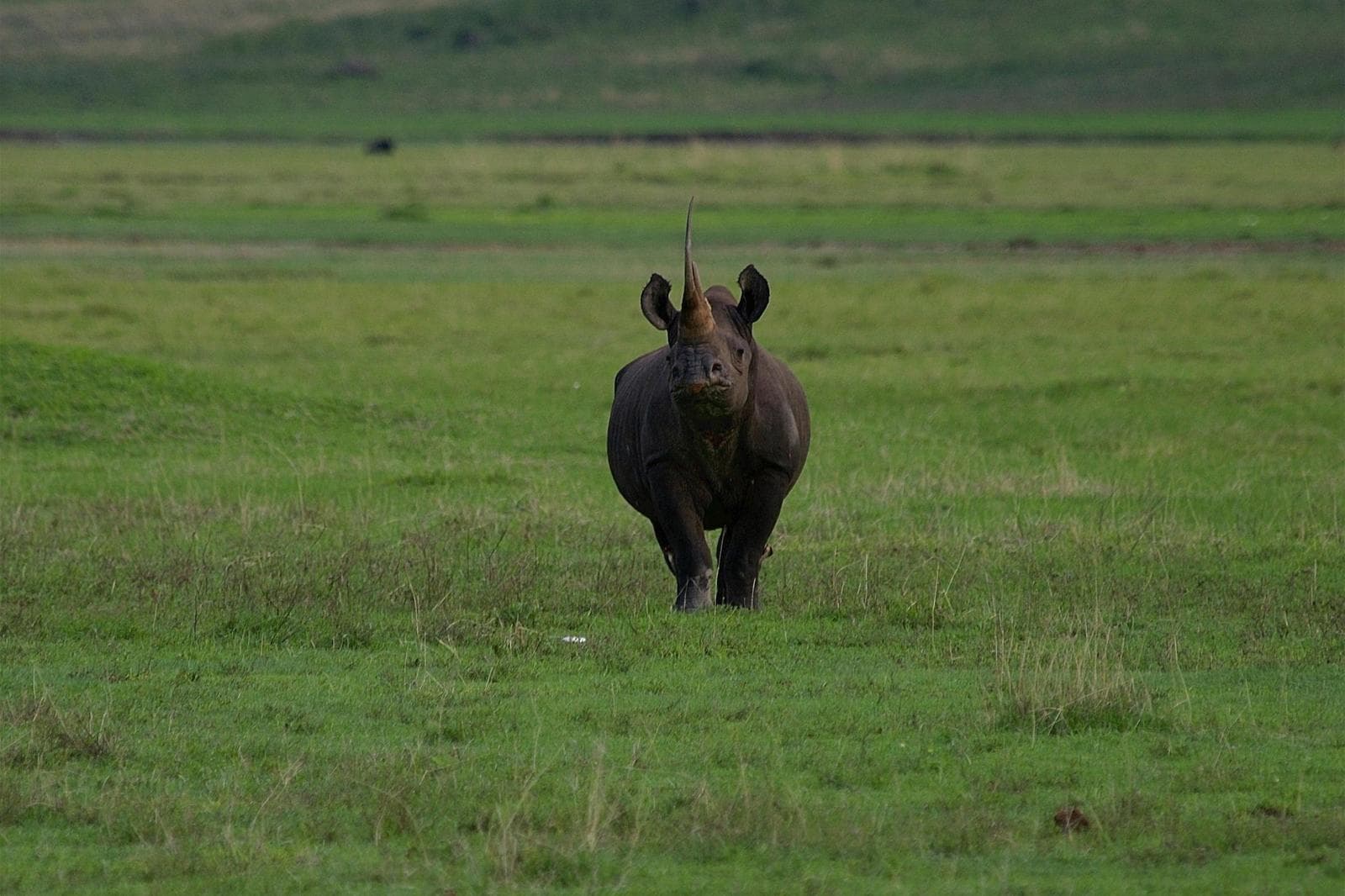
Discover Ngorongoro Conservation Area: safari wildlife, Maasai culture, Ol Duvai Gorge, and stunning lakes Ndutu & Masek with Musana Tours.
Read more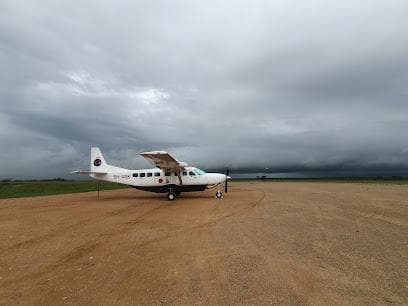
Seronera Airstrip offers fast access to central Serengeti, with year-round wildlife viewing and convenient fly-in safari connections in Tanzania.
Read more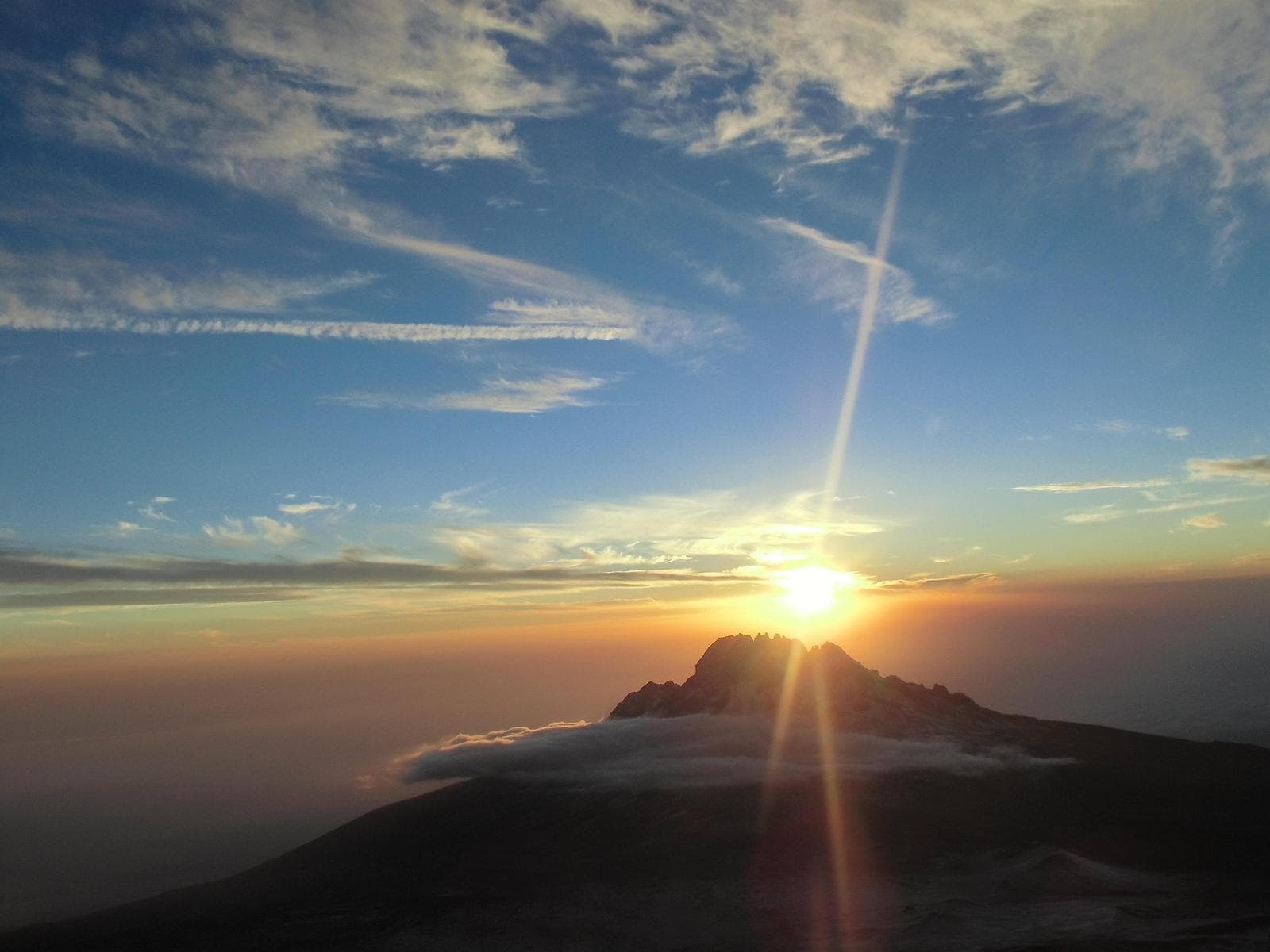
Climb Mount Kilimanjaro, Africa’s highest peak. Explore diverse landscapes, Uhuru Peak, Lake Chala, and guided adventures in Kilimanjaro National Park
Read more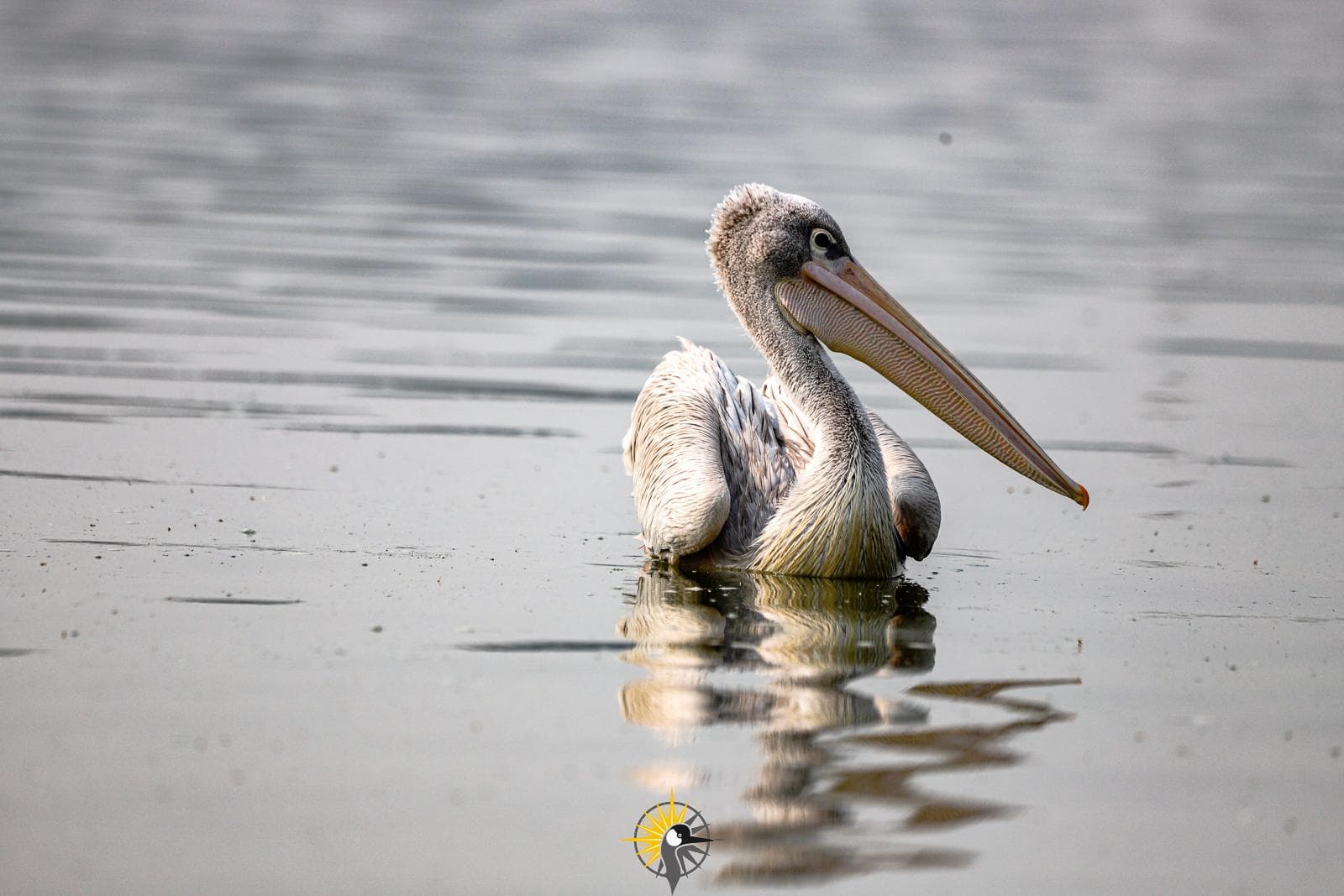
Discover birding in Queen Elizabeth National Park on a 7-day guided safari. Spot shoebills, pelicans & raptors with Musana Tours & Travel.
Read more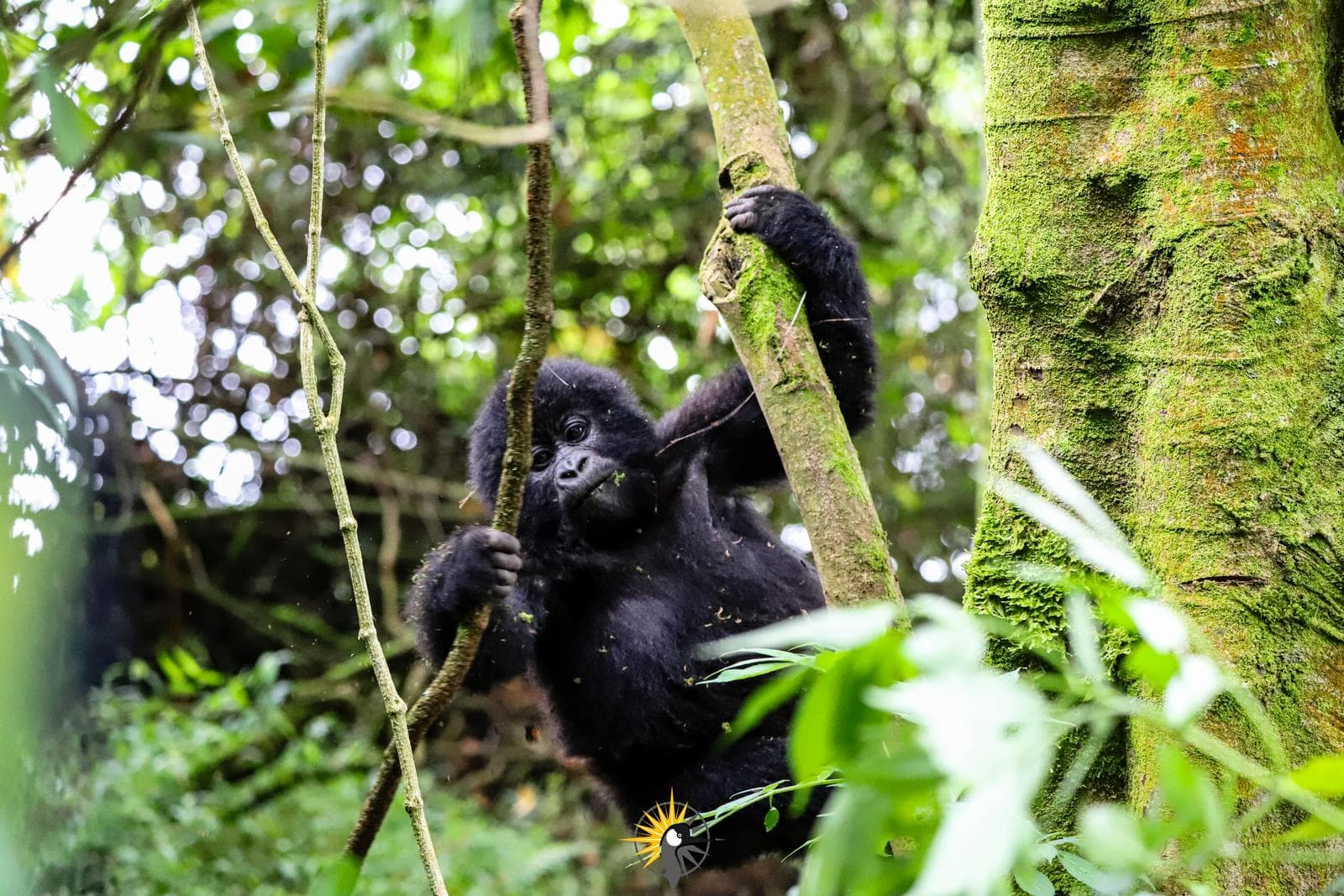
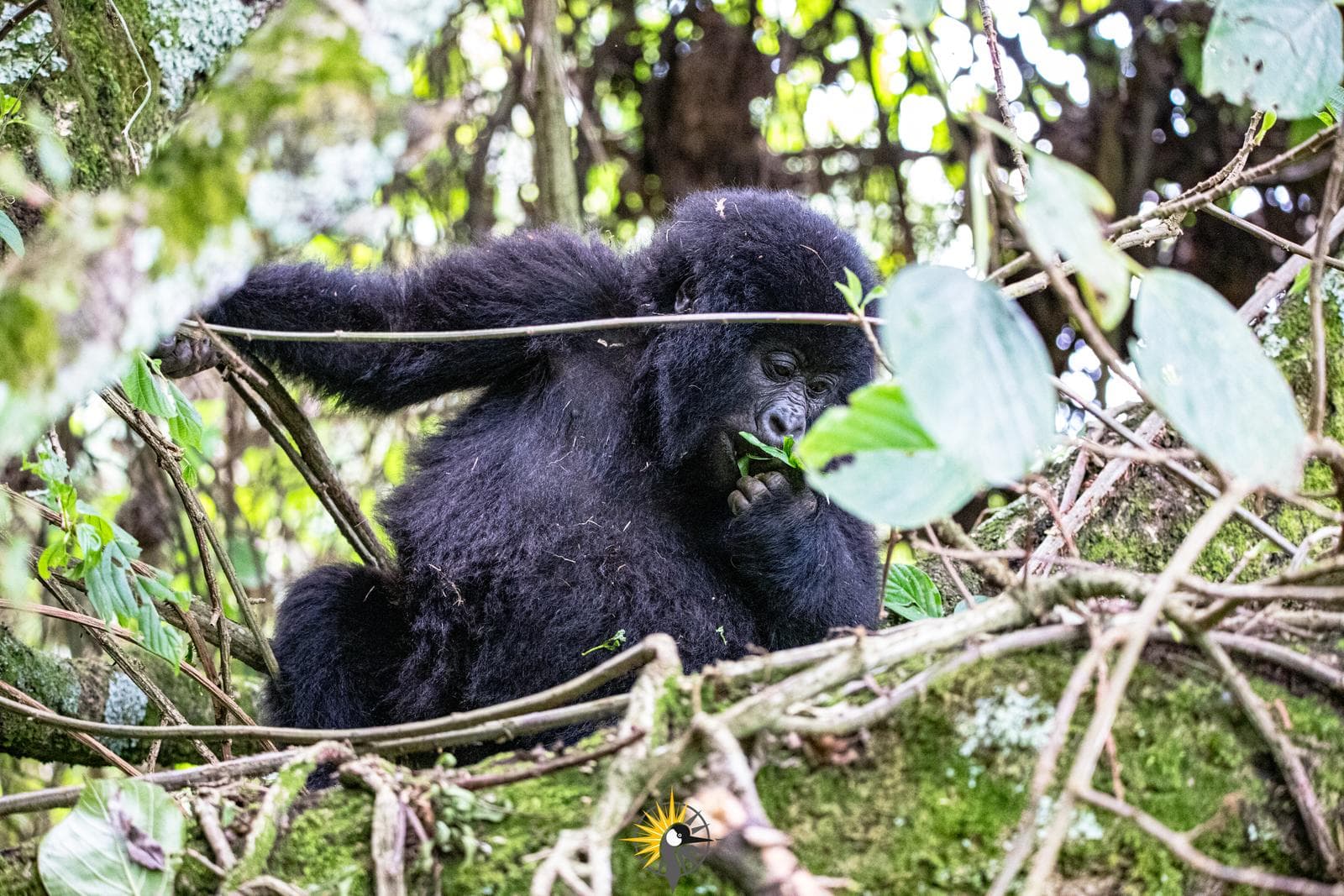
Gorilla trekking vs chimpanzee tracking in Uganda—compare experiences, costs, and best parks to choose the perfect primate safari adventure.
Read more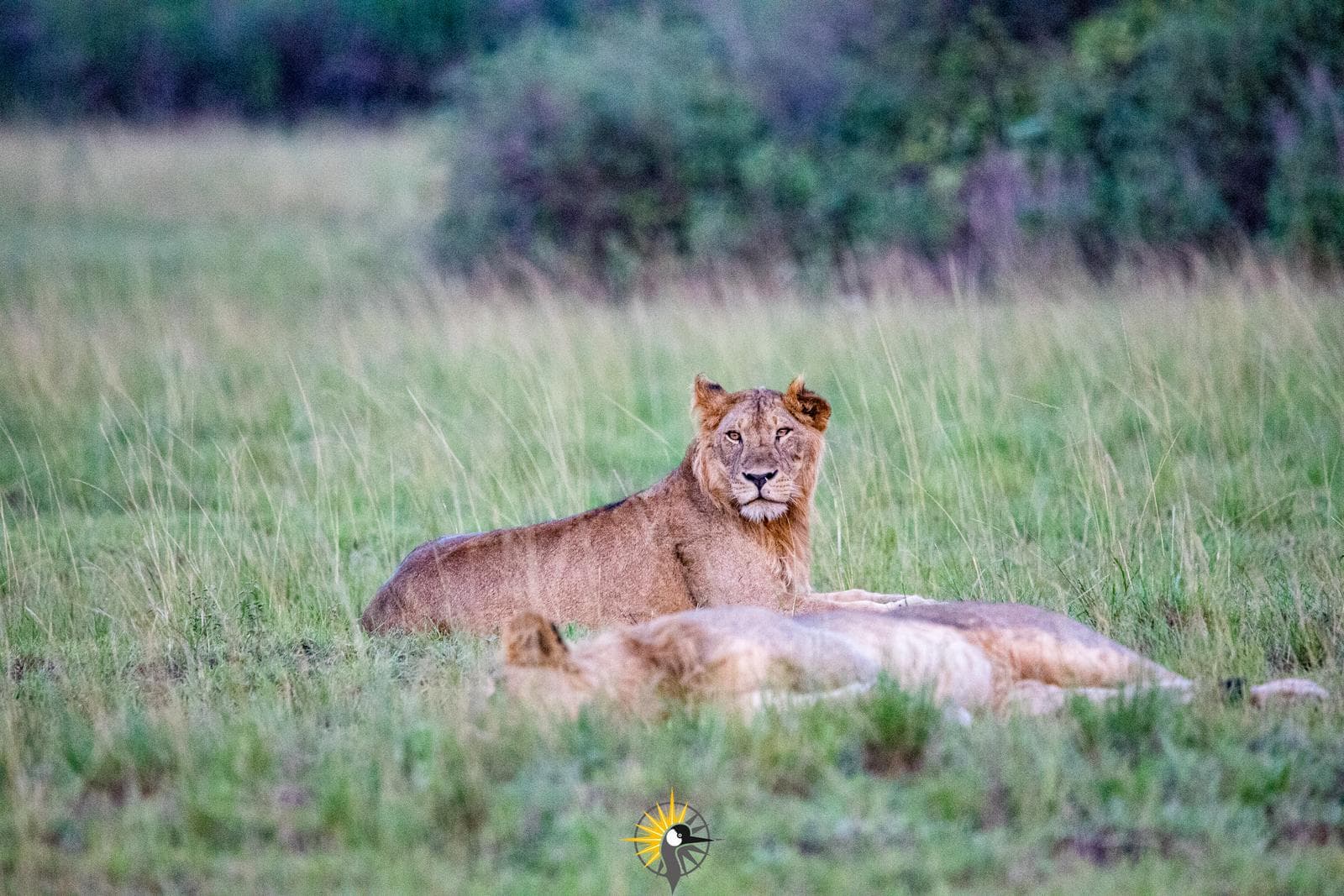
Discover the best time to visit Uganda for wildlife, from gorilla trekking to savannah safaris, with expert seasonal insights from Musana Tours & Travel.
Read more
Subscribe to our newsletter to receive news, updates, free stuff and new releases by email.
© 2021 - 2026 Musana Tours and Travel All Rights Reserved
Developed & Maintained by Kaju Matic