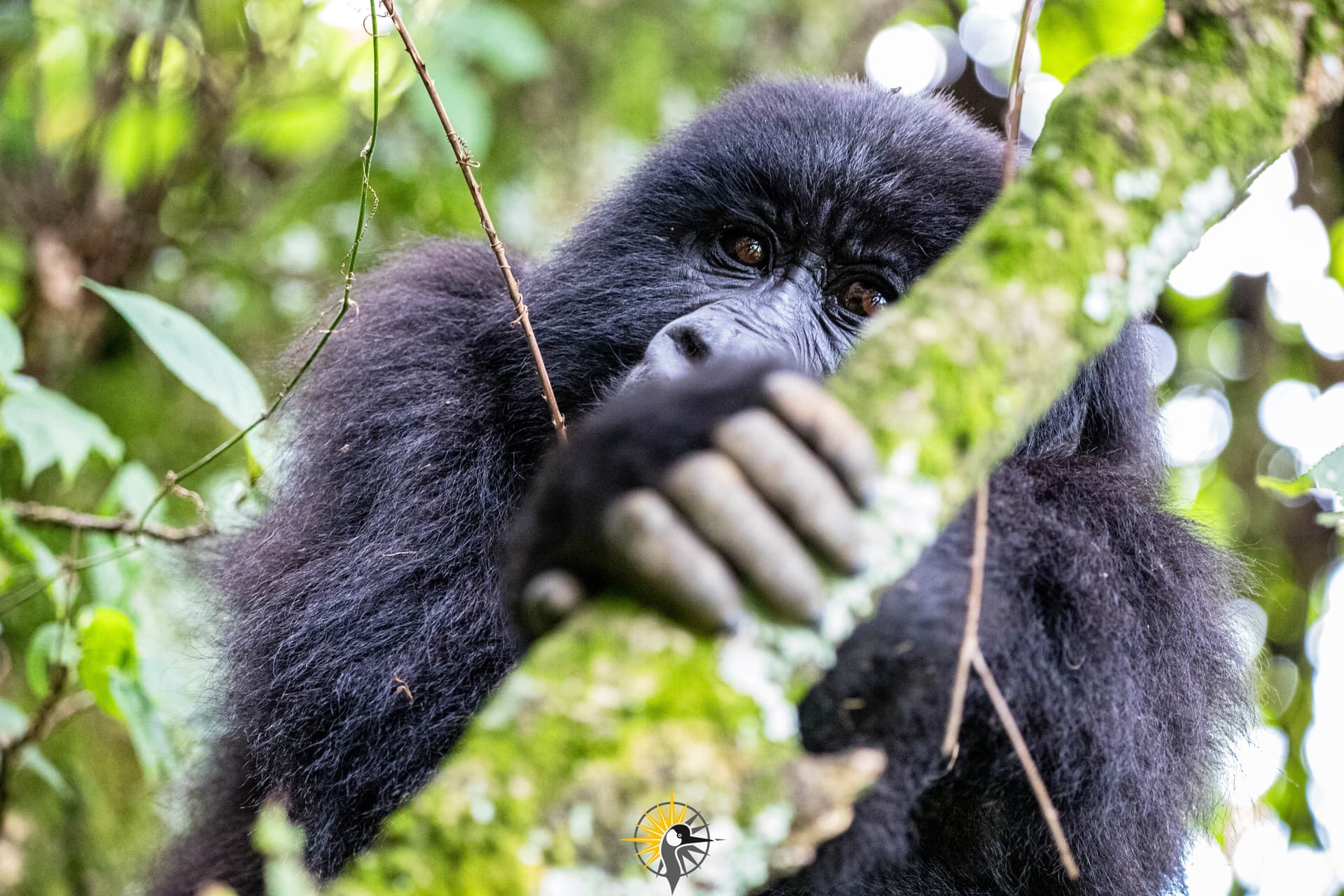
Gorilla trekking in East Africa is one of the most unique and thrilling wildlife experiences in the world. It involves tracking endangered mountain gorillas through dense forests, offering close encounters with these magnificent primates in their natural habitats. Unlike typical safaris, gorilla trekking combines physical activity, conservation awareness, and intimate wildlife observation.
East Africa is home to two main populations of mountain gorillas, found in Uganda, Rwanda, and the Virunga volcanic region shared with the Democratic Republic of Congo. Uganda and Rwanda are the most accessible for travelers seeking organized gorilla trekking experiences.
Why Gorilla Trekking Is Special
Mountain gorillas are highly social, intelligent, and gentle creatures. Trekking allows visitors to observe their complex behaviors—interactions within the group, parenting, grooming, play, and communication. Seeing gorillas in the wild provides a rare window into their daily lives, often at distances of just a few meters.
The experience is not only visually rewarding but emotionally profound. Observing these endangered animals fosters a sense of connection and highlights the importance of conservation efforts.
Top Gorilla Trekking Destinations
Bwindi Impenetrable National Park
Bwindi is arguably the most famous gorilla trekking destination in the world. The park is home to over 400 mountain gorillas distributed across multiple habituated groups. Treks here range from moderate to challenging, depending on the terrain and the location of the gorilla group. Dense forest, steep slopes, and scenic landscapes make each trek an adventure.
Mgahinga Gorilla National Park
This smaller park offers a more remote trekking experience with fewer visitors. Mgahinga is known for the Nteko group and provides treks through bamboo forests and volcanic slopes. The park’s compact size and intimate setting make it ideal for those seeking a less crowded gorilla encounter.
Volcanoes National Park
Rwanda’s Volcanoes National Park is another world-class trekking destination. Habituated gorilla groups like Susa, Amahoro, and Agashya provide memorable encounters. The park’s well-maintained trails, guided treks, and supportive infrastructure make it a popular choice for travelers seeking both adventure and comfort.
What to Expect During a Gorilla Trek
Gorilla trekking is physically demanding but highly rewarding. Treks typically begin early in the morning, guided by trained rangers who lead visitors to the gorilla groups. Trails wind through dense forests, steep hills, and sometimes muddy terrain, making proper footwear and fitness essential.
Once a gorilla group is located, visitors may spend up to 1 hour in their presence. This time is structured to minimize disturbance while maximizing opportunities for observation. Photography is permitted, and guides provide insights into gorilla behavior, ecology, and conservation.
Wildlife and Nature Along the Trails
While gorillas are the main attraction, the forests themselves are alive with other wildlife. Monkeys, birds, butterflies, and unique plant species enrich the trekking experience. The trails often pass through bamboo forests, giant ferns, and misty montane habitats that support diverse flora and fauna.
The natural scenery, combined with the anticipation of encountering gorillas, makes the trek a multi-sensory adventure.
Best Time for Gorilla Trekking
Gorilla trekking can be done year-round, but dry seasons are preferred for easier trekking and safer trail conditions. In Uganda and Rwanda, the best periods are from June to September and December to February. Rainy seasons can make trails slippery and physically challenging, but offer lush scenery and fewer crowds.
Conservation and Community Impact
Gorilla trekking directly supports conservation efforts. Tourism revenue contributes to the protection of gorilla habitats, anti-poaching initiatives, and local community development. By visiting these parks, travelers help sustain both wildlife and the livelihoods of local communities.
Additionally, trekking encourages awareness and education about endangered species, making it an ethically rewarding travel activity.
Tips for a Successful Gorilla Trek
- Physical Preparation: Be ready for steep and muddy trails; moderate fitness is required.
- Gear: Wear sturdy hiking boots, carry water, rain gear, insect repellent, and a camera.
- Respect Rules: Maintain a safe distance, avoid touching gorillas, and follow guide instructions.
- Book Early: Gorilla permits are limited and should be reserved well in advance.
Why Gorilla Trekking Should Be on Your Bucket List
Gorilla trekking is more than a wildlife encounter; it is a life-changing experience. Being in the presence of one of the world’s most endangered species, observing their intelligence and social behaviors, creates memories that last a lifetime.
For travelers visiting East Africa, gorilla trekking complements safaris, hiking, and other activities, offering a holistic exploration of the region’s natural and cultural wonders.
Conclusion
Gorilla trekking in East Africa is a premier adventure for wildlife enthusiasts and conservation-minded travelers. From the lush forests of Bwindi Impenetrable National Park to the volcanic slopes of Volcanoes National Park, each trek offers an intimate, unforgettable encounter with these majestic primates.
For anyone seeking a rare and profound wildlife experience, gorilla trekking is truly a once-in-a-lifetime journey.
0 FAQs about Gorilla trekking
Have any inquiries?
Related experiences
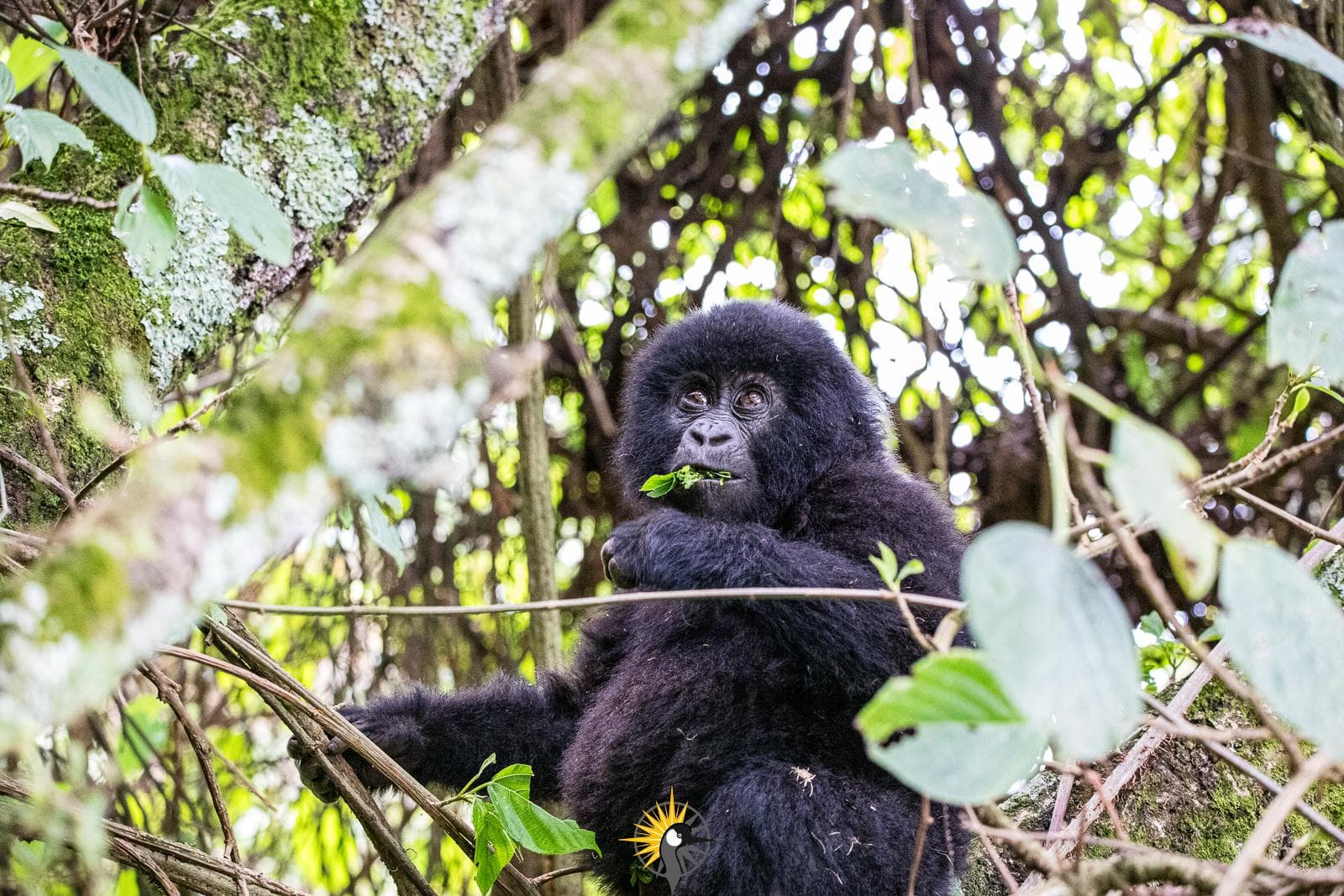
Gorilla Tracking Experience in Mgahinga Gorilla National Park
Track the elusive Nyakagezi gorilla family in Mgahinga National Park. Book your Uganda gorilla safari in this serene, less-crowded alternative to Bwindi
Read more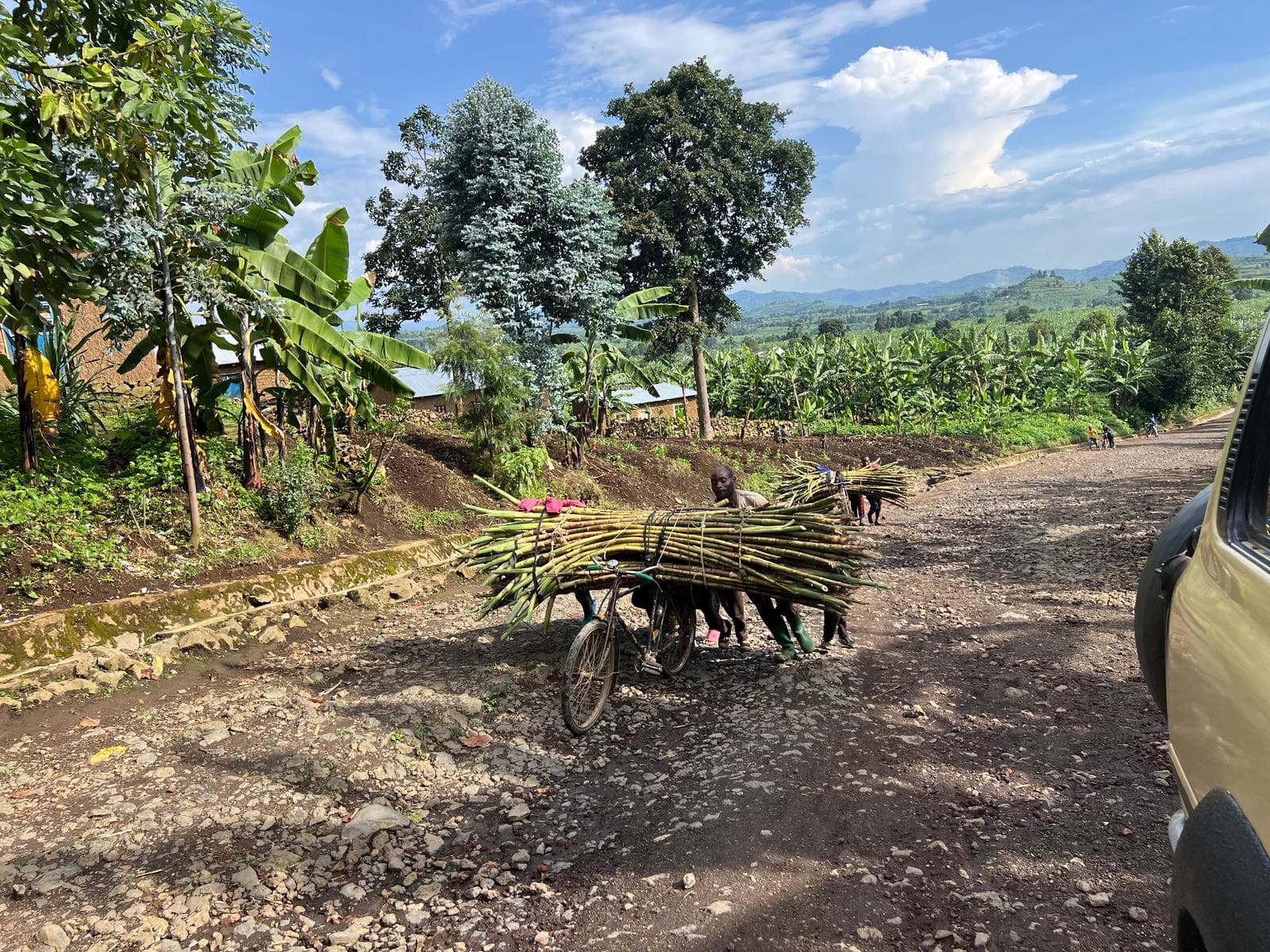
Driving from Volcanoes National Park to Lake Kivu
Experience the scenic drive from Volcanoes National Park to Lake Kivu in Rwanda. Discover breathtaking mountain views, lush hills, and lakeside serenity on this unforgettable journey.
Read more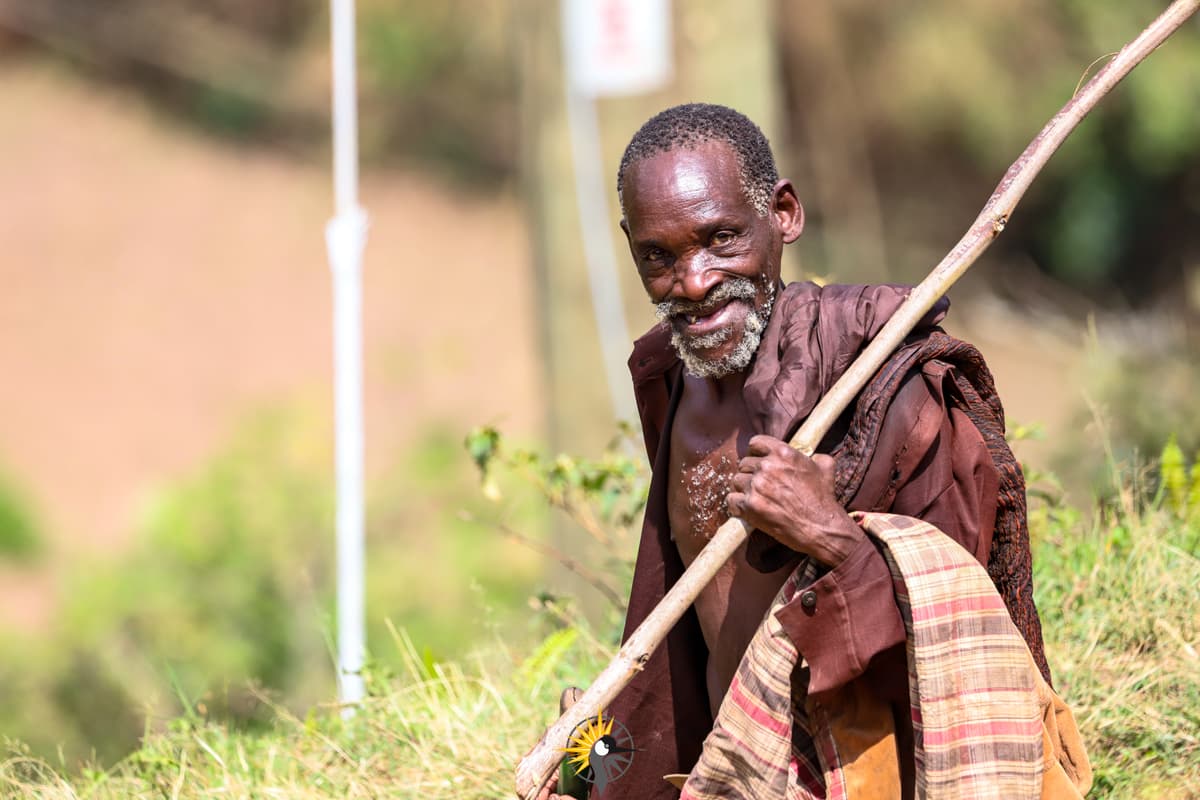
Gorilla trekking Safaris
View moreNews and Updates
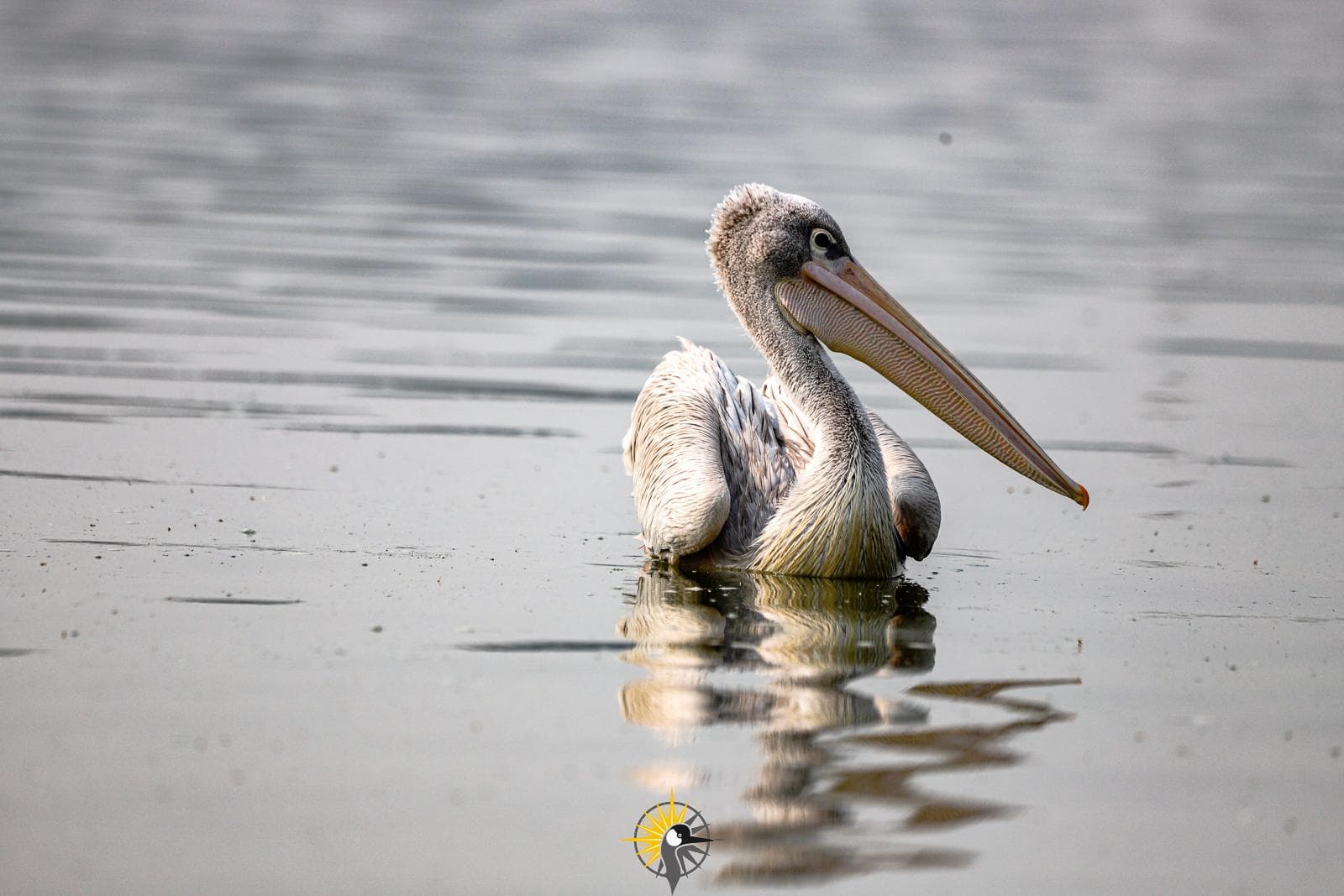
Birding in Queen Elizabeth National Park, A 7-Day Adventure with Musana Tours & Travel
Discover birding in Queen Elizabeth National Park on a 7-day guided safari. Spot shoebills, pelicans & raptors with Musana Tours & Travel.
Read more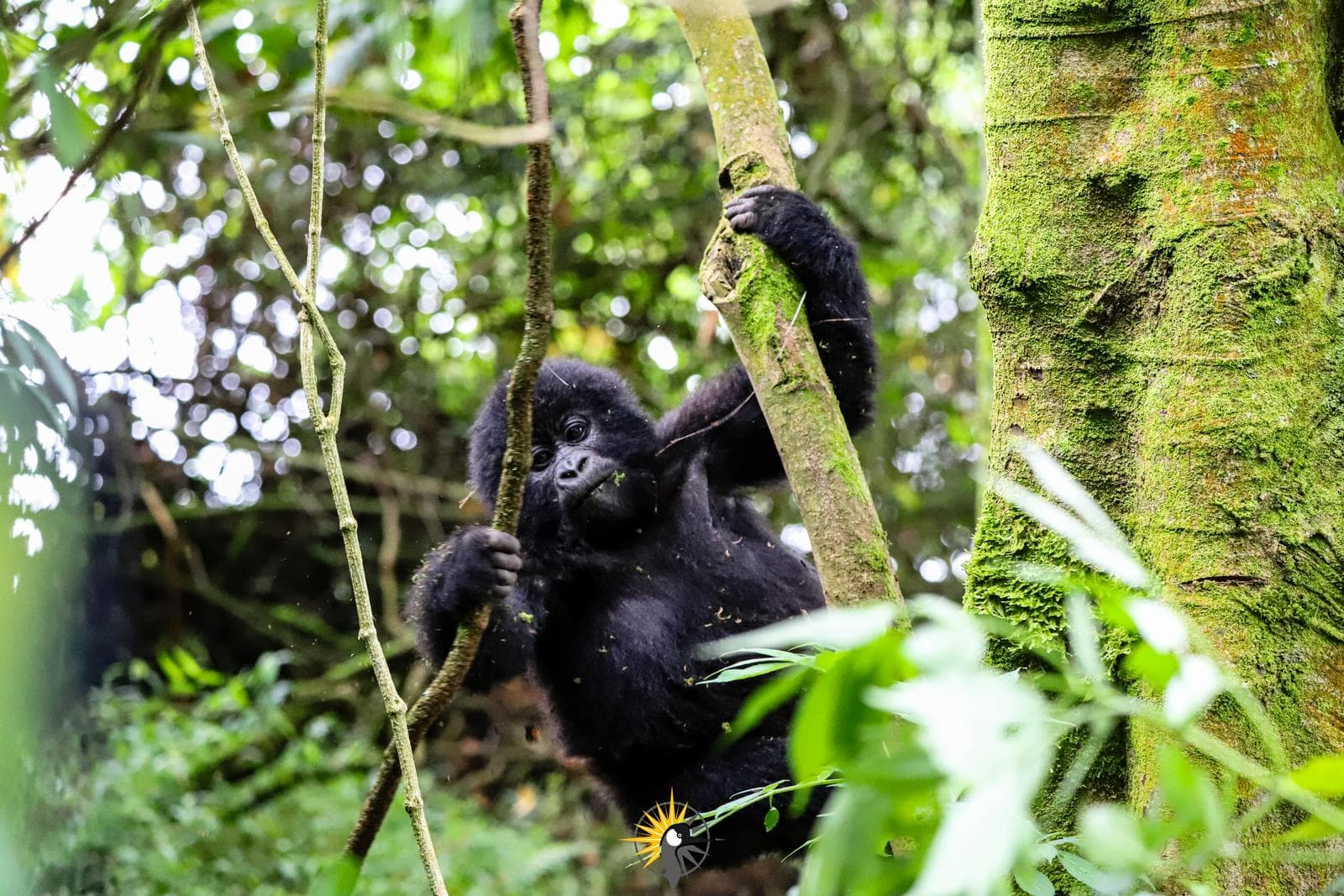
Gorilla trekking vs chimpanzee tracking, which should you choose?
Gorilla trekking vs chimpanzee tracking in Uganda—compare experiences, costs, and best parks to choose the perfect primate safari adventure.
Read more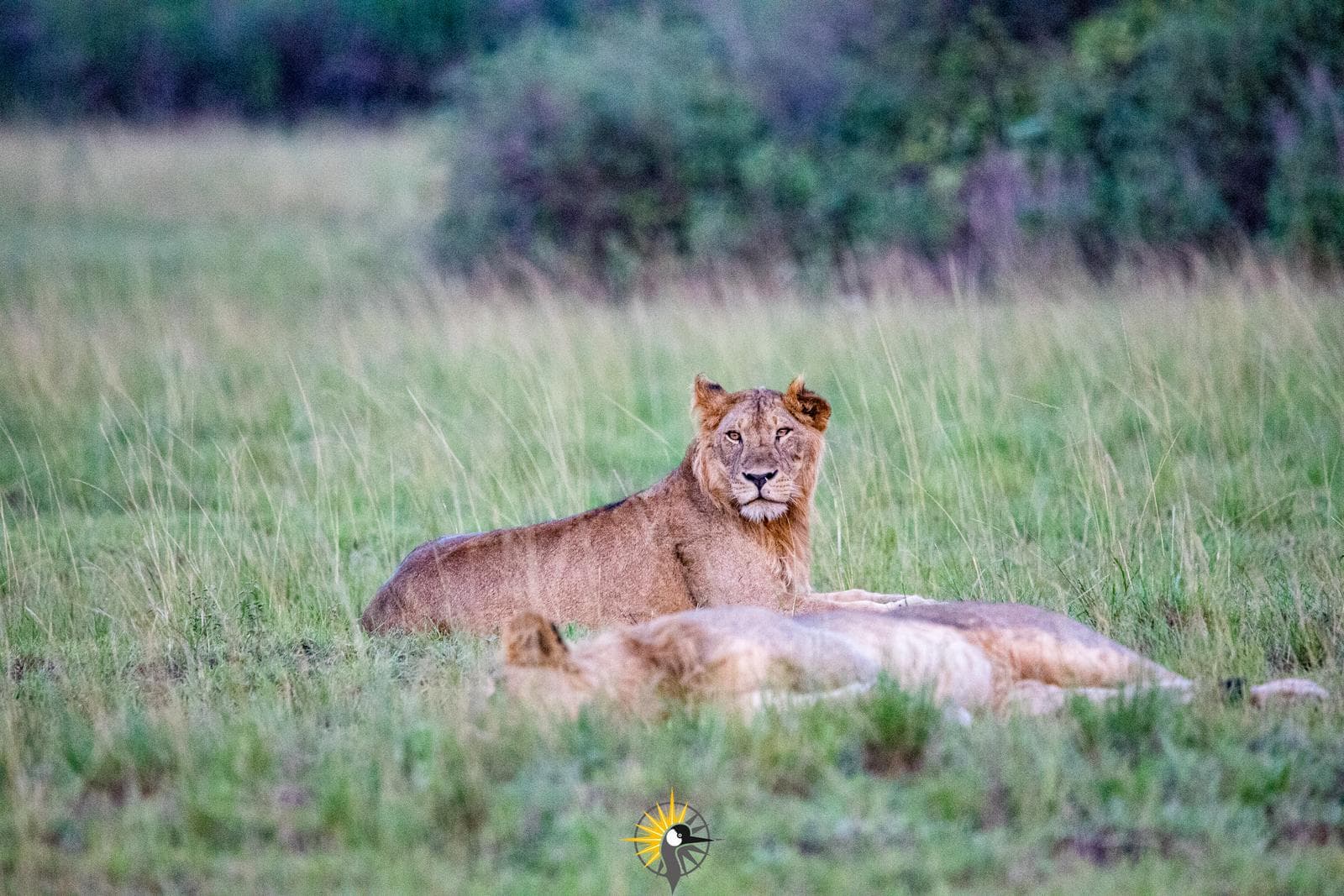
Best time to visit Uganda for wildlife
Discover the best time to visit Uganda for wildlife, from gorilla trekking to savannah safaris, with expert seasonal insights from Musana Tours & Travel.
Read more