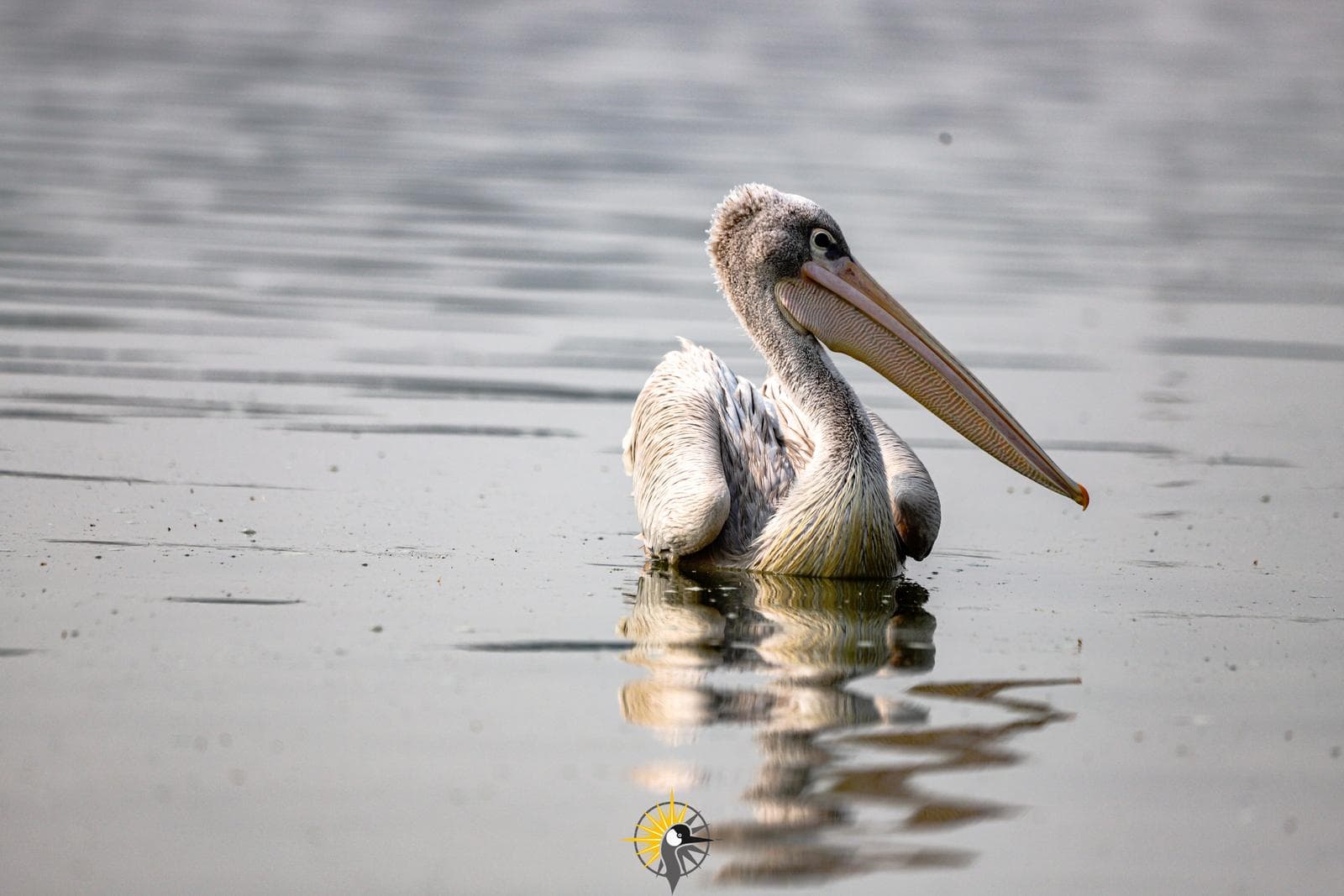
Spot billed pelican
The serene wetlands of East Africa host an array of iconic waterbirds, among which the Spot-billed Pelican (Pelecanus philippensis) stands out as one of the most striking. This majestic bird, with its speckled bill and expansive wings, glides effortlessly across lakes and rivers, epitomising the beauty and ecological richness of the region. For international birders planning their East African expeditions, encountering this species is a testament to the continent’s unrivalled avian diversity.
Description and Identification
The Spot-billed Pelican is a medium-sized pelican, slightly smaller than the Great White Pelican. Adults measure about 125–152 cm (49–60 inches) in length, with a wingspan ranging from 213–250 cm (7–8.2 feet) and an average weight of 4–6 kg (8.8–13.2 lbs).
Key identification features include:
· Bill: Greyish with distinct dark spots on the upper mandible, ending in a yellowish tip.
· Pouch: Pinkish to grey, lacking the bright colours of other pelicans.
· Plumage: Pale greyish-white overall with a curly nape crest, brownish hindneck, and darker flight feathers.
· Eyes: Whitish iris giving a wise, intense expression.
In flight, Spot-billed Pelicans display broad wings with black-tipped primaries and secondaries, forming an elegant silhouette against East Africa’s golden dawn skies.
Habitat and Distribution in East Africa
Although historically widespread across Asia, the Spot-billed Pelican maintains important populations in East Africa, particularly within:
· Uganda: Lake Victoria wetlands, Mabamba Swamp, Murchison Falls National Park, and Kazinga Channel.
· Kenya: Lake Turkana, Lake Victoria shores, and Yala Swamp.
· Tanzania: Lake Victoria basin, especially Mwanza Gulf and Speke Gulf regions.
· Rwanda: Akagera wetlands, though sightings here are less common compared to Uganda and Kenya.
They prefer large freshwater lakes, rivers, floodplains, and swamps, where fish are abundant and human disturbance is minimal. The presence of tall trees near water bodies is vital for nesting colonies.
Behaviour and Ecology
Feeding Habits
Spot-billed Pelicans are piscivorous specialists, consuming up to 1–1.5 kg (2.2–3.3 lbs) of fish daily. Their hunting strategy is a graceful spectacle: they dip their long bills underwater while swimming, scooping up fish and draining excess water before swallowing.
Unlike Great White Pelicans that often fish cooperatively, Spot-billed Pelicans typically forage individually or in loose groups, making their feeding behaviour distinct and easy to observe during birding excursions.
Breeding and Nesting
Breeding usually coincides with the dry season, when water levels recede, exposing feeding grounds. Key aspects include:
· Nesting Sites: Tall trees near water or occasionally low bushes if trees are scarce.
· Nest Structure: Large platform nests built with sticks and lined with leaves.
· Clutch Size: Typically 2–4 chalky white eggs.
· Incubation and Rearing: Both parents incubate for around 30–33 days, feeding chicks by regurgitating partially digested fish.
Colonies can be noisy, with guttural calls and bill clattering as pairs reaffirm bonds or defend nest territories.
Flight and Movement
In flight, Spot-billed Pelicans soar with slow, powerful wingbeats interspersed with graceful glides. They often form V-shaped flocks or linear formations, particularly when commuting between roosting and feeding sites, creating breathtaking spectacles for visiting birders and photographers.
Conservation Status
The Spot-billed Pelican is currently listed as Near Threatened on the IUCN Red List due to:
· Wetland habitat loss from encroachment, pollution, and land reclamation.
· Disturbance at breeding colonies leading to nest abandonment.
· Declining fish stocks affecting food availability.
In East Africa, however, their populations remain relatively stable where wetlands are protected. For instance, Uganda’s Murchison Falls National Park and Kenya’s Lake Turkana basin continue to support robust populations.
Cultural and Ecological Significance
Pelicans feature in various African cultures as symbols of abundance and sacrifice, owing to their feeding behaviour that appears generous towards chicks. Ecologically, they are crucial indicators of wetland health, as they signify adequate fish stocks and water quality in the habitats they frequent.
Birdwatching Tips for International Birders
To maximise your chances of observing and photographing the Spot-billed Pelican:
· Best Season: Dry season (December–February and June–August) when water levels are lower and birds congregate in exposed feeding areas.
· Recommended Sites:
· Mabamba Swamp (Uganda): Combine pelican sightings with Shoebill searches.
· Kazinga Channel, Queen Elizabeth National Park (Uganda): Frequent sightings along boat cruises.
· Lake Turkana (Kenya): Observe alongside flamingos and Great White Pelicans.
· Mwanza Gulf (Tanzania): Ideal for mixed waterbird flocks.
· Photography Tips:
· Use telephoto lenses (400 mm or longer) for close portraits without disturbing the birds.
· Early morning and late afternoon provide the best lighting and activity levels.
· Responsible Birding:
· Avoid approaching breeding colonies too closely.
· Maintain silent observation to prevent flushing birds.
Conclusion
The Spot-billed Pelican is a magnificent resident of East Africa’s wetlands, embodying both ecological importance and visual grandeur. For international birders, witnessing this species’ elegant fishing, colonial nesting, and soaring flocks is an unforgettable highlight of any East African birding adventure.
As you plan your next expedition to the region’s pristine lakes and swamps, keep an eye out for this remarkable pelican – a true emblem of East Africa’s vibrant aquatic ecosystems.
Related Birds
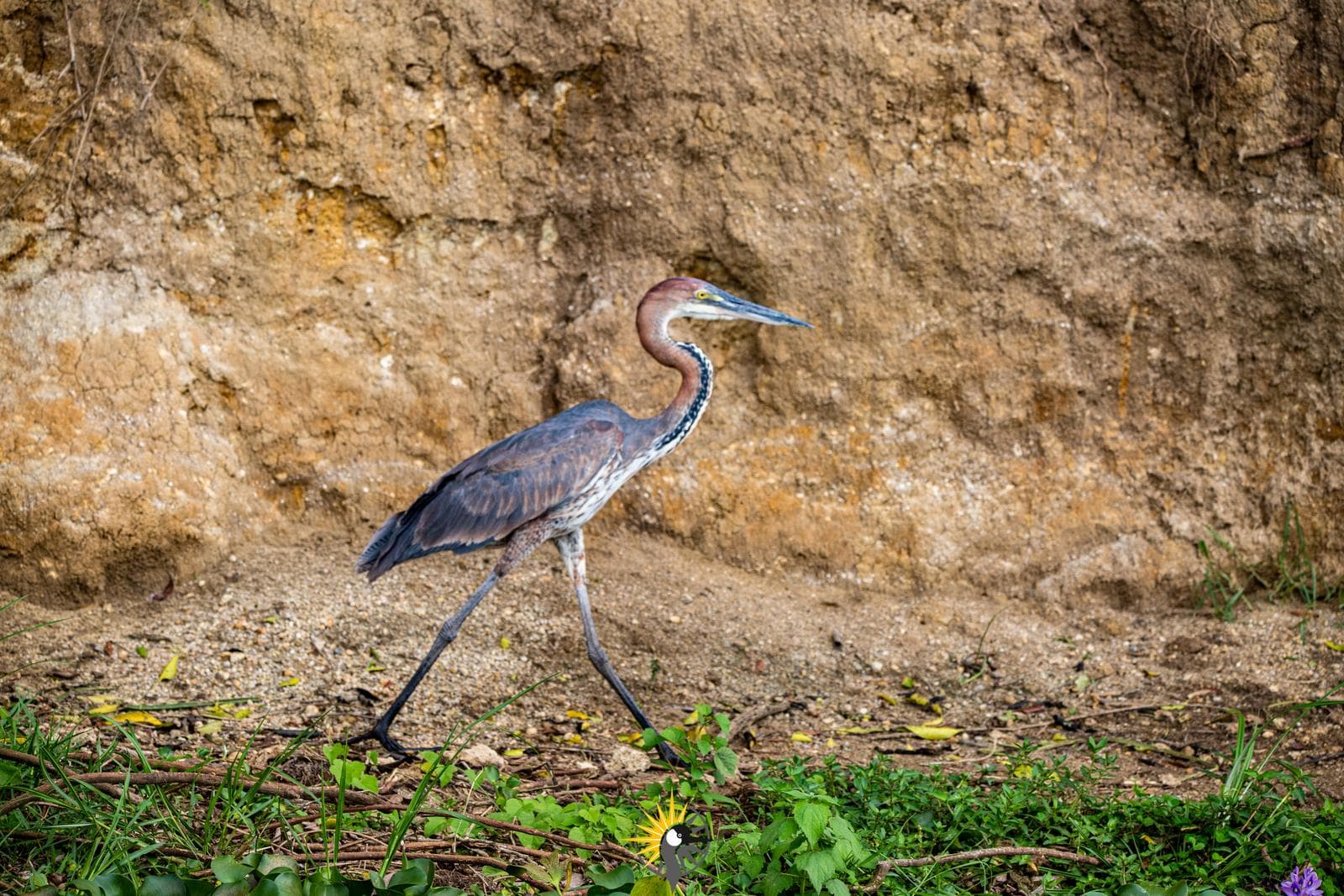
Goliath Heron
Explore the Goliath Heron, East Africa’s largest and most majestic wetland bird. Explore its habitat, hunting behavior, and the best bird-watching locations in Uganda, Kenya, and Tanzania.
View bird
The Abyssinian Ground Hornbill
For birdwatchers and safari-goers, spotting an Abyssinian Ground Hornbill in the wild is a thrilling experience that adds depth to any wildlife adventure in East Africa.
View bird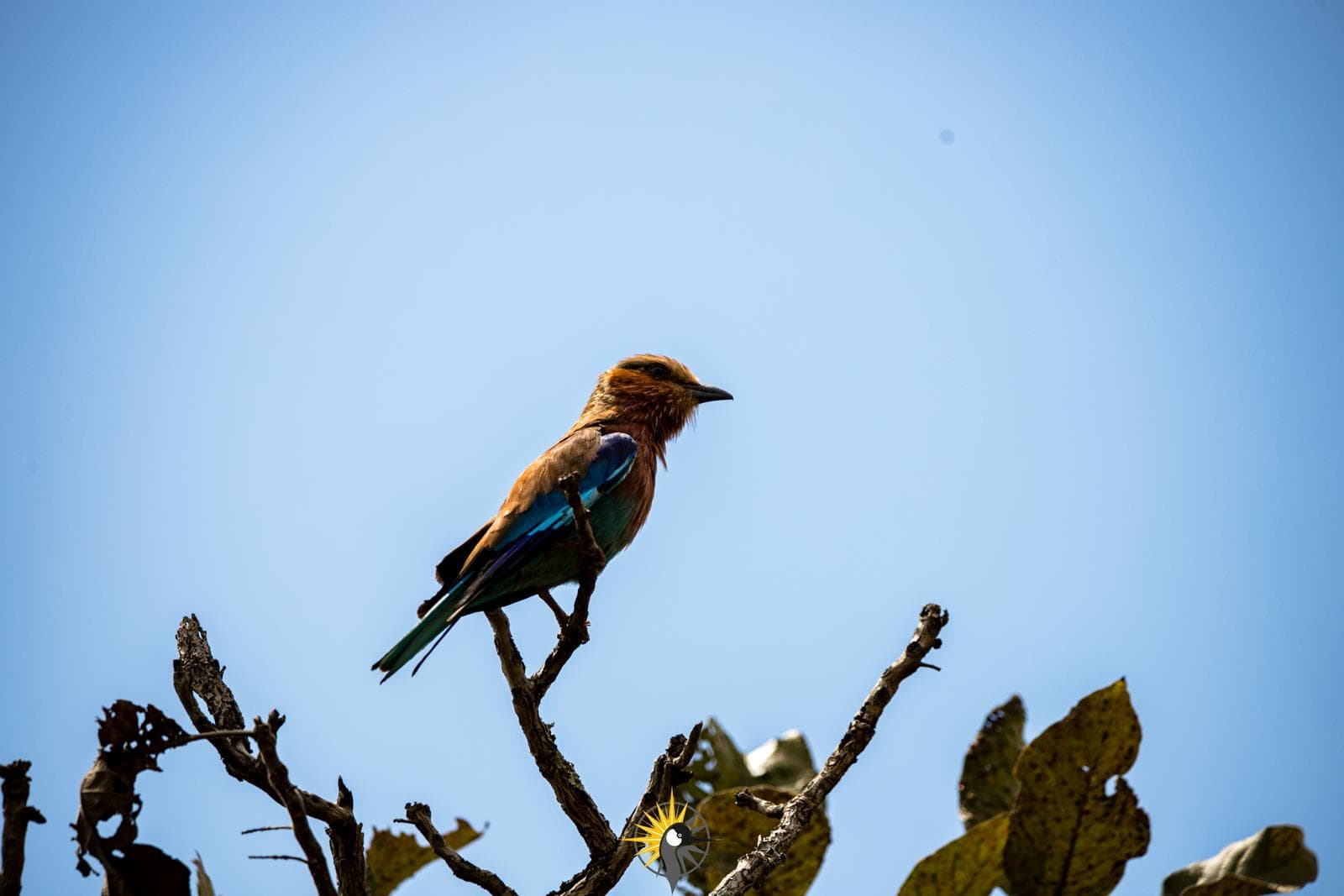
Lilac Breasted Roller
See the iconic Lilac-Breasted Roller on birding safaris in Kenya, Tanzania, Uganda & Rwanda. Expert-guided tours for USA, UK & Europe.
View birdEast Africa Safari Packages in Uganda, Rwanda, Kenya, Tanzania & DRC
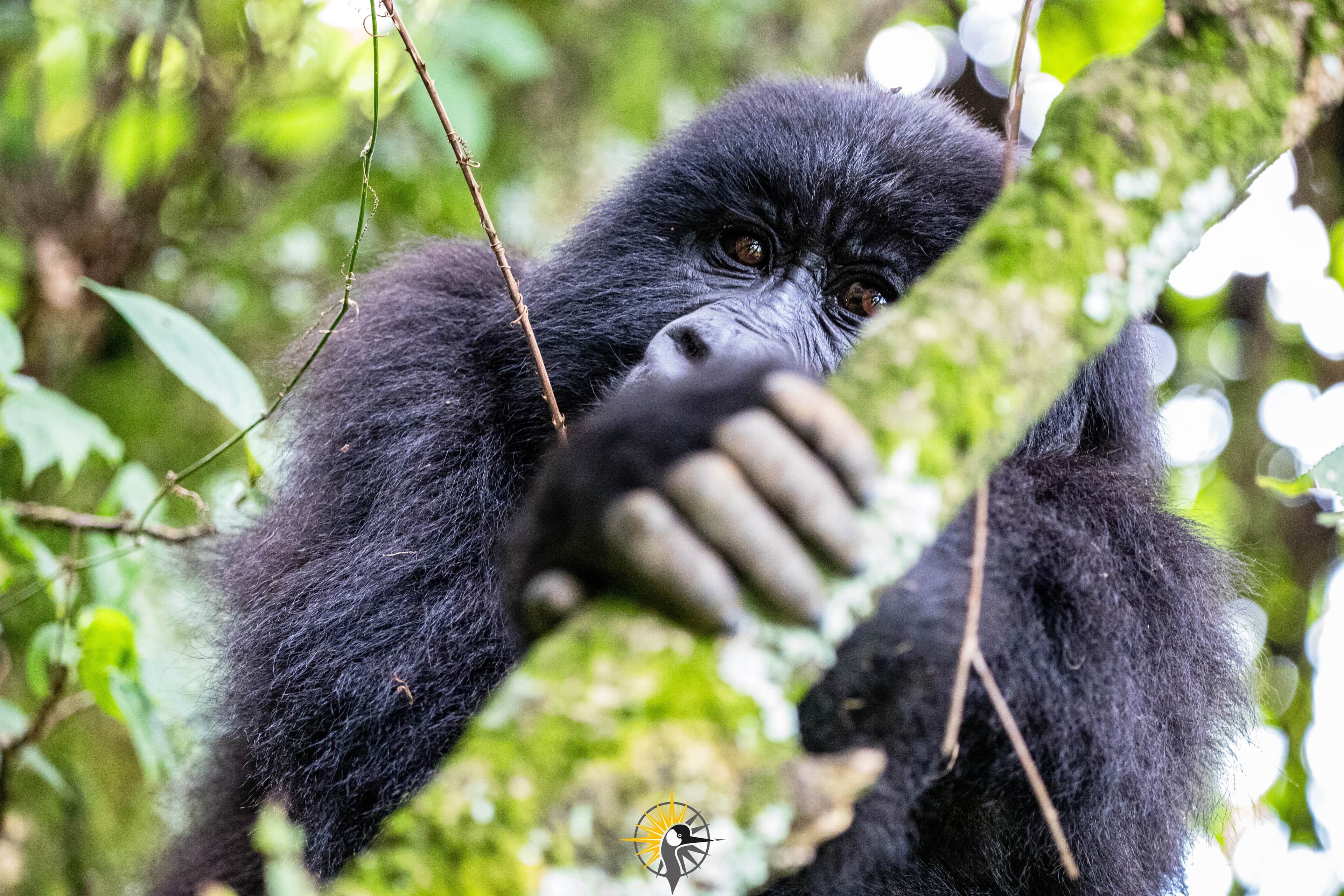
2 Days Gorilla trekking in Uganda

3 Days Uganda mid range tour
12 Days Uganda Wildlife Safari and Rwanda with Lake Kivu
News and Updates
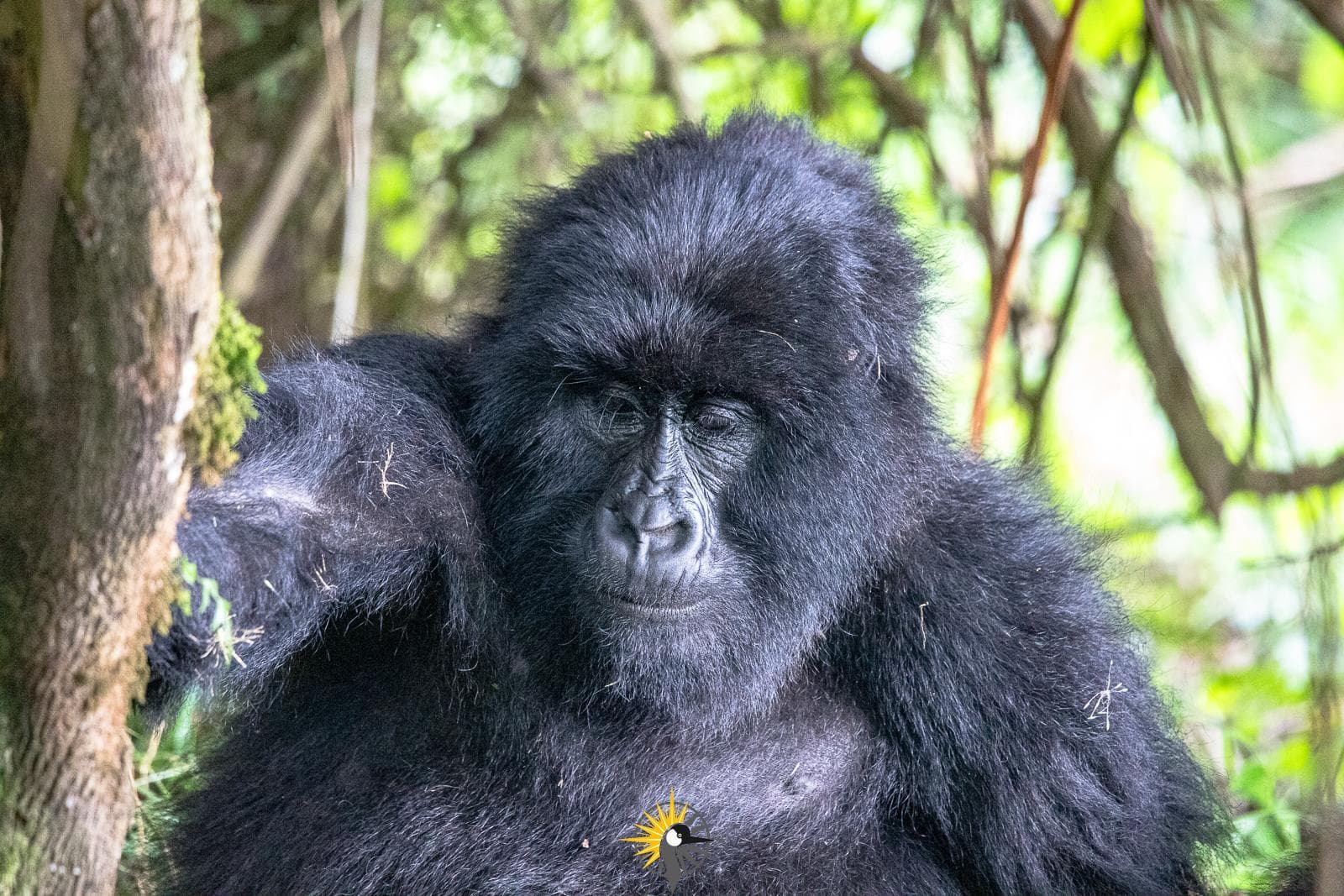
Budget lodges in Bwindi Impenetrable Forest National Park
Below is our list of selected low-budget and some mid-range hotels and restaurants from as low as $20.
Read more
Bakiga
The Bakiga are a diverse tribe that inhabit districts of Rubanda, Kabale, Rukiga, Kanungu and parts of Rukungiri and Ntungamo districts, which makes the original kigezi region.
Read more
Is it safe for LGBT to visit Uganda
Despite some negative press, Uganda is a safe country for gay and lesbian travelers. However, Uganda is a conservative country and we recommend discretion this applies to people who intend to reside in the country for quite a long time.
Read more