Goliath Heron
In the calm, reflective waters of East Africa's wetlands, a towering silhouette often stands still as a statue—silent, powerful, and majestic. This is the Goliath Heron (Ardea goliath), the world’s largest heron and one of the most commanding birds you’re likely to encounter on an East African birding expedition. For international birders, seeing this giant wader in its natural habitat is a breathtaking moment and a highlight of any wetland safari.
A Giant among herons
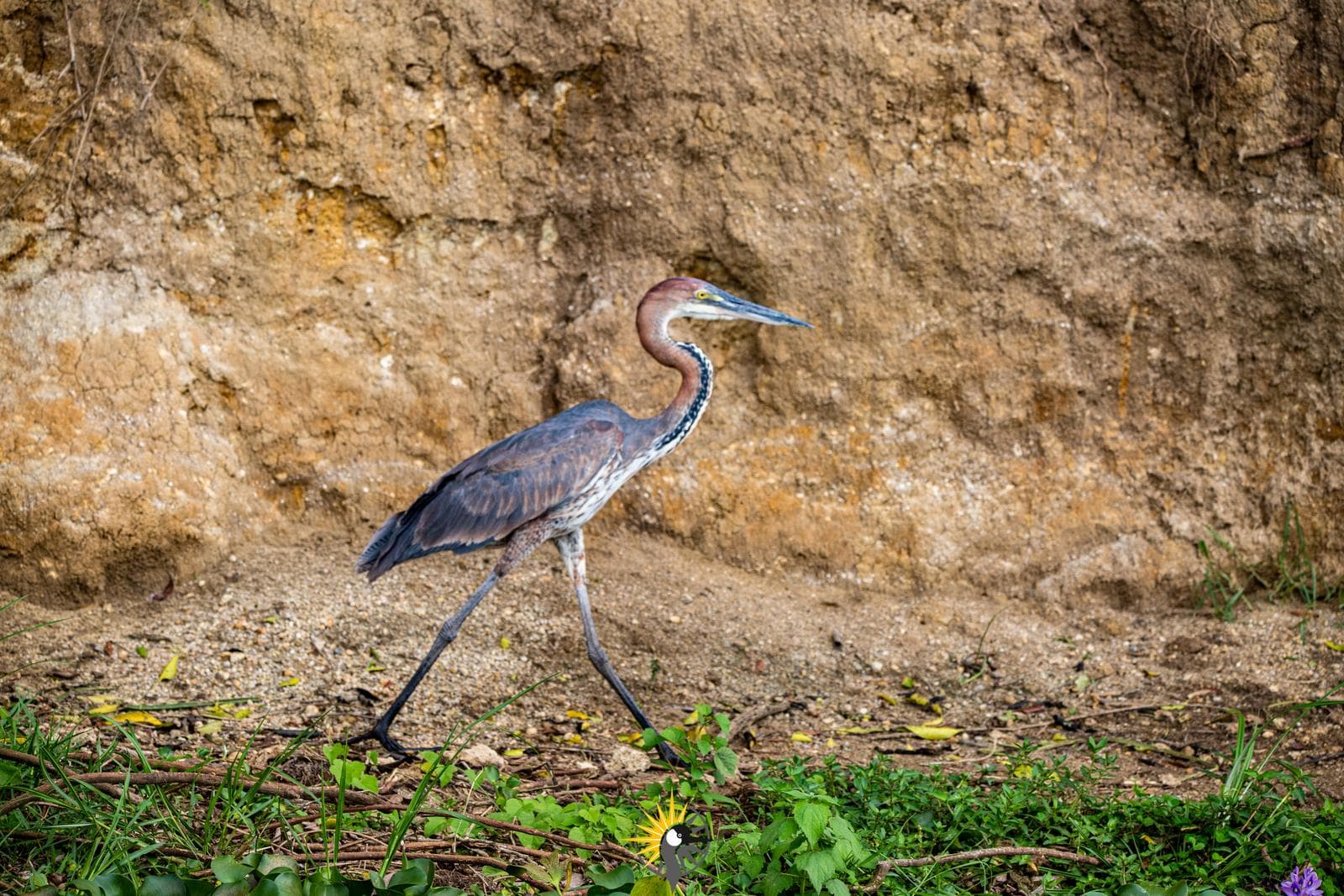
The Goliath Heron lives up to its name. Standing as tall as 1.5 meters (nearly 5 feet), with a wingspan stretching over 2.3 meters, it’s a true giant among birds. Its deep chestnut head and neck contrast elegantly with slate-grey upperparts, while a long, streaked foreneck gives it a regal appearance. Its massive, dagger-shaped bill is ideally suited to spearing large fish, and its yellow eyes give it an intense, almost prehistoric stare.
In flight, the Goliath Heron moves slowly and deliberately, with powerful wingbeats and trailing legs that seem to glide through the air. It’s not just its size that captures attention—it’s the elegance with which it moves through both water and sky.
Habitat and range across East Africa
Although found throughout sub-Saharan Africa and parts of Asia, the Goliath Heron has a robust presence in East Africa. It thrives in large, undisturbed wetlands—such as lakes, rivers, swamps, and estuaries—where deep water and abundant fish create ideal feeding grounds.
In Uganda, it is commonly seen along the Nile River in Murchison Falls National Park and the Kazinga Channel in Queen Elizabeth National Park. Kenya offers reliable sightings around Lake Baringo, Yala Swamp, and Lake Turkana. In Tanzania, the bird can be found along the Rufiji River in the Selous Game Reserve. These areas provide the solitude and food supply the Goliath Heron needs to thrive.
Its preferred habitats are quiet, often remote areas with minimal human disturbance. You’re most likely to find them standing motionless at the edge of a river or wading slowly through shallow water, eyes focused and poised to strike.
Feeding and hunting behavior
Unlike many of its relatives that feed in groups or exhibit more active foraging, the Goliath Heron is a patient and solitary hunter. It feeds almost exclusively on large fish—sometimes up to 50 centimeters in length and weighing over a kilogram. Tilapia and catfish are common prey.
The heron typically hunts by standing still in shallow water or moving with deliberate slowness, waiting for the perfect moment to thrust its bill into the water. The force and precision of its strike are impressive, often capturing fish too large for other herons to handle. Once caught, the prey is tossed and manipulated with surprising finesse before being swallowed whole.
This solitary hunting style, paired with its size, makes the Goliath Heron a spectacular subject for wildlife photographers and birdwatchers.
Calls and communication
Despite its quiet demeanor, the Goliath Heron does make itself heard. It produces deep, booming vocalizations—low “huh-huh-huh” grunts or a resonant “kowoork” call, especially during flight or when disturbed. These calls often carry across water in the early morning hours, contributing to the mystical atmosphere of East Africa’s wetlands.
Breeding and besting
The breeding behavior of the Goliath Heron is as fascinating as its hunting style. It tends to breed during the dry season, when water levels are low, and food is abundant. Unlike some herons that nest in large colonies, the Goliath Heron often nests alone or in small, scattered groups.
Nests are large platforms of sticks, usually built high in trees near water or occasionally on reed beds and isolated islands. Both males and females contribute to nest building and care for the eggs and chicks. The clutch typically contains between two to five eggs, which are pale blue and incubated for about a month.
Once hatched, the chicks grow slowly, fledging after 75 to 85 days—the most prolonged development period of any heron species. This slow growth may contribute to the species’ vulnerability in the face of disturbance or habitat loss.
A bird of conservation interest
Though currently listed as Least Concern on the IUCN Red List, the Goliath Heron faces threats across parts of its range. Wetland degradation through drainage, pollution, deforestation, and agricultural expansion reduces available habitat. Overfishing and human disturbance near nesting and feeding sites further stress local populations.
In East Africa, however, the species remains relatively secure, especially within protected areas such as Murchison Falls, Queen Elizabeth National Park, and the Selous Game Reserve. These safe havens are vital not just for the Goliath Heron but for the countless other species that depend on healthy, functioning wetland ecosystems.
Cultural and ecological role
Although not as prominent in folklore as some other birds, the Goliath Heron’s size and solitary nature have earned it quiet reverence. It serves as a keystone indicator species—its presence signaling healthy fish populations and undisturbed aquatic ecosystems.
Its role in controlling fish populations helps maintain ecological balance, making it an essential contributor to the integrity of its habitat.
Where and how to spot one
Birders planning a safari to East Africa should make time to visit wetland areas and riverbanks during the dry season, when bird activity is at its peak and access is easier. Early morning and late afternoon are the best times to find Goliath Herons in action—hunting or flying to roosts.
Boat safaris are particularly effective. In Uganda, boat trips along the Nile, such as those in Murchison Falls or the Kazinga Channel, often provide close-up views. In Kenya, Lake Baringo’s calm waters offer excellent vantage points, while Tanzania’s Selous region provides sightings along the Rufiji River.
Photographers should bring a long telephoto lens (400mm or more) and a tripod or monopod for stability. Patience pays off, as capturing the heron mid-strike or in flight yields stunning, dramatic images.
Distinguishing it from other herons
First-time African birders often compare the Goliath Heron to more common species, such as the Grey Heron. While both are tall waders with similar shapes, the differences are apparent on closer inspection. The Goliath Heron is significantly larger, with a deeper, chestnut-colored head and neck, and a more massive bill. Its slow, deliberate hunting style also contrasts with the more active Grey Heron.
Recognizing these differences not only enhances species identification skills but also adds depth to your overall birding experience in East Africa.
Conclusion
The Goliath Heron is not just the largest heron in the world—it is one of East Africa’s most compelling birding subjects. Its sheer presence, elegant movement, and solitary habits make it a symbol of the untouched wild places it inhabits. Whether you’re birdwatching along Uganda’s Nile, exploring Kenya’s wetlands, or gliding through Tanzania’s river systems, a sighting of the Goliath Heron is sure to stay with you long after the trip ends.
For birders making the journey to East Africa, the towering silhouette of this great heron is a must-see—and a valid reward for those who seek the secrets of the continent’s rich and life-giving waters.
Related Birds
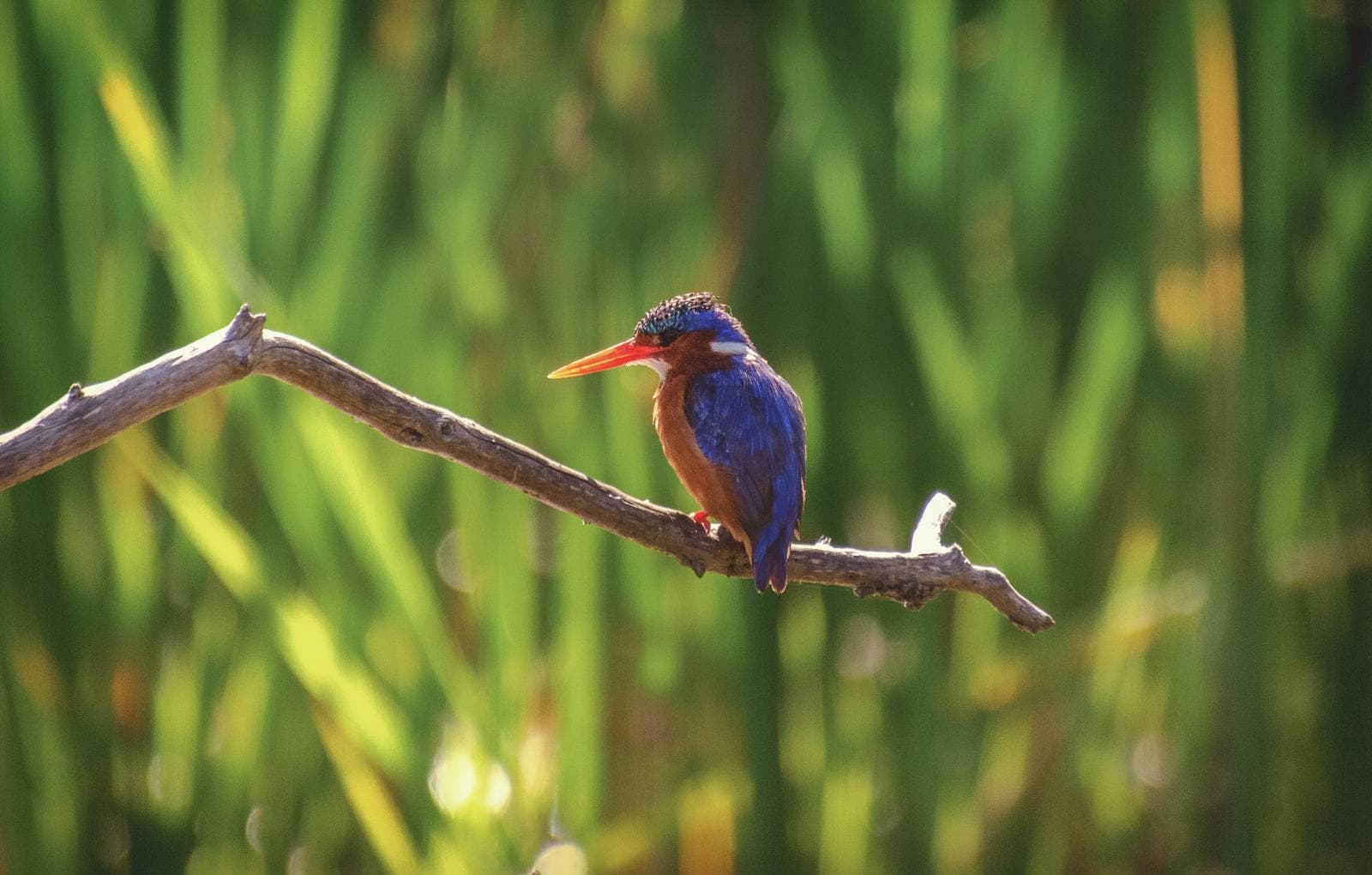
Malachite Kingfisher
See the dazzling Malachite Kingfisher on birding safaris in Uganda, Rwanda, Kenya & Tanzania. Expert-guided tours for USA, UK & Europe.
View bird
The Abyssinian Ground Hornbill
For birdwatchers and safari-goers, spotting an Abyssinian Ground Hornbill in the wild is a thrilling experience that adds depth to any wildlife adventure in East Africa.
View bird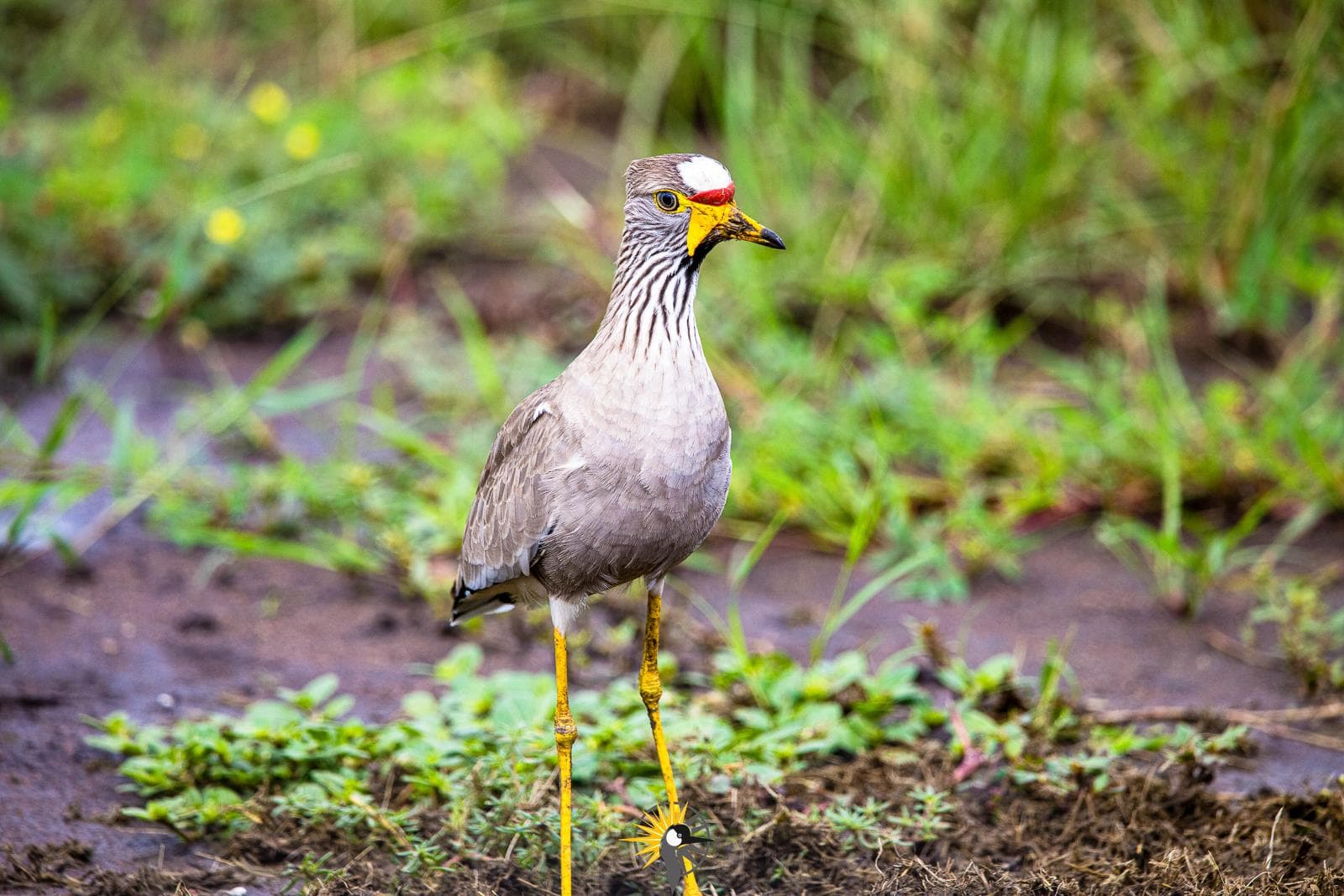
The African Wattled Lapwing
Spot African Wattled Lapwings in Uganda & Rwanda. Expert-guided birding safaris for USA, UK & Europe travelers with Musana Tours.
View birdEast Africa Safari Packages in Uganda, Rwanda, Kenya, Tanzania & DRC
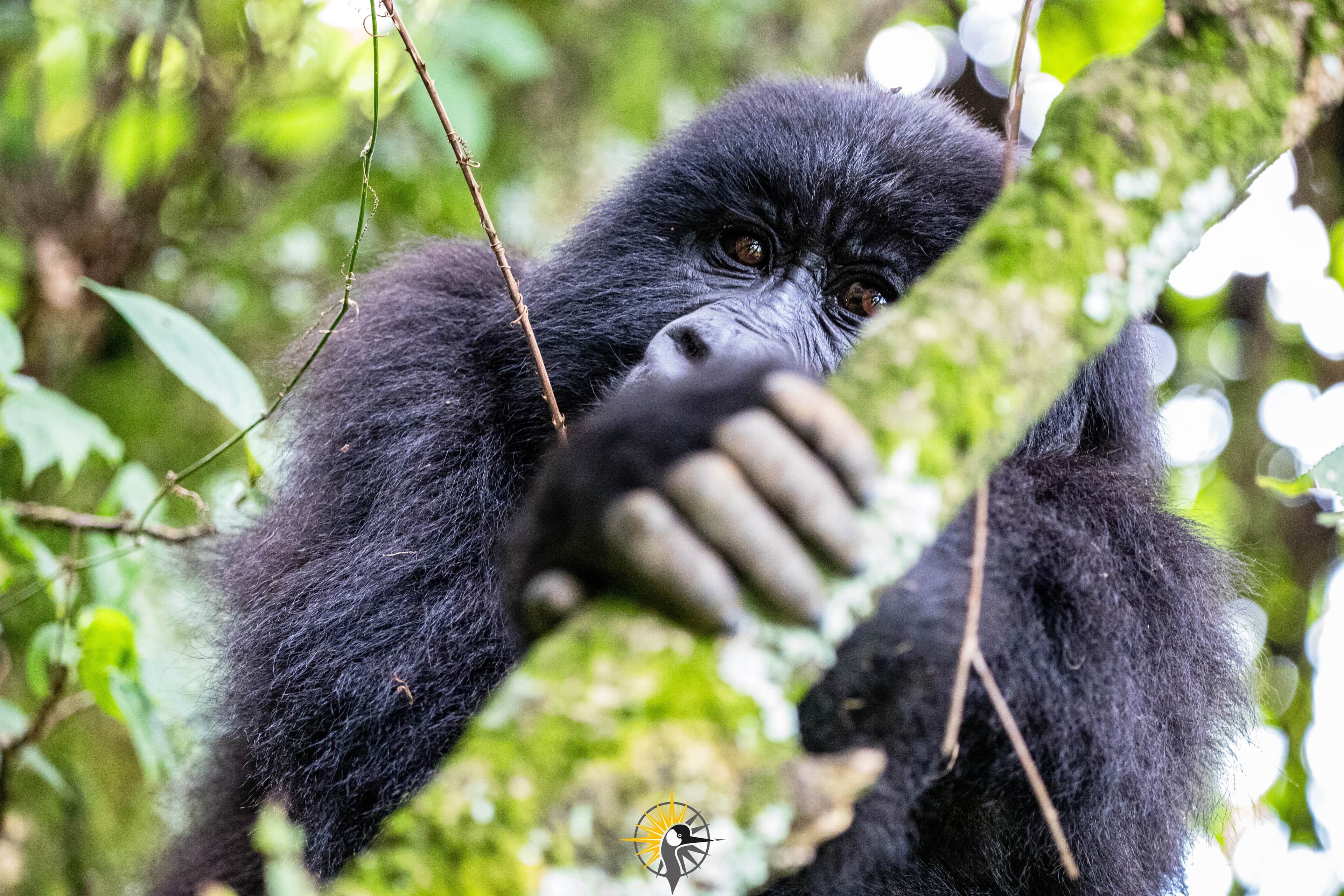
2 Days Gorilla trekking in Uganda
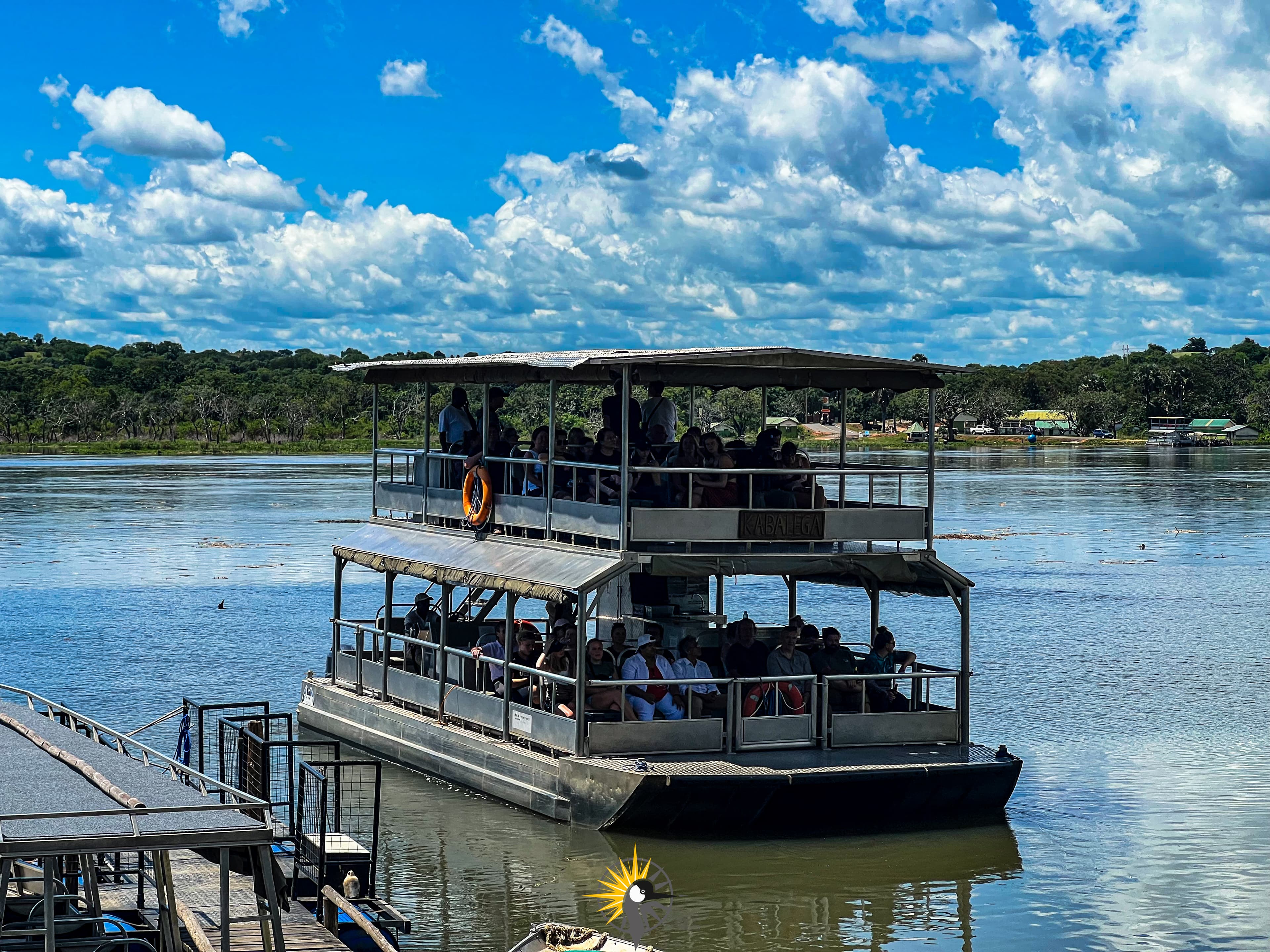
3 Days Uganda mid range tour
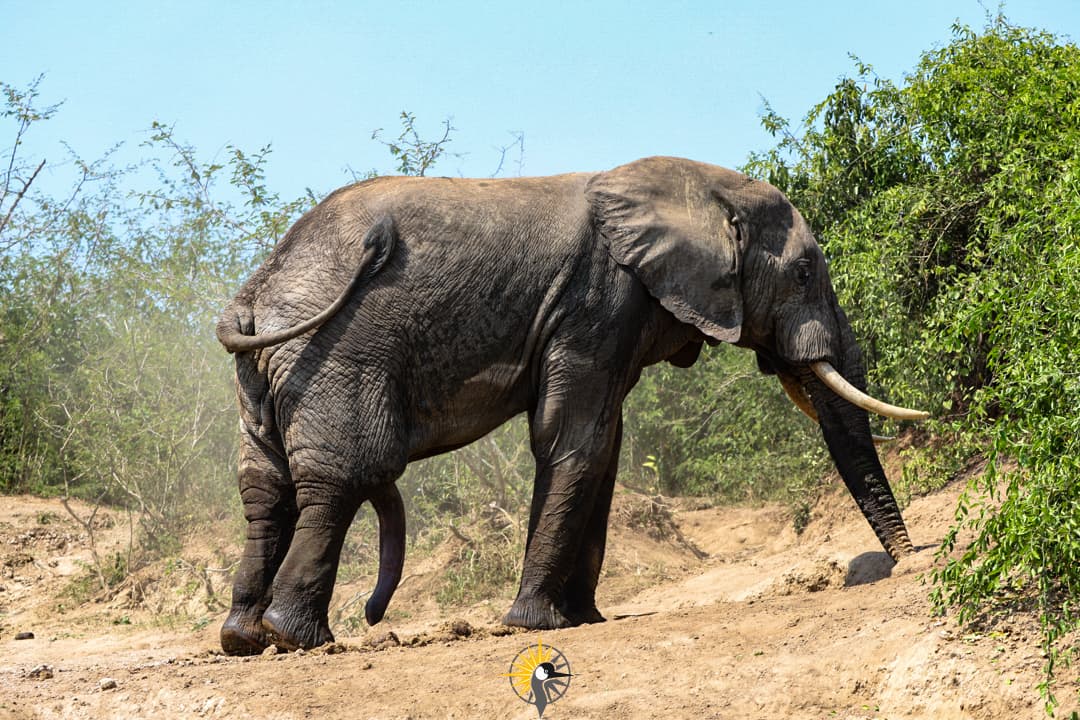
12 Days Uganda Wildlife Safari and Rwanda with Lake Kivu
News and Updates
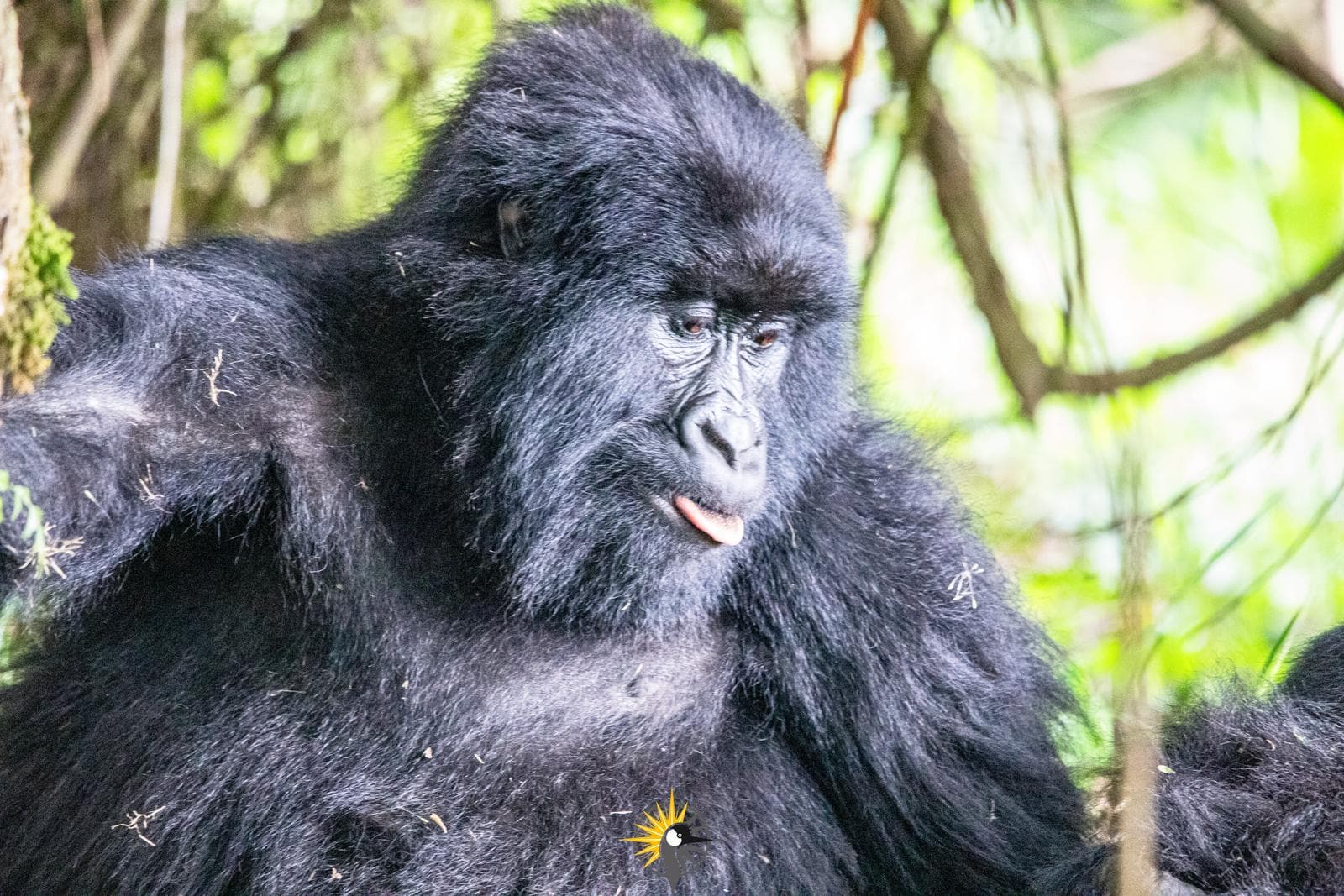
Gorilla trekking in Uganda, what you should know
Trek mountain gorillas in Uganda’s Bwindi and Mgahinga parks. Book permits, explore habituated gorilla families, and experience Batwa cultural tours.
Read more
Accommodation guide where to stay around Mgahinga gorilla national park
Find top lodges and budget stays near Mgahinga Gorilla National Park, Uganda. Enjoy gorilla trekking, golden monkey tracking, and nature adventures.
Read more
Is it safe for LGBT to visit Uganda
Despite some negative press, Uganda is a safe country for gay and lesbian travelers. However, Uganda is a conservative country and we recommend discretion this applies to people who intend to reside in the country for quite a long time.
Read more