African sacred ibis
Physical Characteristics and Behavior of the African Sacred Ibis
The African Sacred Ibis is an elegant bird that stands out due to its striking black and white plumage. Its long, curved bill and black head are complemented by a predominantly white body, which makes it instantly recognizable. Adult birds typically stand at about 75 to 85 cm tall, with a wingspan of around 1.2 meters. Their long legs help them wade gracefully through shallow waters, foraging for food along riverbanks, marshes, and lakeshores.
One of the most fascinating aspects of the African Sacred Ibis is its foraging behavior. These birds are opportunistic feeders, often found probing mud and water for food. Their diet includes a variety of insects, fish, crustaceans, and amphibians, which they catch using their long, curved beaks. You’ll often find them feeding in the company of other wading birds, such as herons and storks, creating a mesmerizing scene as they collectively scour the wetland areas for food.
The African Sacred Ibis is known for its social nature, often seen in large flocks. They are most active during the early morning and late afternoon hours, making these times ideal for birdwatching tours. Their cooperative nature and large flocks also make them easier to spot in their preferred habitats.
Habitat and Distribution
The African Sacred Ibis thrives in a variety of wetland habitats, including shallow lakes, rivers, marshes, and coastal regions. This adaptable species is commonly found throughout sub-Saharan Africa, including countries like Uganda, Kenya, Tanzania, and South Africa. Its distribution extends to Madagascar and even parts of the Middle East, where it has established populations.
While these birds are typically associated with wetlands, they have also been spotted in agricultural areas, city outskirts, and other human-altered landscapes, especially in countries where wetlands are still abundant. The ability of the African Sacred Ibis to thrive in both wild and human-made environments makes it a symbol of resilience and adaptability.
For birdwatchers, this means there are plenty of opportunities to spot this remarkable bird. However, the best places to see them are near the rich wetland areas where they primarily live and feed. Africa’s birding hotspots provide ample opportunities for you to experience the majesty of the African Sacred Ibis firsthand.
Cultural and Historical Significance
The African Sacred Ibis holds a unique place in African culture, particularly in ancient Egyptian mythology. It was revered as a sacred bird associated with the god Thoth, the deity of wisdom, writing, and knowledge. Thoth was often depicted with the head of an ibis, and this connection made the bird a symbol of intellect and learning in ancient Egyptian culture.
In African folklore, the African Sacred Ibis is considered a symbol of transformation and spiritual connection. In many communities, its presence near human settlements is believed to bring good luck and prosperity. Its role in religious practices and mythology makes it a fascinating bird for cultural enthusiasts, as well as for those interested in understanding Africa’s diverse traditions.
Best Places to Spot the African Sacred Ibis in Africa
For travelers seeking to witness the African Sacred Ibis in the wild, Africa offers an array of incredible birdwatching destinations. Whether you're planning a dedicated birding safari or want to add a birdwatching experience to your itinerary, here are some of the best places to see the African Sacred Ibis:
- Mabamba Swamp (Uganda)
- Located near Lake Victoria, Mabamba Swamp is a prime birdwatching location in Uganda. The swamp is home to numerous wetland species, including the African Sacred Ibis. The area offers boat trips through the swamp, where birdwatchers can spot the Ibis along with other fascinating species like the shoebill stork.
- Lake Nakuru National Park (Kenya)
- Known for its large flocks of flamingos, Lake Nakuru is also home to a wide variety of other birds, including the African Sacred Ibis. The lake’s wetlands and grasslands provide perfect feeding grounds for these elegant birds.
- Serengeti National Park (Tanzania)
- While famous for its wildlife and annual migration, Serengeti also offers excellent opportunities for birdwatching. The park’s extensive wetlands are home to various species of waders, including the African Sacred Ibis. Visitors can enjoy a combination of safari and birding in this iconic location.
Whether you’re a seasoned birdwatcher or a first-time visitor to Africa, these destinations will allow you to encounter the beauty and grace of the African Sacred Ibis in their natural habitat.
Conservation Status and Threats
The African Sacred Ibis is currently listed as Least Concern by the International Union for Conservation of Nature (IUCN), thanks to its widespread distribution and adaptability to a variety of habitats. However, like many wetland species, it faces threats from habitat loss, pollution, and human encroachment on wetland areas.
Urbanization, agriculture, and climate change are all factors that impact the availability of suitable habitats for the African Sacred Ibis. Despite these threats, the bird has shown an ability to adapt to human-altered landscapes, particularly in areas with abundant water sources and wetlands.
Conservation efforts that focus on protecting wetland ecosystems are crucial for preserving the habitats of the African Sacred Ibis. Birdwatching tours that promote sustainable travel and conservation help raise awareness of these birds and their environmental importance.
Why Birdwatchers Should Seek Out the African Sacred Ibis
The African Sacred Ibis is not just a bird; it is a testament to the resilience and beauty of Africa’s wetland ecosystems. Its striking appearance, fascinating behavior, and cultural significance make it a bird worth seeking out during your travels across Africa.
At Musana Tours and Travel, we offer customized birdwatching tours that bring you up close to these incredible creatures, including the African Sacred Ibis. Our expert guides will take you to some of the best birding locations in East Africa, where you’ll have the chance to observe these majestic birds in their natural habitats.
Whether you’re planning a specific birdwatching trip or simply looking to add a birding experience to your African safari, we can help you organize the perfect itinerary. Get in touch with Musana Tours and Travel today to book your birdwatching adventure and make unforgettable memories as you encounter the African Sacred Ibis and many other remarkable species.
Book Your Birdwatching Tour Now with Musana Tours and Travel!
Physical Characteristics and Behavior of the African Sacred Ibis
The African Sacred Ibis is an elegant bird that stands out due to its striking black and white plumage. Its long, curved bill and black head are complemented by a predominantly white body, which makes it instantly recognizable. Adult birds typically stand at about 75 to 85 cm tall, with a wingspan of around 1.2 meters. Their long legs help them wade gracefully through shallow waters, foraging for food along riverbanks, marshes, and lakeshores.
One of the most fascinating aspects of the African Sacred Ibis is its foraging behavior. These birds are opportunistic feeders, often found probing mud and water for food. Their diet includes a variety of insects, fish, crustaceans, and amphibians, which they catch using their long, curved beaks. You’ll often find them feeding in the company of other wading birds, such as herons and storks, creating a mesmerizing scene as they collectively scour the wetland areas for food.
The African Sacred Ibis is known for its social nature, often seen in large flocks. They are most active during the early morning and late afternoon hours, making these times ideal for birdwatching tours. Their cooperative nature and large flocks also make them easier to spot in their preferred habitats.
Habitat and Distribution
The African Sacred Ibis thrives in a variety of wetland habitats, including shallow lakes, rivers, marshes, and coastal regions. This adaptable species is commonly found throughout sub-Saharan Africa, including countries like Uganda, Kenya, Tanzania, and South Africa. Its distribution extends to Madagascar and even parts of the Middle East, where it has established populations.
While these birds are typically associated with wetlands, they have also been spotted in agricultural areas, city outskirts, and other human-altered landscapes, especially in countries where wetlands are still abundant. The ability of the African Sacred Ibis to thrive in both wild and human-made environments makes it a symbol of resilience and adaptability.
For birdwatchers, this means there are plenty of opportunities to spot this remarkable bird. However, the best places to see them are near the rich wetland areas where they primarily live and feed. Africa’s birding hotspots provide ample opportunities for you to experience the majesty of the African Sacred Ibis firsthand.
Cultural and Historical Significance
The African Sacred Ibis holds a unique place in African culture, particularly in ancient Egyptian mythology. It was revered as a sacred bird associated with the god Thoth, the deity of wisdom, writing, and knowledge. Thoth was often depicted with the head of an ibis, and this connection made the bird a symbol of intellect and learning in ancient Egyptian culture.
In African folklore, the African Sacred Ibis is considered a symbol of transformation and spiritual connection. In many communities, its presence near human settlements is believed to bring good luck and prosperity. Its role in religious practices and mythology makes it a fascinating bird for cultural enthusiasts, as well as for those interested in understanding Africa’s diverse traditions.
Best Places to Spot the African Sacred Ibis in Africa
For travelers seeking to witness the African Sacred Ibis in the wild, Africa offers an array of incredible birdwatching destinations. Whether you're planning a dedicated birding safari or want to add a birdwatching experience to your itinerary, here are some of the best places to see the African Sacred Ibis:
- Mabamba Swamp (Uganda)
- Located near Lake Victoria, Mabamba Swamp is a prime birdwatching location in Uganda. The swamp is home to numerous wetland species, including the African Sacred Ibis. The area offers boat trips through the swamp, where birdwatchers can spot the Ibis along with other fascinating species like the shoebill stork.
- Lake Nakuru National Park (Kenya)
- Known for its large flocks of flamingos, Lake Nakuru is also home to a wide variety of other birds, including the African Sacred Ibis. The lake’s wetlands and grasslands provide perfect feeding grounds for these elegant birds.
- Serengeti National Park (Tanzania)
- While famous for its wildlife and annual migration, Serengeti also offers excellent opportunities for birdwatching. The park’s extensive wetlands are home to various species of waders, including the African Sacred Ibis. Visitors can enjoy a combination of safari and birding in this iconic location.
Whether you’re a seasoned birdwatcher or a first-time visitor to Africa, these destinations will allow you to encounter the beauty and grace of the African Sacred Ibis in their natural habitat.
Conservation Status and Threats
The African Sacred Ibis is currently listed as Least Concern by the International Union for Conservation of Nature (IUCN), thanks to its widespread distribution and adaptability to a variety of habitats. However, like many wetland species, it faces threats from habitat loss, pollution, and human encroachment on wetland areas.
Urbanization, agriculture, and climate change are all factors that impact the availability of suitable habitats for the African Sacred Ibis. Despite these threats, the bird has shown an ability to adapt to human-altered landscapes, particularly in areas with abundant water sources and wetlands.
Conservation efforts that focus on protecting wetland ecosystems are crucial for preserving the habitats of the African Sacred Ibis. Birdwatching tours that promote sustainable travel and conservation help raise awareness of these birds and their environmental importance.
Why Birdwatchers Should Seek Out the African Sacred Ibis
The African Sacred Ibis is not just a bird; it is a testament to the resilience and beauty of Africa’s wetland ecosystems. Its striking appearance, fascinating behavior, and cultural significance make it a bird worth seeking out during your travels across Africa.
At Musana Tours and Travel, we offer customized birdwatching tours that bring you up close to these incredible creatures, including the African Sacred Ibis. Our expert guides will take you to some of the best birding locations in East Africa, where you’ll have the chance to observe these majestic birds in their natural habitats.
Whether you’re planning a specific birdwatching trip or simply looking to add a birding experience to your African safari, we can help you organize the perfect itinerary. Get in touch with Musana Tours and Travel today to book your birdwatching adventure and make unforgettable memories as you encounter the African Sacred Ibis and many other remarkable species.
Book Your Birdwatching Tour Now with Musana Tours and Travel!
Related Birds
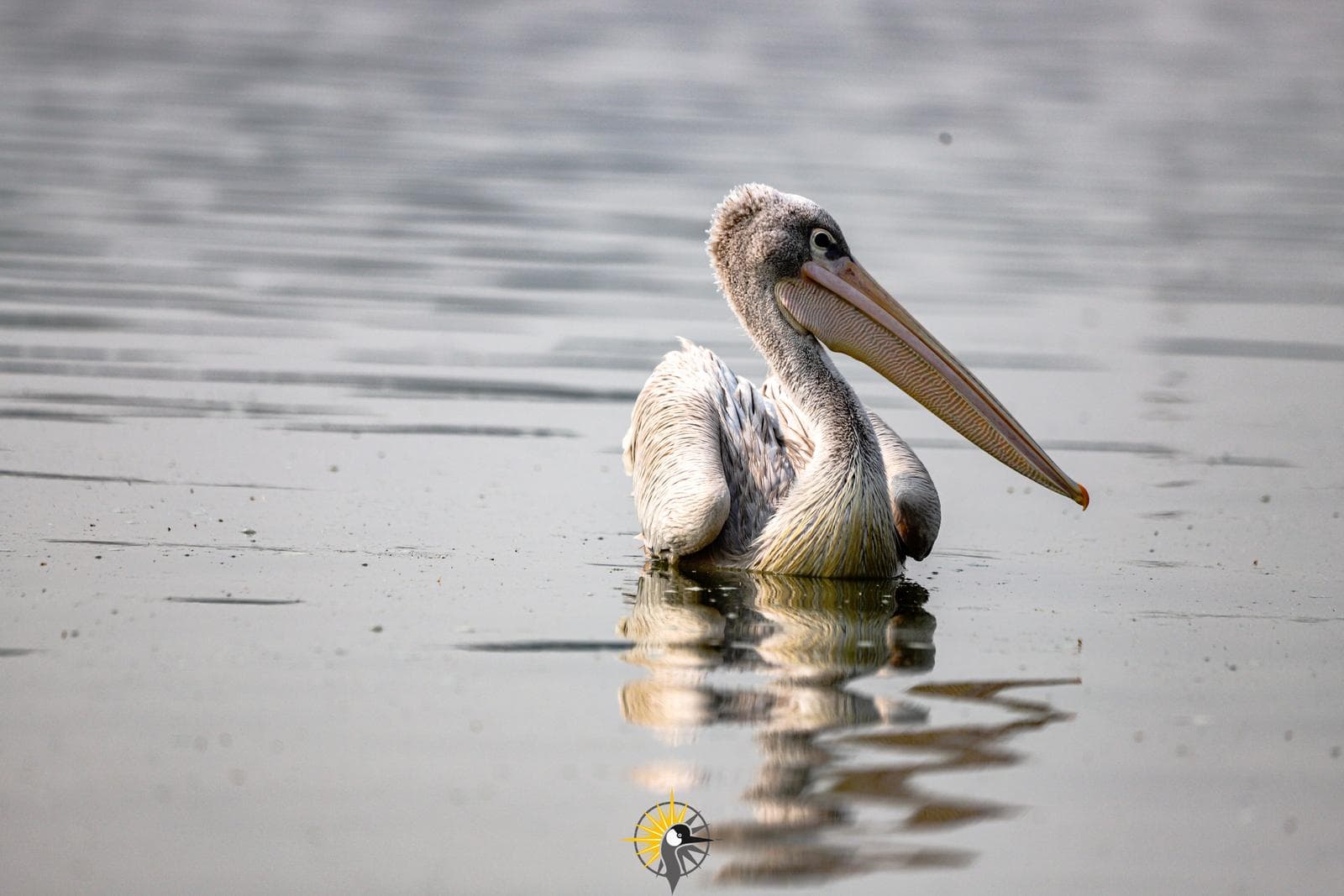
Spot billed pelican
Discover the Spot-billed Pelican, an elegant pelican species found in the wetlands of Uganda, Kenya, Tanzania, and Rwanda. Explore its behaviour, habitat, and birdwatching tips for your next safari.
View bird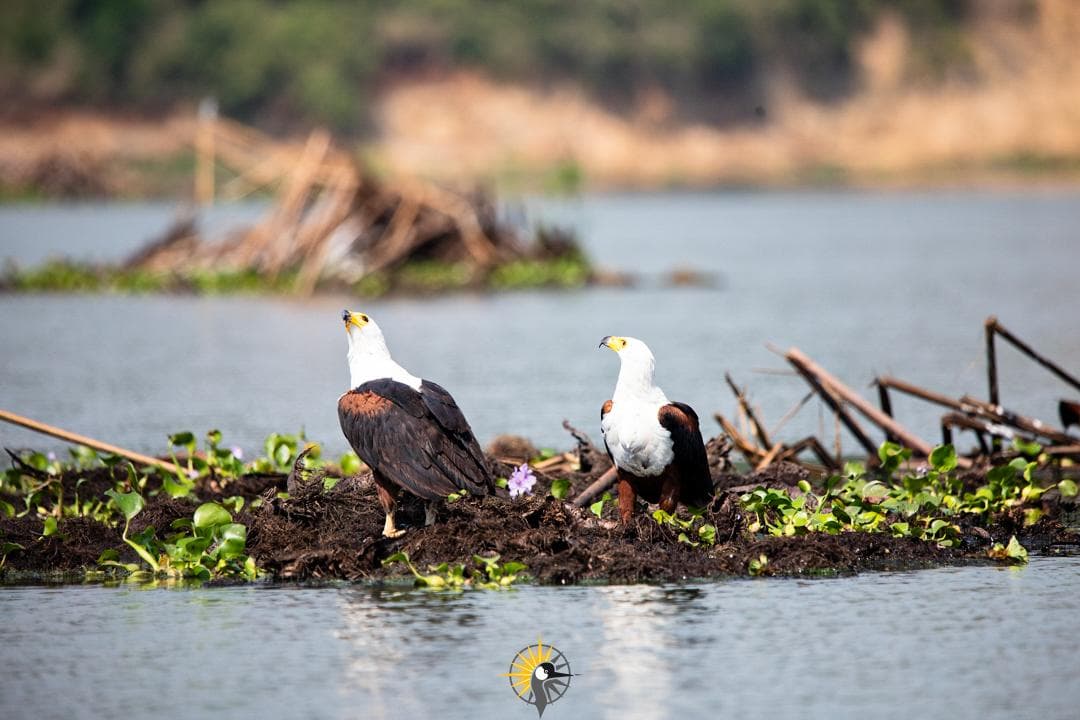
The African Fish Eagle
See the African Fish Eagle in Uganda, Rwanda, Kenya & Tanzania. Guided birding safaris for USA, UK & Europe travelers.
View bird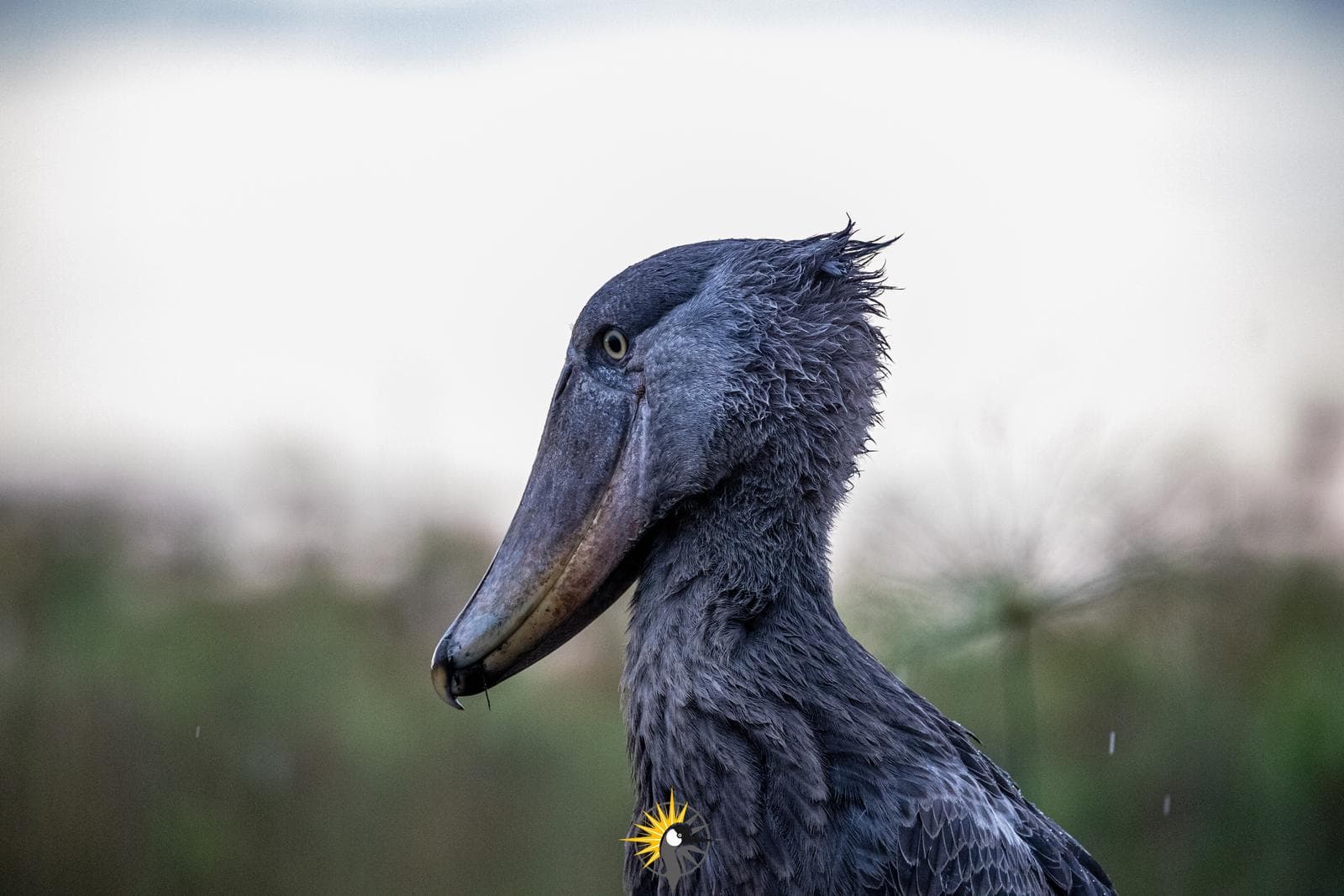
The Shoebill Stork
Discover shoebill stork safaris in Uganda & Rwanda. Expert-guided birdwatching tours for USA, UK & Europe travelers. Book with Musana Tours.
View birdEast Africa Safari Packages in Uganda, Rwanda, Kenya, Tanzania & DRC
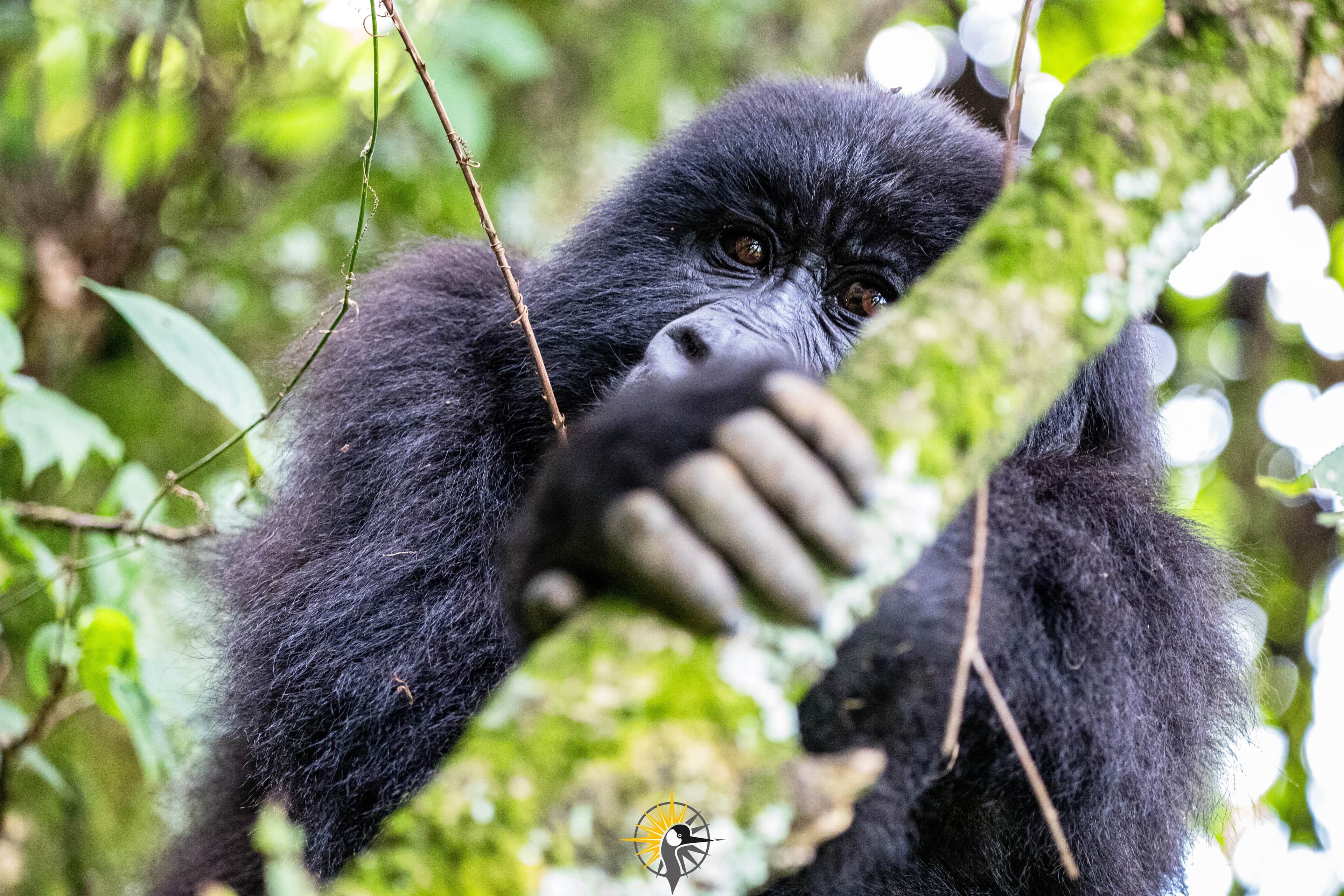
2 Days Gorilla trekking in Uganda

3 Days Uganda mid range tour
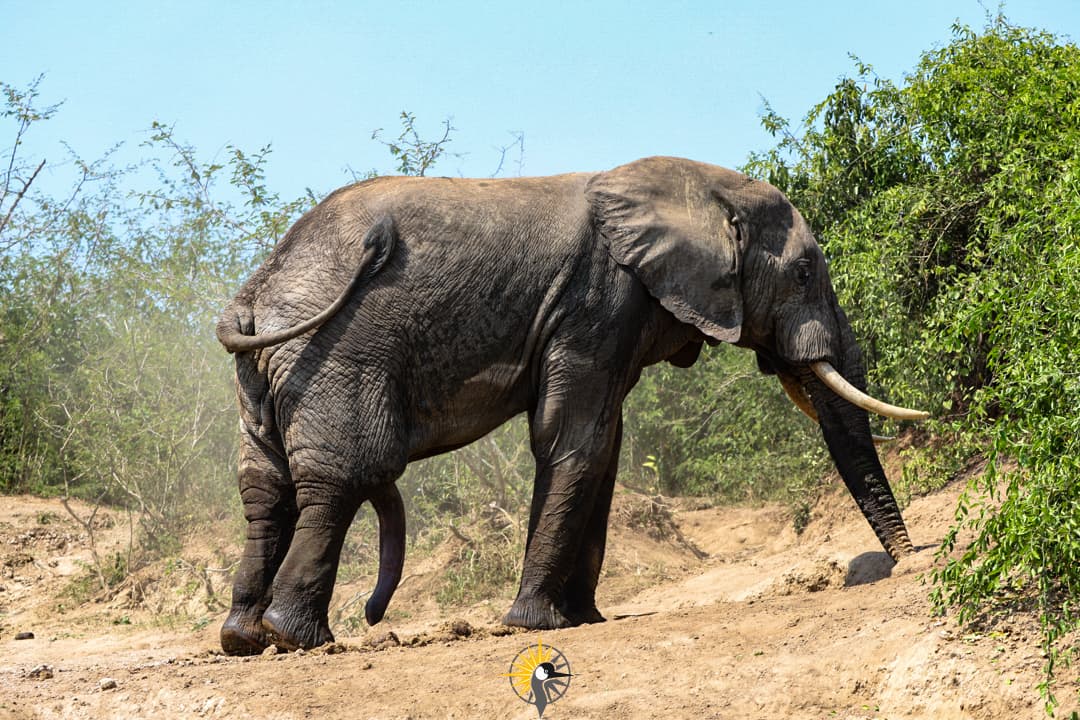
12 Days Uganda Wildlife Safari and Rwanda with Lake Kivu
News and Updates
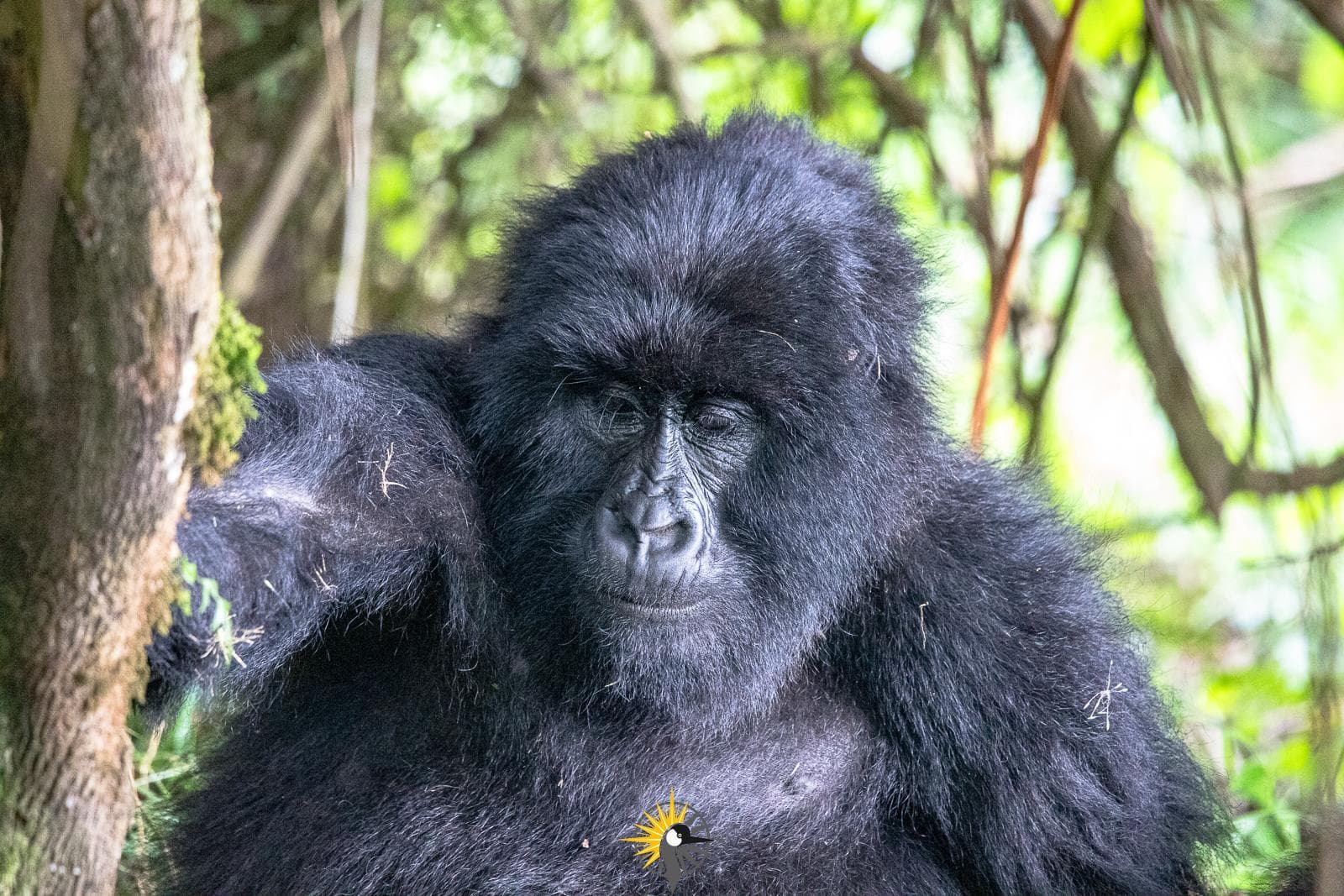
Budget lodges in Bwindi Impenetrable Forest National Park
Below is our list of selected low-budget and some mid-range hotels and restaurants from as low as $20.
Read more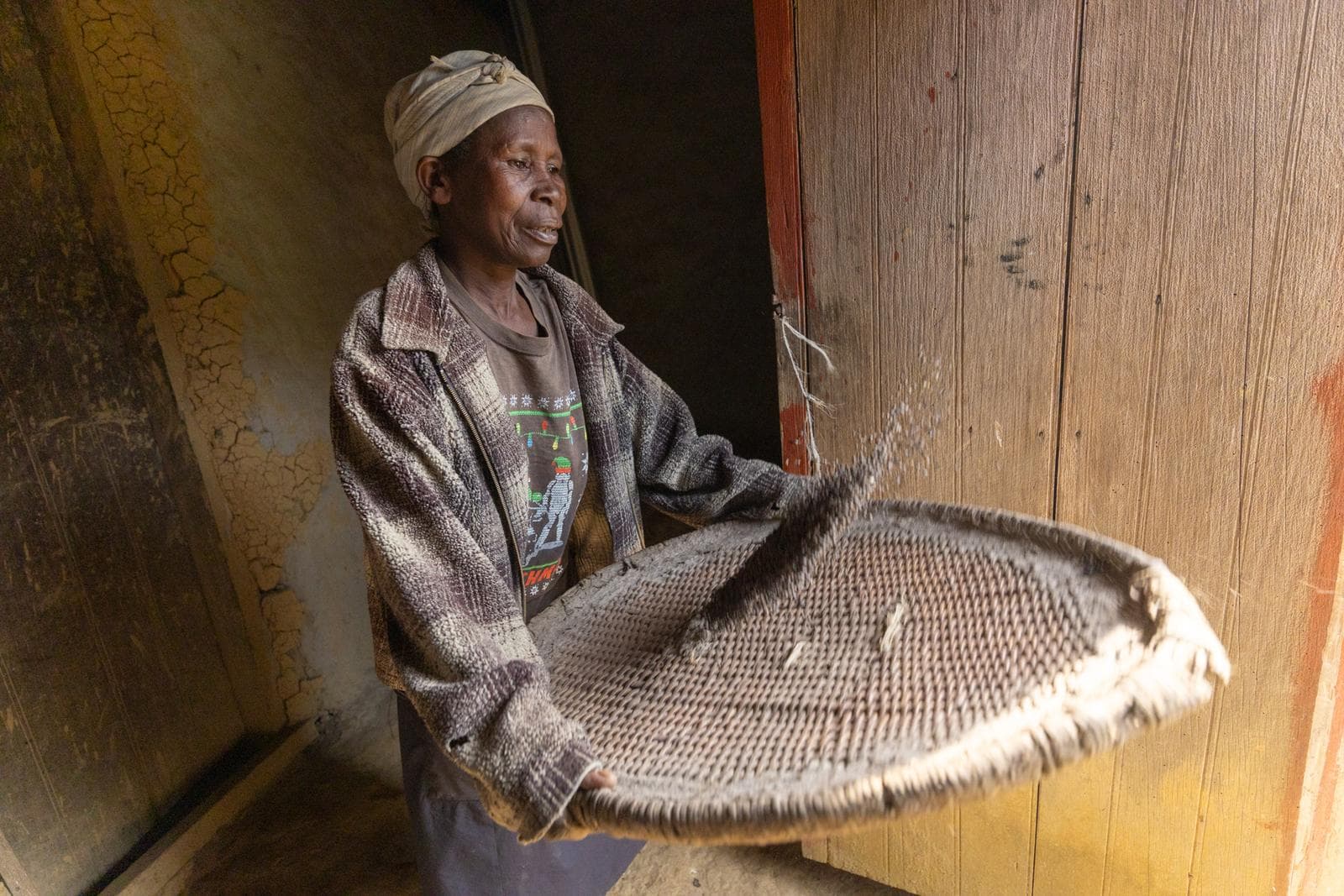
Bakiga
The Bakiga are a diverse tribe that inhabit districts of Rubanda, Kabale, Rukiga, Kanungu and parts of Rukungiri and Ntungamo districts, which makes the original kigezi region.
Read more
Is it safe for LGBT to visit Uganda
Despite some negative press, Uganda is a safe country for gay and lesbian travelers. However, Uganda is a conservative country and we recommend discretion this applies to people who intend to reside in the country for quite a long time.
Read more