
The Genocide memorial
Rwanda, known as the “Land of a Thousand Hills,” is a country with breathtaking landscapes, vibrant culture, and a resilient people. Yet, it also carries a tragic history. In 1994, Rwanda experienced one of the most brutal genocides of the 20th century. Over 100 days, approximately 800,000 Tutsi civilians and moderate Hutus were killed in an ethnic cleansing that shocked the world. Today, Rwanda has risen from the ashes, but the memory of those dark days remains preserved in several genocide memorial sites across the country. These sites serve as both historical records and solemn reminders of the human cost of hatred.
Understanding the 1994 Rwandan Genocide
The 1994 Rwandan Genocide occurred after longstanding ethnic tensions between the Hutu majority and Tutsi minority erupted into mass violence. In just three months, coordinated attacks led to the deaths of nearly a million people. Families were torn apart, communities destroyed, and the nation left in despair.
The slogan “Never Again” is now omnipresent in Rwanda, reflecting the country’s commitment to preventing such atrocities in the future. Memorial sites across the country play a crucial role in educating visitors about these events and ensuring the victims are never forgotten.
Why Rwanda Genocide Memorial Sites Are Important
Rwandan genocide memorials are not typical tourist attractions. While visitors can learn about the history, the primary purpose of these sites is remembrance. They honor the victims, document the events, and promote peace and reconciliation. Visiting these memorials provides an opportunity to reflect on the consequences of hatred, intolerance, and indifference.
Many memorials preserve personal artifacts, photographs, and victims' remains. This direct connection to the past allows visitors to understand the scale of the tragedy and the resilience of survivors.
Top Genocide Memorial Sites in Rwanda
1. Nyamata Church Genocide Memorial Site
Located near Kigali, the Nyamata Church Genocide Memorial Site is one of the most visited memorials in Rwanda. During the genocide, thousands of Tutsi sought refuge in the church but were brutally killed. Visitors can see the victims’ clothing, mass graves, and preserved structures that tell the heartbreaking story of that day.
2. Murambi Genocide Memorial Site
The Murambi Genocide Memorial, in the Southern Province, is often called the “School of Death.” Over 50,000 people were killed here, many of whom were lured under false promises of safety. The site includes skeletal remains and preserved classrooms, giving a powerful insight into the events of 1994.
3. Gisenyi Genocide Memorial Site
Located in Western Rwanda, Gisenyi Memorial documents the genocide in the region, highlighting both the victims and the survival stories. Exhibits include photographs, personal effects, and historical records that provide a regional perspective of the tragedy.
4. Bisesero Genocide Memorial Site
The Bisesero Genocide Memorial, in the Western Province, commemorates the thousands of Tutsis who resisted attacks in the hills. Many were eventually overwhelmed, and the site honors their courage and resilience. Memorial plaques, testimonies, and preserved ruins allow visitors to appreciate the scale and brutality of the attacks.
5. Kigali Genocide Memorial
The Kigali Genocide Memorial, the largest in the country, is a central hub for remembrance. It houses the remains of over 250,000 victims and offers detailed exhibitions on the genocide, reconciliation efforts, and Rwanda’s journey toward healing. The site also includes a memorial garden and a research center for education.
Visiting Genocide Memorial Sites in Rwanda
When visiting Rwanda’s genocide memorials, it is crucial to approach them with respect and reflection. These sites are solemn spaces dedicated to victims’ memories, and photography may be restricted in certain areas.
Tourists and researchers alike can benefit from guided tours that explain the historical context, survivor stories, and the lessons Rwanda has learned from its past. Visiting these memorials is not only a historical education but also an emotional experience that underscores the importance of peace, tolerance, and reconciliation.
Lessons from Rwanda’s Genocide Memorials
Rwanda’s memorial sites remind the world of the consequences of hatred, division, and inaction. They inspire dialogue about human rights, conflict prevention, and the importance of community resilience. The phrase “Never Again” resonates throughout the country, serving as a pledge to prevent future atrocities.
By exploring these memorials, visitors gain a deeper understanding of Rwanda’s tragic past and its remarkable recovery, making them a meaningful and educational part of any travel itinerary in the country.
Conclusion
Rwanda’s genocide memorial sites are more than historical landmarks; they are living reminders of the need for peace, tolerance, and vigilance against hatred. From Nyamata Church to the Kigali Genocide Memorial, each site tells a story of tragedy, courage, and hope. Travelers to Rwanda should take the time to visit these memorials, honoring the victims while learning lessons that resonate far beyond the nation’s borders.
0 FAQs about The Genocide memorial
Have any inquiries?
Related safaris
9 Days Gorilla tracking in Uganda, Tarangire, Ngorongoro, and Serengeti National Park in Tanzania
3 Days Hadzabe, Masai and Ngorongoro Crater Safari, Tanzania
21 Days Epic East Africa safari, gorilla trekking in Bwindi, Big Five safaris and Zanzibar Beach escape
Related parks
Volcanoes national park
Discover Volcanoes National Park in Rwanda, home to mountain gorillas, golden monkeys, lush forests, and the majestic Virunga volcanoes.
View park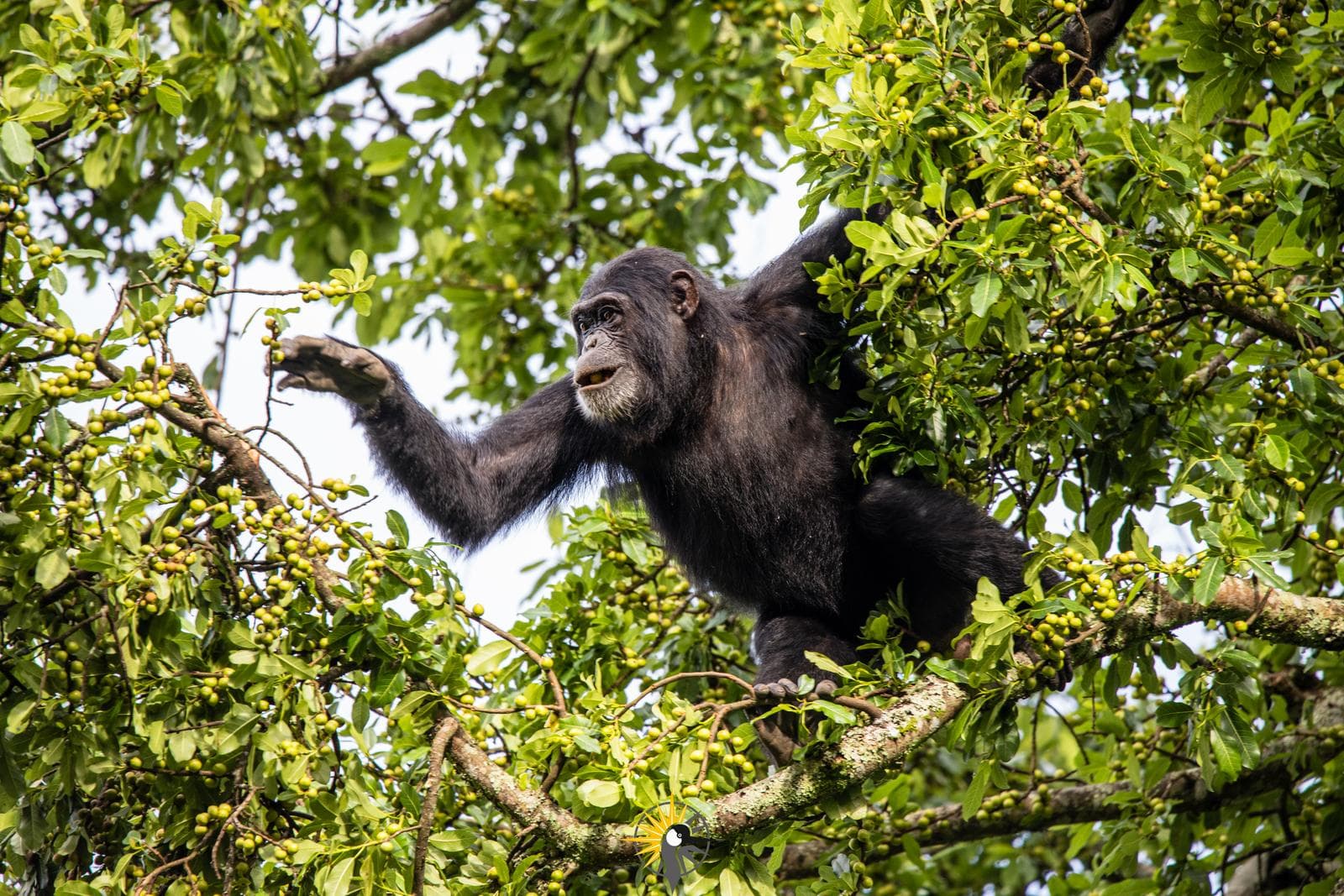
Nyungwe forest national park
Explore Nyungwe Forest National Park in Rwanda, home to chimpanzees, lush rainforest, canopy walks, waterfalls, and rich wildlife diversity.
View park
The Diana Fossey tomb
Back in time, Dian Fossey established this Karisoke scientific center in the area just between 2 volcanoes of Mount Bisoke and Mount Karisimbi from which its name Karisoke was derived.
View parkNews and Updates
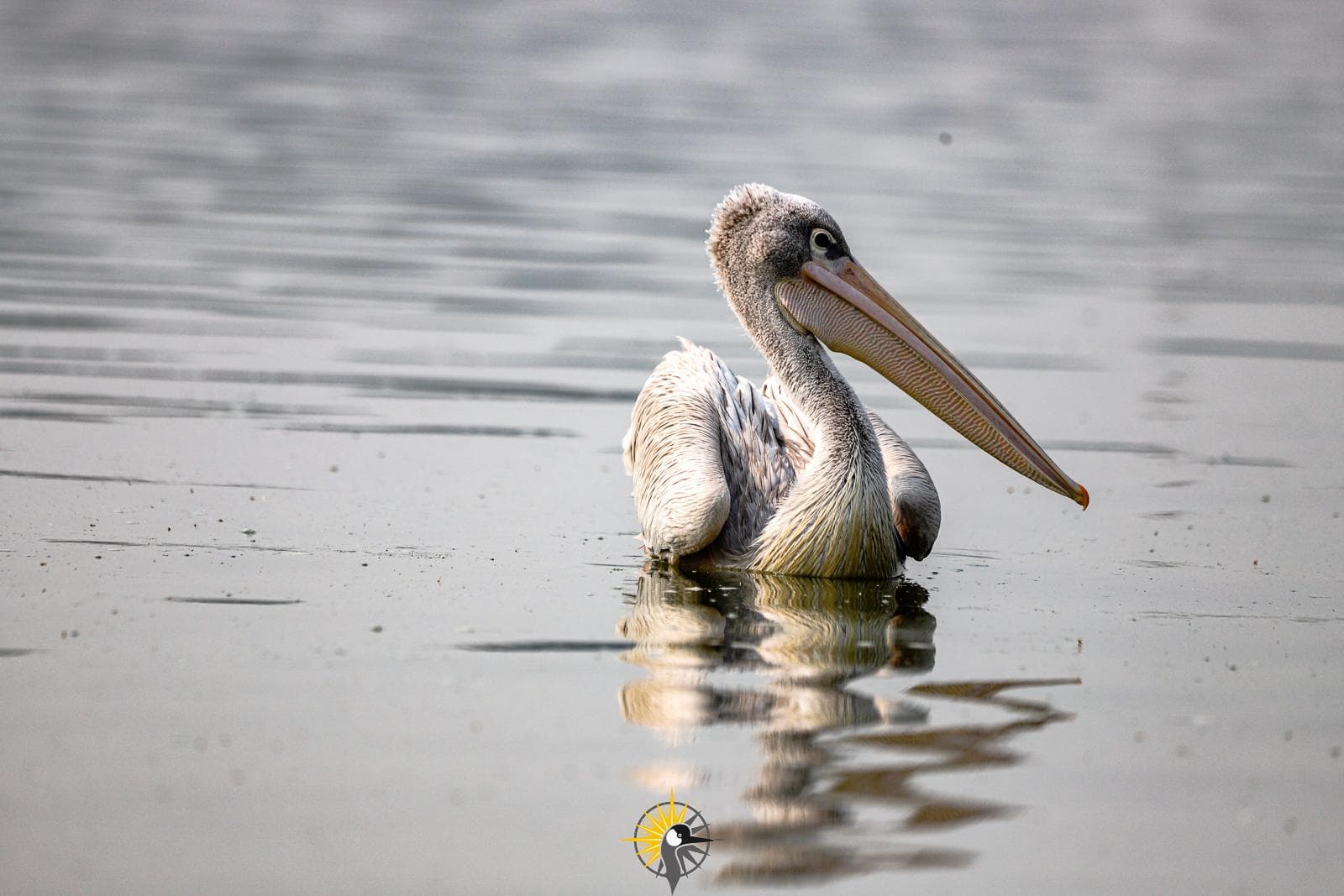
Birding in Queen Elizabeth National Park, A 7-Day Adventure with Musana Tours & Travel
Discover birding in Queen Elizabeth National Park on a 7-day guided safari. Spot shoebills, pelicans & raptors with Musana Tours & Travel.
Read more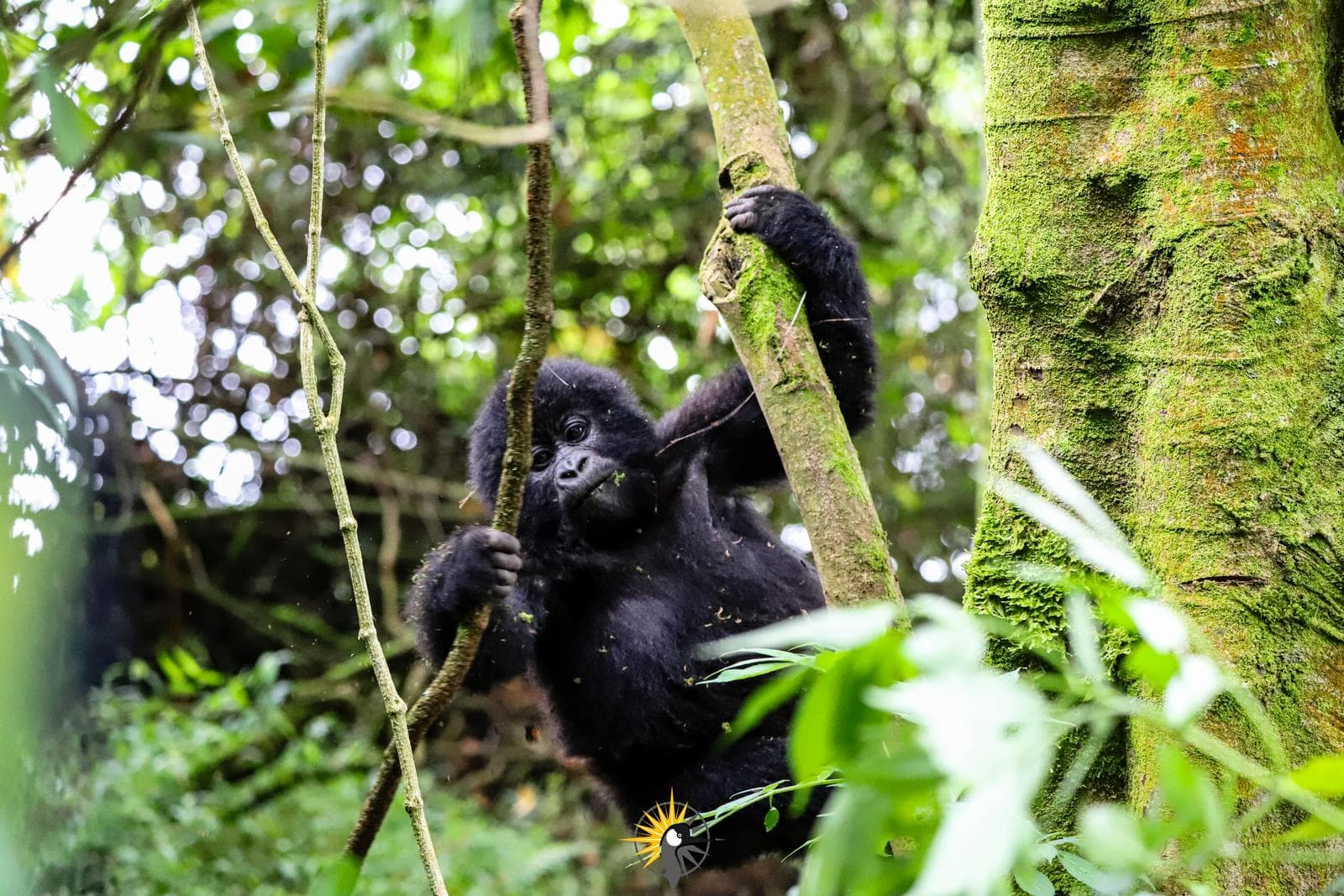
Gorilla trekking vs chimpanzee tracking, which should you choose?
Gorilla trekking vs chimpanzee tracking in Uganda—compare experiences, costs, and best parks to choose the perfect primate safari adventure.
Read more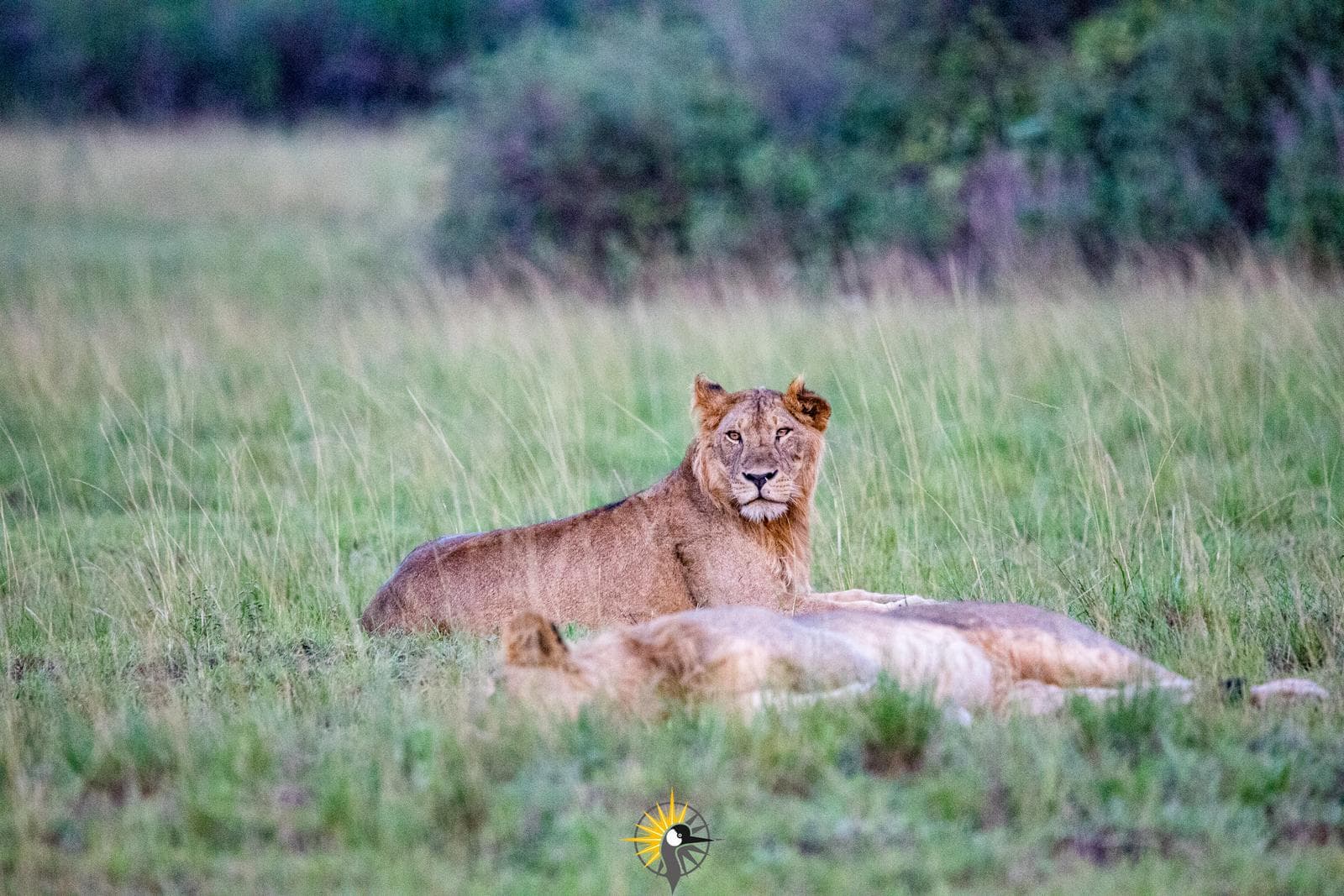
Best time to visit Uganda for wildlife
Discover the best time to visit Uganda for wildlife, from gorilla trekking to savannah safaris, with expert seasonal insights from Musana Tours & Travel.
Read more